


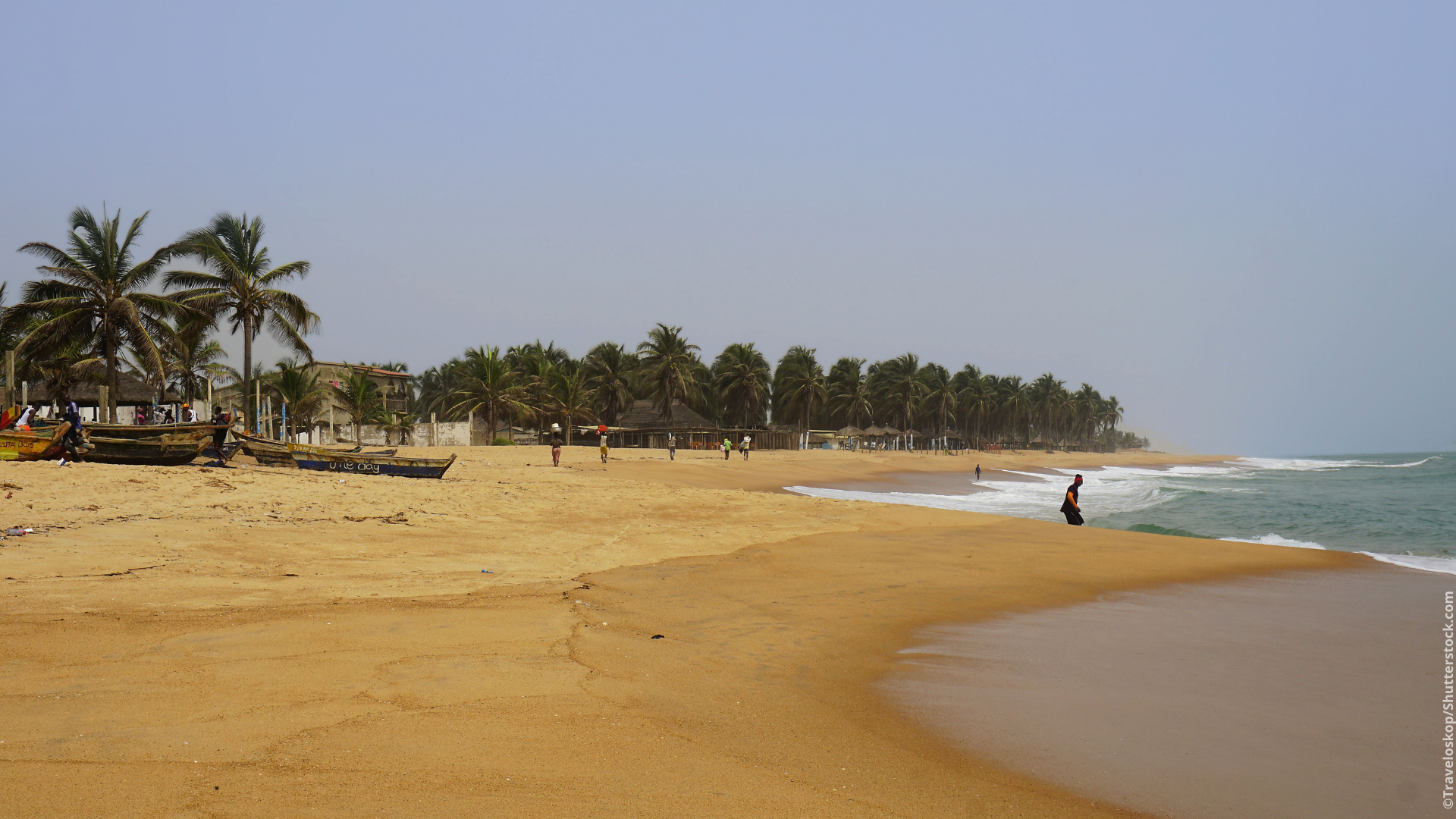
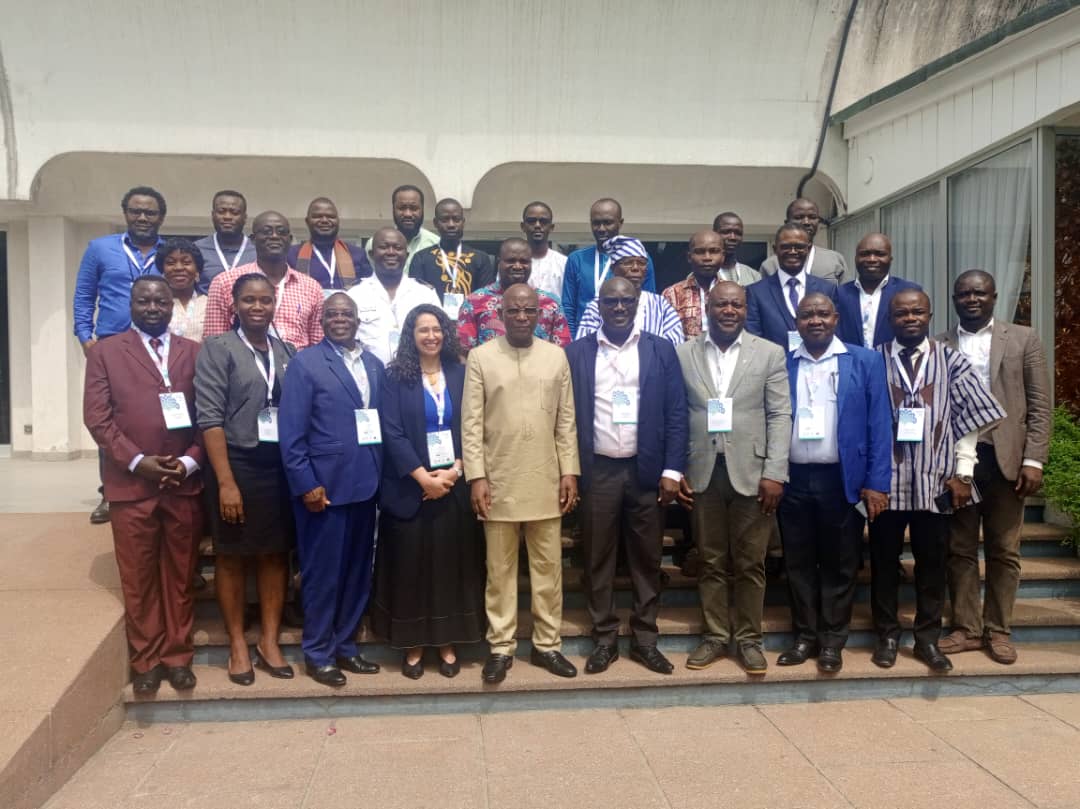
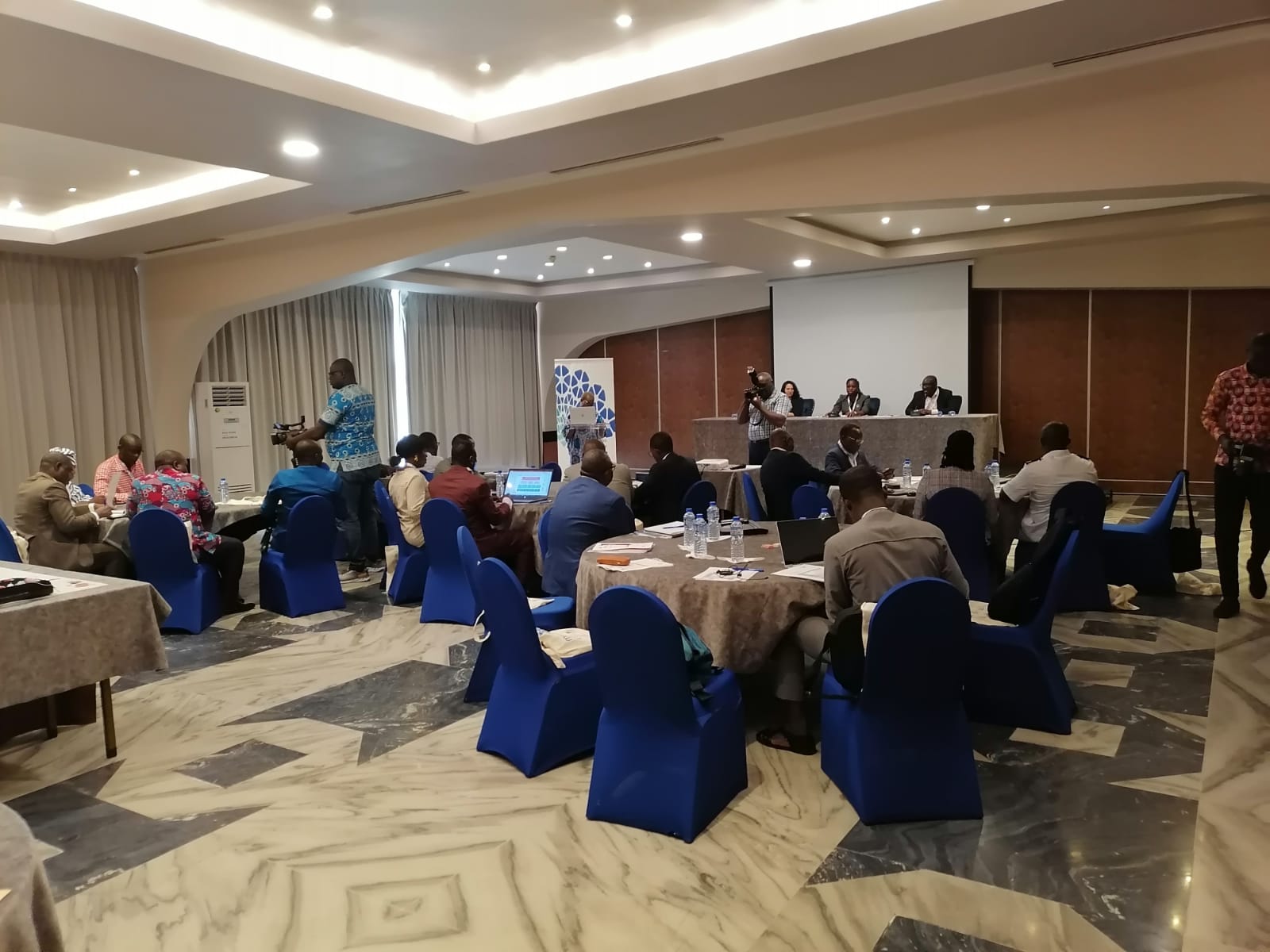
The series of MSPglobal 2.0 National Trainings for the pilot project in the Gulf of Guinea continued in Lomé, Togo. From 01 to 02 February 2024, 36 participants from governmental and non-governmental organisations took part, such as the High Council for the Sea, the National Agency for State Action at Sea, the Ministry of Environment and Forest Resources, the Ministry of Territorial Administration, Decentralization and Development, the University of Lomé and the NGO AJEDI.
The MSPglobal 2.0 National Training aims to increase national capacities for implementing Marine Spatial Planning (MSP) by sharing best practices and mechanisms for developing a marine spatial plan. The event in Togo was co-organised by Togo’s High Council for the Sea together with the Intergovernmental Oceanographic Commission of UNESCO (IOC-UNESCO).
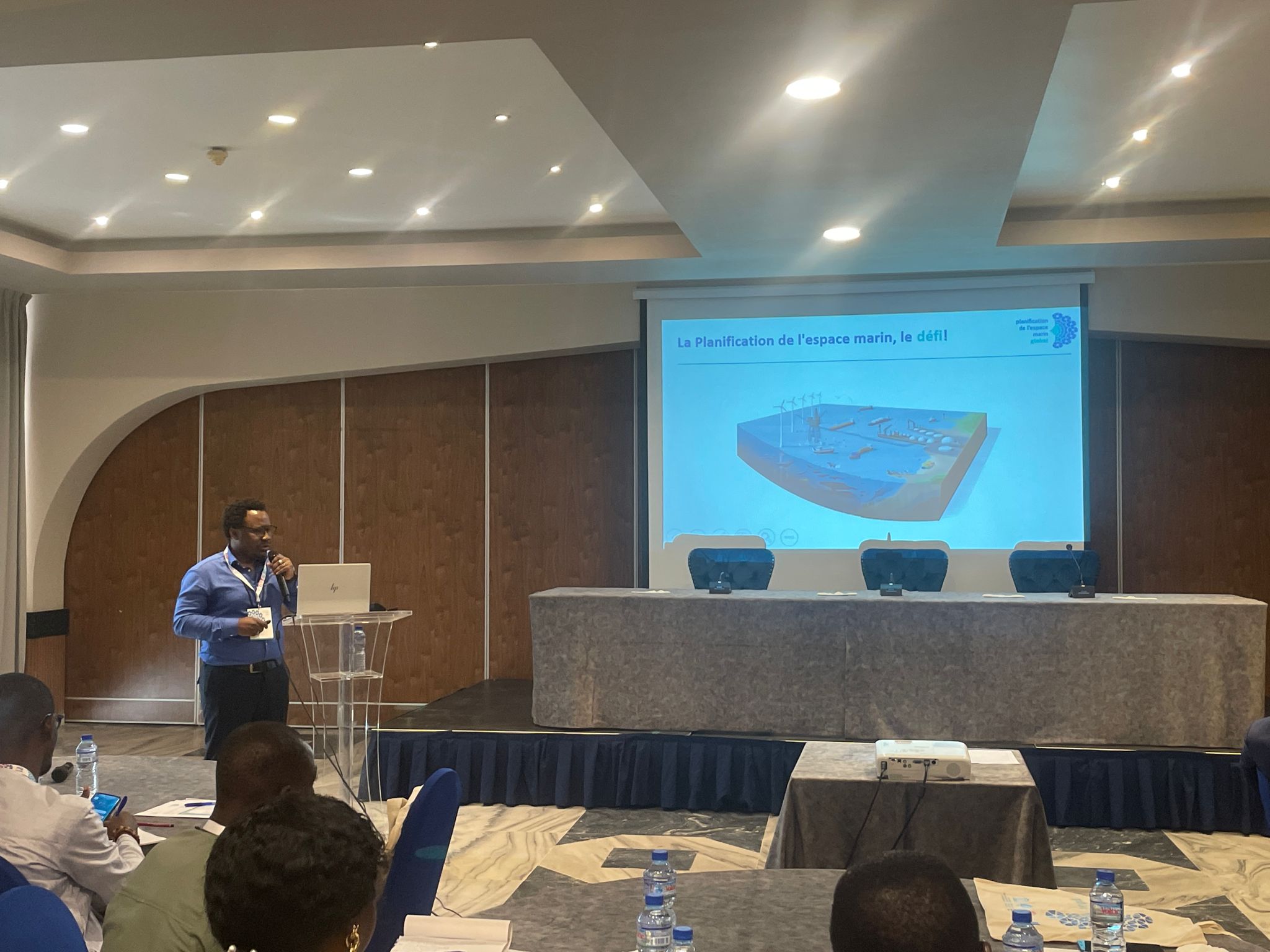
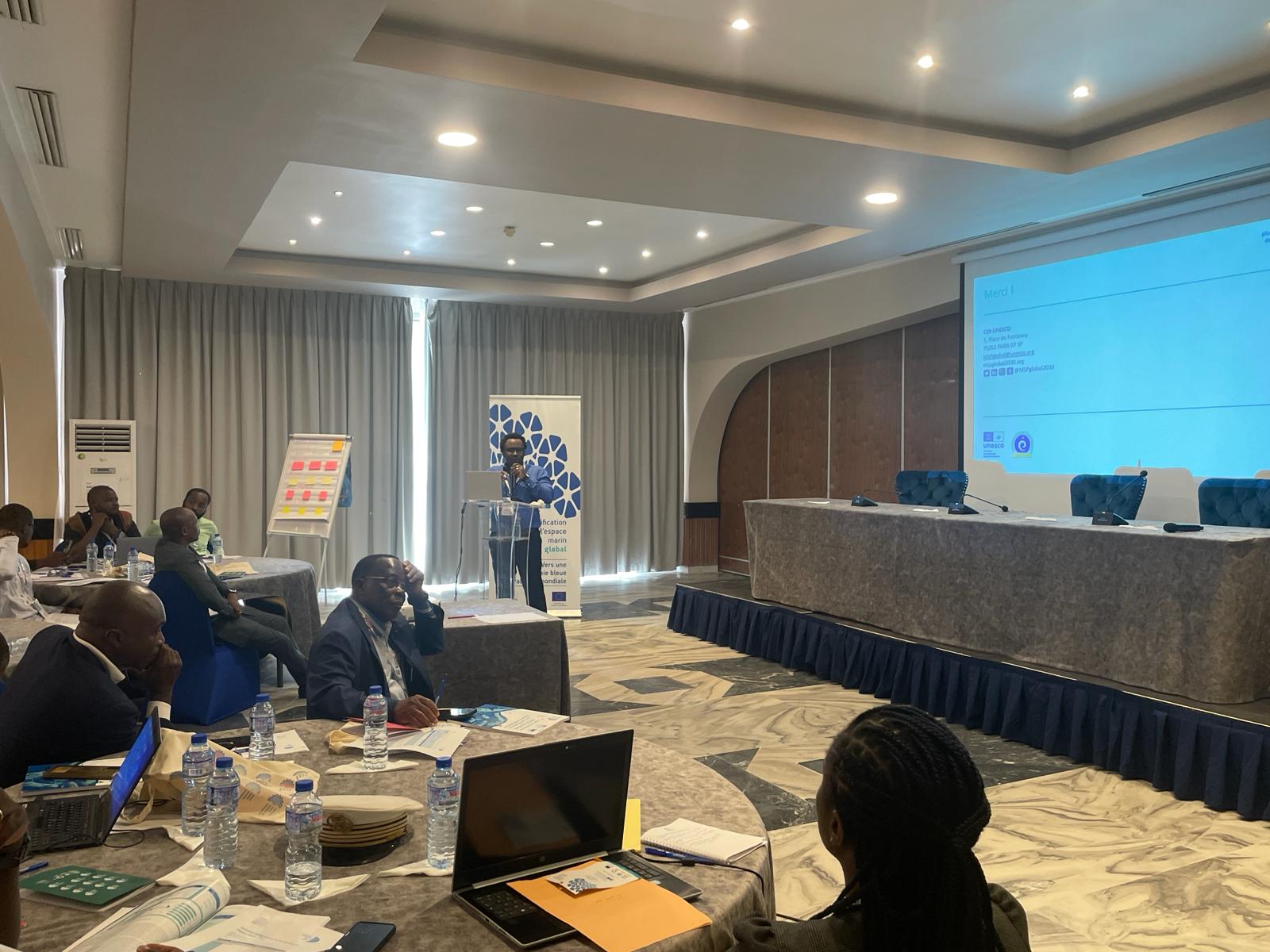
During the two-day training, participants were guided through the six MSP phases defined by the MSP Guide including sessions on:
- The inclusive and participatory approach of MSP
- Data for MSP
- Transboundary cooperation
- Sustainable Blue Economy
- Climate-smart MSP
- Marine protection
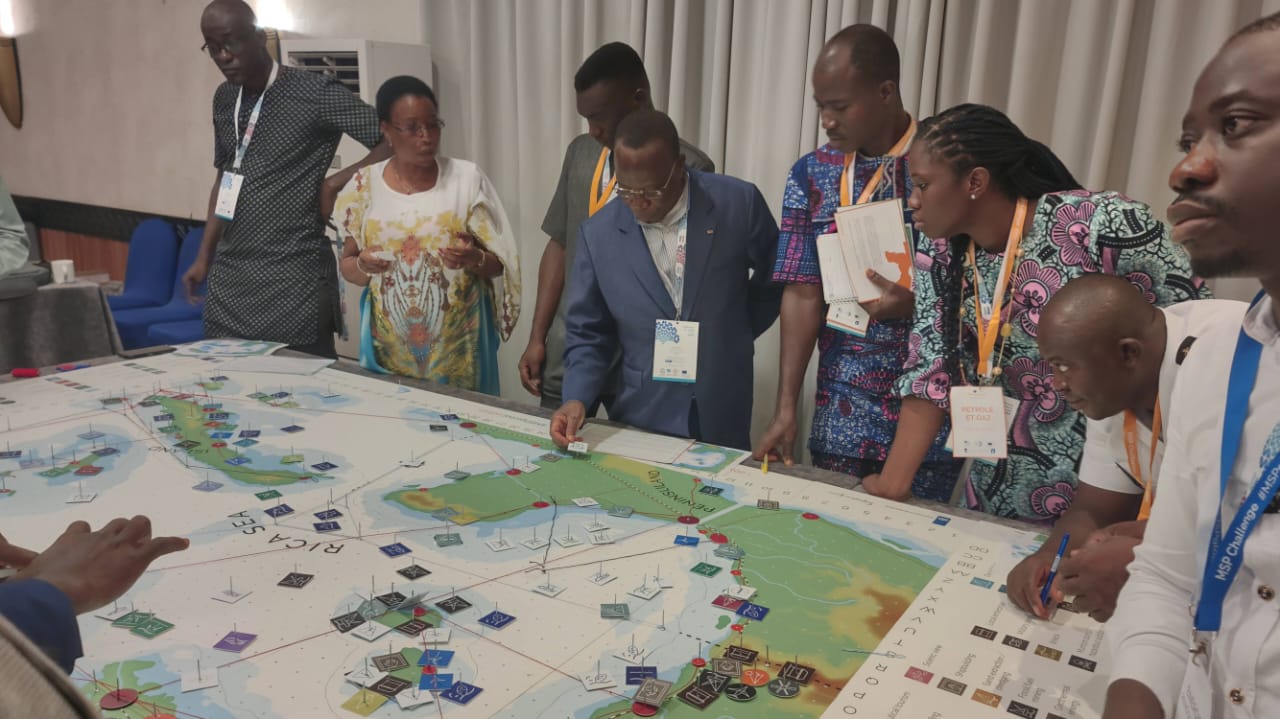
In addition, the MSP challenge board game was played as an essential hands-on part of all MSPglobal trainings to teach the complex relations between marine-related activities and MSP.
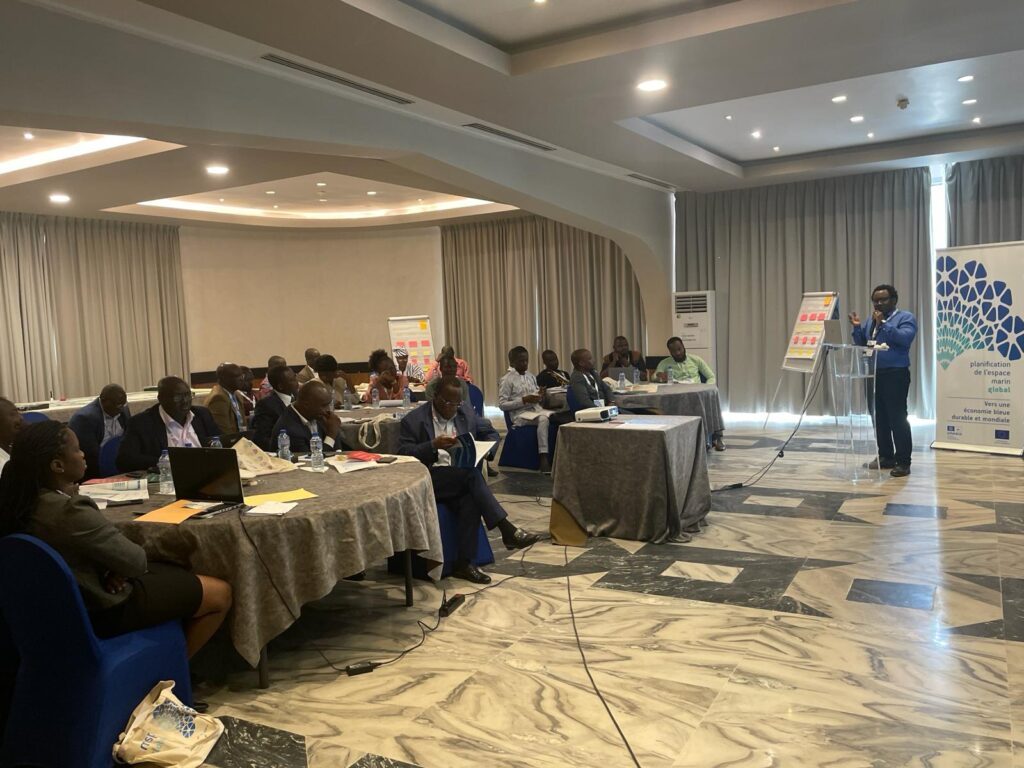

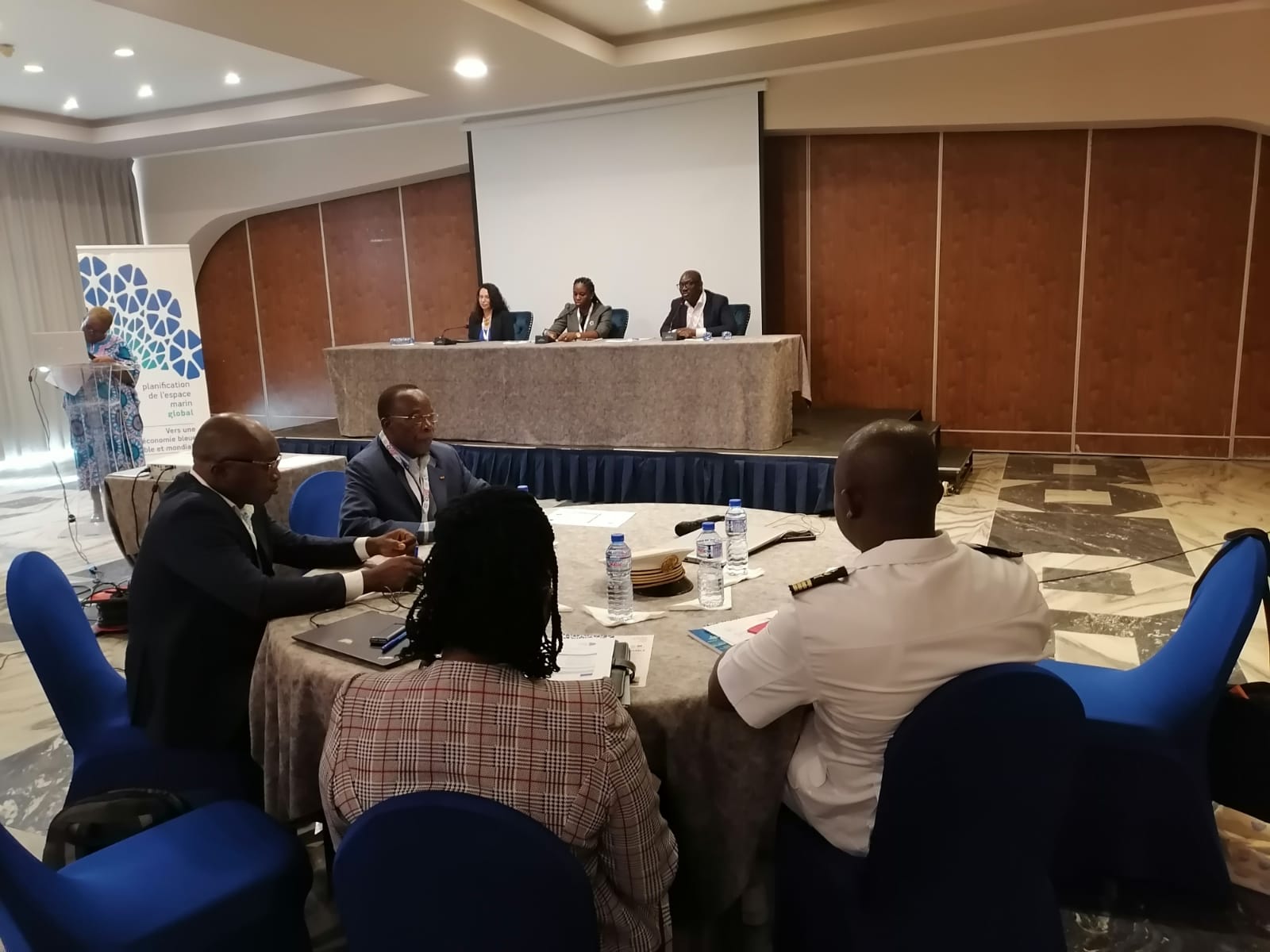
Group discussion on Transboundary MSP
The important topic of transboundary MSP was put at the center of attention during individual group discussions moderated by Prof. Gabriel Hoinsoude Segniagbeto from the University of Lomé, the National Focal Point of the IOC-UNESCO and MSPglobal 2.0.
On the one hand, at the forefront of the list of challenges were the diversity of cultures and beliefs, the poor knowledge of the sea and transboundary dimensions, the States’ sovereignty and delimitation of maritime boundaries, the lack of capacities, as well as piracy, pollution, and climate threats.
On the other hand, the existence of shared transboundary resources and Marine Protected Areas (MPAs), as well as the growing trend of transboundary coastal and marine initiatives such as the WACA and MAMI WATA projects in West Africa were mentioned to bring about tangible opportunities for the implementation of transboundary MSP.
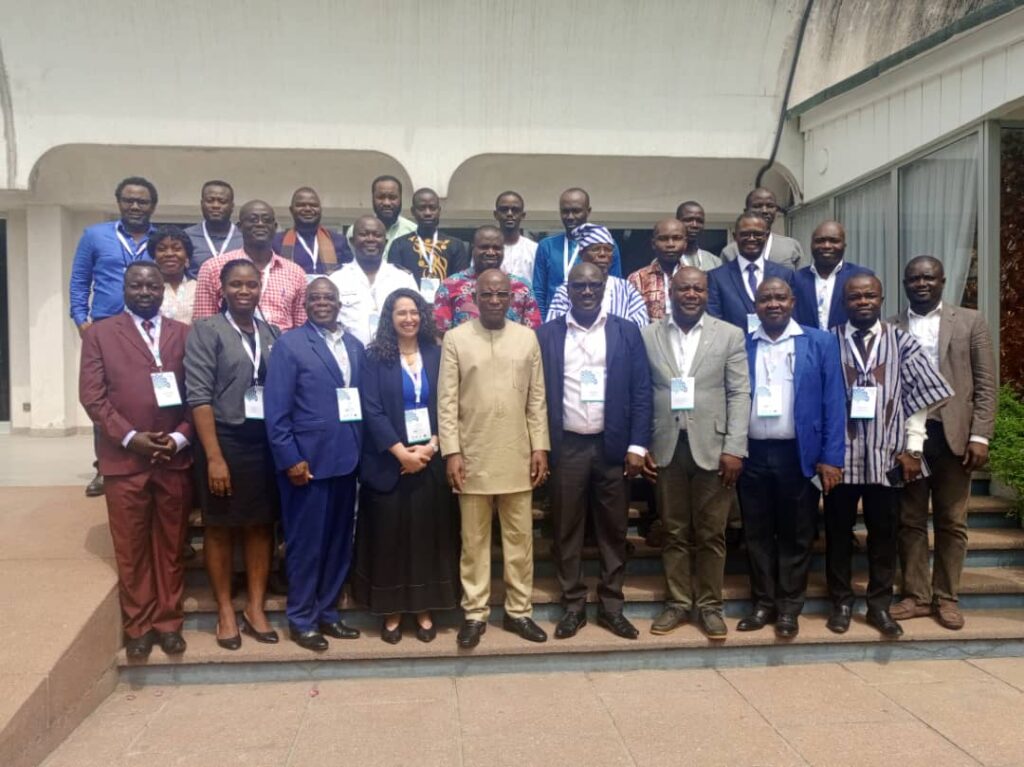
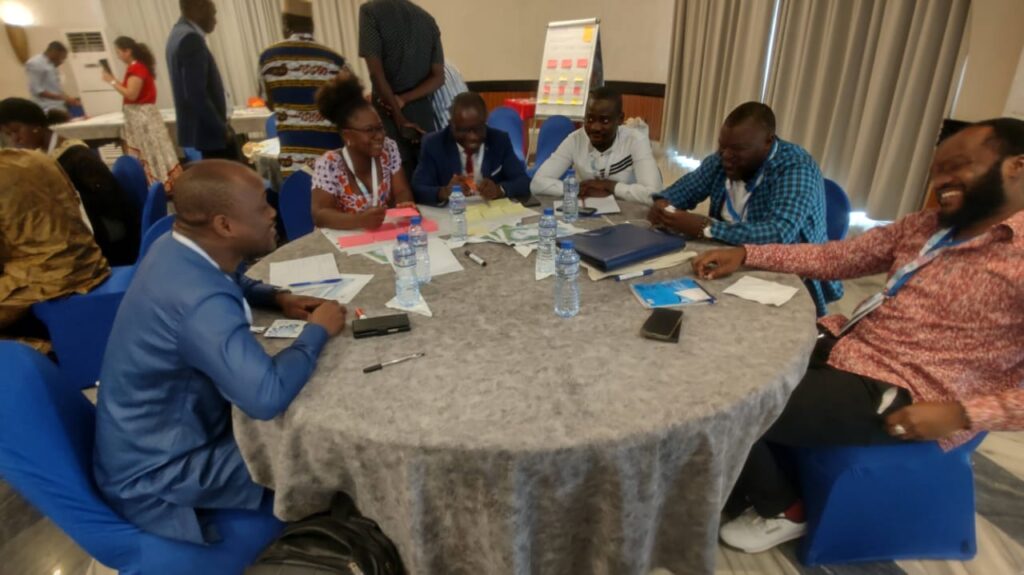
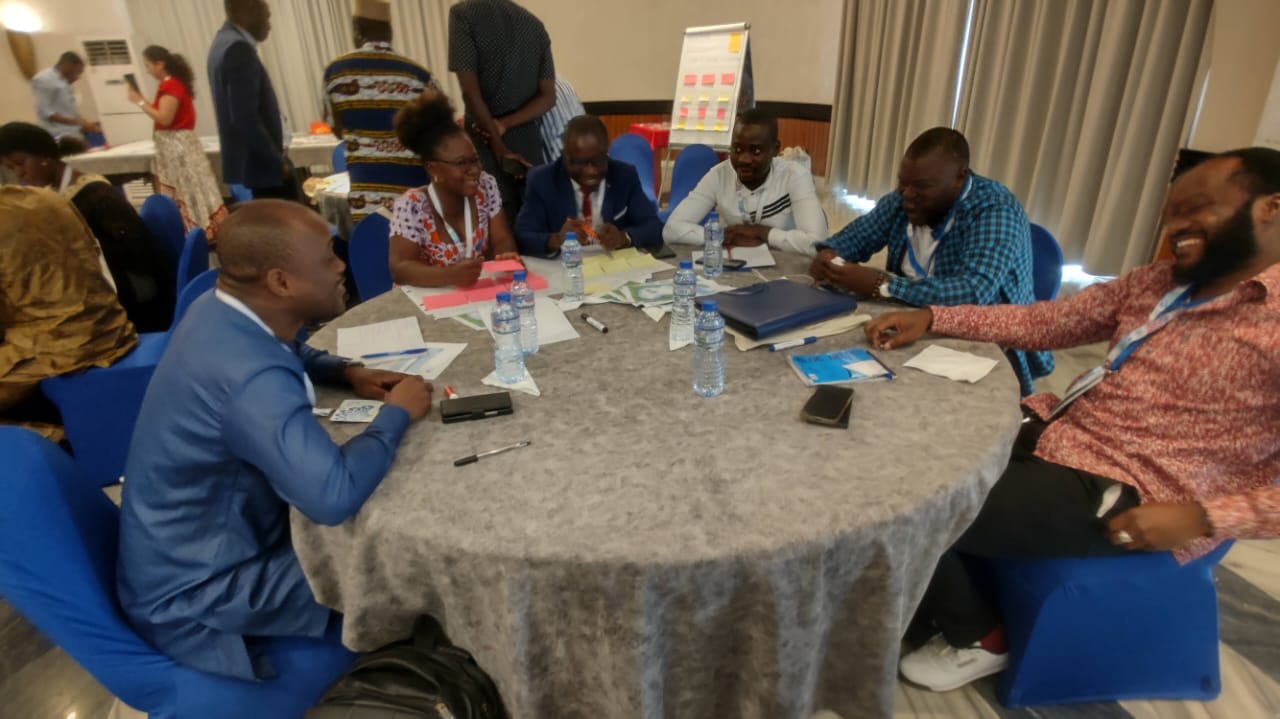
Group discussion on MSP priorities and stakeholders in Togo
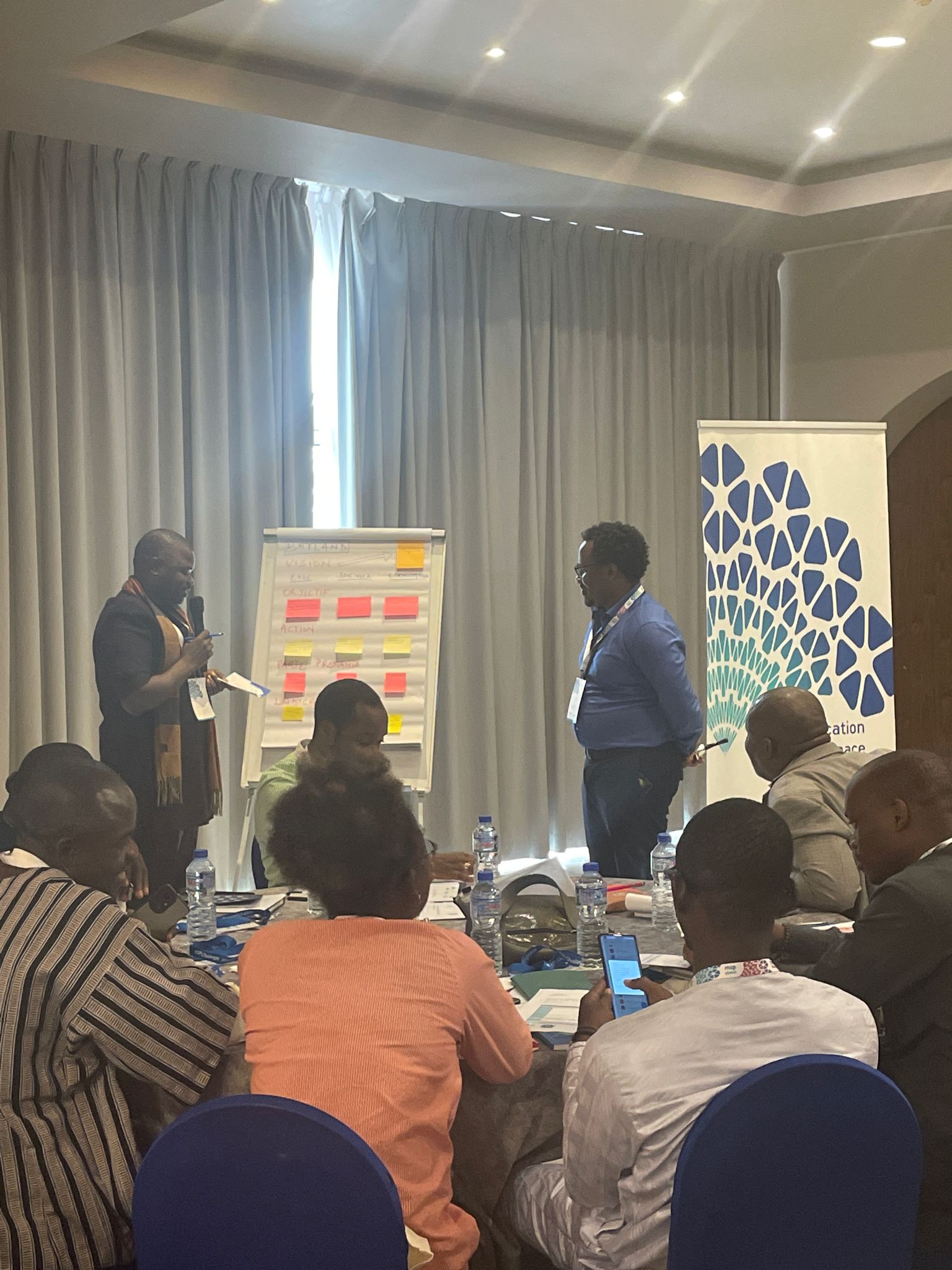
Another highlight was the final group discussion on MSP priorities in Togo and the involvement of stakeholders, also moderated by Prof. Gabriel Hoinsoude Segniagbeto. The groups also discussed which thematic working groups to set up to accelerate MSP in the country.
Following the discussions, a priority for Togo is the operationalisation of the coastal law “Loi sur le littoral” and the implementation of the adopted coastal master plan, to help guide all potential coastal and marine actors.
Future MSPglobal activities after this event include a workshop to develop a national action plan to advance MSP as part of the MSPglobal Rapid Assessment Methodology that is under development for four beneficiary countries of the pilot project: Ghana, Togo, Benin, and Côte d’Ivoire.





DOCUMENTS:
- Agenda
- Introduction to MSP
- How to set the scene and design the MSP process
- An inclusive and participatory approach for MSP
- Data and assessments for MSP
- Transboundary cooperation on MSP
- MSP & Sustainable Blue Economy
- Climate-smart MSP
- MSP & Marine Protection and Restoration
- Hands-on: MSP Challenge board game
NEWS ABOUT THE TRAINING ON NATIONAL MEDIA:
- Télévision Togolaise 20H du 01 fevrier 2024
- Matin Libre Togo: Economie bleue – Le HCM outille les acteurs pour un meilleur processus de la Planification Spatiale Marine
- Agroclimatique: Planification spatiale marine du Togo : Des experts mieux outillés à Lomé
RELATED LINKS:
CONTACT:
MSPglobal.comm@unesco.org