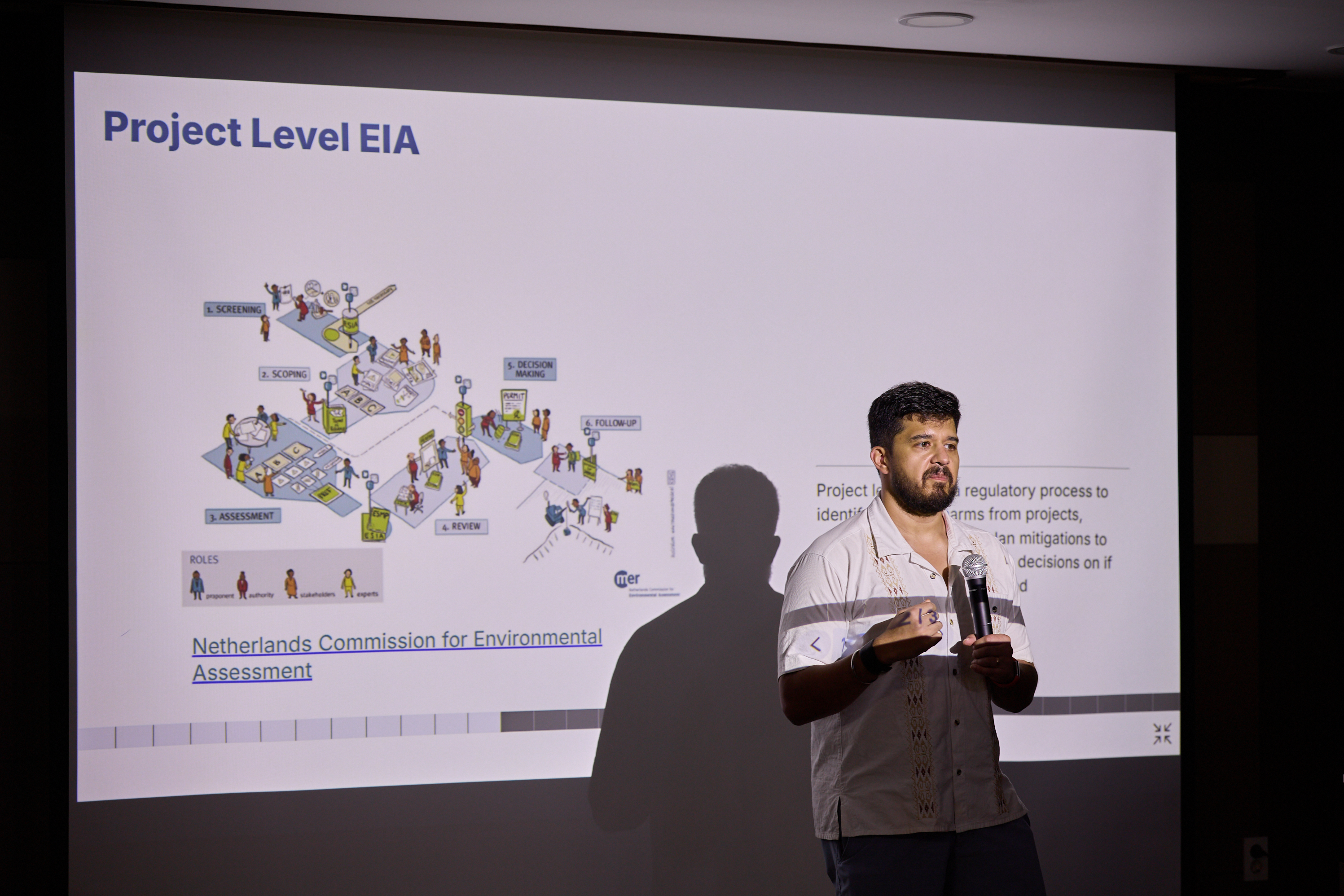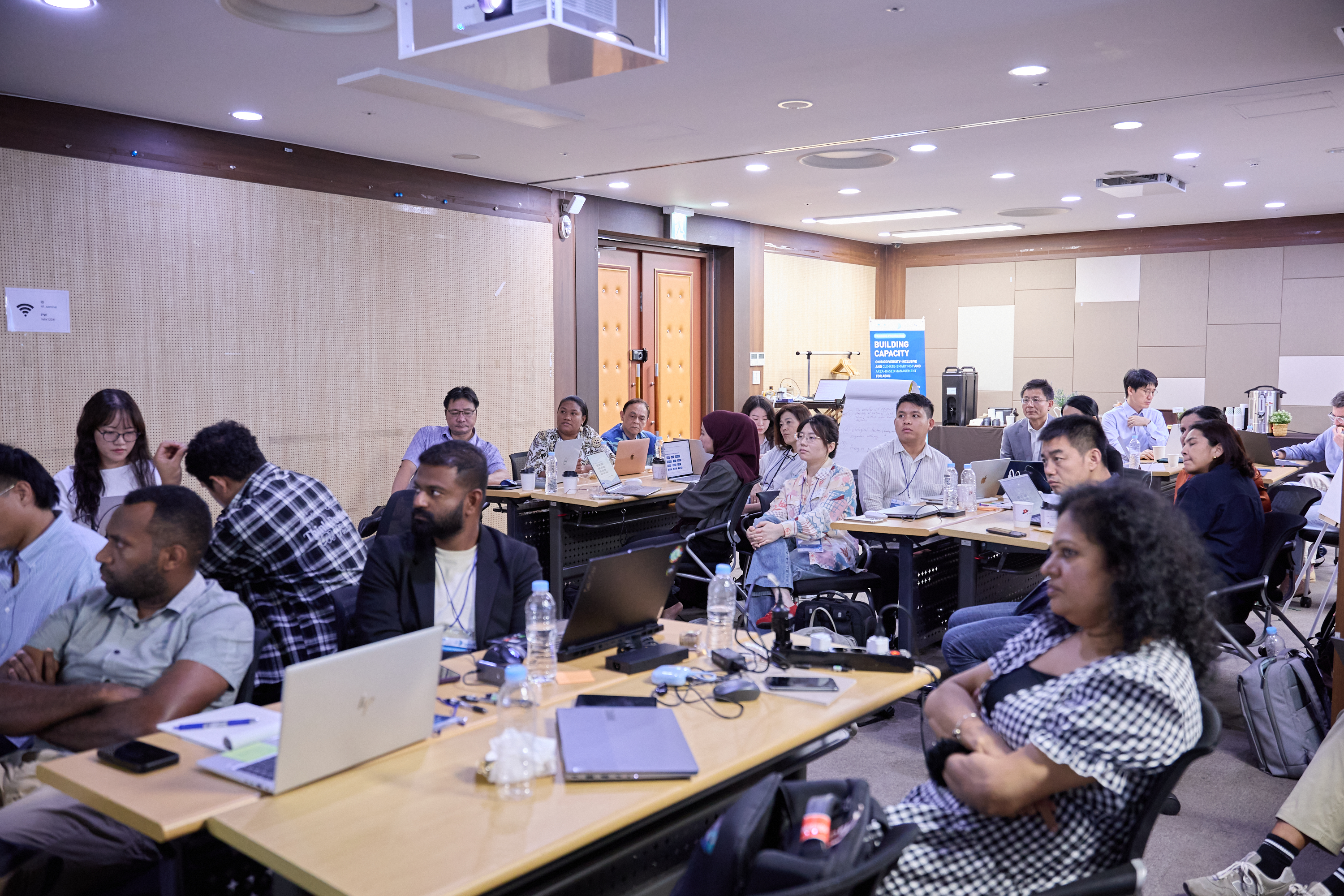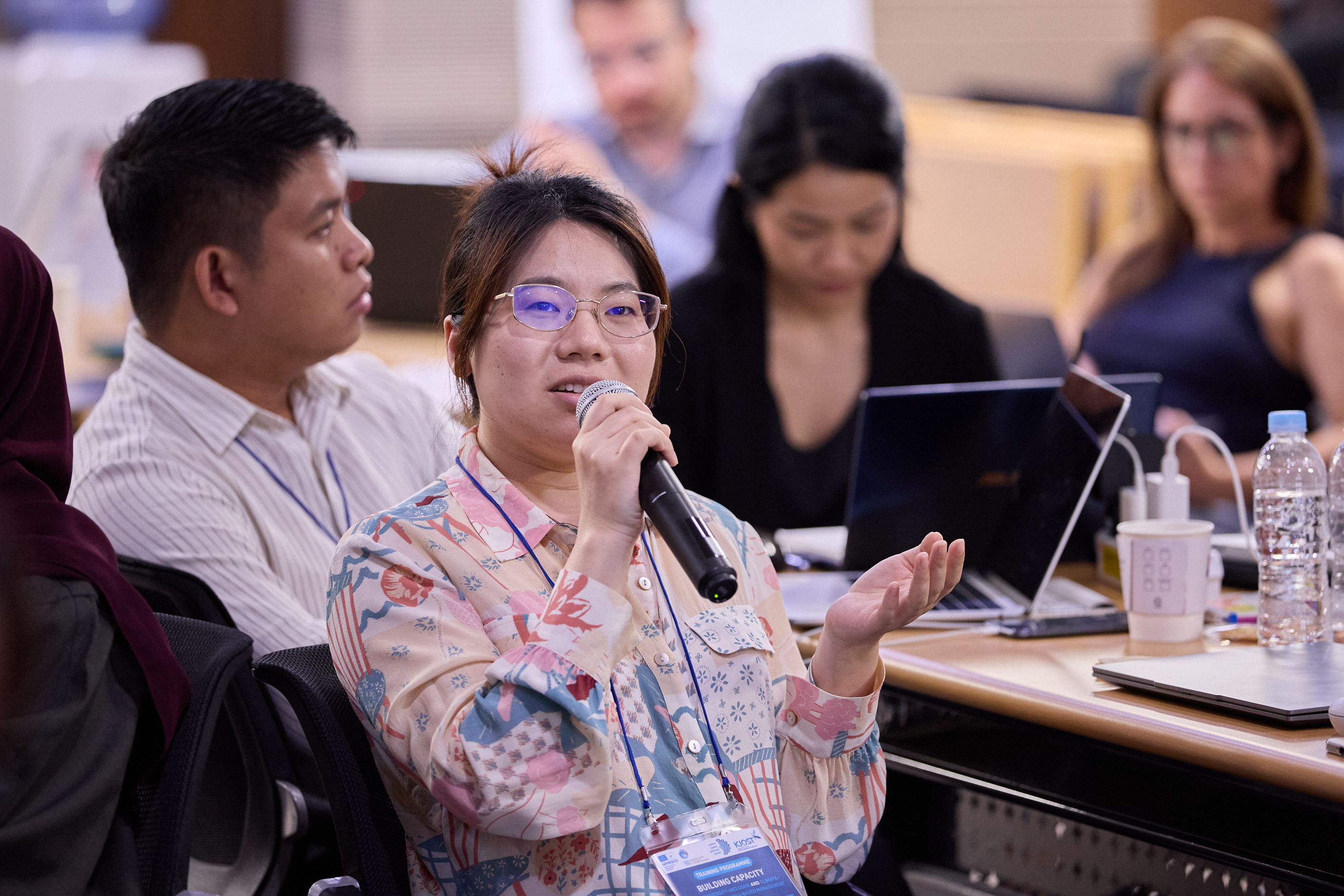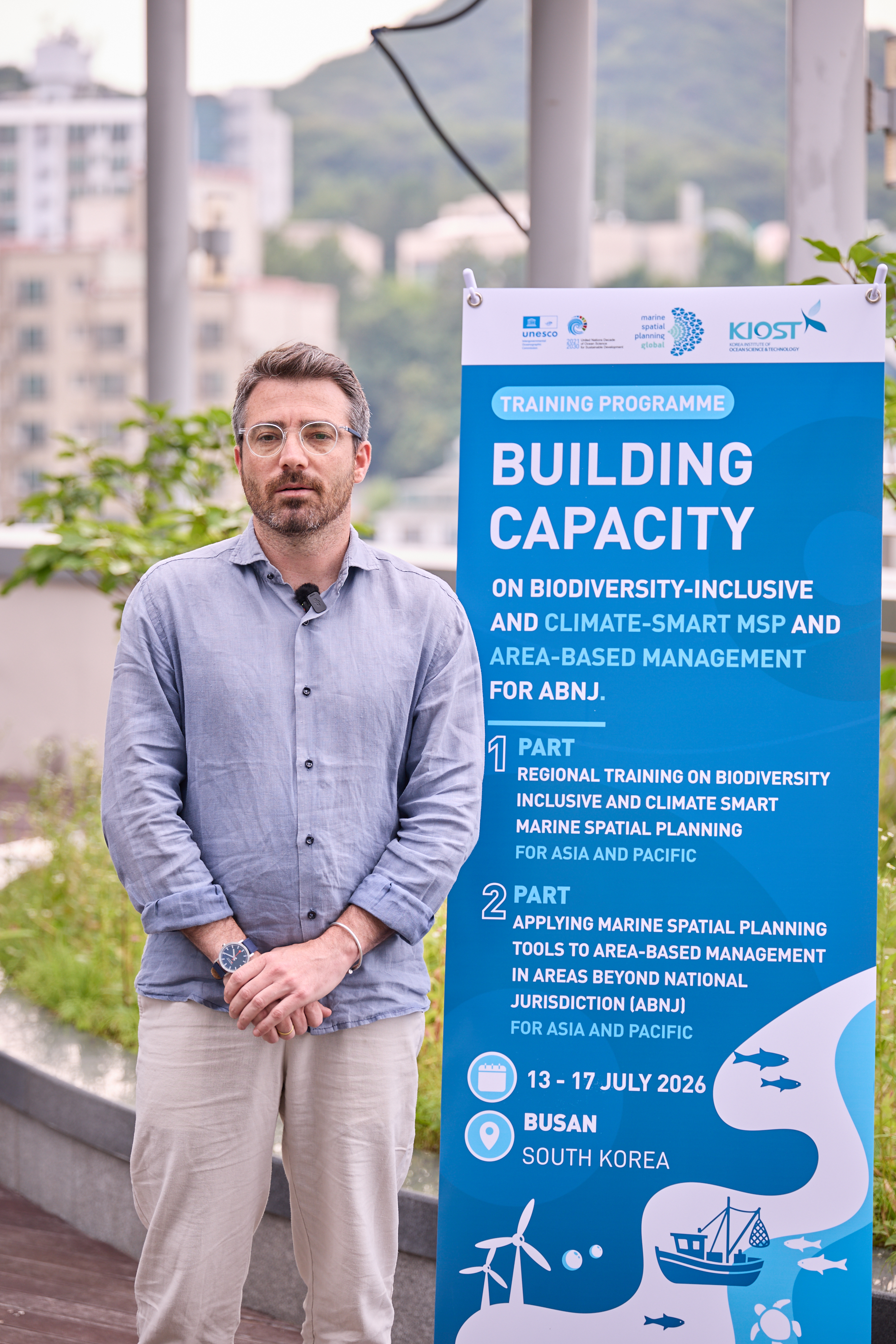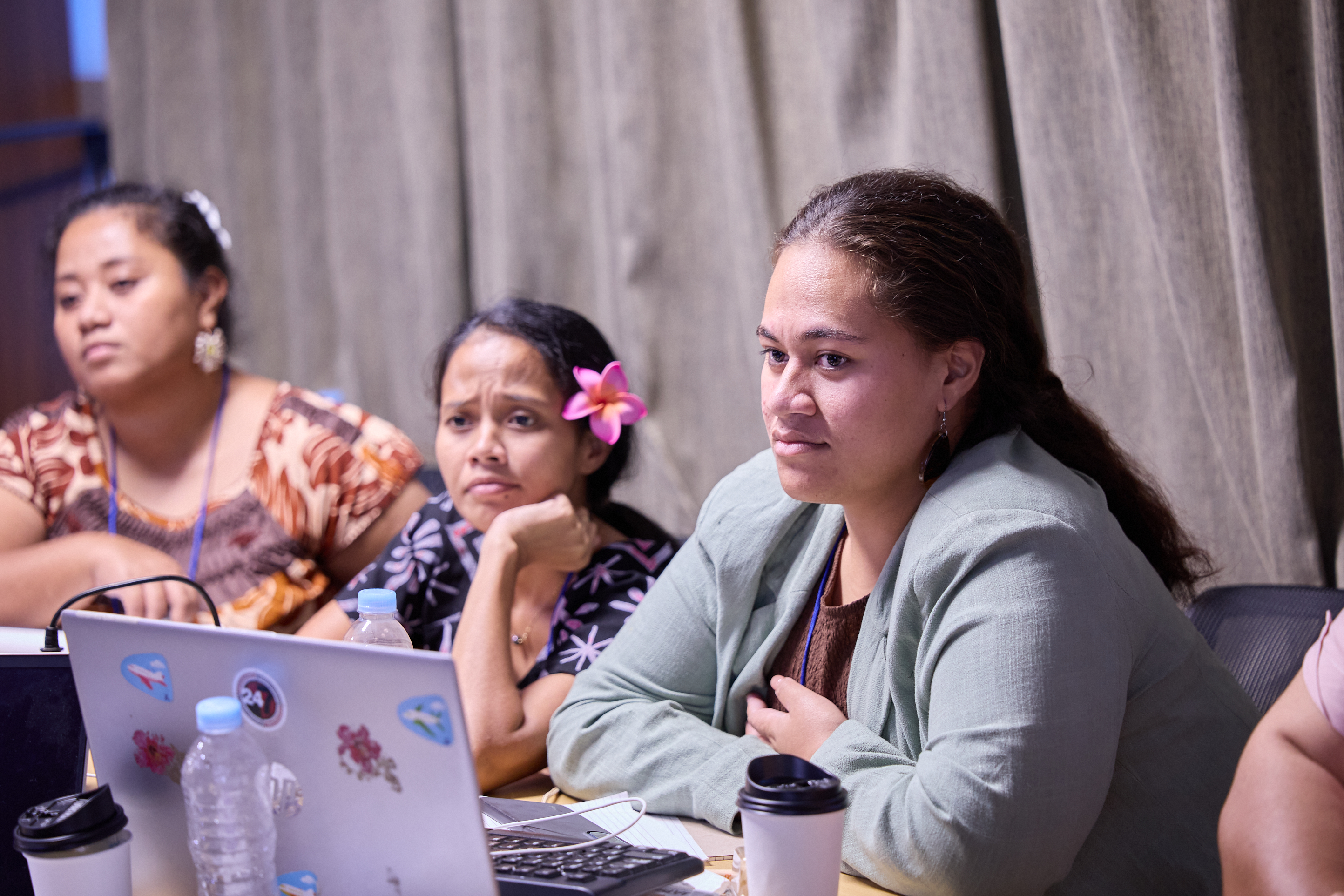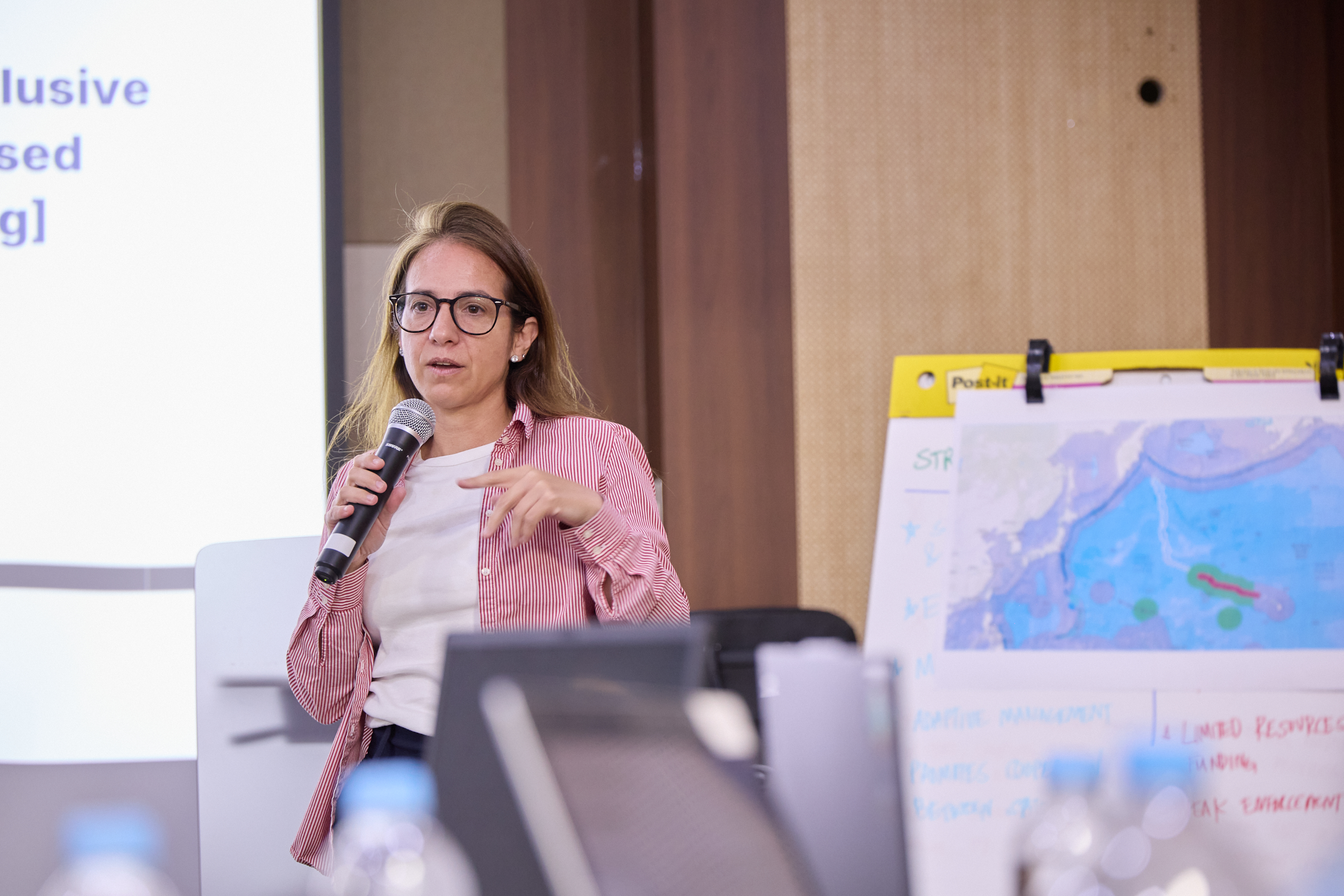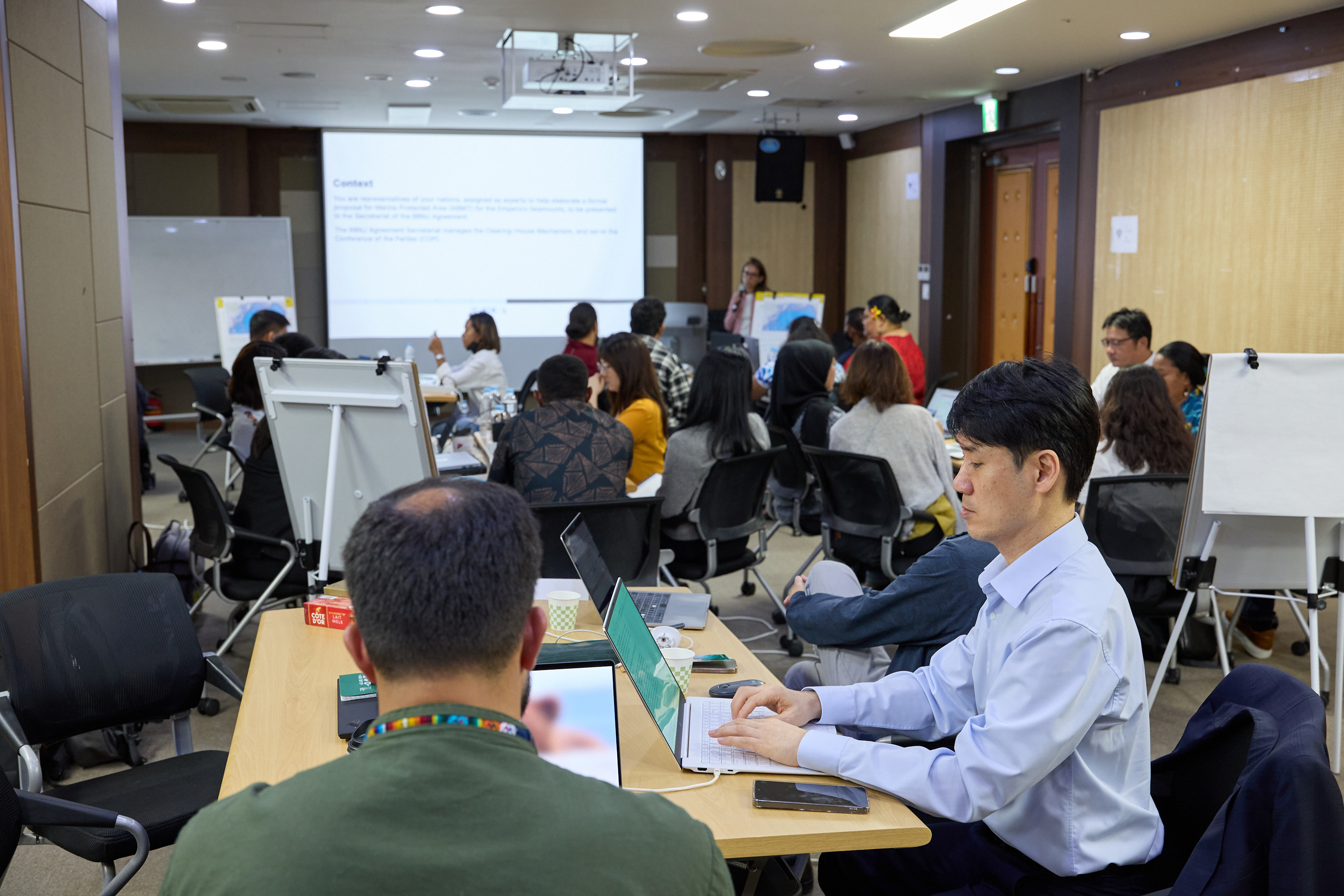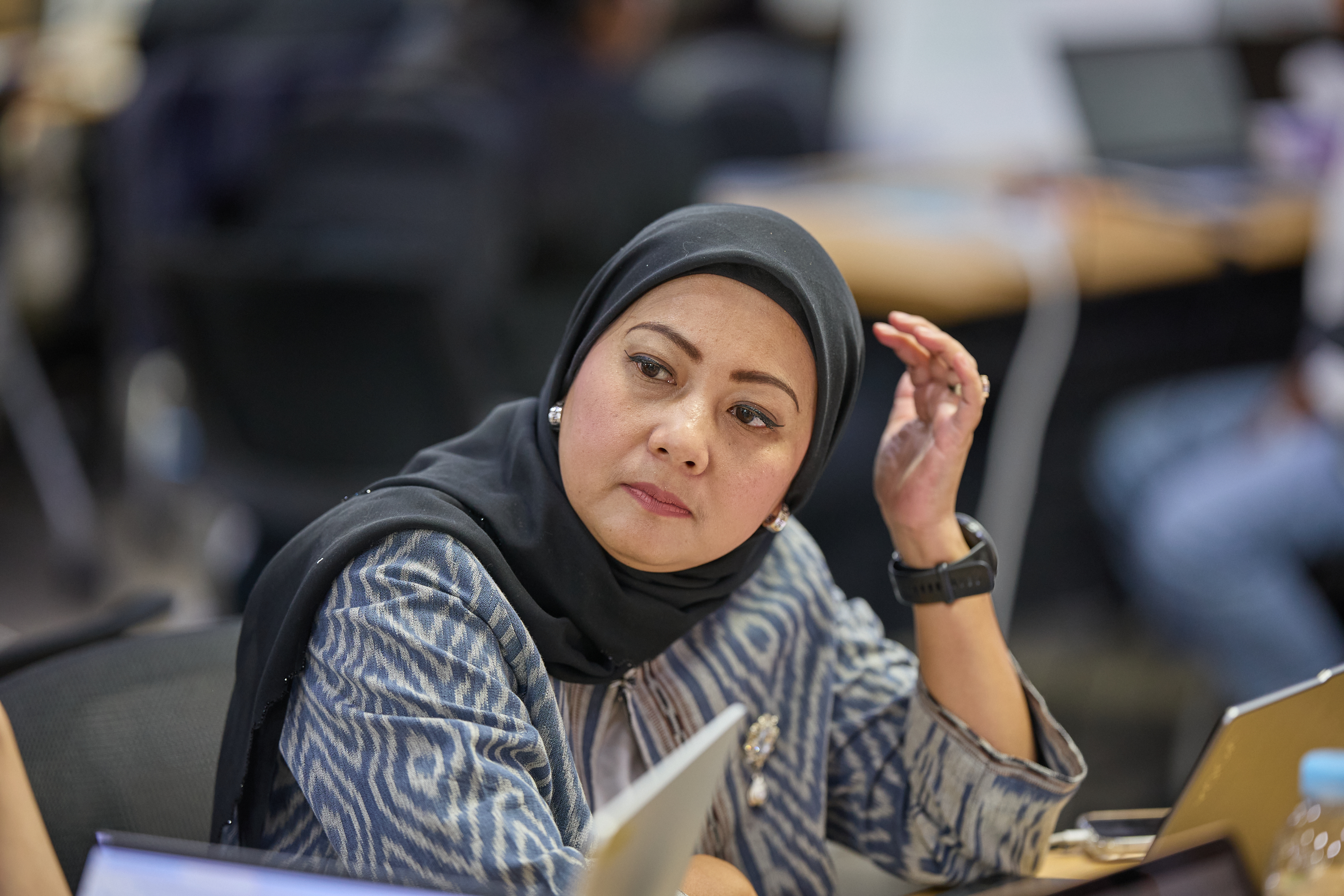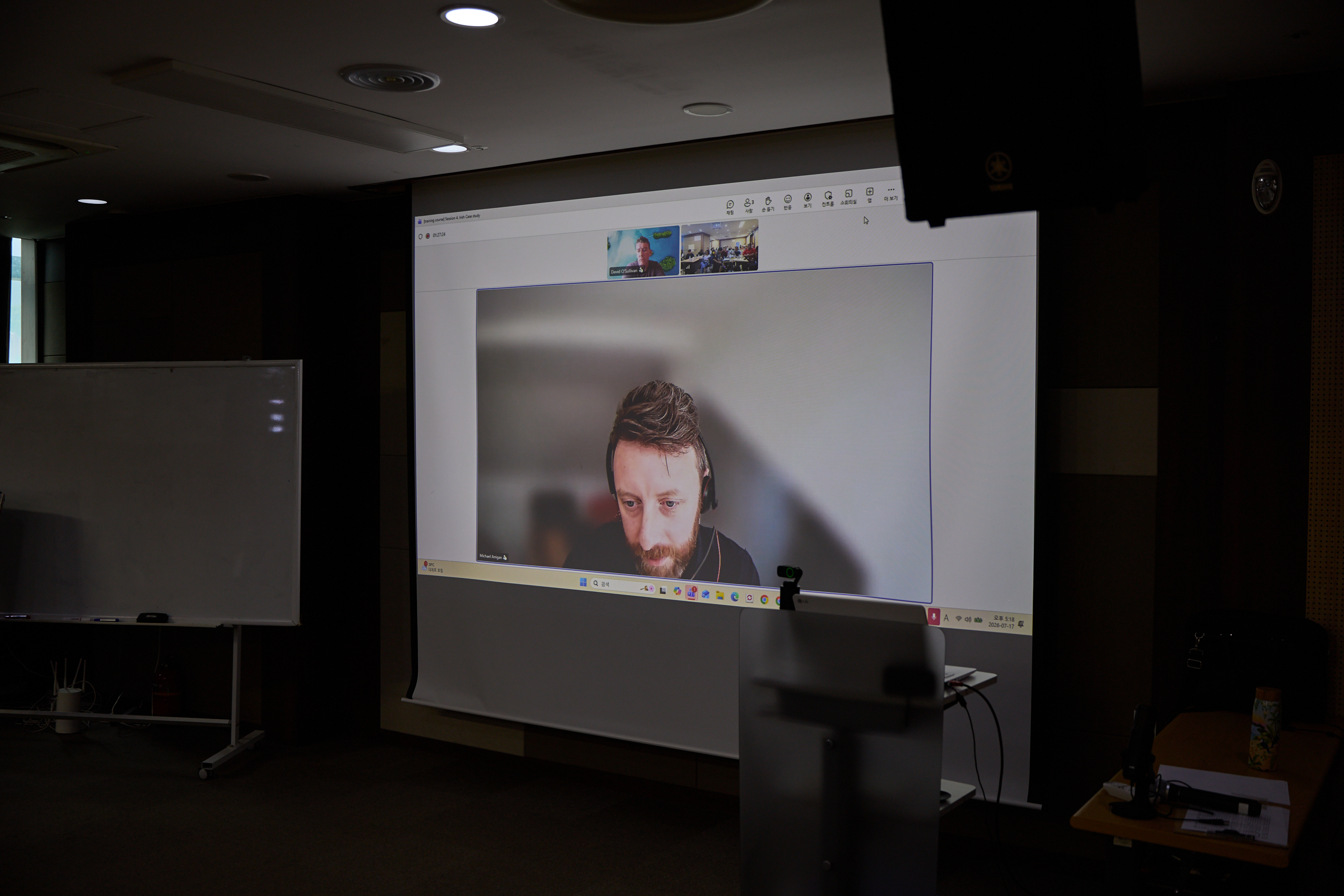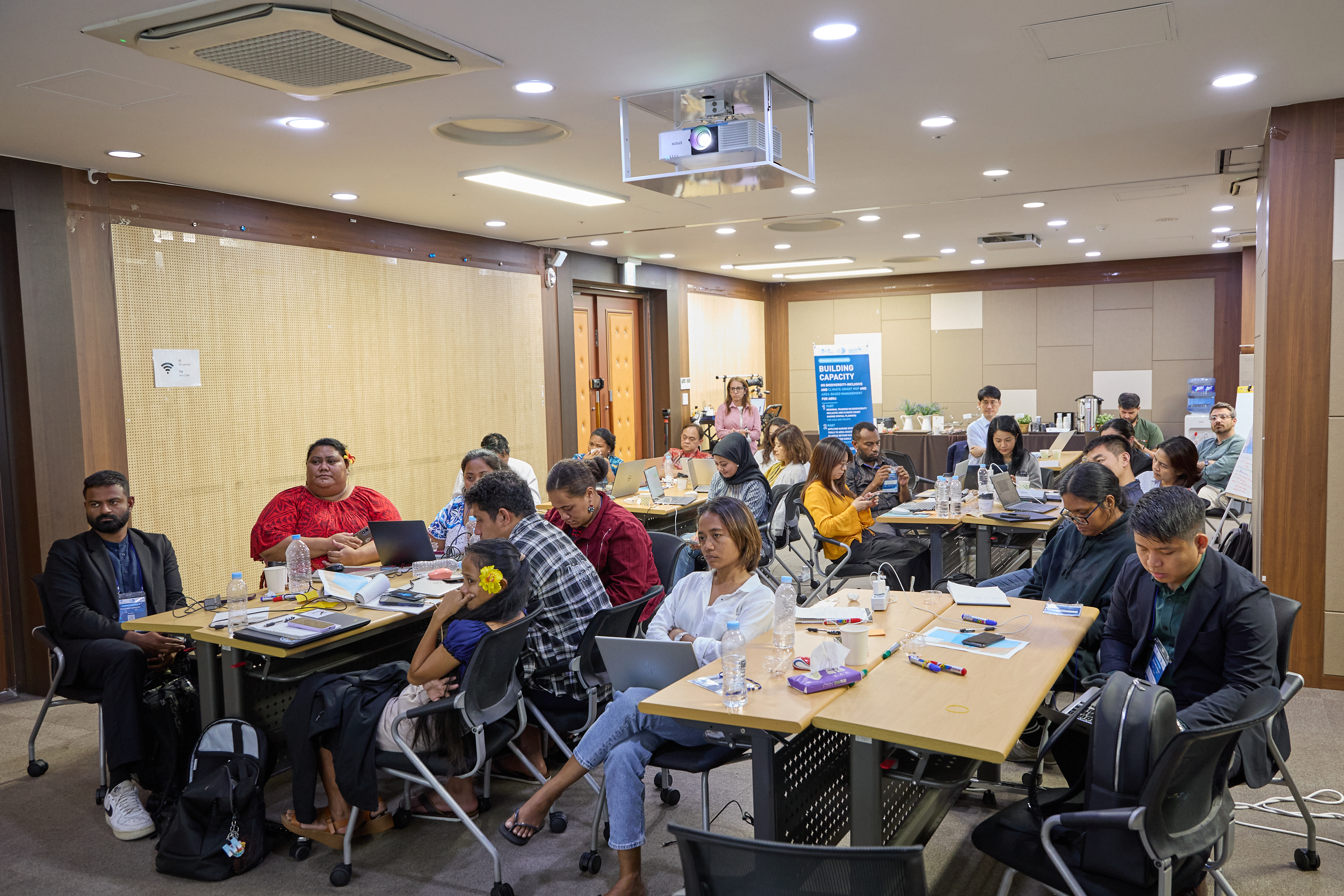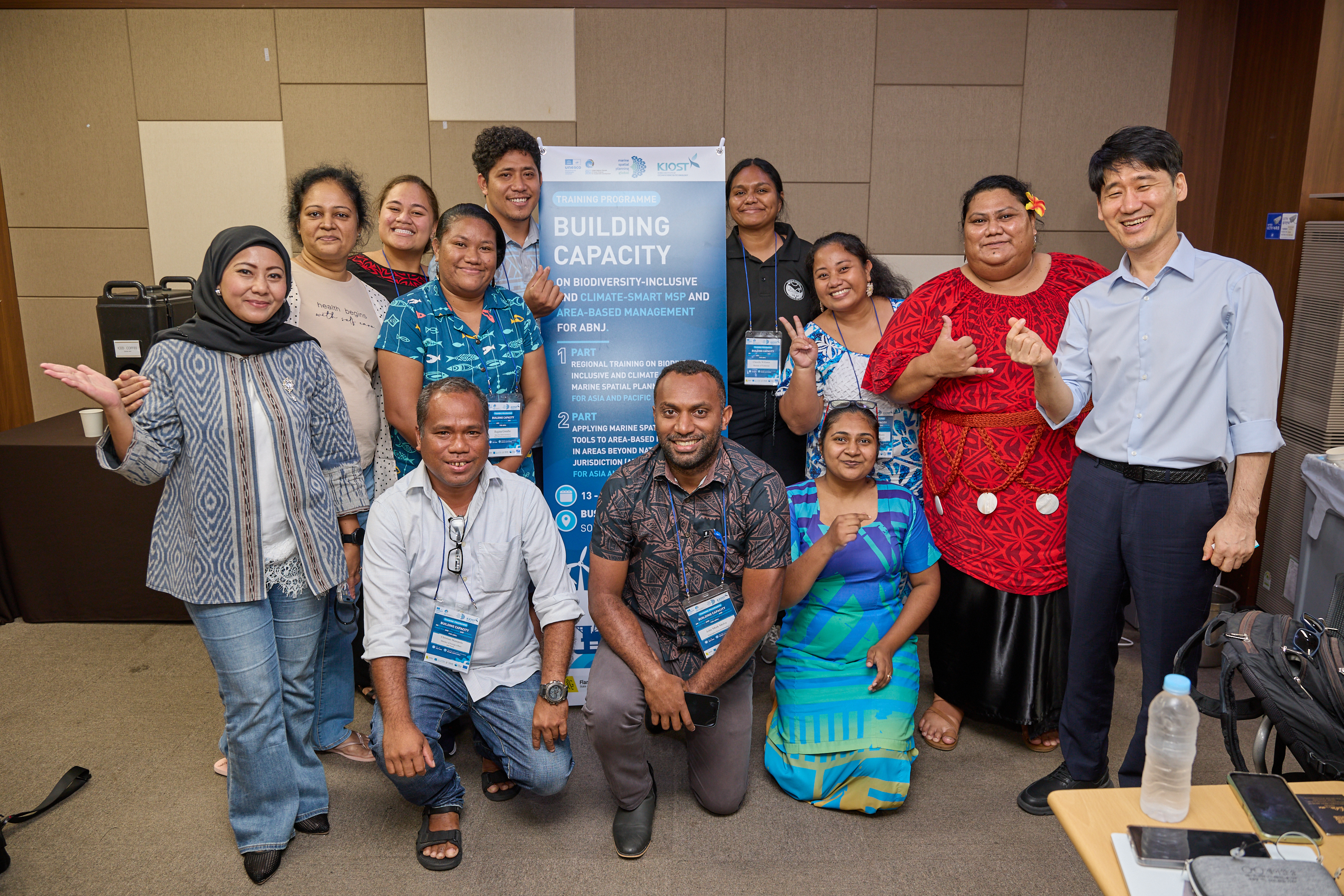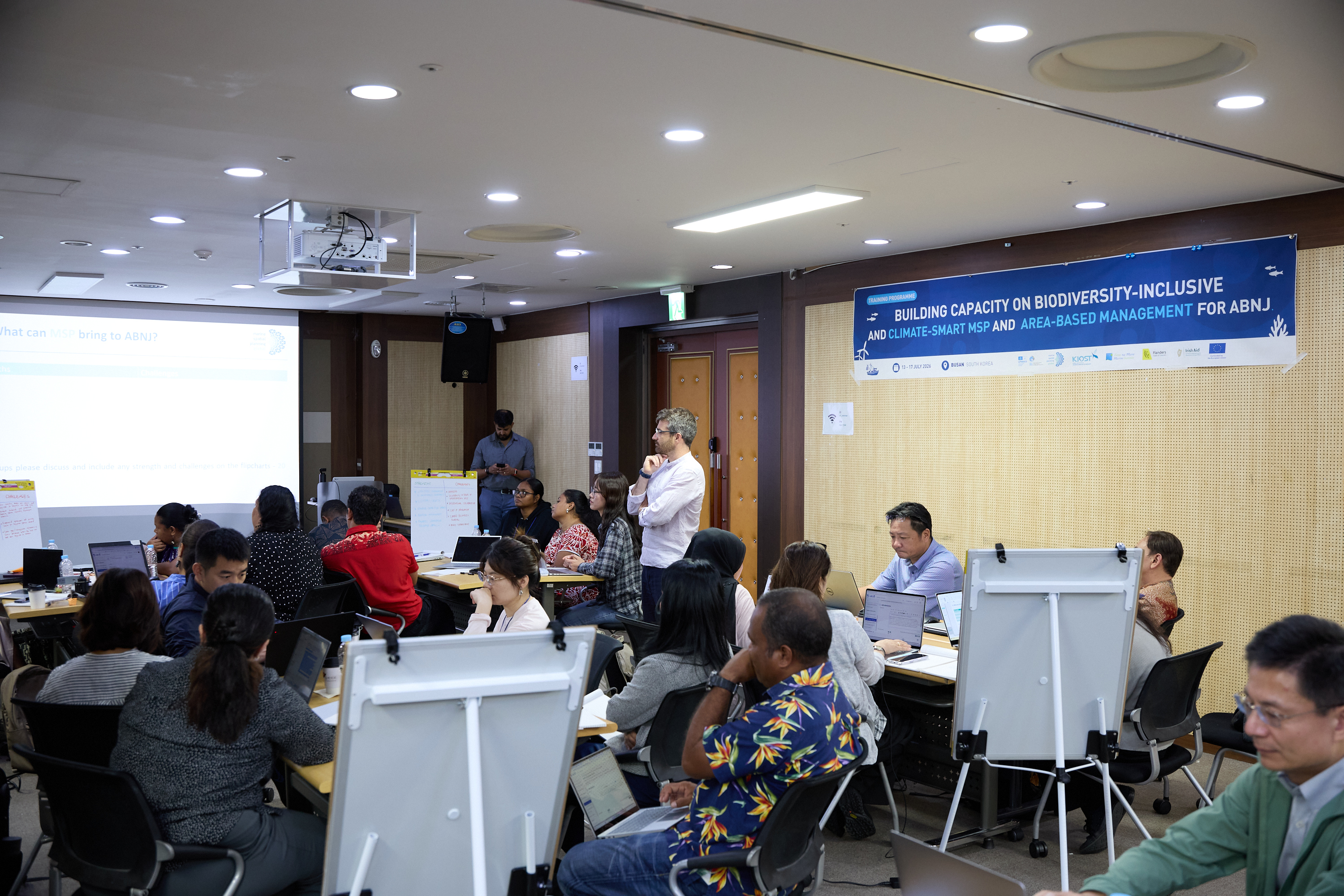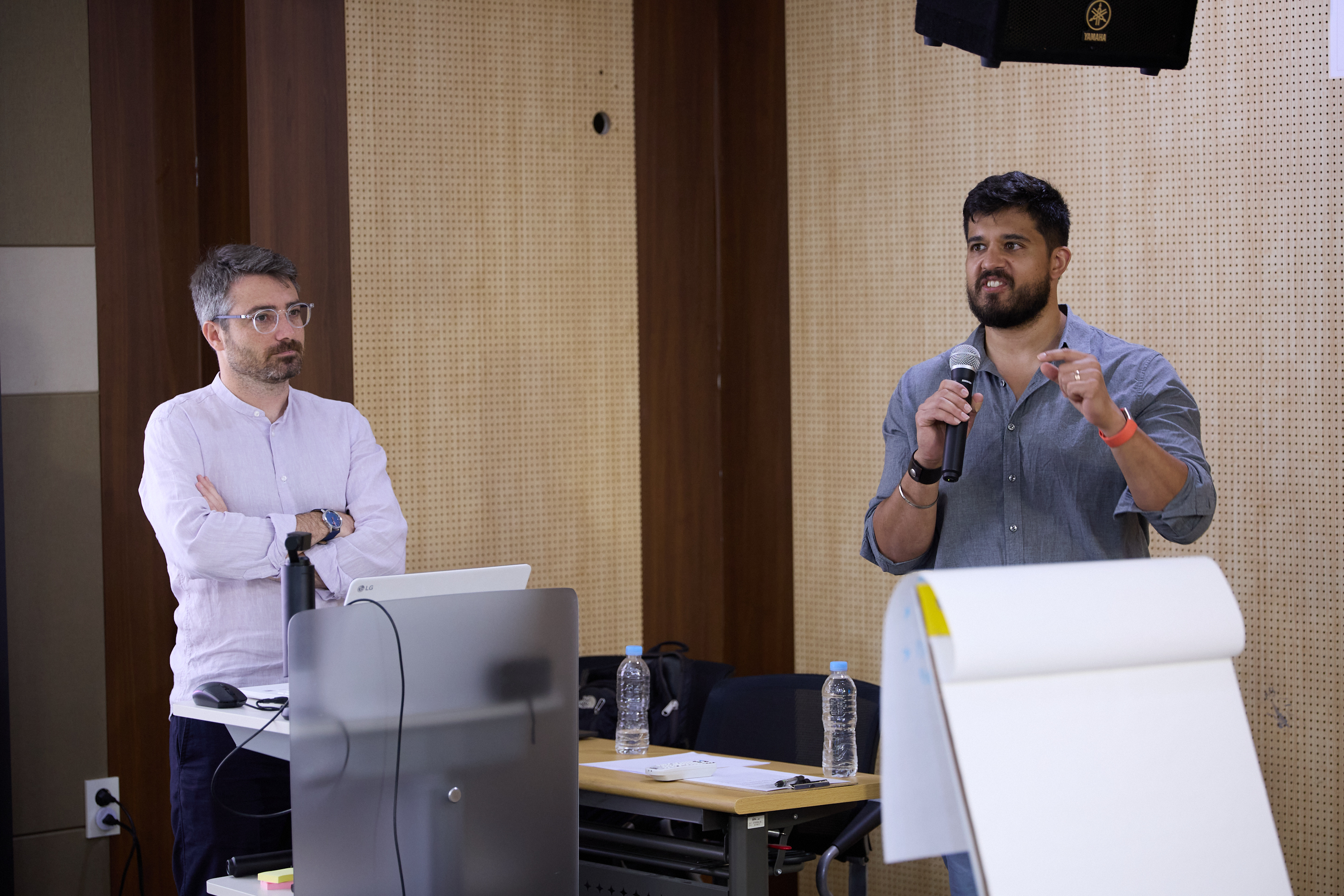


Practitioners, experts, and decision-makers from across Asia and the Pacific came together in Busan, Republic of Korea for a five-day training that connected biodiversity inclusive and climate-smart Marine Spatial Planning with area-based management in Areas Beyond National Jurisdiction (ABNJ), strengthening capacity to plan for a changing ocean across national and international waters.
From 13 to 17 July 2026, the IOC of UNESCO, through its MSPglobal Programme, the OceanTeacher Global Academy (OTGA), the IOC Sub-Commission for the Western Pacific (WESTPAC) and the Ocean Decade Capacity Development Facility (CDF) in collaboration with the Korea Institute of Ocean Science and Technology (KIOST) and the Irish Marine Institute, brought together regional practitioners for an intensive five-day training on biodiversity inclusive and climate-smart Marine Spatial Planning (MSP) and area-based management in Areas Beyond National Jurisdiction (ABNJ).
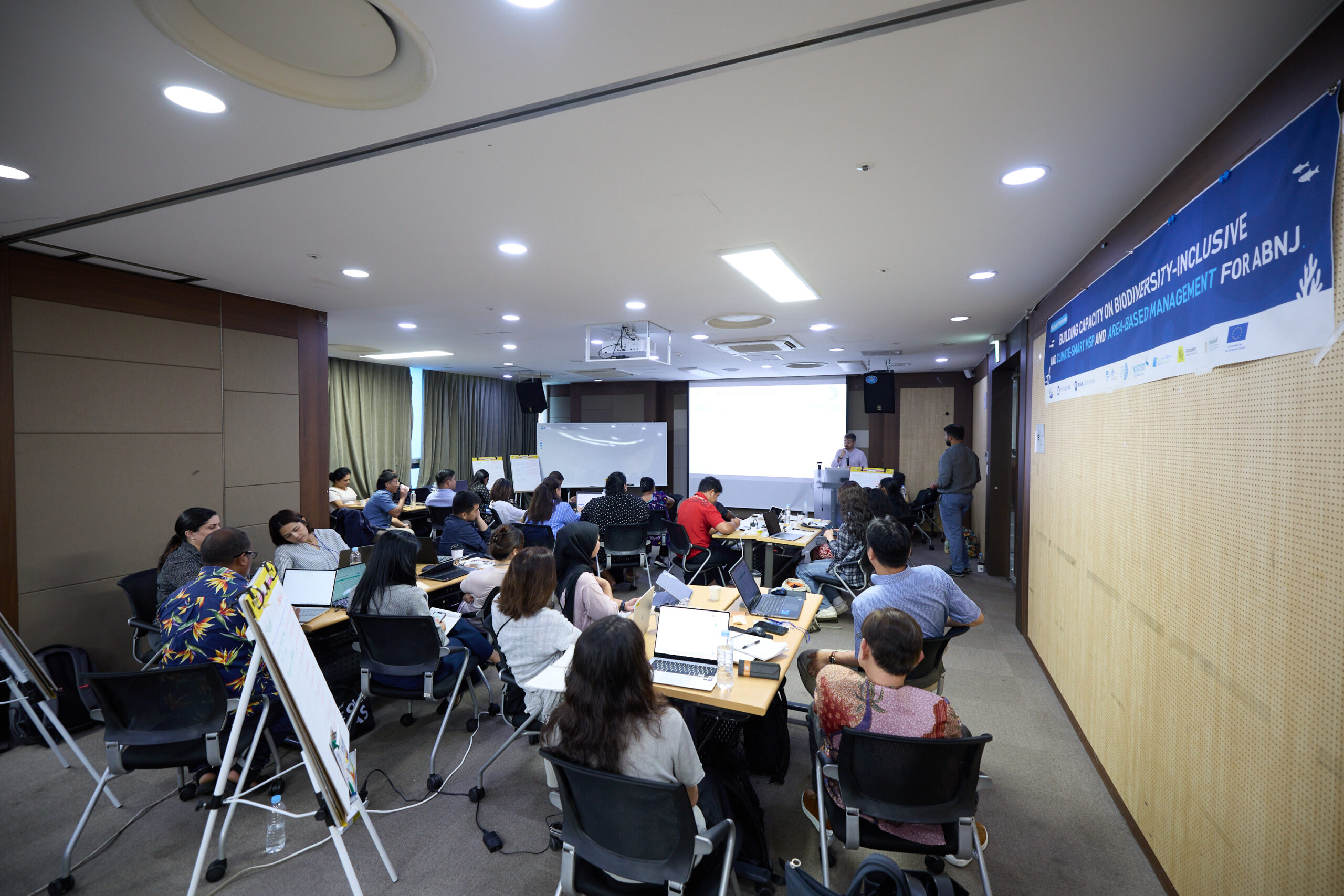

The five-day programme was divided into two complementary training components. Part 1 focusing on supporting the development of biodiversity inclusive and climate-smart Marine Spatial Planning for Asia and the Pacific, while Part 2 focusing on the frameworks and practical knowledge needed to design proposals of Area-Based Management Tools (ABMTs) in Areas Beyond National Jurisdiction under the BBNJ Agreement.
The training built on the MSPglobal International Guide on Marine/Maritime Spatial Planning and its complementary guidance on the biodiversity inclusive and climate-smart principles. These resources provide practical recommendations for integrating biodiversity conservation, climate adaptation and mitigation, ecosystem-based approaches and adaptive management into MSP processes.
Putting biodiversity and climate at the heart of Marine Spatial Planning
The first part of the training, held on 13 and 14 July, focused on how biodiversity and climate considerations can be integrated throughout the MSP process.
After taking the Online MSPglobal course on Biodiversity Inclusive and Climate-Smart Marine/Maritime Spatial Planning (MSP) participants explored the links between marine ecosystems, climate change, and nature-based solutions, examining the ecosystem-based approach as an operational foundation for MSP. They also considered how MSP can align with biodiversity and climate policy frameworks while addressing inclusion, rights, and different forms of knowledge in the planning process.
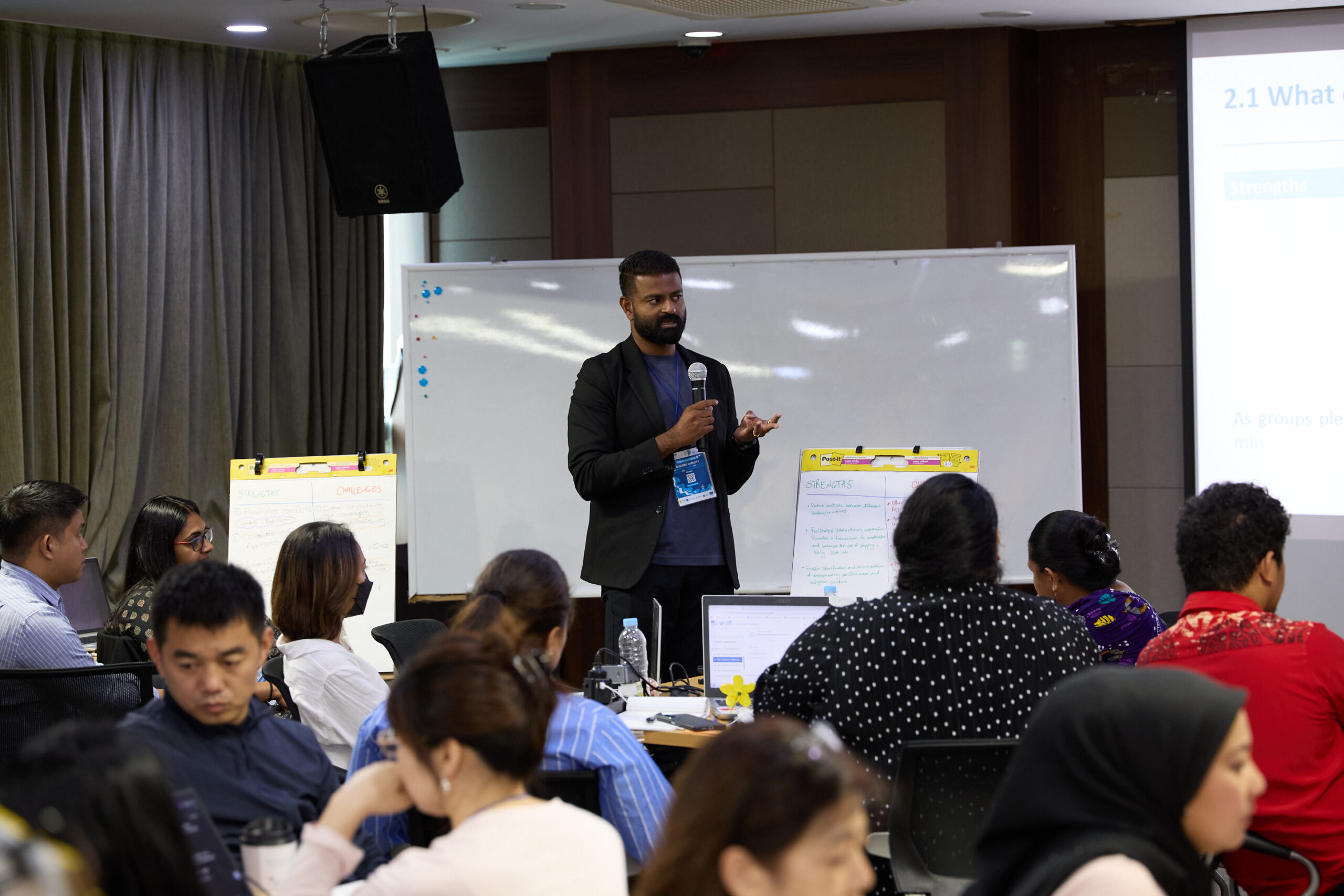
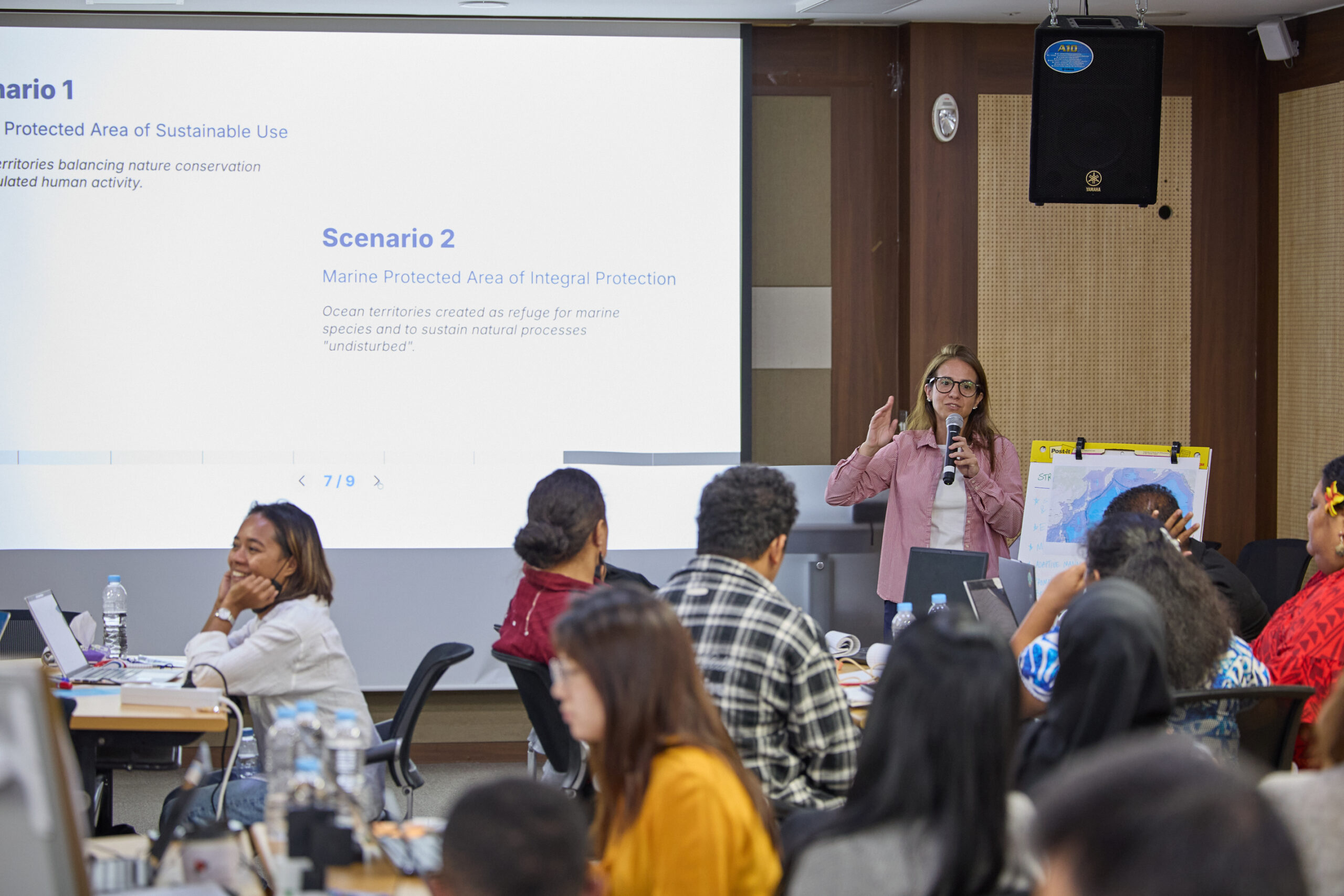
Rather than focusing solely on concepts, the training placed strong emphasis on practical application. Participants worked throughout the MSP cycle, from framing the planning context and establishing objectives to assessing ecosystems and climate risks, developing spatial strategies, implementation, monitoring and adaptive management.
A simulated MSP process gave participants the opportunity to work in multidisciplinary teams and consider ecological sensitivities, climate risks, cumulative impacts, spatial trade-offs, and governance options. The exercise also highlighted the importance of communication and stakeholder engagement in building long-term support for marine spatial plans.
Taking marine planning beyond national boundaries
The second part of the training, held from 15 to 17 July, extended these concepts into Areas Beyond National Jurisdiction (ABNJ), where ocean governance involves different legal frameworks, institutions, knowledge systems, and spatial scales.
The training introduced participants to the role of Area-Based Management Tools (ABMTs) under the BBNJ Agreement and explored how established MSP methodologies, experiences and processes can contribute to their development. Participants examined how biodiversity, climate and equity considerations can be incorporated into planning approaches in ABNJ.

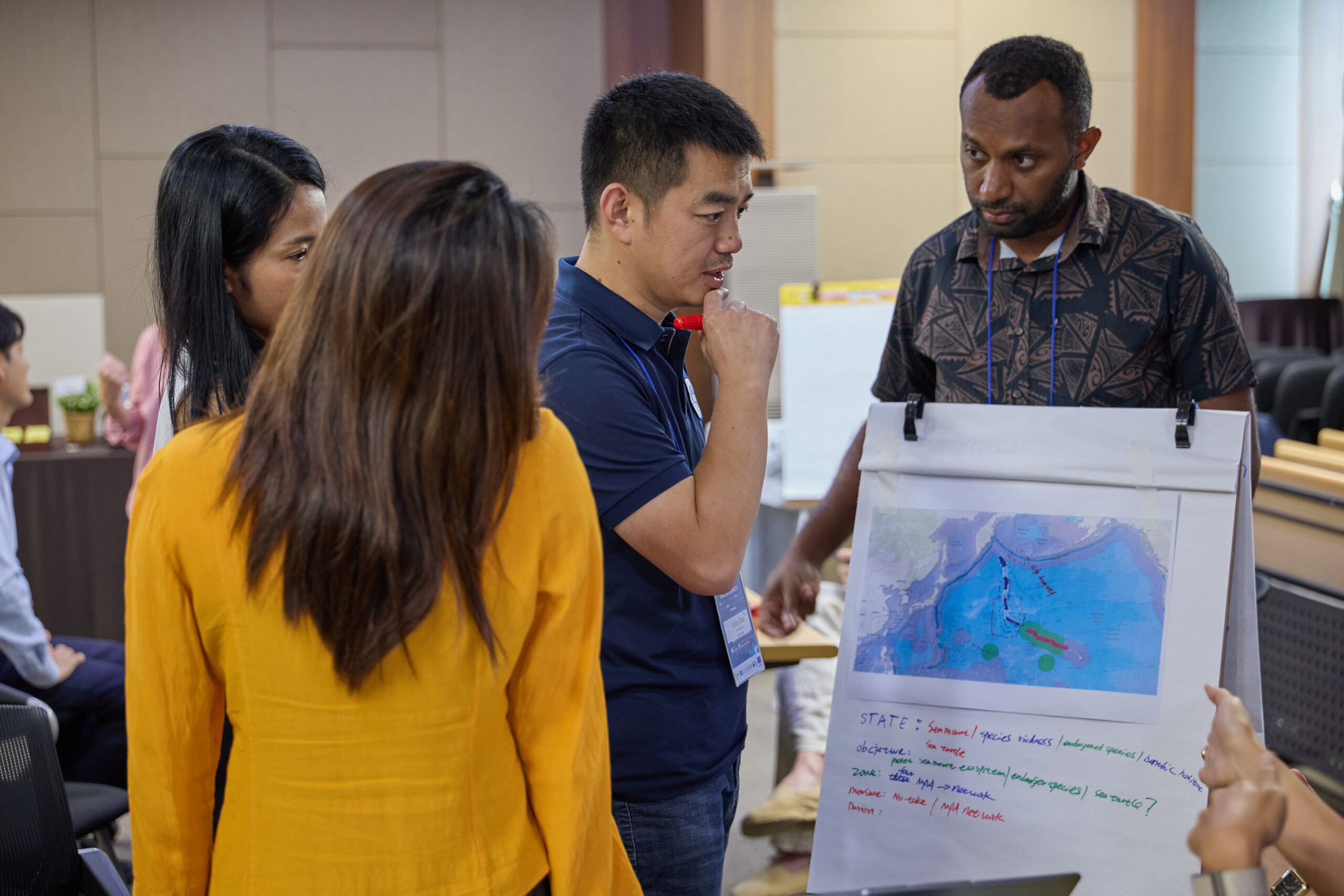
The sessions moved from understanding ABMTs requirements to building the scientific and spatial evidence needed to support proposals. Participants explored approaches including Key Biodiversity Areas (KBAs), Ecologically or Biologically Significant Marine Areas (EBSAs), Environmental Impact Assessments (EIAs) and Strategic Environmental Assessments (SEAs), as well as the role of monitoring and adaptive management.
Particular attention was given to the challenges of working with spatial data in ABNJ, including data gaps and uncertainty. Participants considered how global datasets on biodiversity, human activities, and climate can support spatial decision-making, while also examining how knowledge and rights of Indigenous Peoples and local communities (IPLCs) can contribute to planning processes.
Connecting knowledge, governance, and action
Across the five days, the training emphasized that effective ocean planning depends not only on technical tools and spatial data, but also on cooperation, inclusive governance, communication and the ability to adapt to changing conditions.
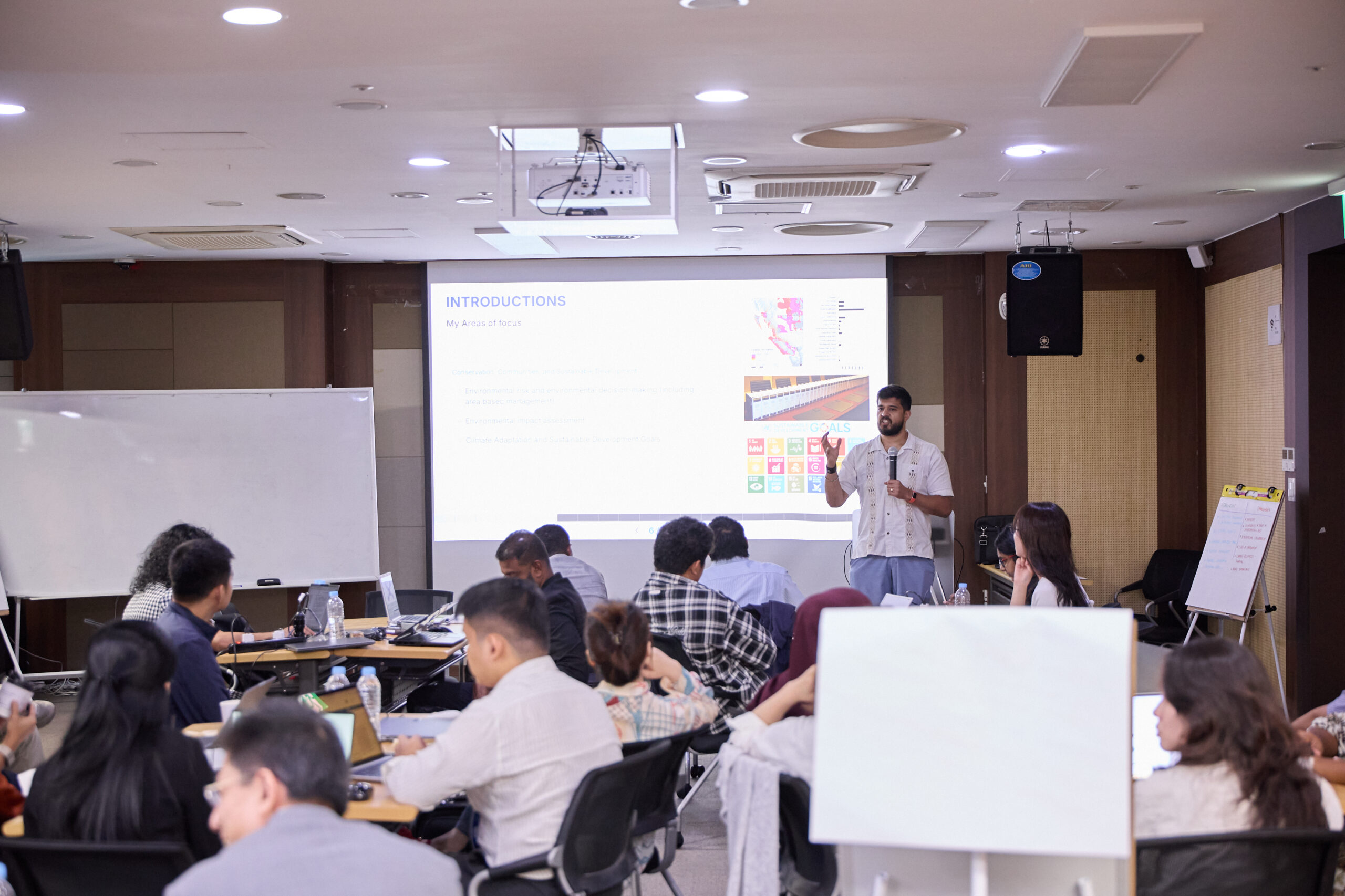

The two parts of the programme offered complementary perspectives: the first focused on applying biodiversity inclusive and climate-smart principles across national and regional MSP processes, while the second explored how these planning approaches can inform area-based management in the high seas.
Participants examined how experience gained through national and regional MSP can be transferred to ABNJ contexts, identifying relevant data sources, governance actors, knowledge systems and potential constraints in their own regions. Beyond these aspects, the training encouraged peer learning and contributed to a growing community of practice in the region around biodiversity inclusive, climate-smart and area-based ocean governance .
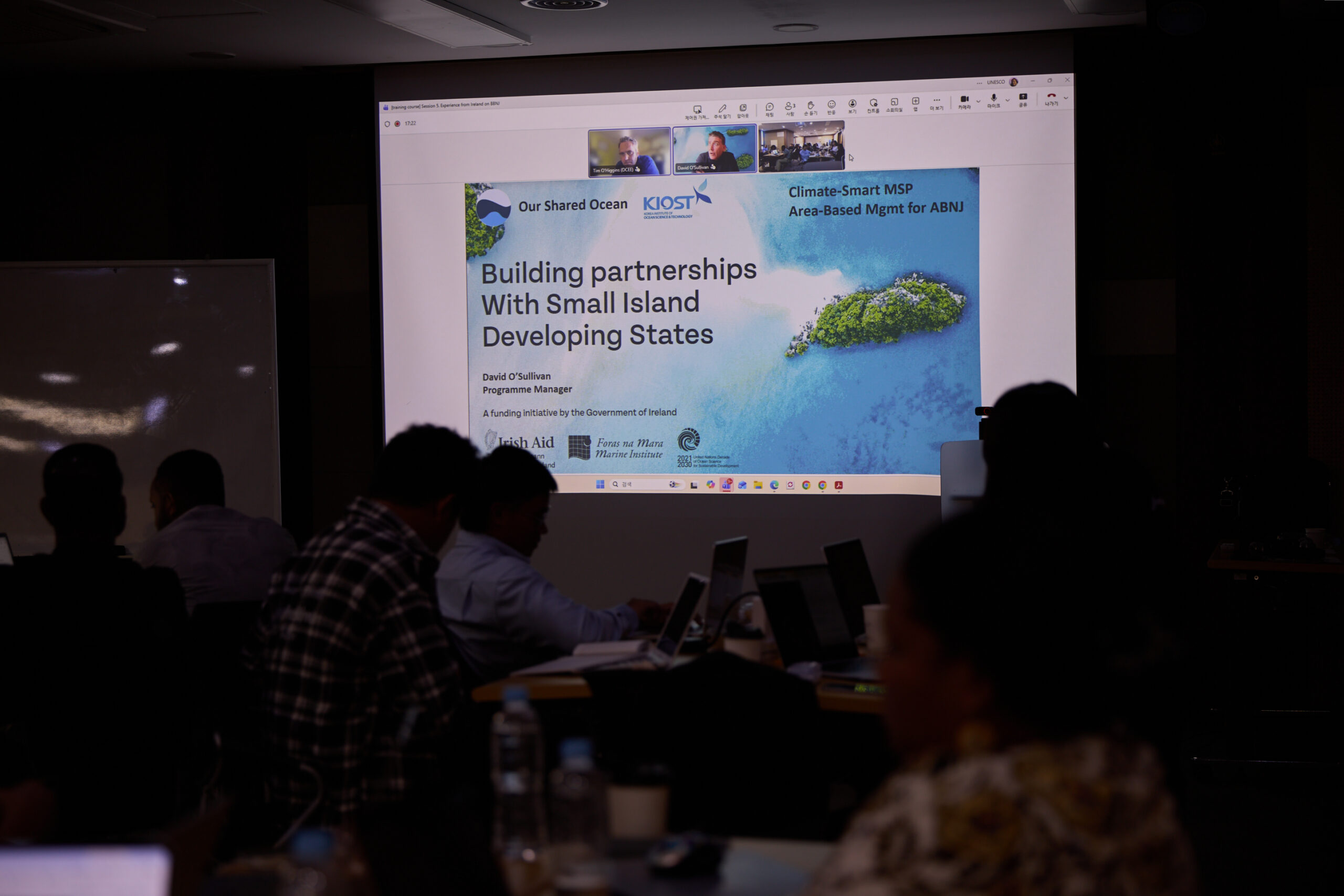
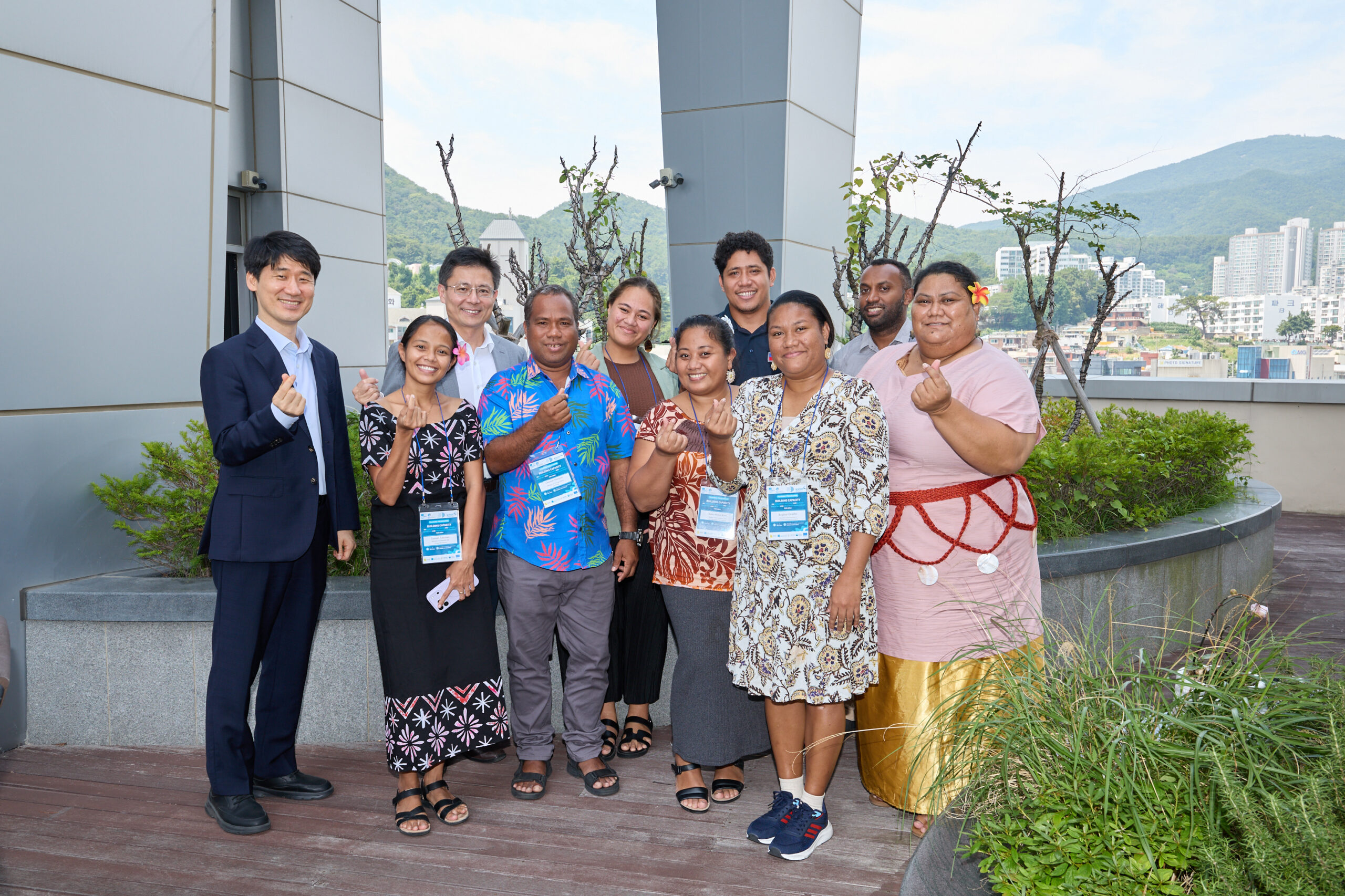
By connecting MSP experience with emerging approaches to ABNJ governance, the training in Busan highlighted the value of planning across boundaries —geographical, institutional, jurisdictional— to address shared ocean challenges.
As countries across Asia and the Pacific advance MSP while the international community moves towards implementation of the BBNJ Agreement, strengthening these connections will be increasingly important for building a coherent ocean governance framework that is science-based, inclusive, climate-resilient, and capable of protecting biodiversity while supporting sustainable use of marine resources.
DOCUMENTS:
RELATED LINKS:
- MSPglobal International Guide on Marine/Maritime Spatial Planning – Volume 1
- MSPglobal International Guide on Marine/Maritime Spatial Planning Volume 2 – Biodiversity Inclusive Principle
- MSPglobal International Guide on Marine/ Maritime Spatial Planning Volume 3 – Climate-smart Principle
CONTACT:
MSPglobal.comm@unesco.org