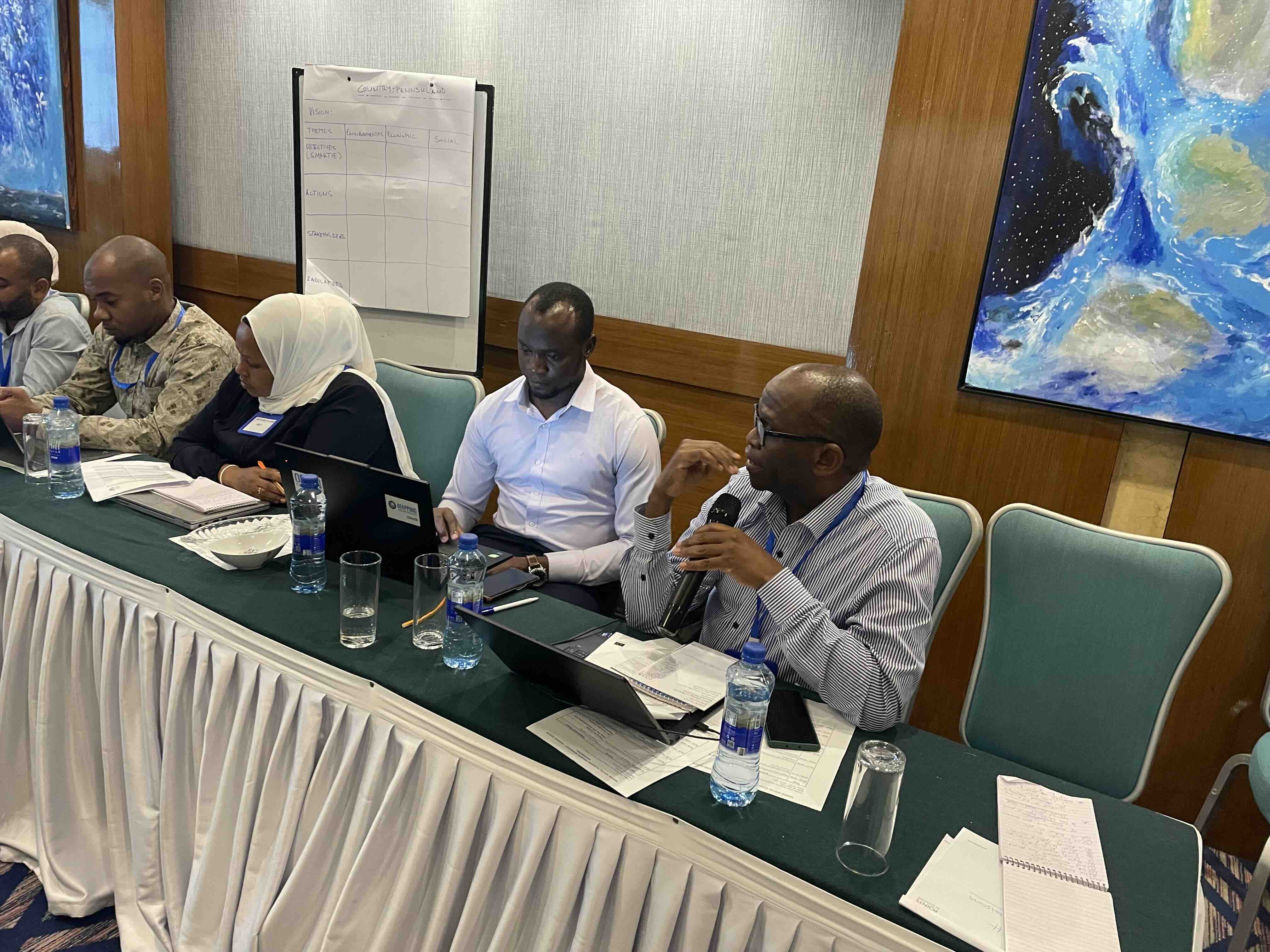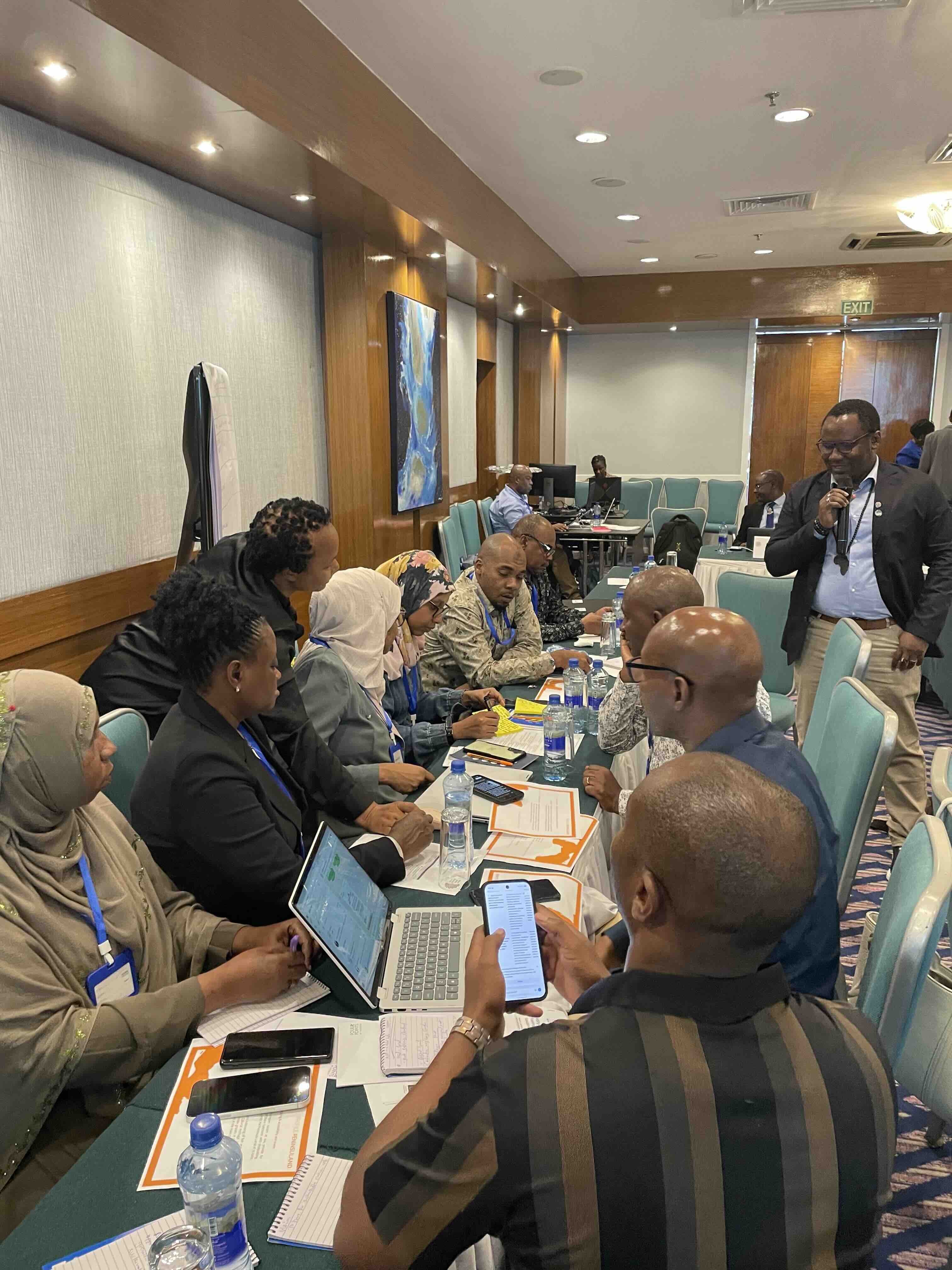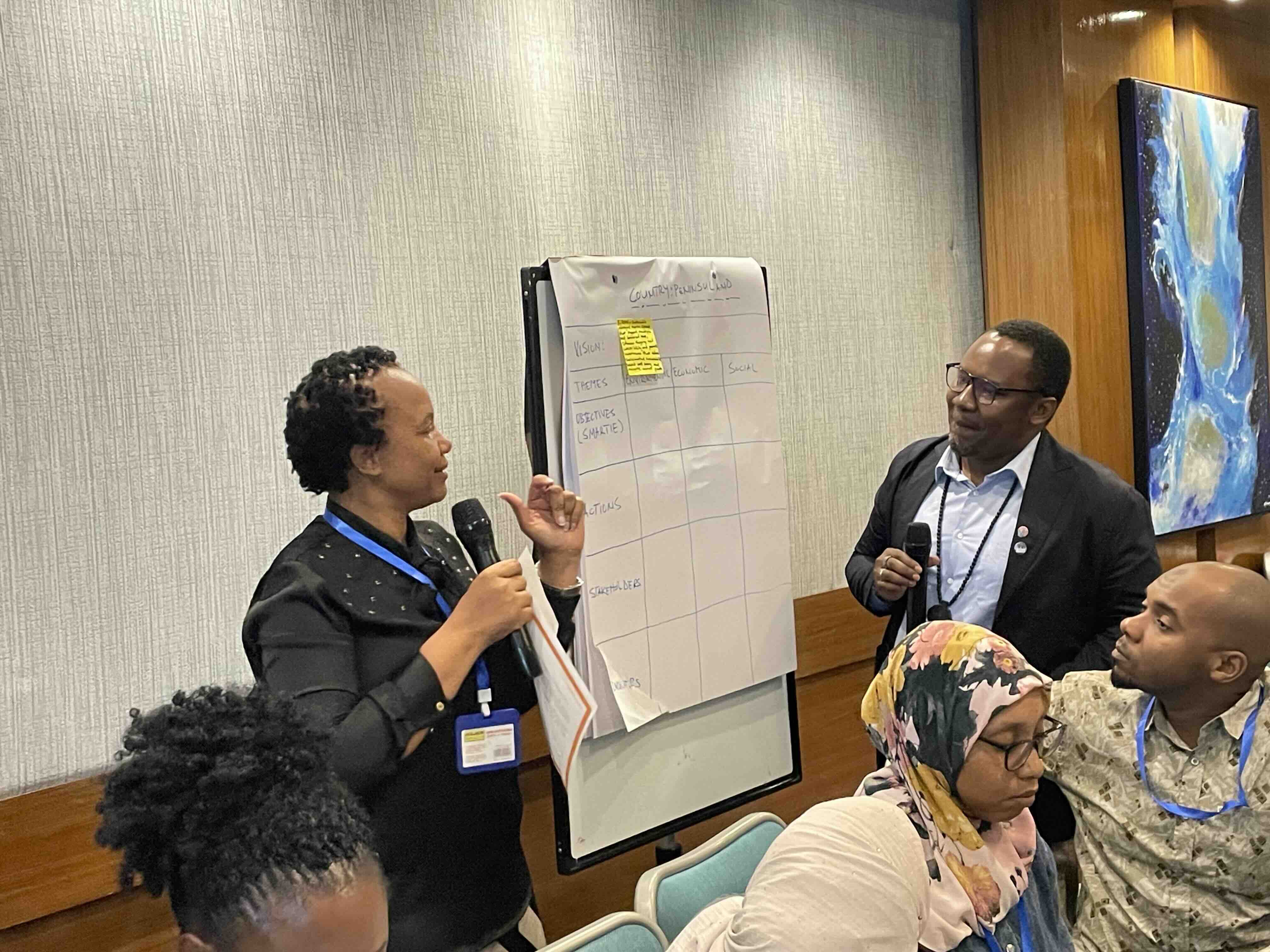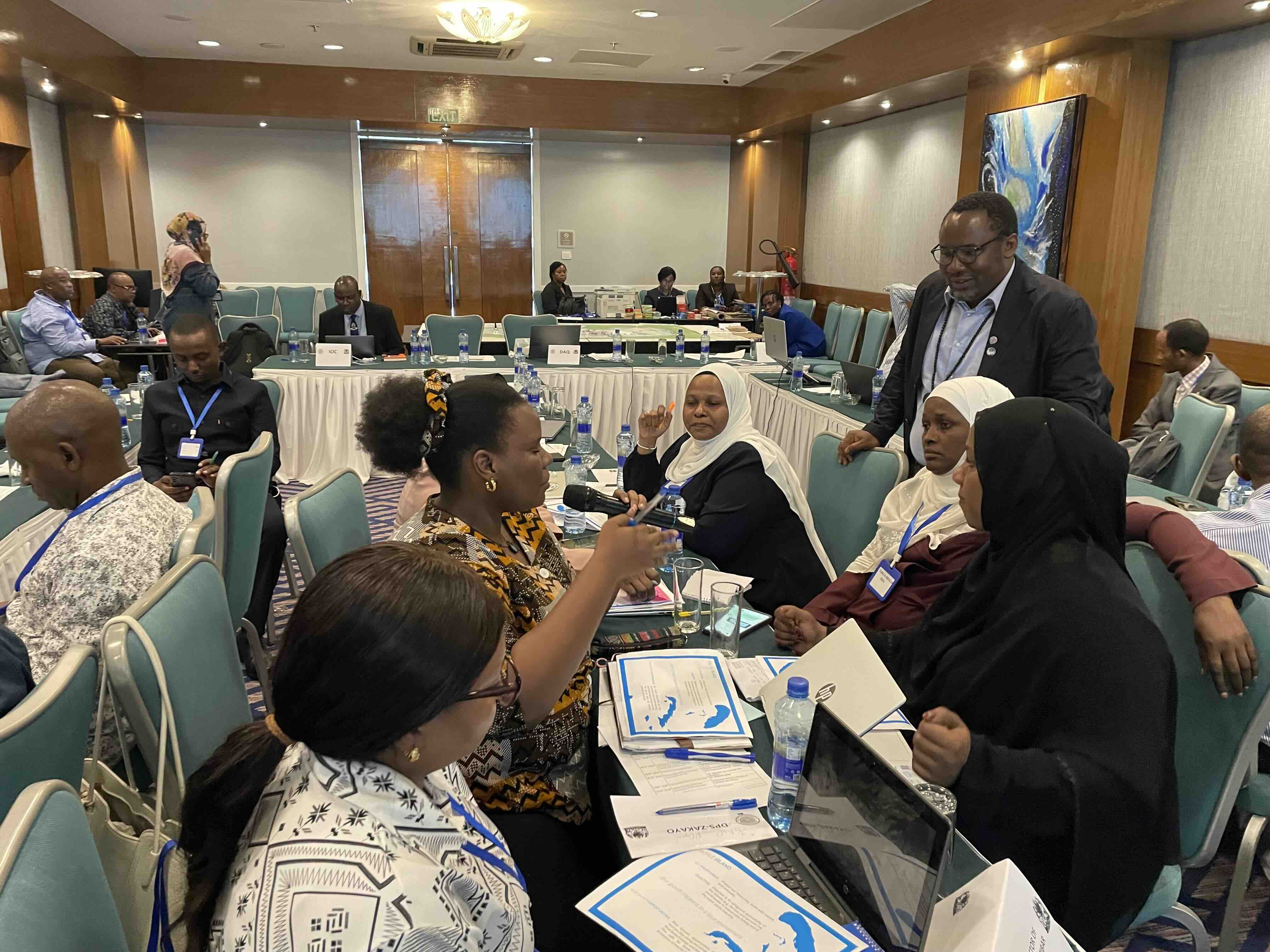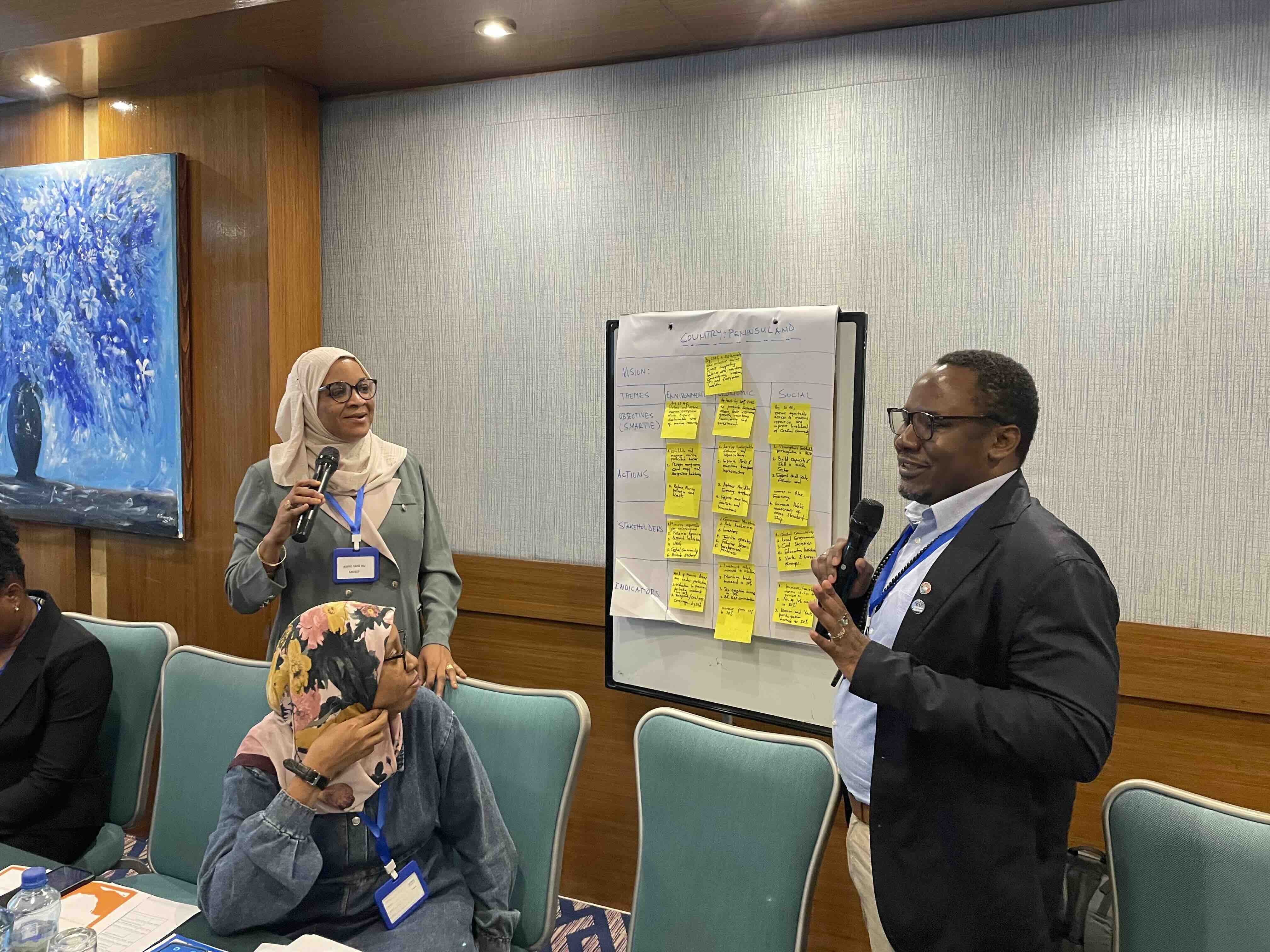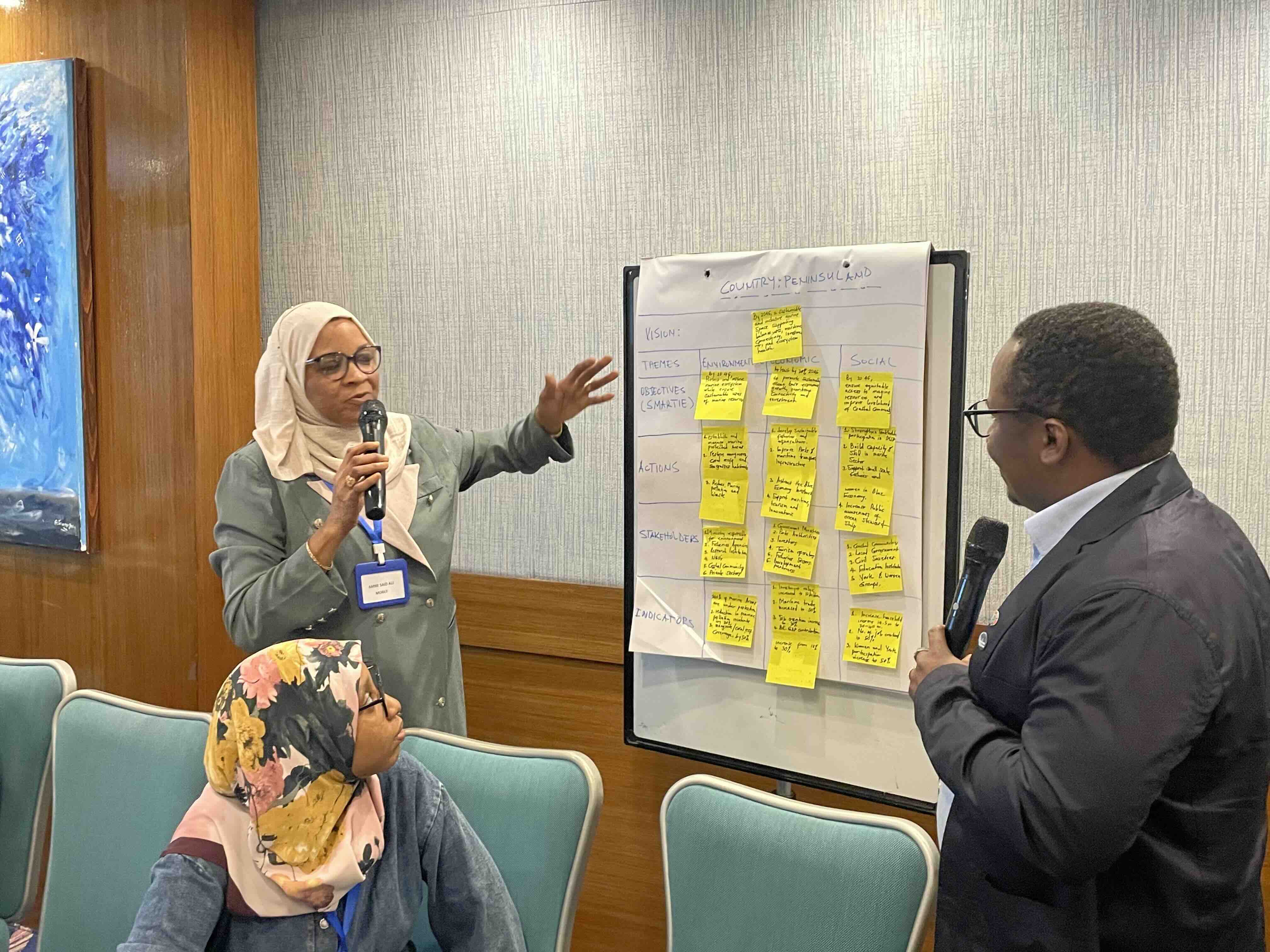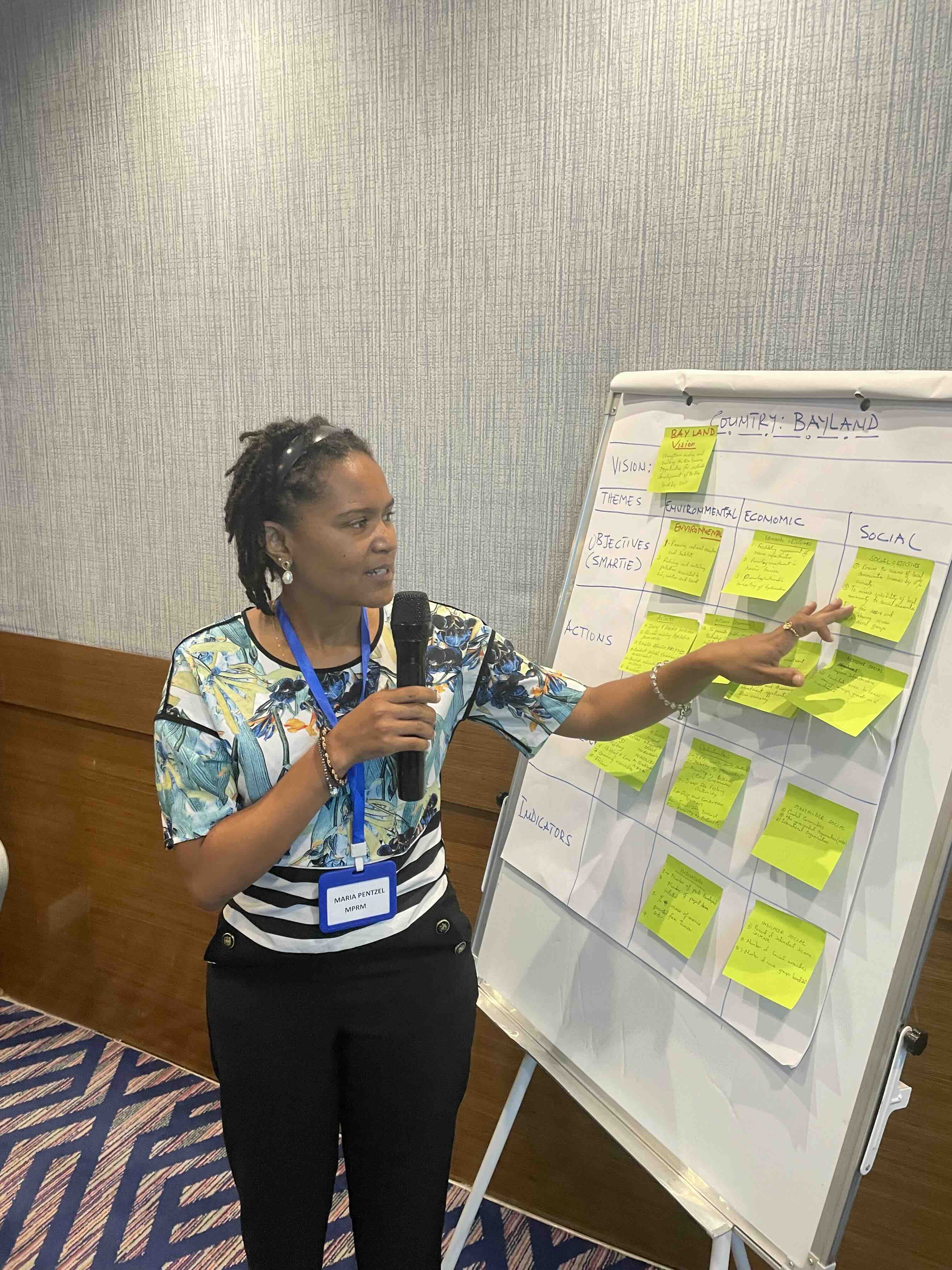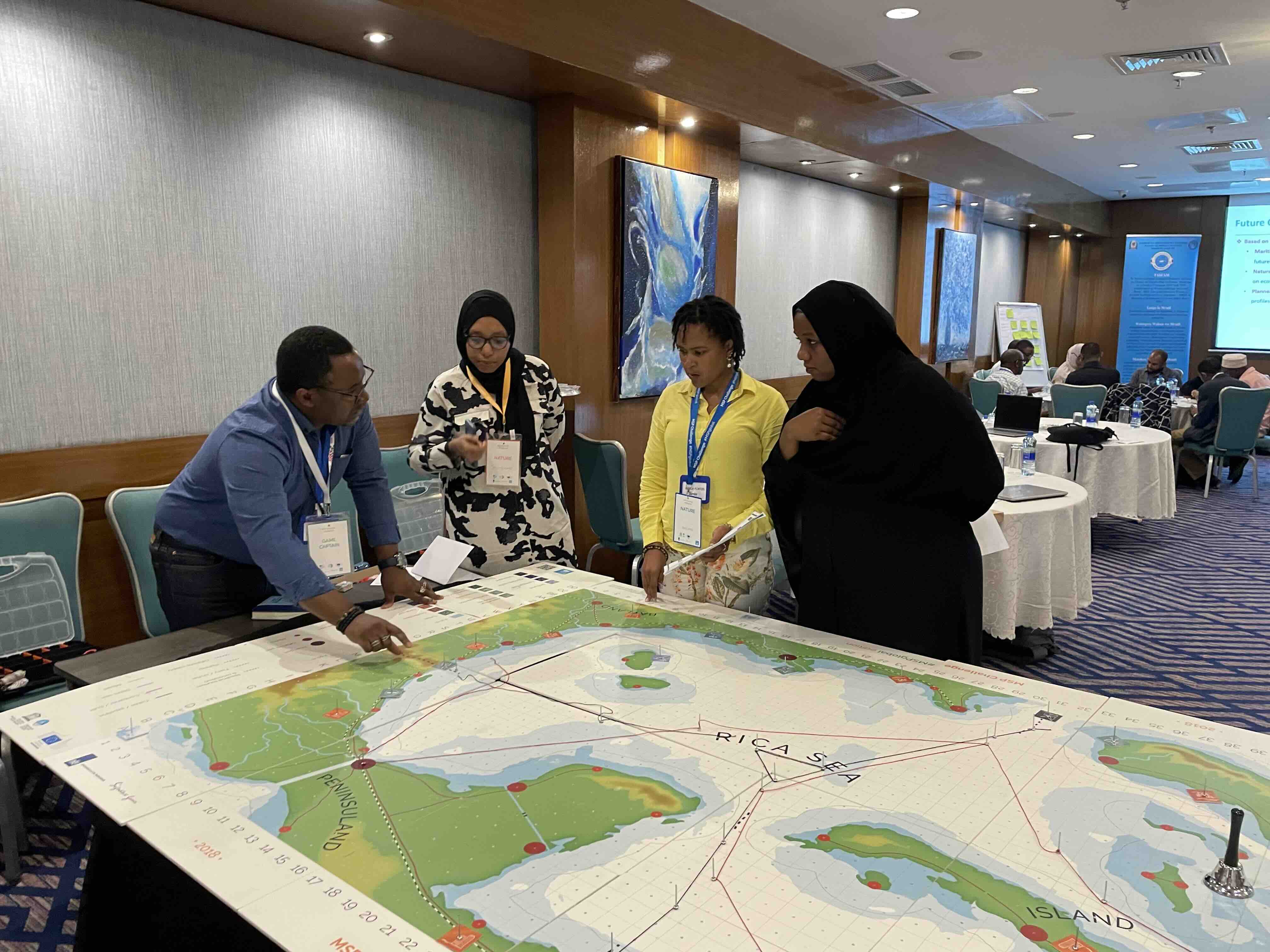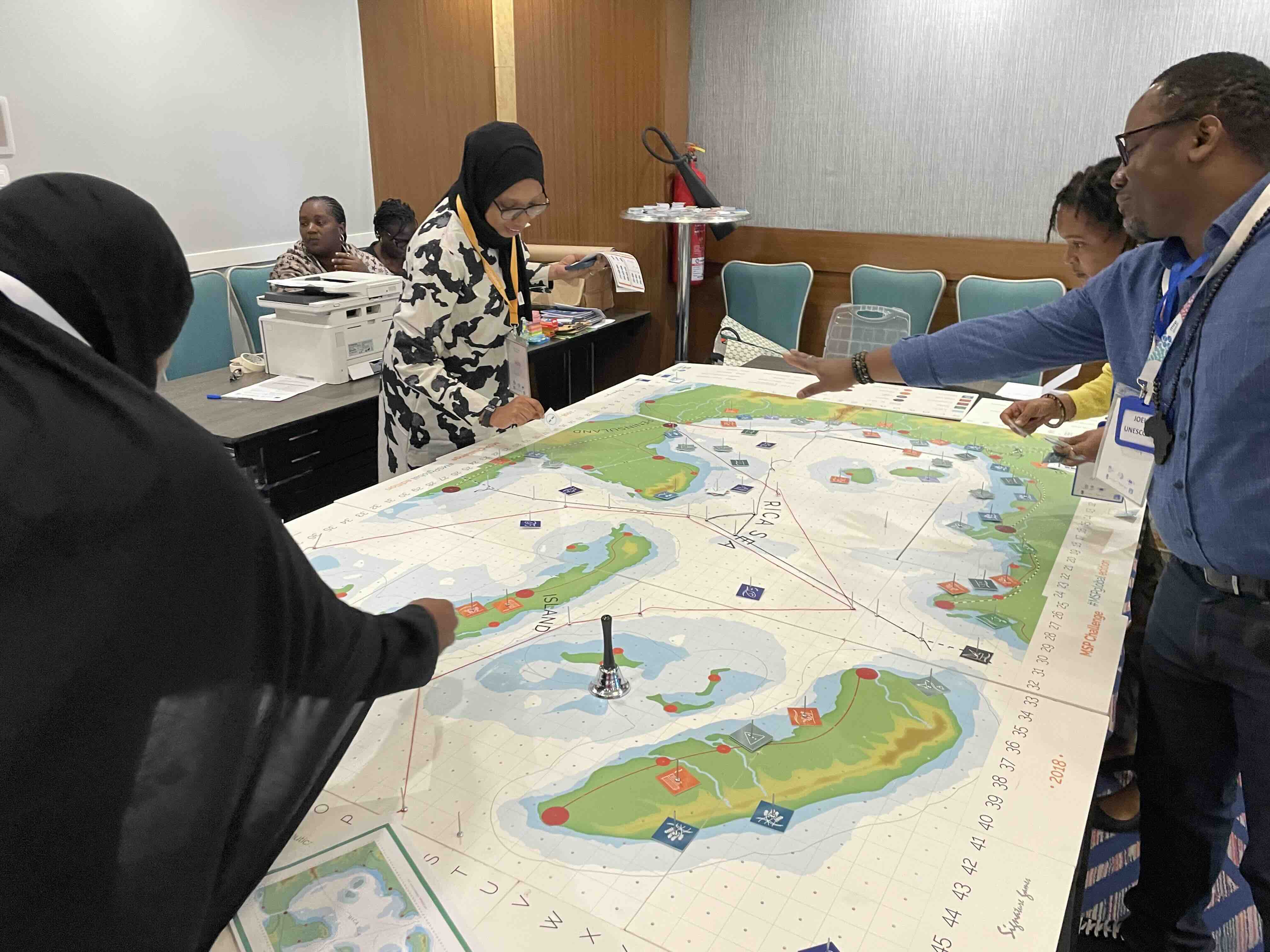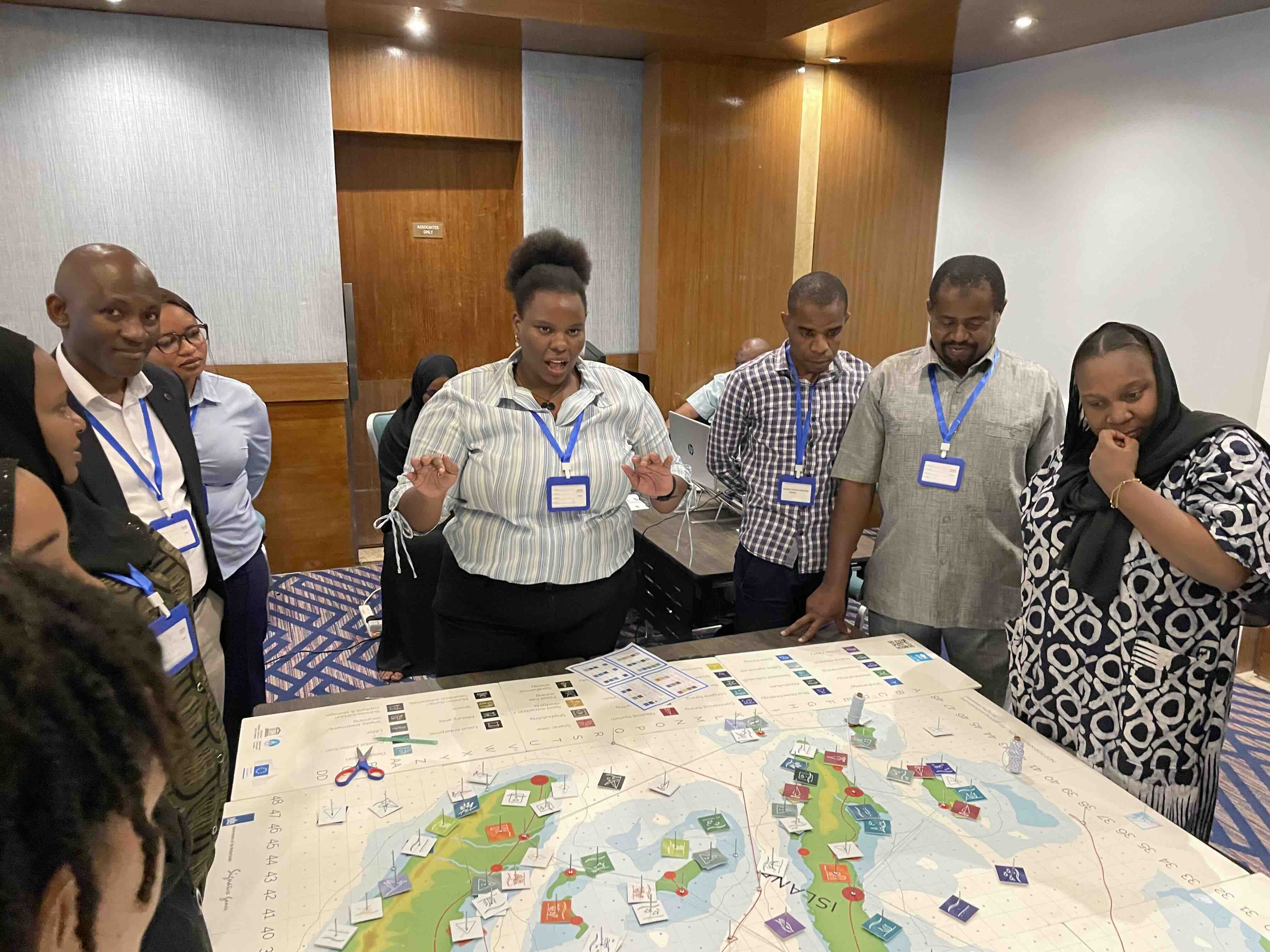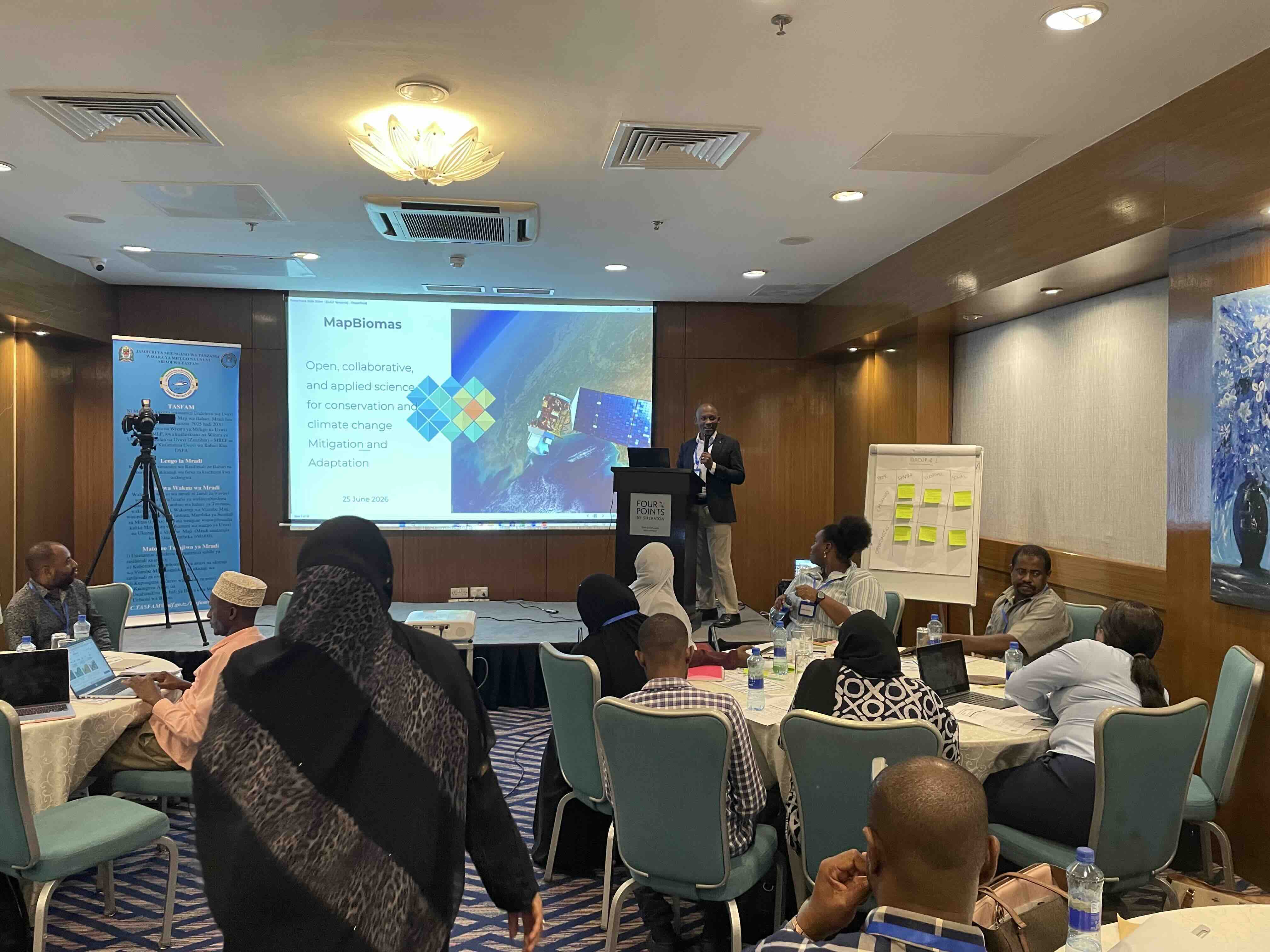


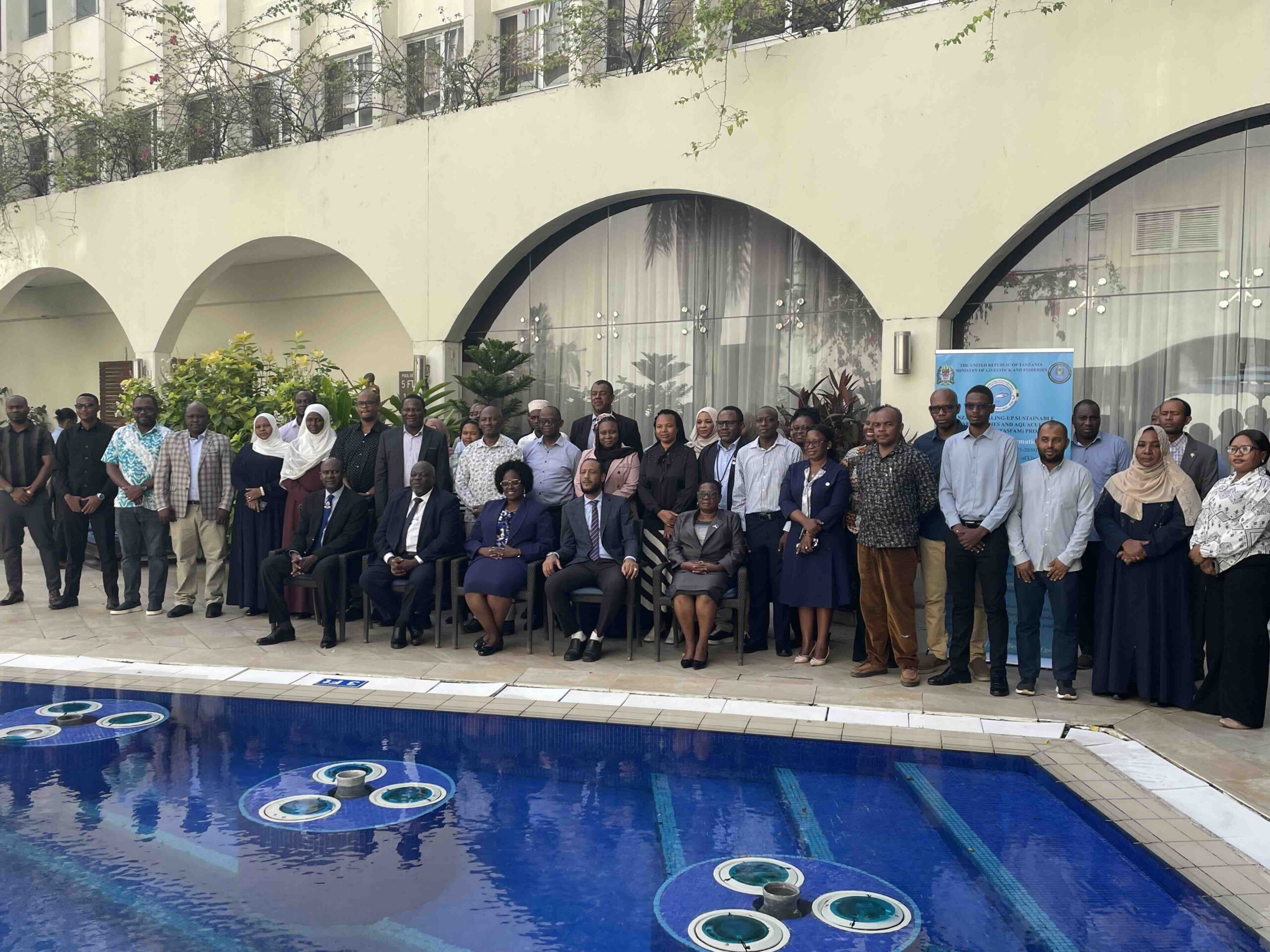
Government institutions from the United Republic of Tanzania joined the World Bank and UNESCO-IOC’s MSPglobal Programme in Dar es Salaam for a two-day national training that strengthened shared understanding, practical skills and cross-sectoral coordination for advancing marine spatial planning under the TASFAM Project.
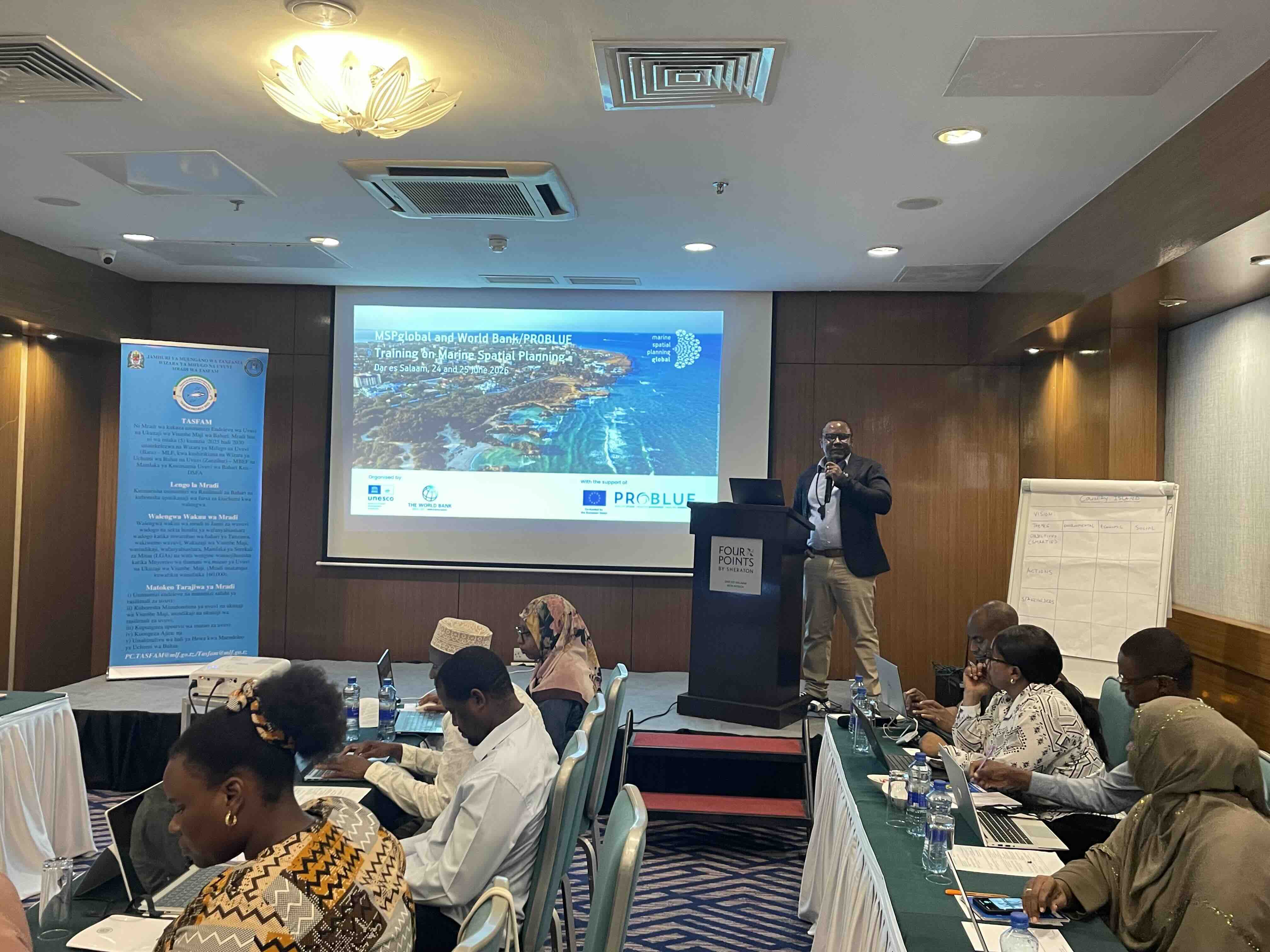
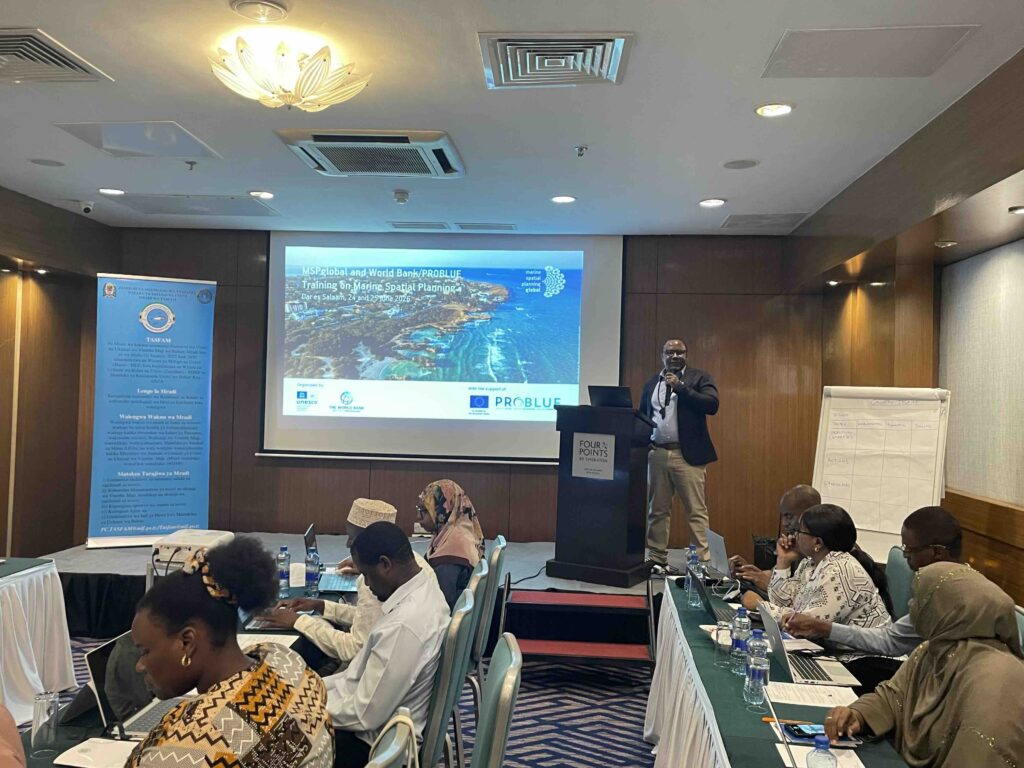
On 24 and 25 June 2026, 27 government representatives and practitioners from both Mainland and Zanzibar gathered in Dar es Salaam for a national training on Marine Spatial Planning (MSP). Co-organized by the World Bank and the Intergovernmental Oceanographic Commission (IOC) of UNESCO through its MSPglobal Programme, the two day training was delivered under the Tanzania Scaling-Up Sustainable Marine Fisheries and Aquaculture Management (TASFAM) Project, with support from the World Bank’s PROBLUE programme and the European Union.
Setting a shared direction for marine spatial planning
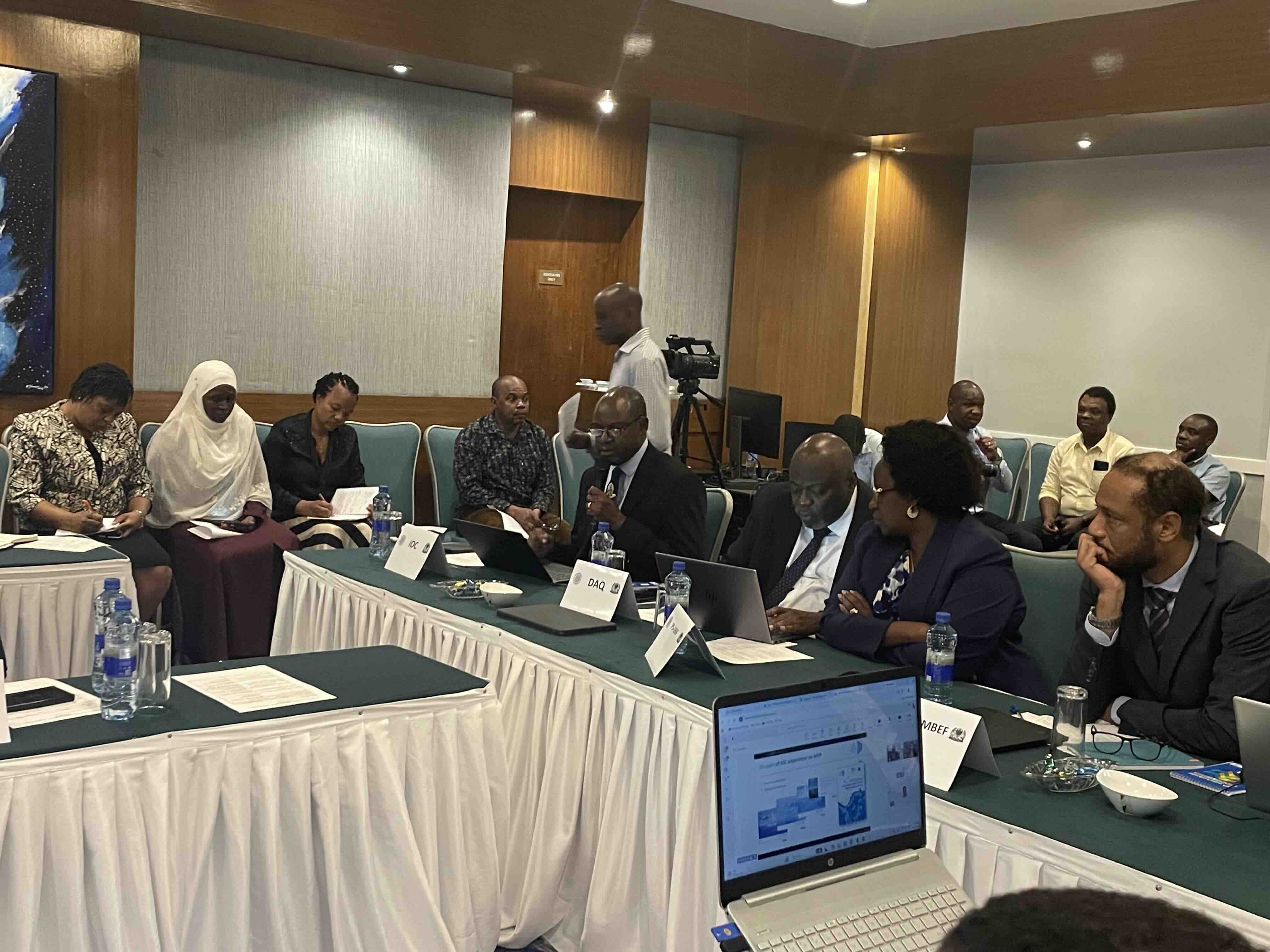
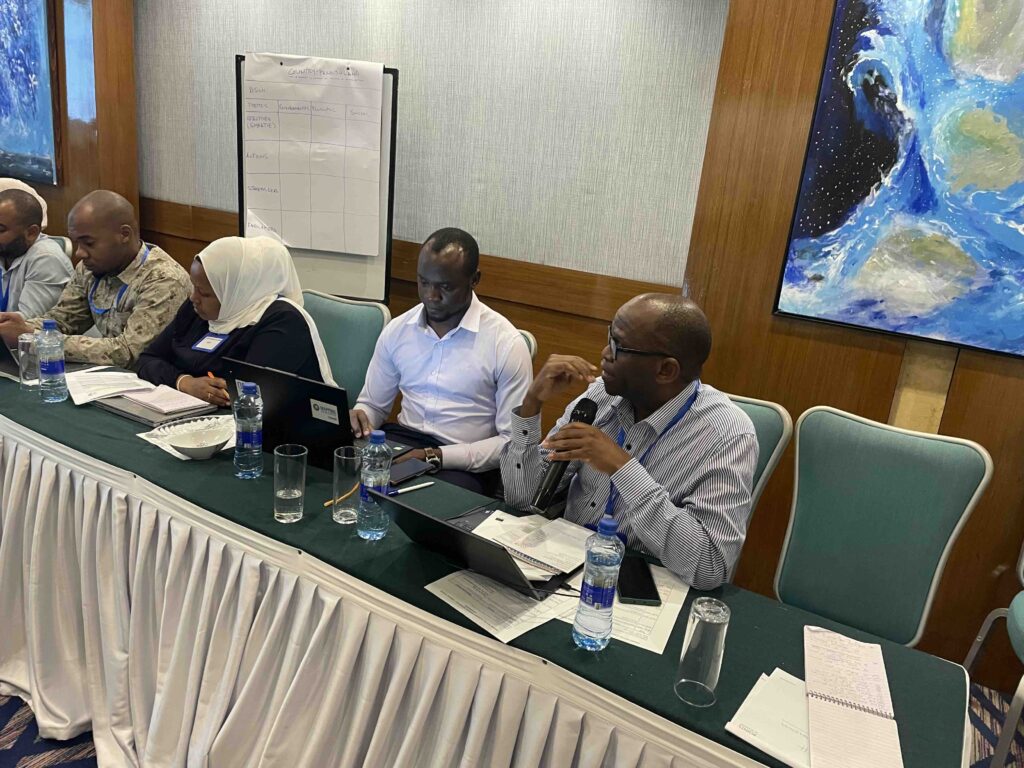
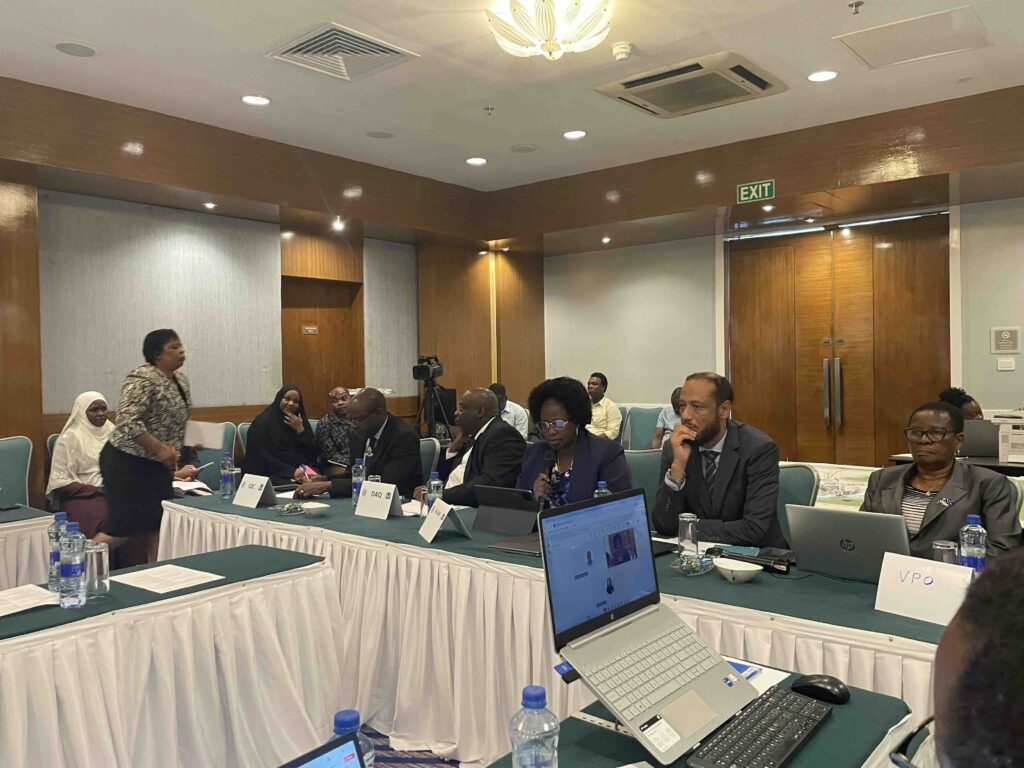
The opening session brought together senior representatives from the Vice President´s Office (VPO), the Ministry of Livestock and Fisheries, the Ministry of Blue Economy and Fisheries of Zanzibar, the Deep Sea Fishing Authority, the World Bank, and the Institute of Marine Sciences of the University of Dar-es Salaam, which is the IOC National Focal Point.
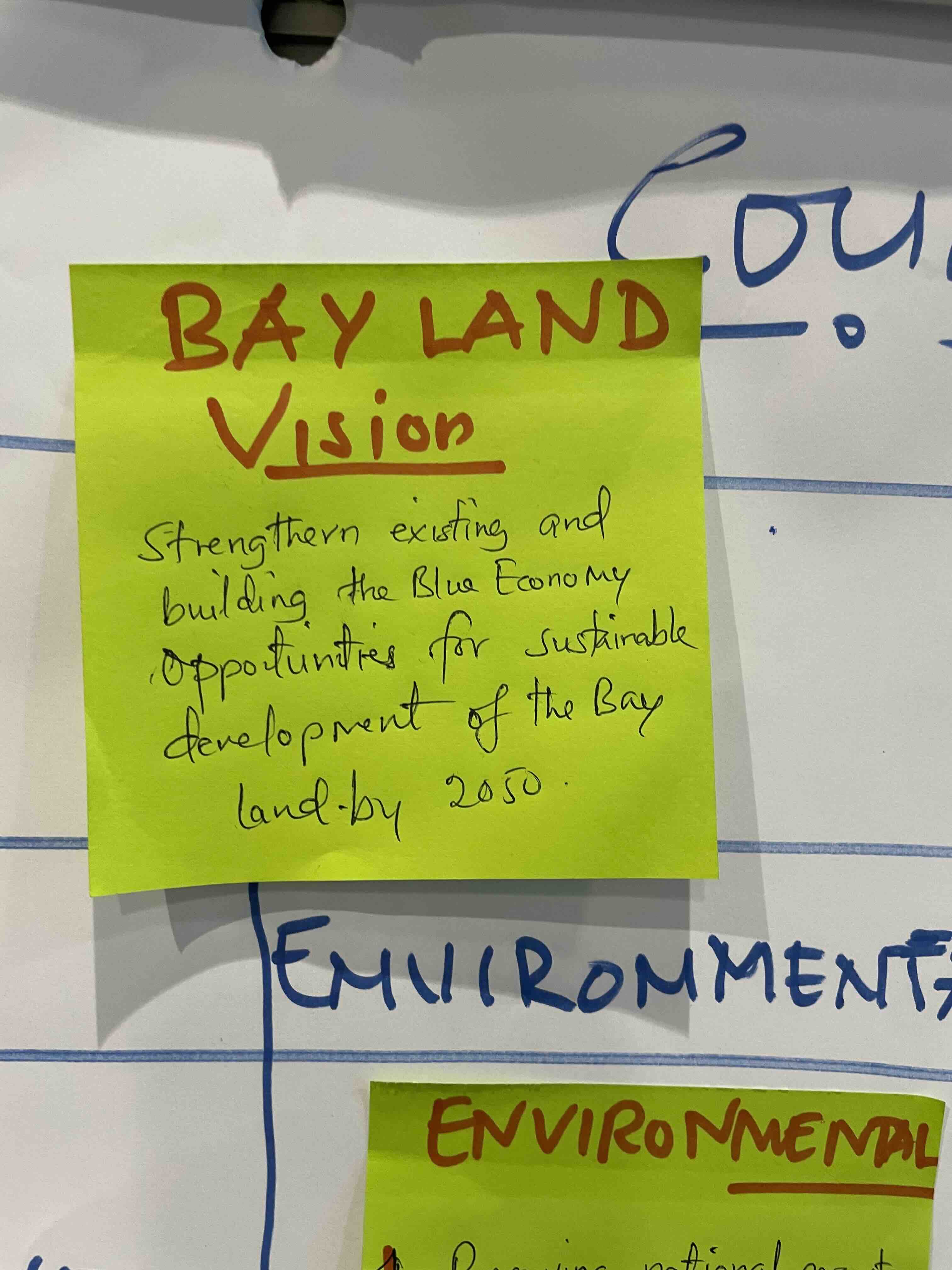
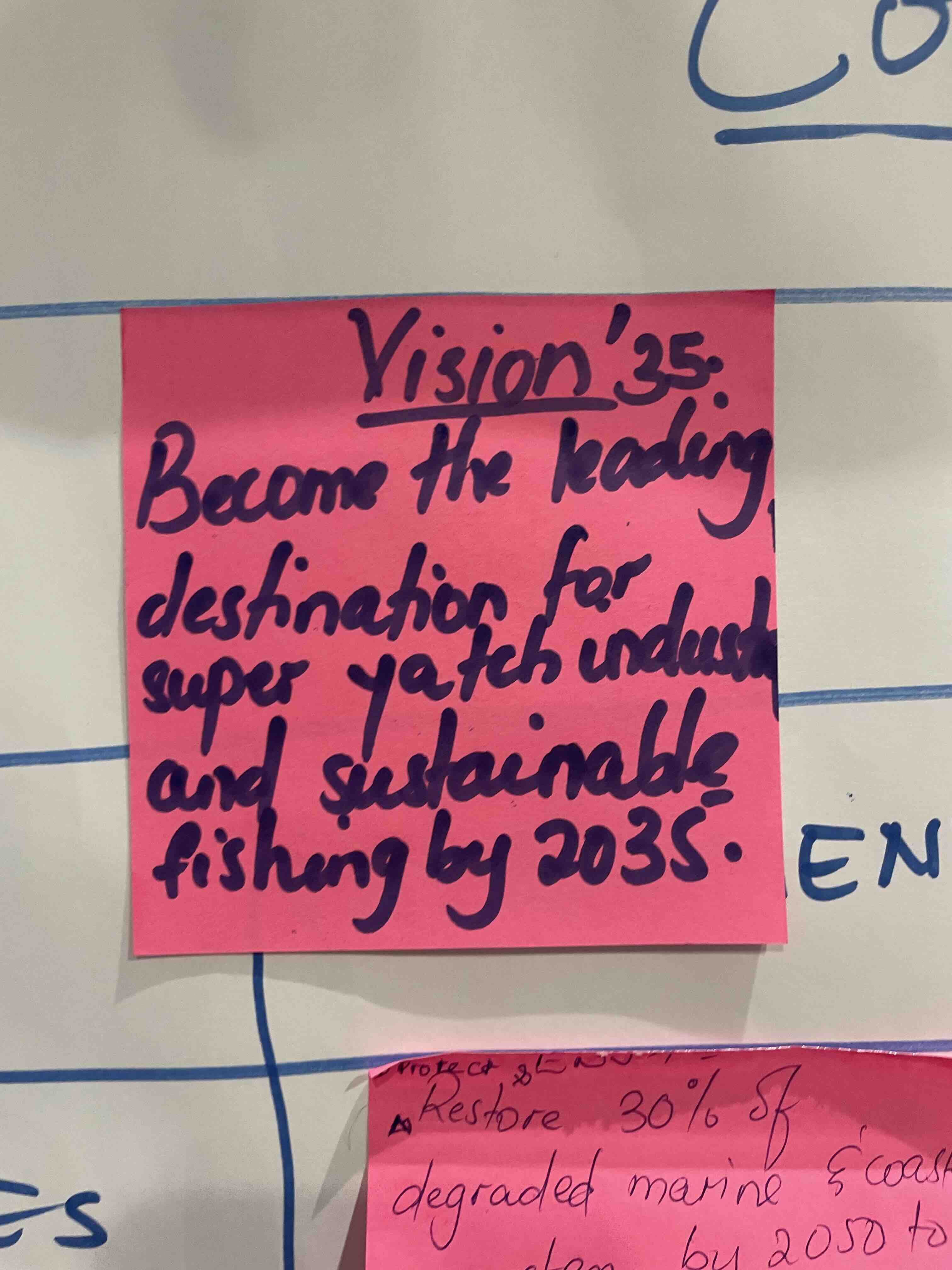
Speakers emphasized that MSP is central to translating Tanzania’s blue economy ambitions into coordinated action, in line with the country’s Blue Economy Policy of 2024 and National Development Vision 2050. They further affirmed that, by balancing ecological, social and economic priorities, MSP can help reduce conflicts among fisheries, aquaculture, tourism, conservation, maritime transport, and other types of infrastructure development, while protecting the ecosystems and livelihoods that depend on healthy coastal and marine areas. They called for stronger collaboration and partnership across institutions, describing the training as arriving at a “timely moment” to build the technical and institutional capacity that MSP requires.
The opening remarks also highlighted the progress already made. Mainland Tanzania has prepared an MSP scoping study, national guidelines, a five-year action plan for 2026–2030, stakeholder and gender engagement frameworks, four multisectoral technical working groups, and a national steering committee. Zanzibar has established a 32-member multisectoral technical team, developed local MSP and data-management guidance, and advanced pilot local marine spatial plans in PECCA Zones 3 and 5, with further planning underway in southeast Pemba.
Developing practical skills through participatory learning
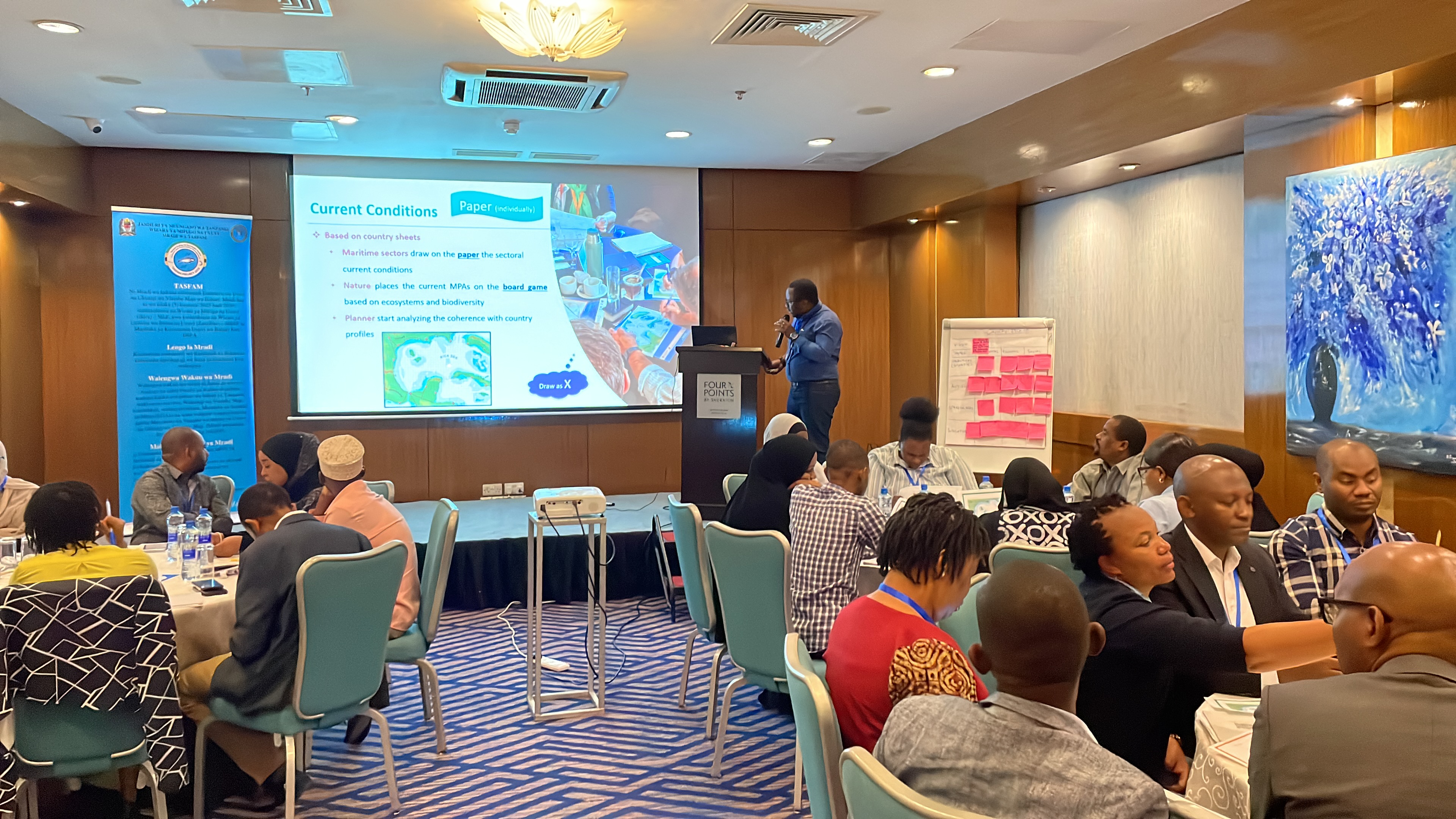
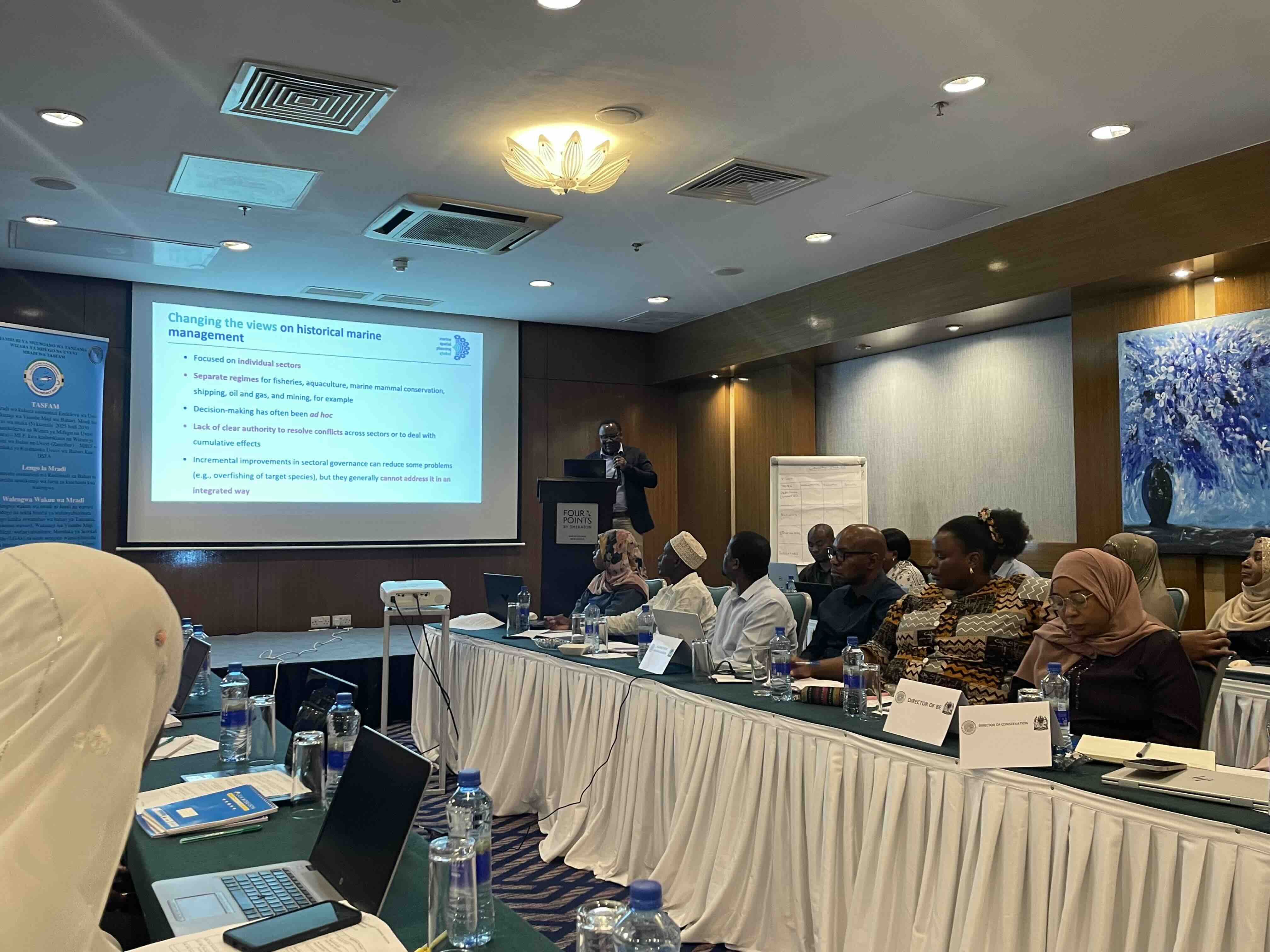
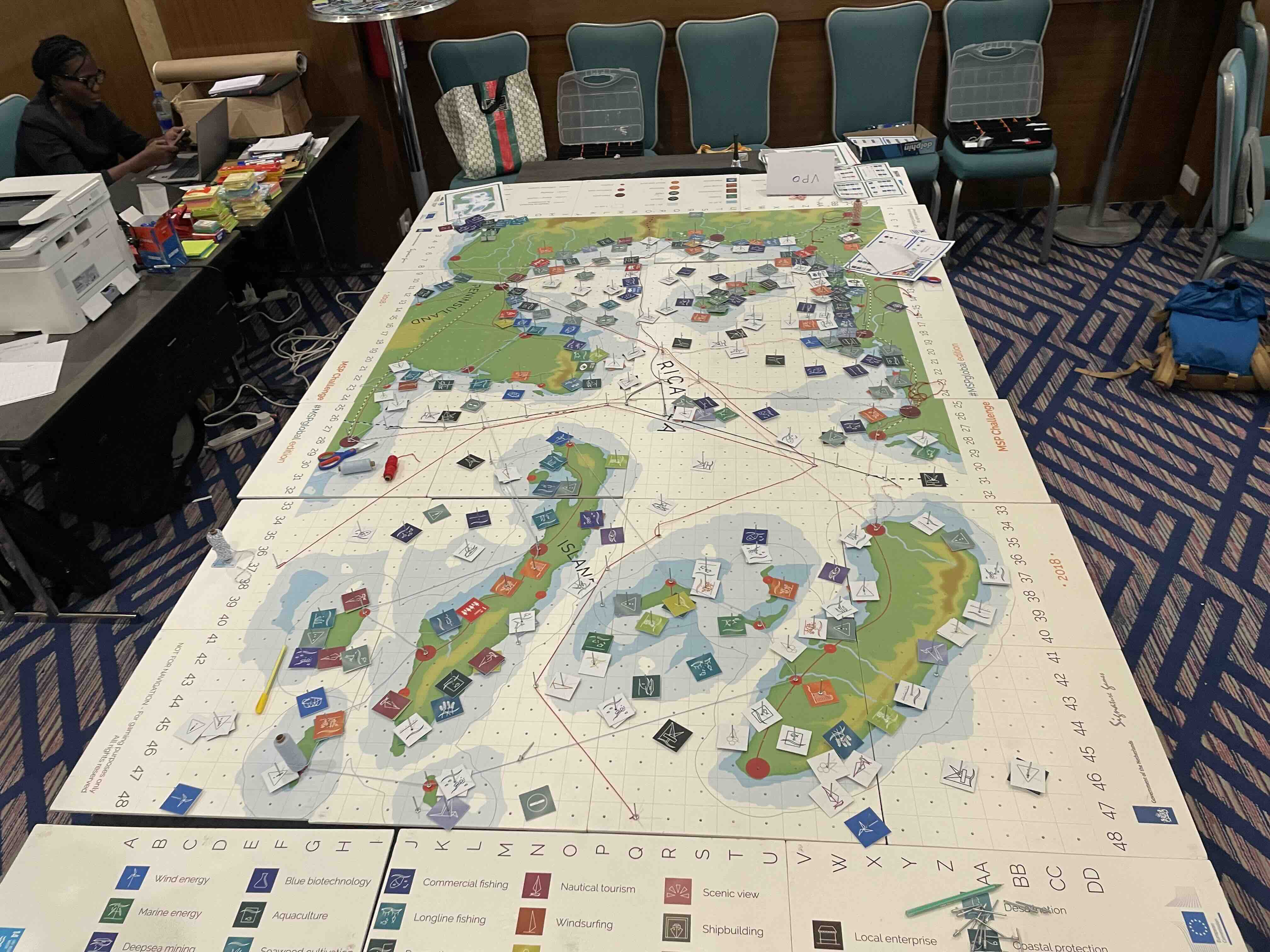
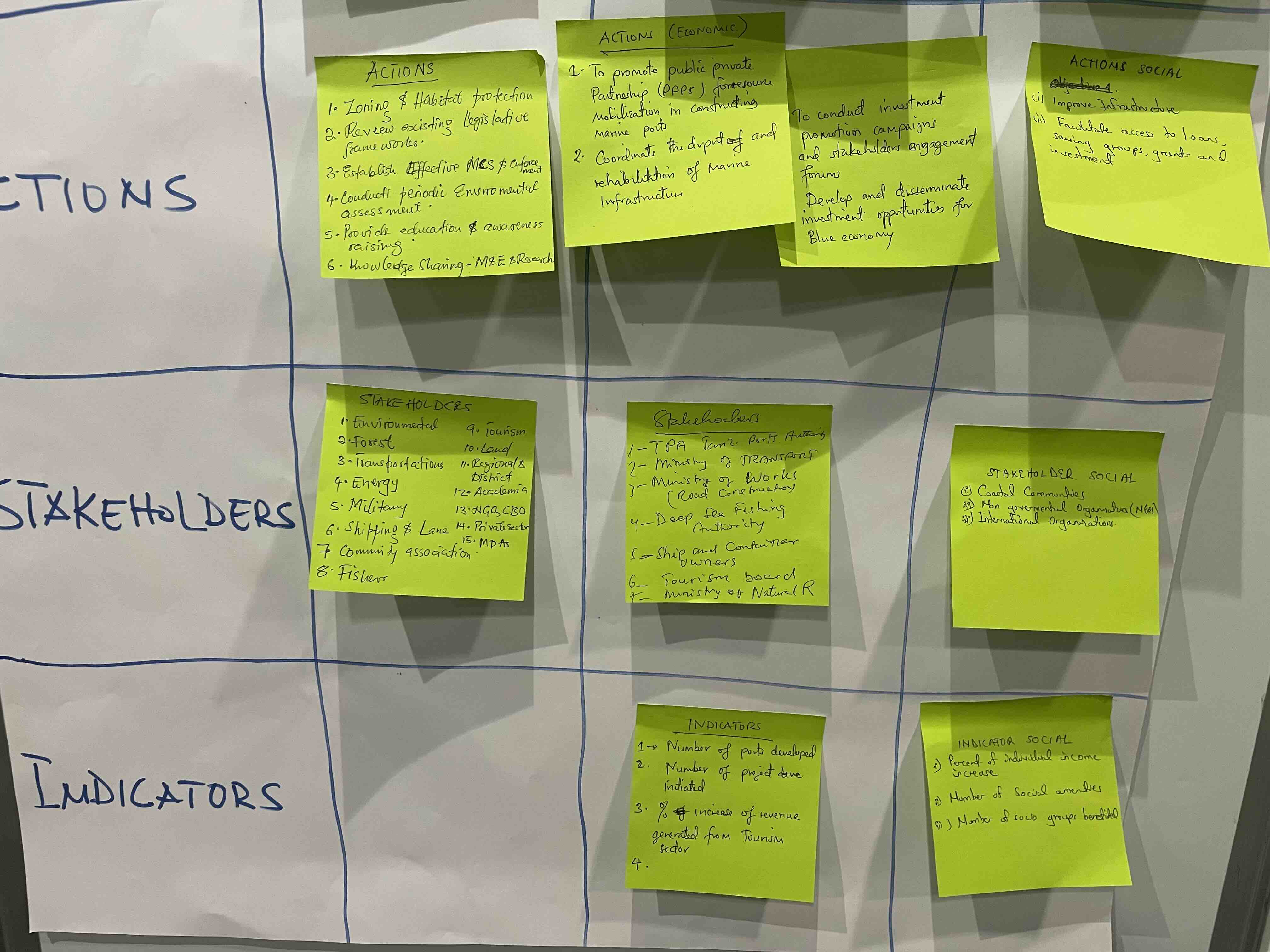
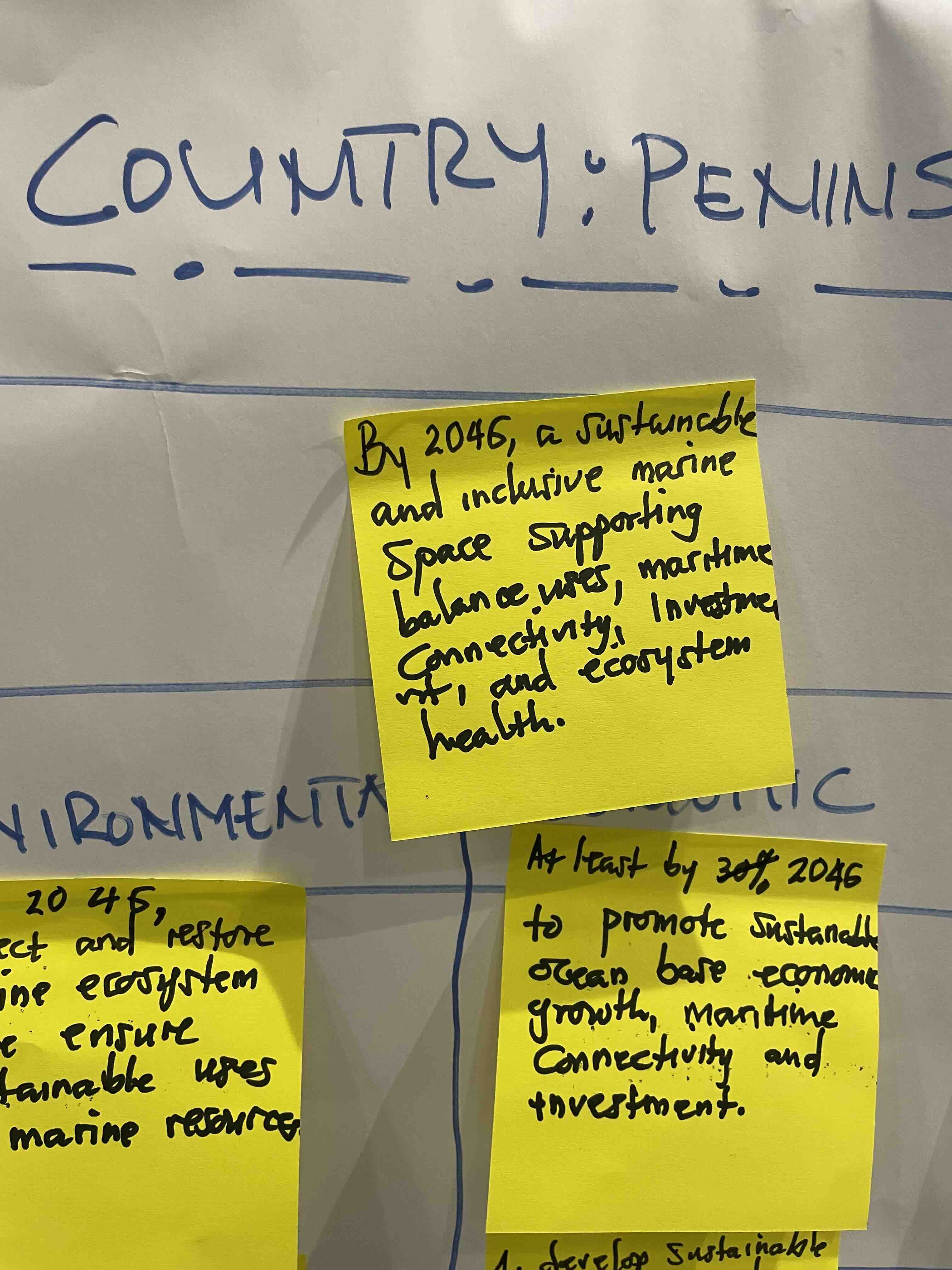
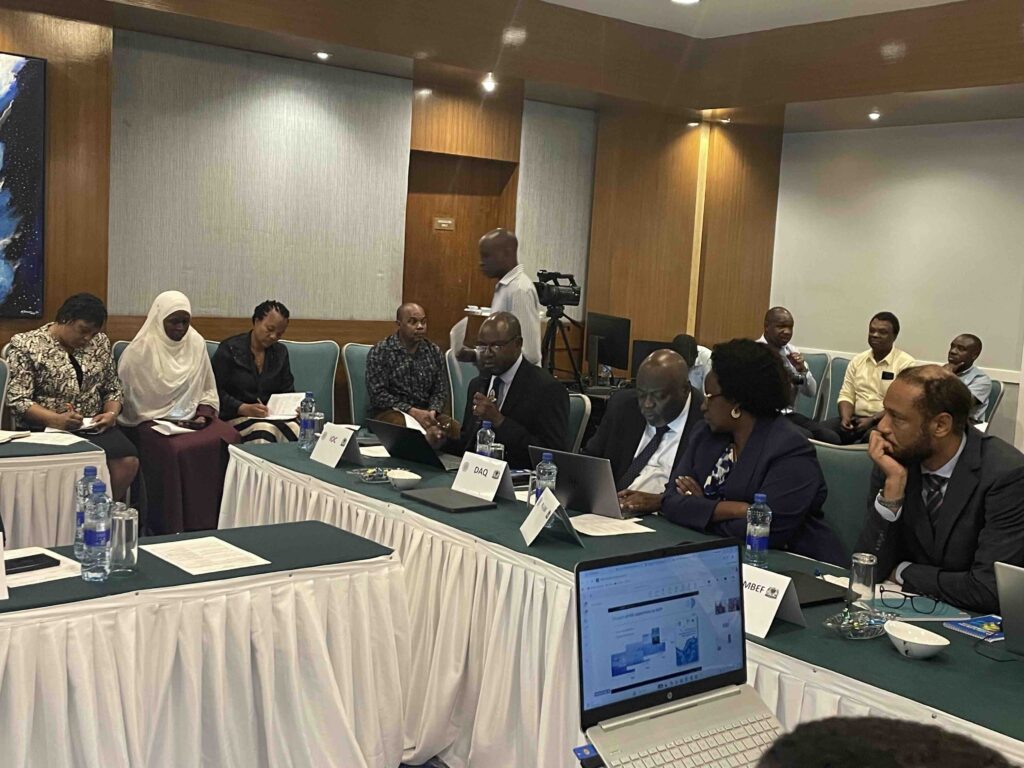
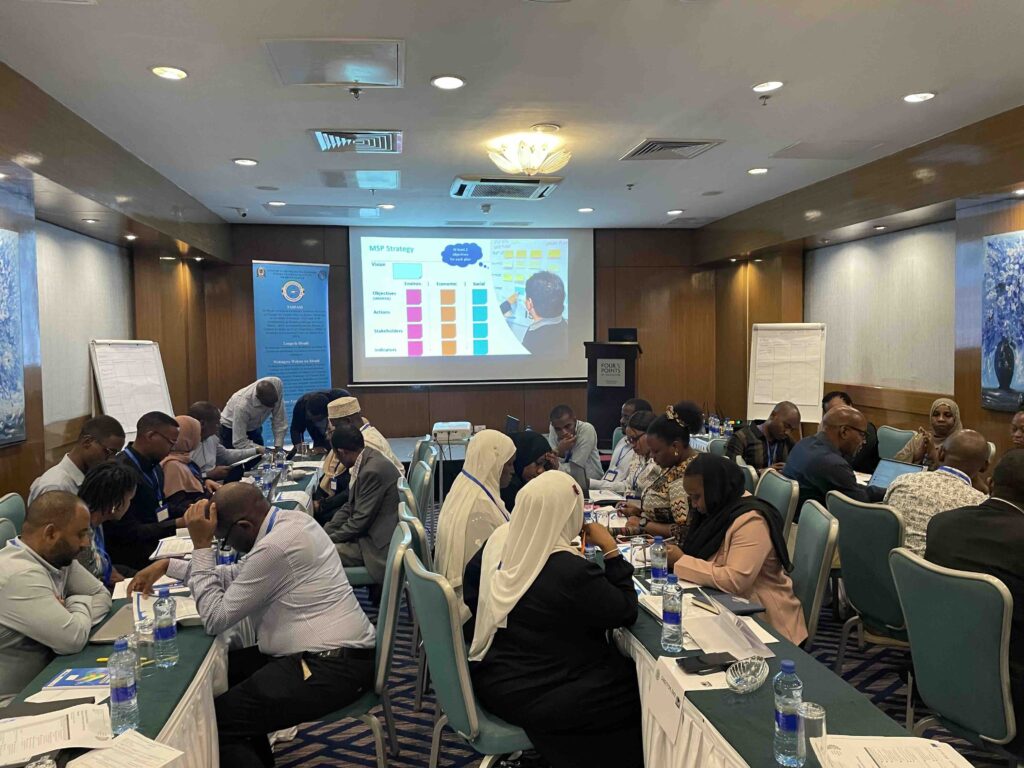
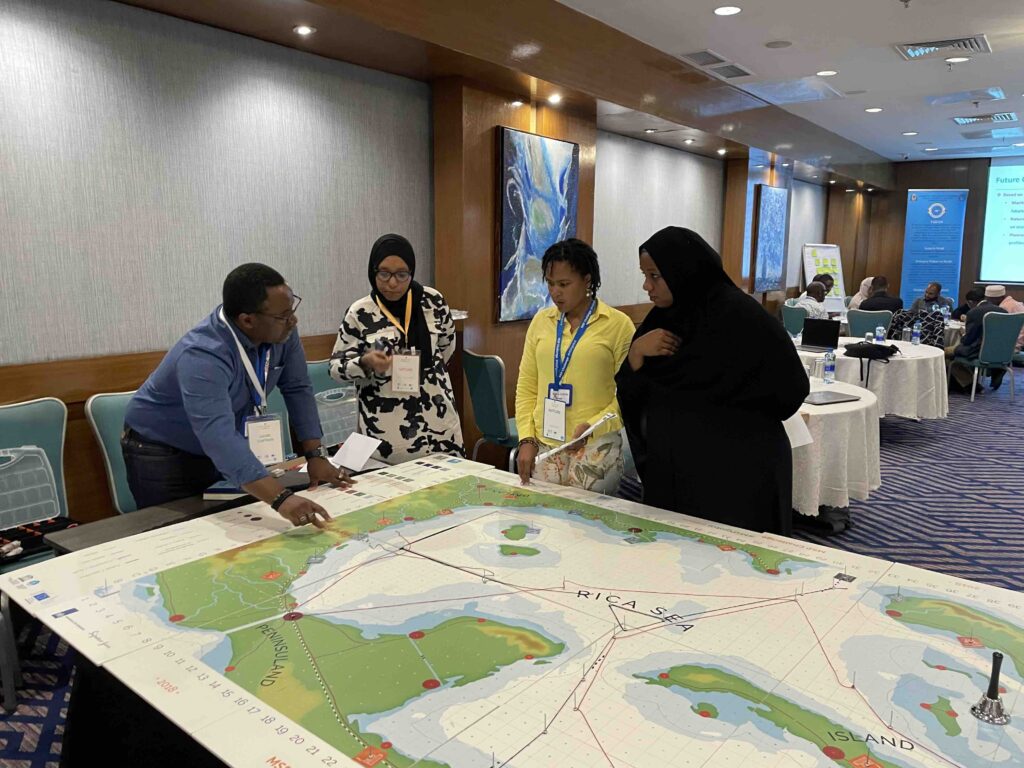
Across the two days, participants explored the six MSP phases of the MSPglobal International Guide through thematic presentations, facilitated discussions and practical exercises. A central activity was the MSP Challenge, a strategy board game that simulated the conflicts and synergies between sectors, negotiations, and trade-offs involved in planning a shared marine space. The exercise demonstrated that successful MSP is not simply about allocating areas to different sectors. It requires reliable data, transparent decision-making, early and continuous stakeholder engagement, and collaboration across institutions and levels of government. It also gave participants an opportunity to test how competing objectives can be reconciled through dialogue and joint problem-solving.
From training to implementation
The training supported TASFAM’s objective to strengthen the sustainable management of marine resources and expand economic opportunities for coastal communities. It also reinforced the human and institutional capacity needed for building a climate-resilient blue economy. By bringing Mainland Tanzania and Zanzibar institutions into a common learning process, the event helped consolidate a shared foundation for the country’s next steps in MSP. Continued coordination, inclusive participation and investment in technical capacity will be essential to turn existing policies, guidelines and pilot initiatives into effective and nationally coherent marine spatial planning processes.
DOCUMENTS:
RELATED LINKS:
- MSPglobal International Guide on Marine/Maritime Spatial Planning – Volume 1
- MSPglobal International Guide on Marine/Maritime Spatial Planning Volume 2 – Biodiversity Inclusive Principle
- MSPglobal International Guide on Marine/ Maritime Spatial Planning Volume 3 – Climate-smart Principle
CONTACT:
MSPglobal.comm@unesco.org