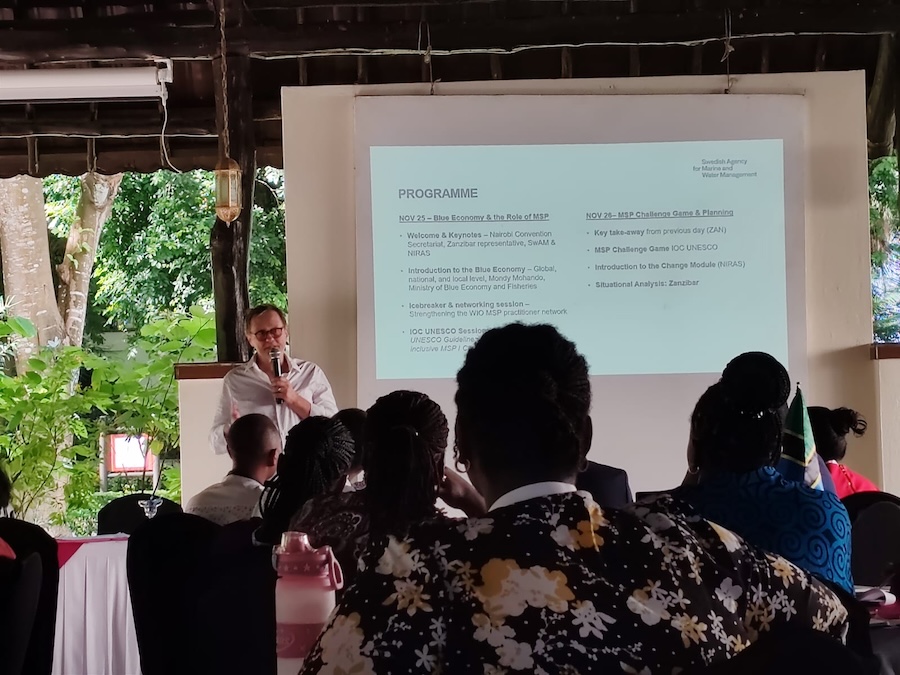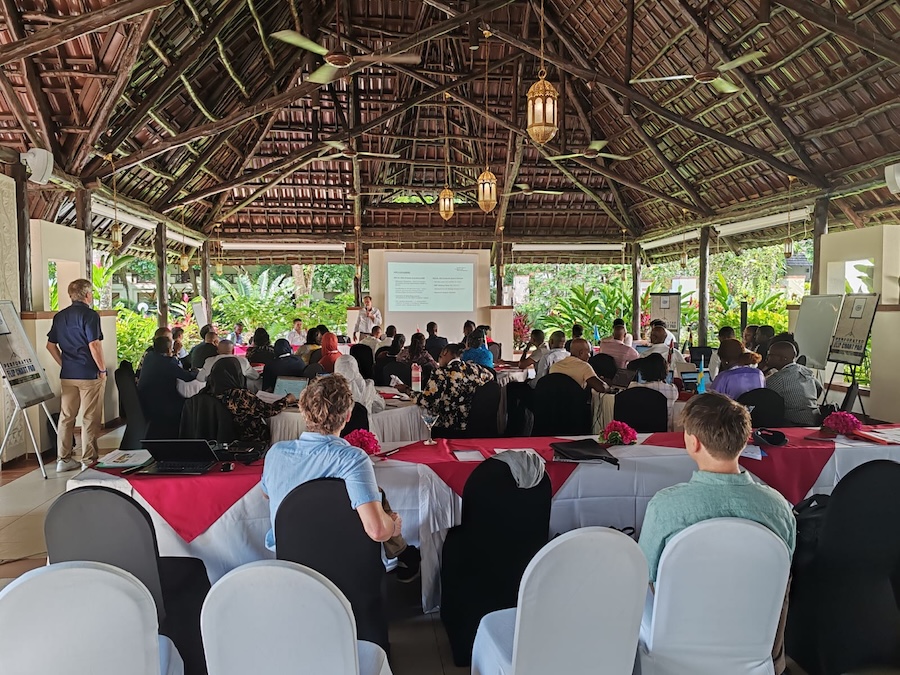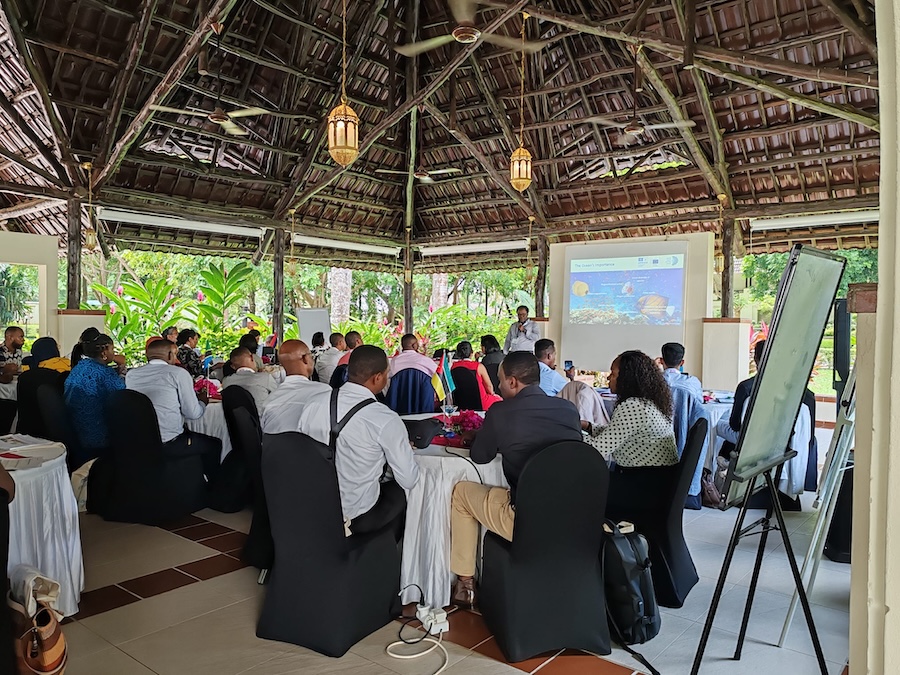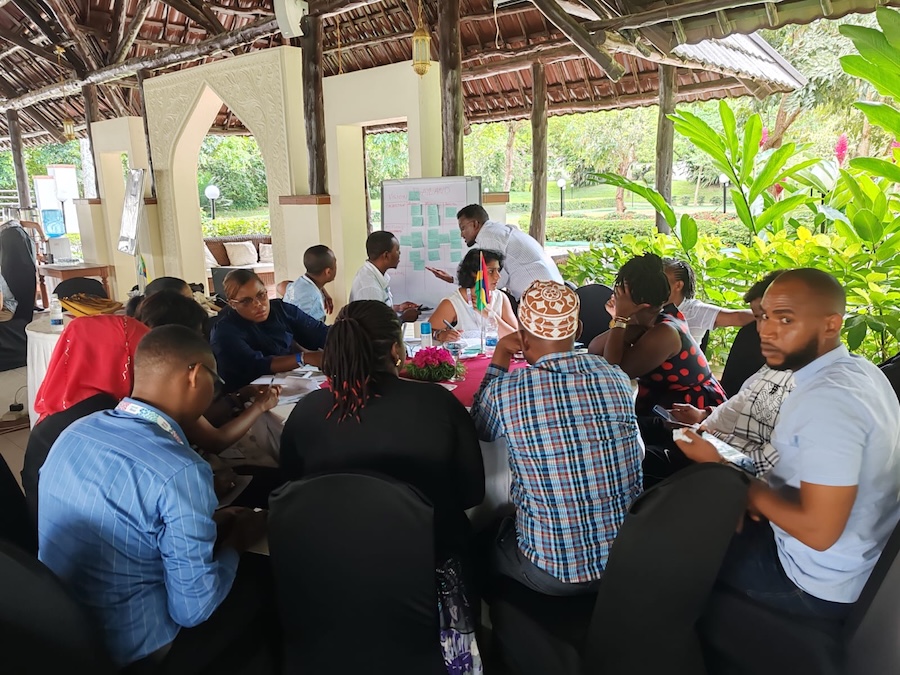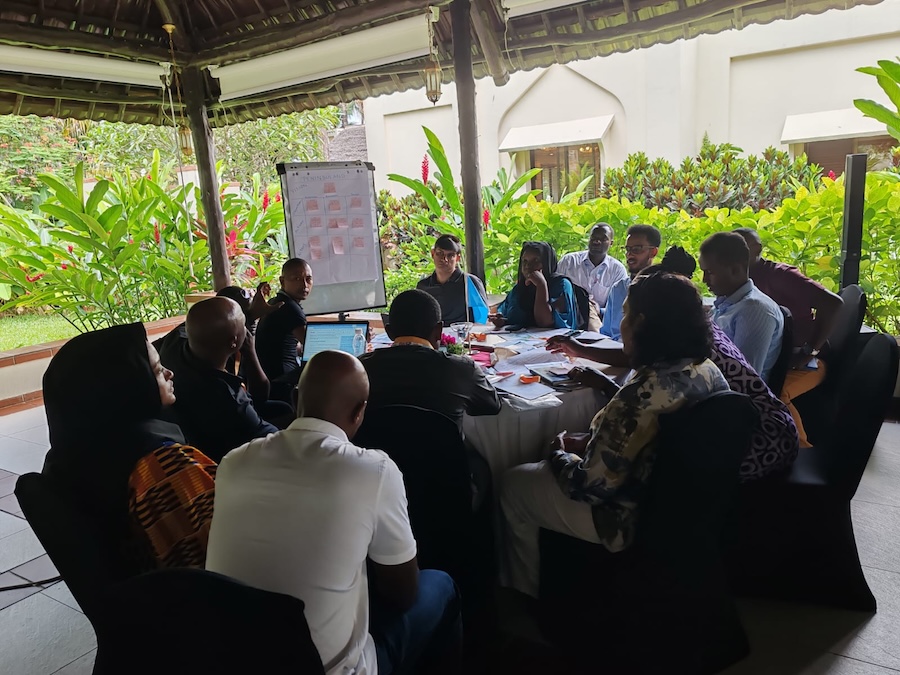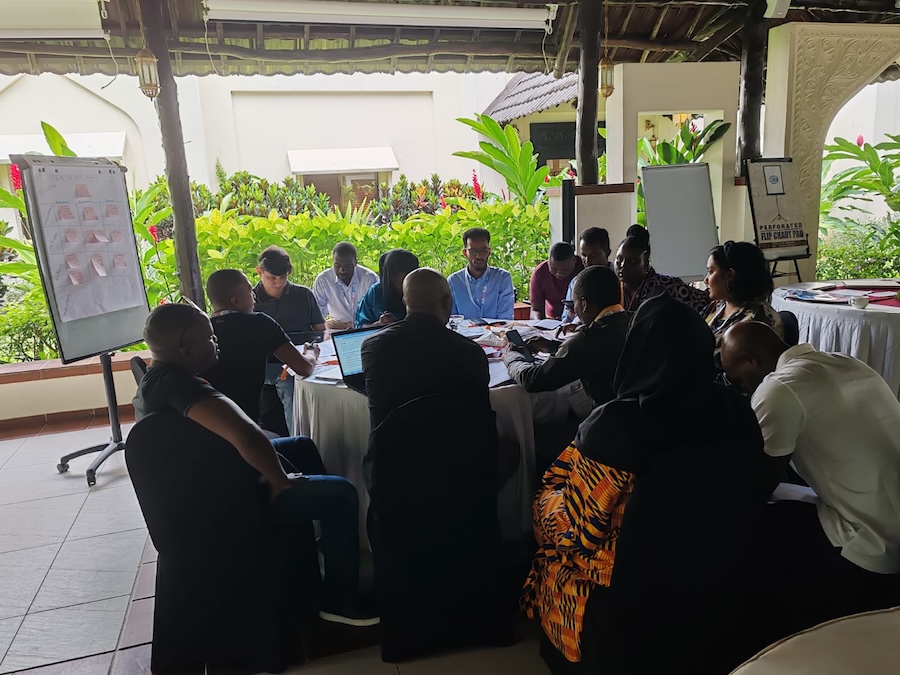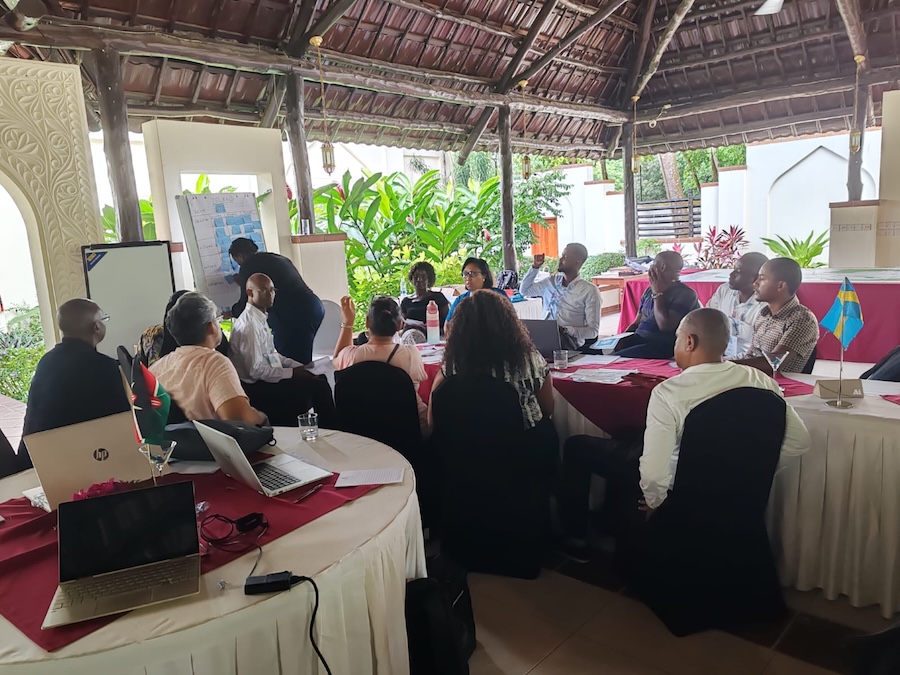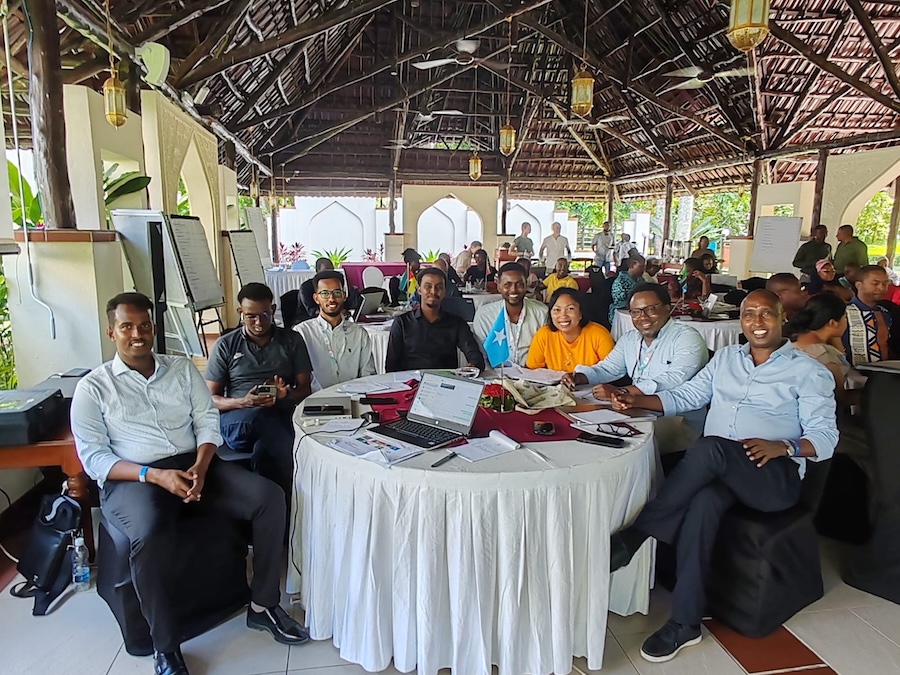


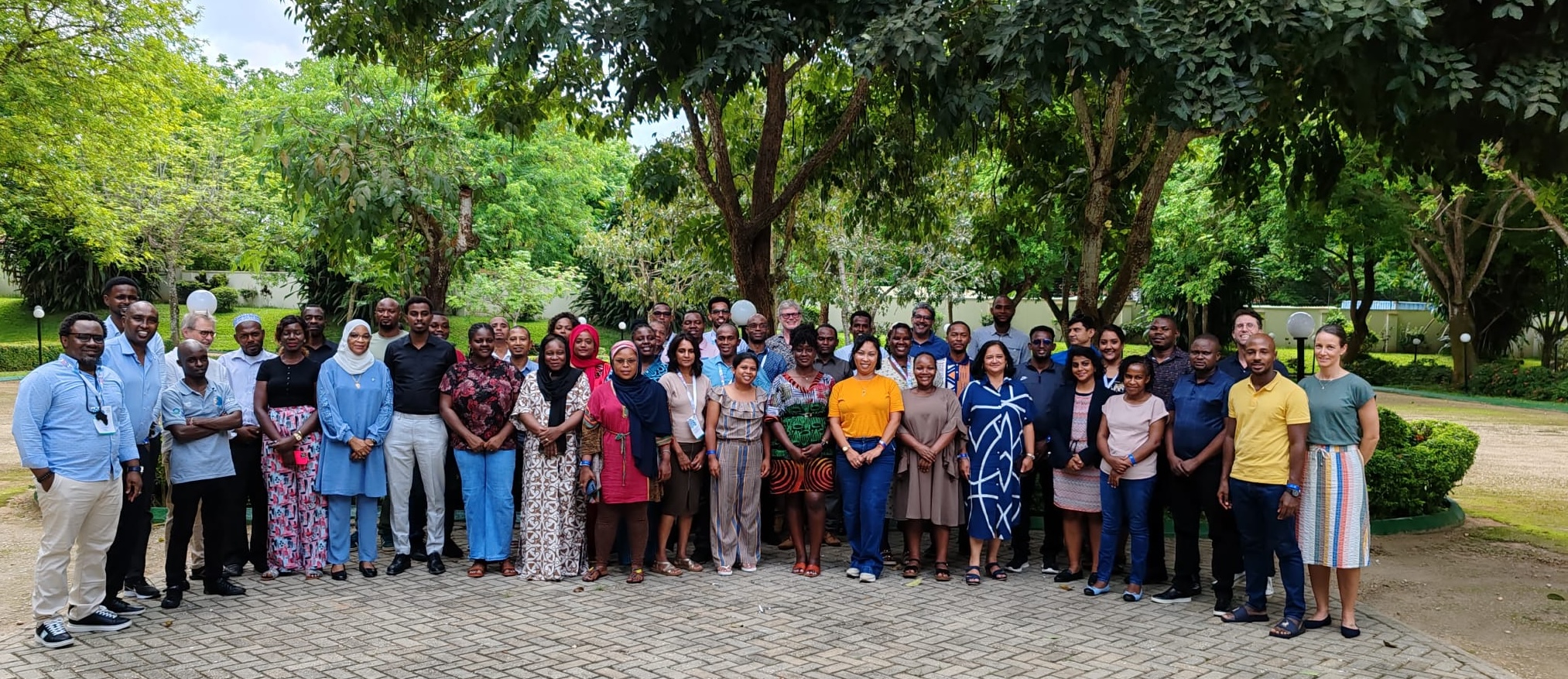
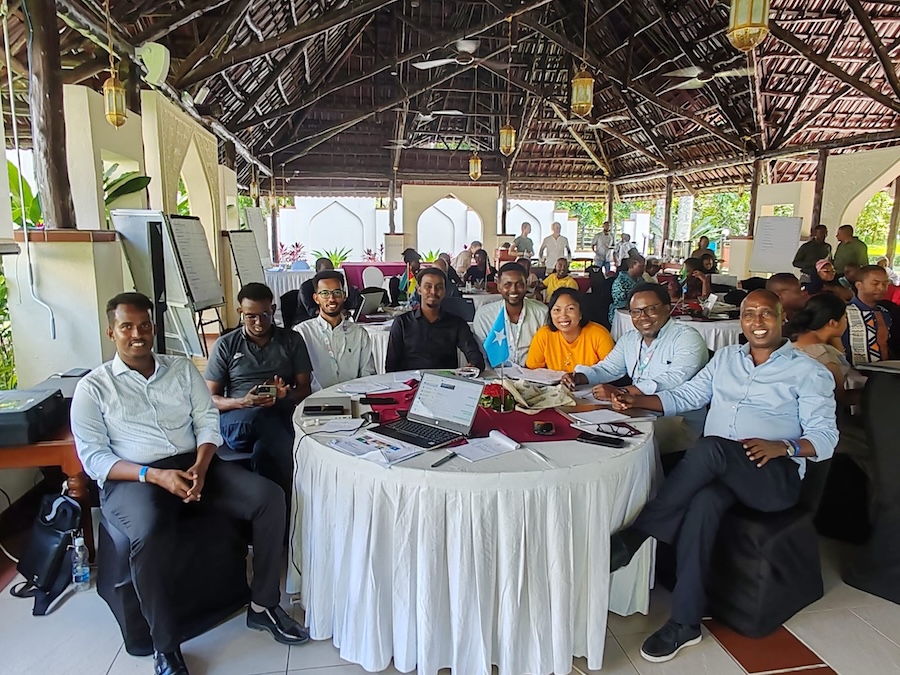
From 25-27 November 2025, MSPglobal facilitated a marine spatial planning (MSP) training in Zanzibar, Tanzania, for 54 participants, as part of an ongoing one-year international programme led by the Swedish Agency for Marine and Water Management (SwAM), aiming to strengthen MSP capacities in the Western Indian Ocean region.
Planning for a sustainable blue future in the Western Indian Ocean (WIO) to institutionally strengthen MSP in the region – this is the goal of the ongoing one-year international training programme by SwAM, which MSPglobal recently supported with a 3-day-long MSP training in Zanzibar. This foundational MSP training kick-started a 10-day regional workshop co-organised by the Intergovernmental Oceanographic Commission (IOC) of UNESCO, SwAM, NIRAS International Consulting, the Swedish Geological Survey (SGU), the Nairobi Convention and the Western Indian Ocean Marine Science Association (WIOMSA), on behalf of the Swedish International Development Cooperation Agency (Sida).
About the Blue Economy, Biodiversity and Climate Change
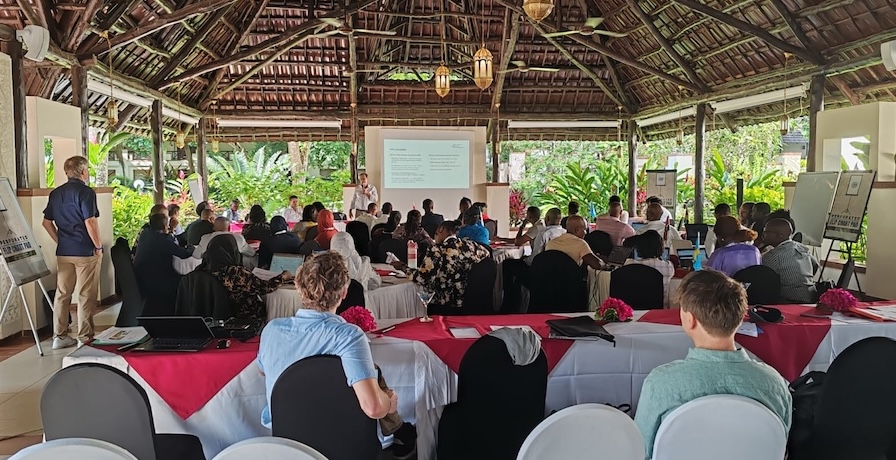
On the first day, a foundation of knowledge was built by giving the participants a general overview of the blue economy and specifically of Zanzibar, after Mr Derrick Njiru of the Nairobi Convention Secretariat welcomed the participants and stressed the continuous support of the Secretariat in fostering sustainable blue practices in the region as a whole. Mrs Mondy Muhando of the Ministry of Blue Economy and Fisheries addressed the relevance of blue economy and sustainable practices in Zanzibar’s environmental, social and economic accounts.
An introduction to the basics of MSP was then presented, based on the six MSP phases of the MSPglobal International Guide, which is a key reference for MSP guidelines. Having set up this foundation, two highly relevant MSP principles, recently launched by MSPglobal as additional international guidelines, were presented:
Starting with the biodiversity inclusive principle, it reinforces biodiversity as a key to ocean health and human livelihoods. It supports countries in answering the call of the Kunming-Montreal Global Biodiversity Framework, namely to implement participatory, integrated and biodiversity inclusive spatial planning.
Secondly, the climate-smart principle was discussed, which helps countries scale up climate action in the next decade. Climate-smart MSP integrates climate-related knowledge but also supports efforts to reduce or capture carbon emissions (mitigation) and alleviate the negative impacts of climate change (adaptation).
Planning and assessing the MSP process
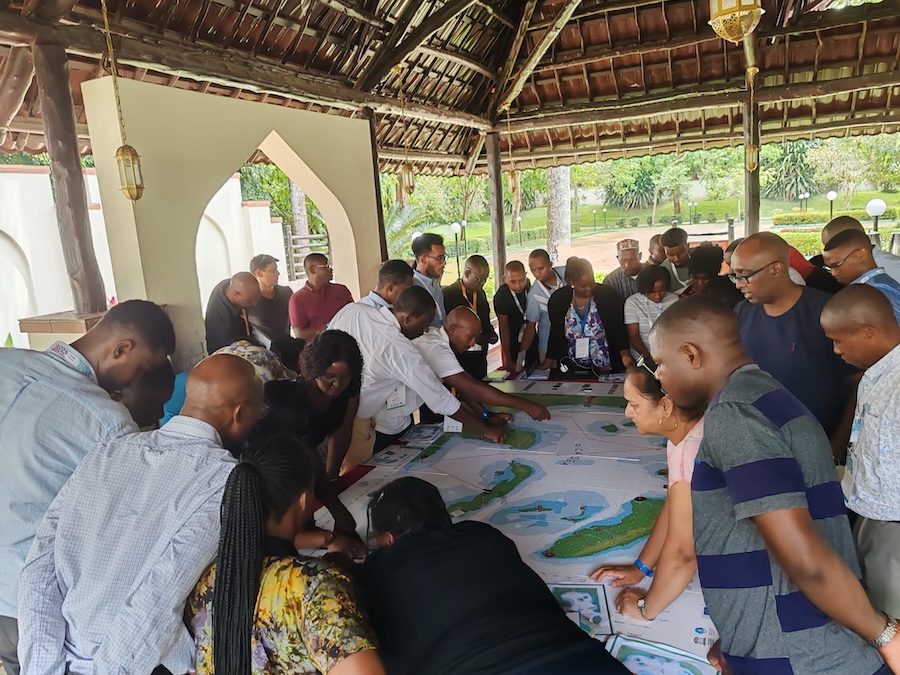
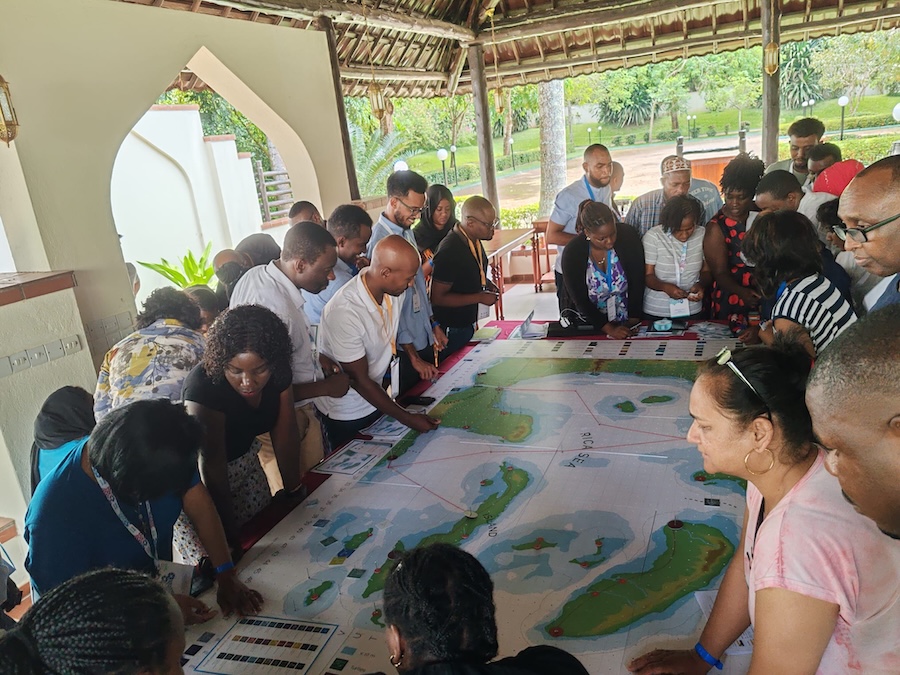
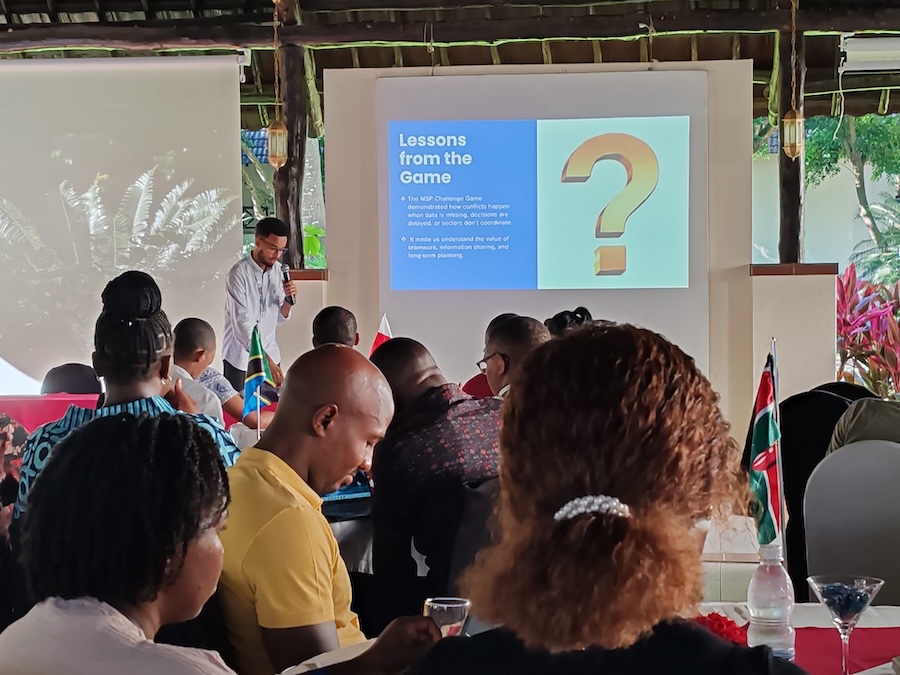
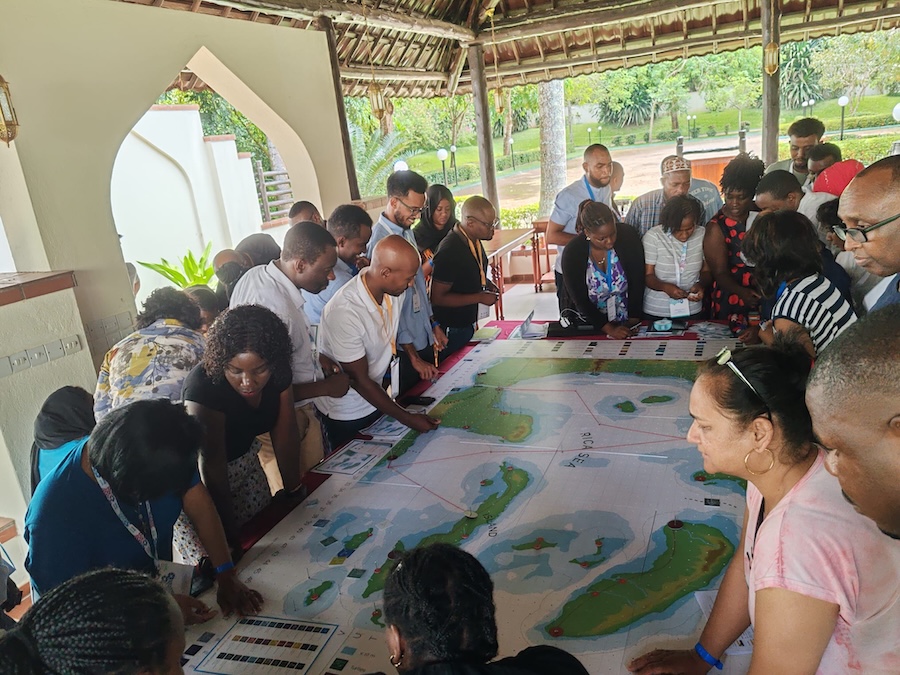
The second day was fully dedicated to playing the strategic MSP Challenge, an educational board game played in groups to understand the complex relations between maritime activities and marine ecosystems when planning national waters – you can download the handbook here.
Finally, towards the end of our training, the participants were introduced to the newly launched MSPglobal Rapid Assessment Methodology (RAM), which helps authorities identify and develop actions, tasks and a workplan to advance MSP processes, including capacity building.
The RAM consists of three steps, with each step having a factsheet serving as a template to guide practitioners in the assessment. The implementation has two outputs: Step 1 and Step 2 are combined in one publication and are an assessment/diagnosis with initial recommendations, while Step 3 is the final MSP Action plan. The six countries that first implemented the MSPglobal RAM officially launched their first publication this year: Benin, Côte d’Ivoire, Ghana, Togo, Thailand and Brazil.
The MSPglobal training concluded with a quick assessment of the MSP status of the participants’ countries, which also included a situational analysis of more WIO countries. The week followed interesting sessions on legal aspects of MSP and the Swedish experience, as well as the role of data for MSP and more.
DOCUMENTS:
- Main presentation about MSPglobal
- Presentation of MSP Guides on biodiversity and climate change
- Hands-on: MSPglobal Challenge
- Presentation of MSPglobal Rapid Assessment Methodology (RAM)
- Presentation of MSPglobal RAM implementation in piloting countries
RELATED LINKS:
- SwAM’s international training programme in marine spatial planning
- MSPglobal International Guide on Marine/Maritime Spatial Planning Volume 2 – Biodiversity Inclusive Principle
- MSPglobal International Guide on Marine/ Maritime Spatial Planning Volume 3 – Climate-smart Principle
- MSPglobal Rapid Assessment Methodology
CONTACT:
MSPglobal.comm@unesco.org