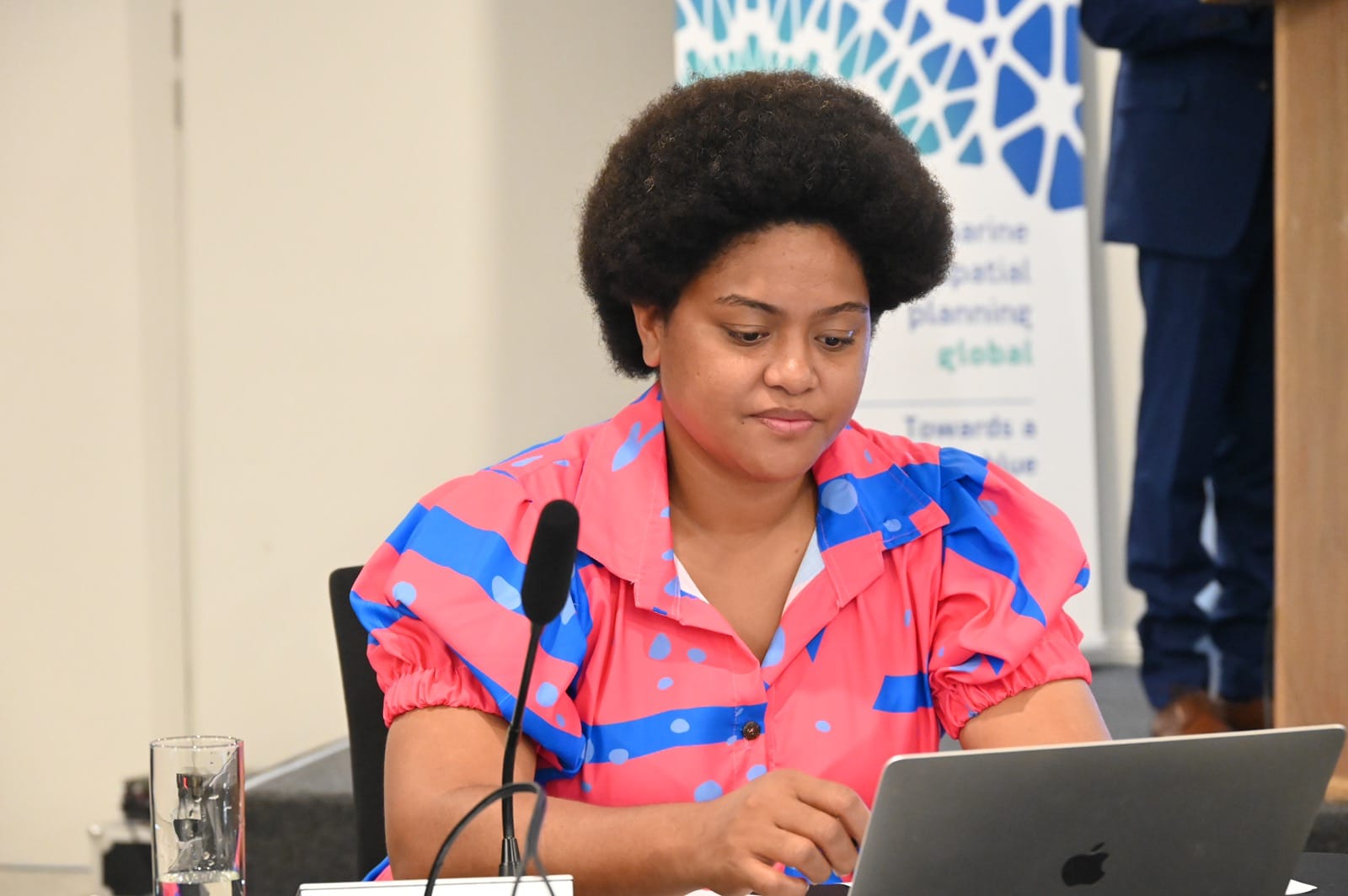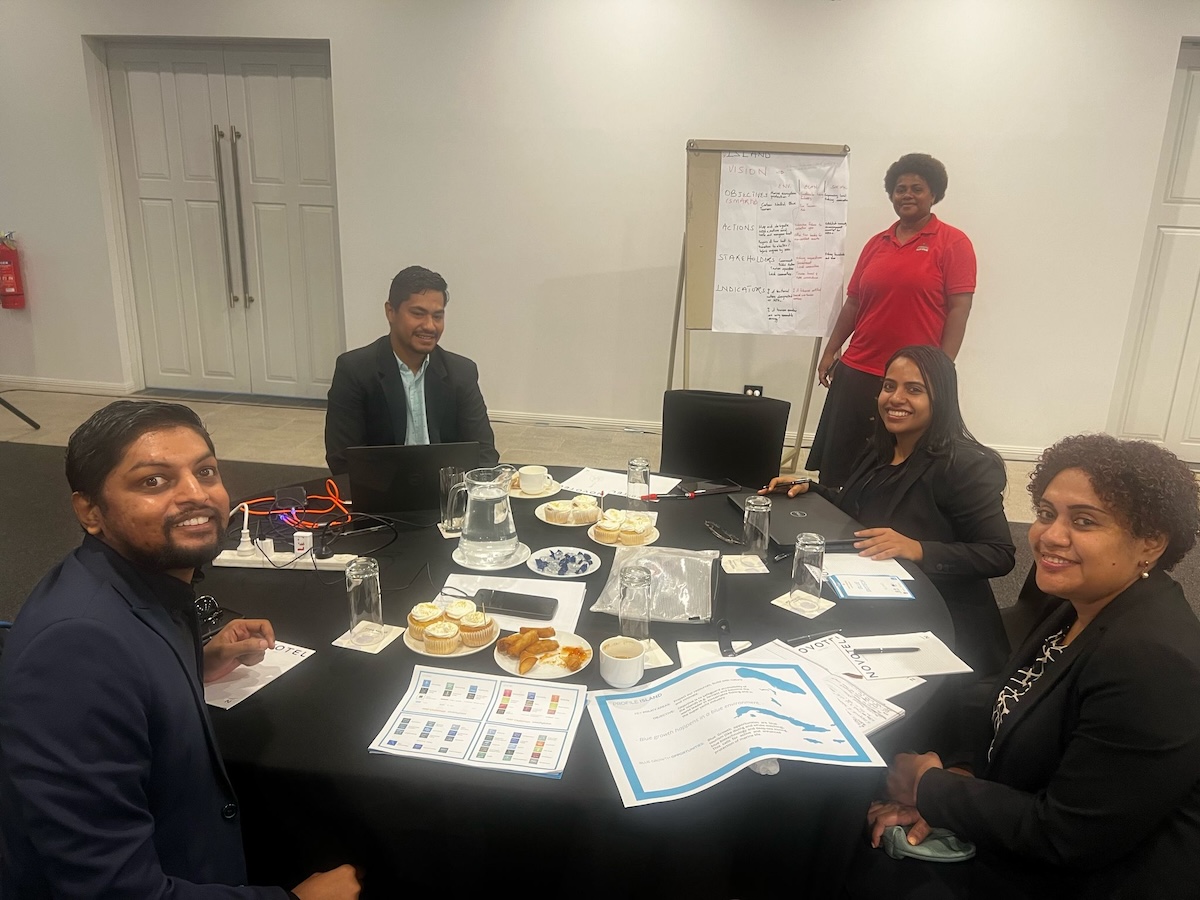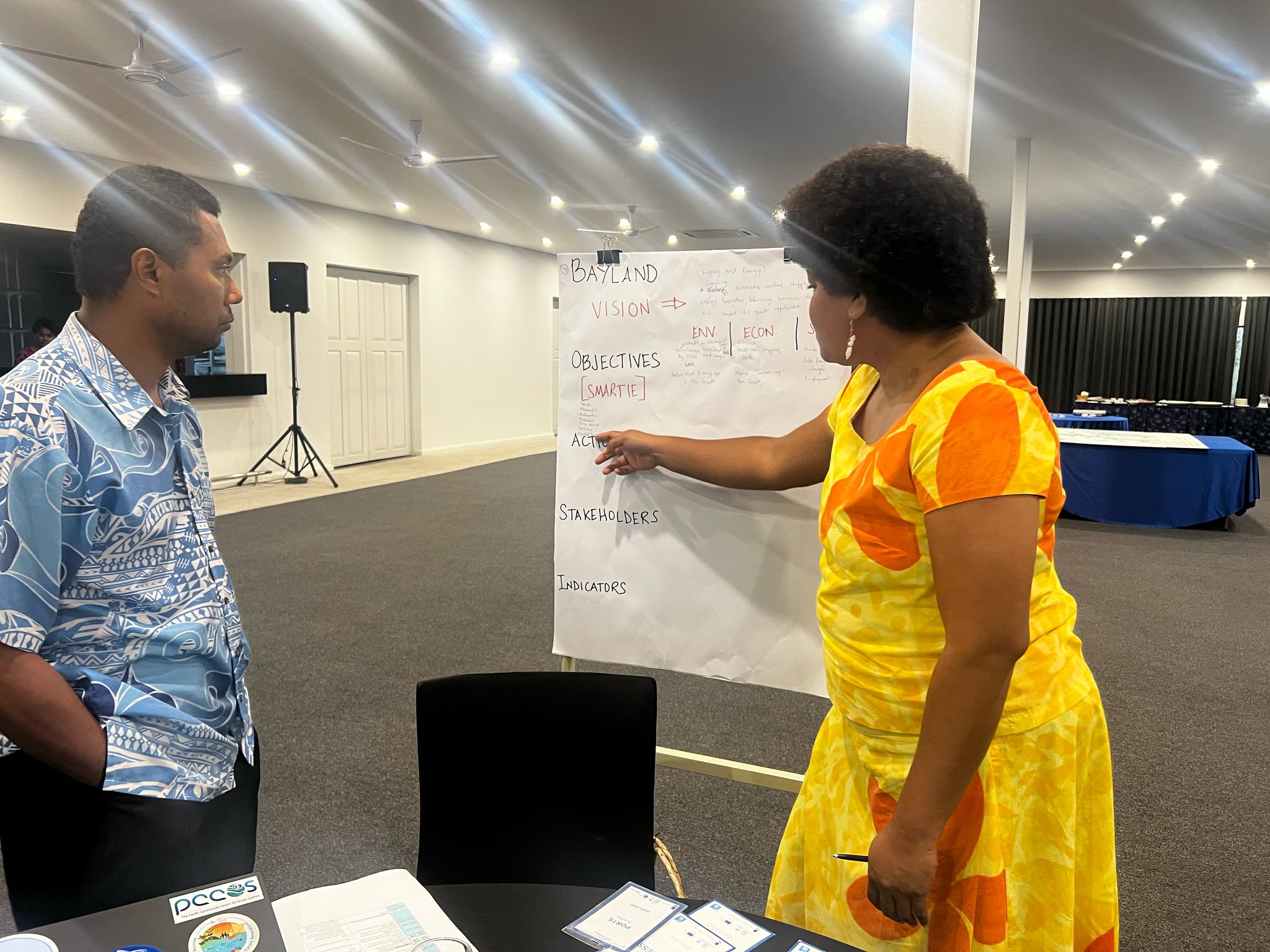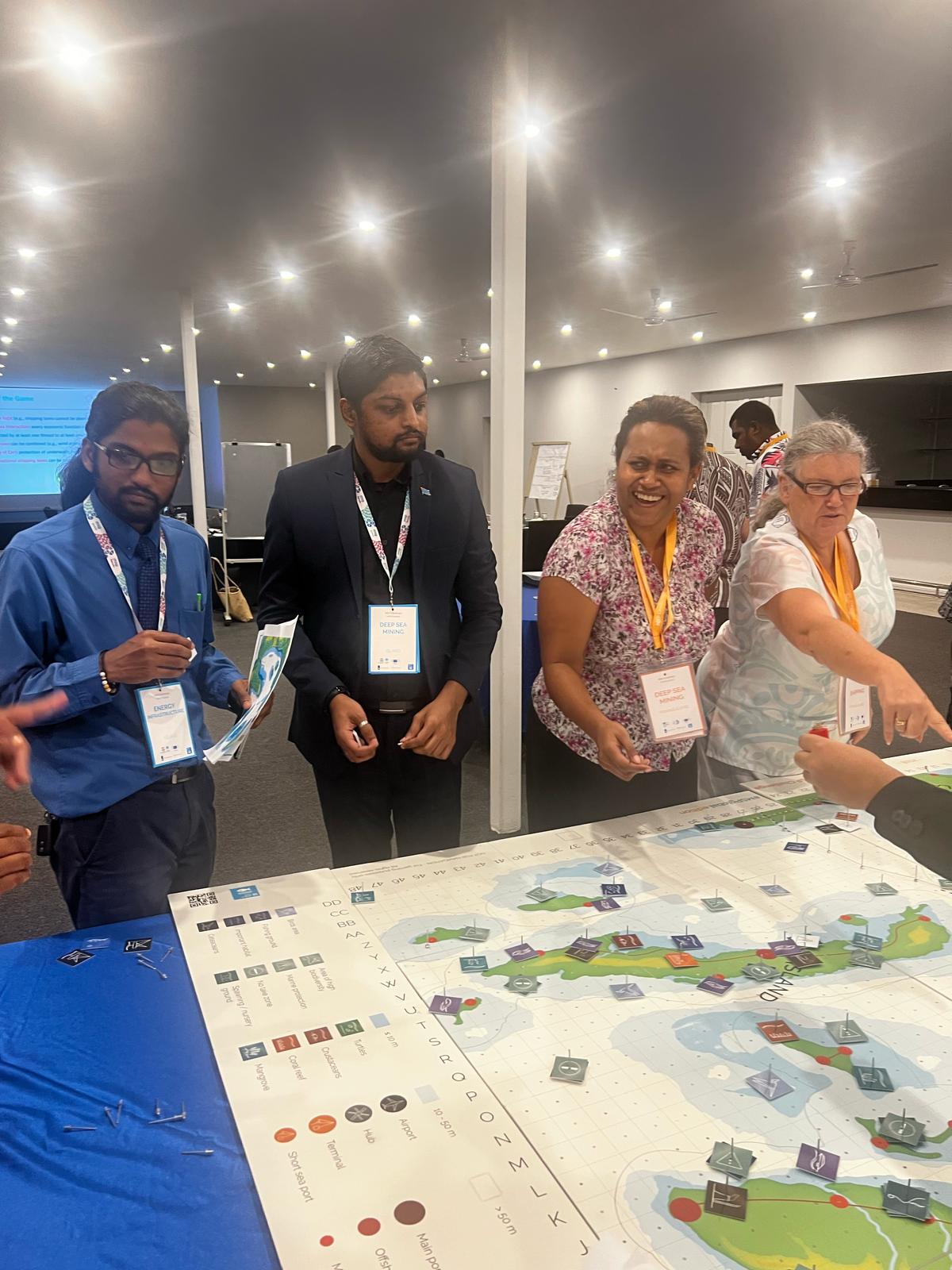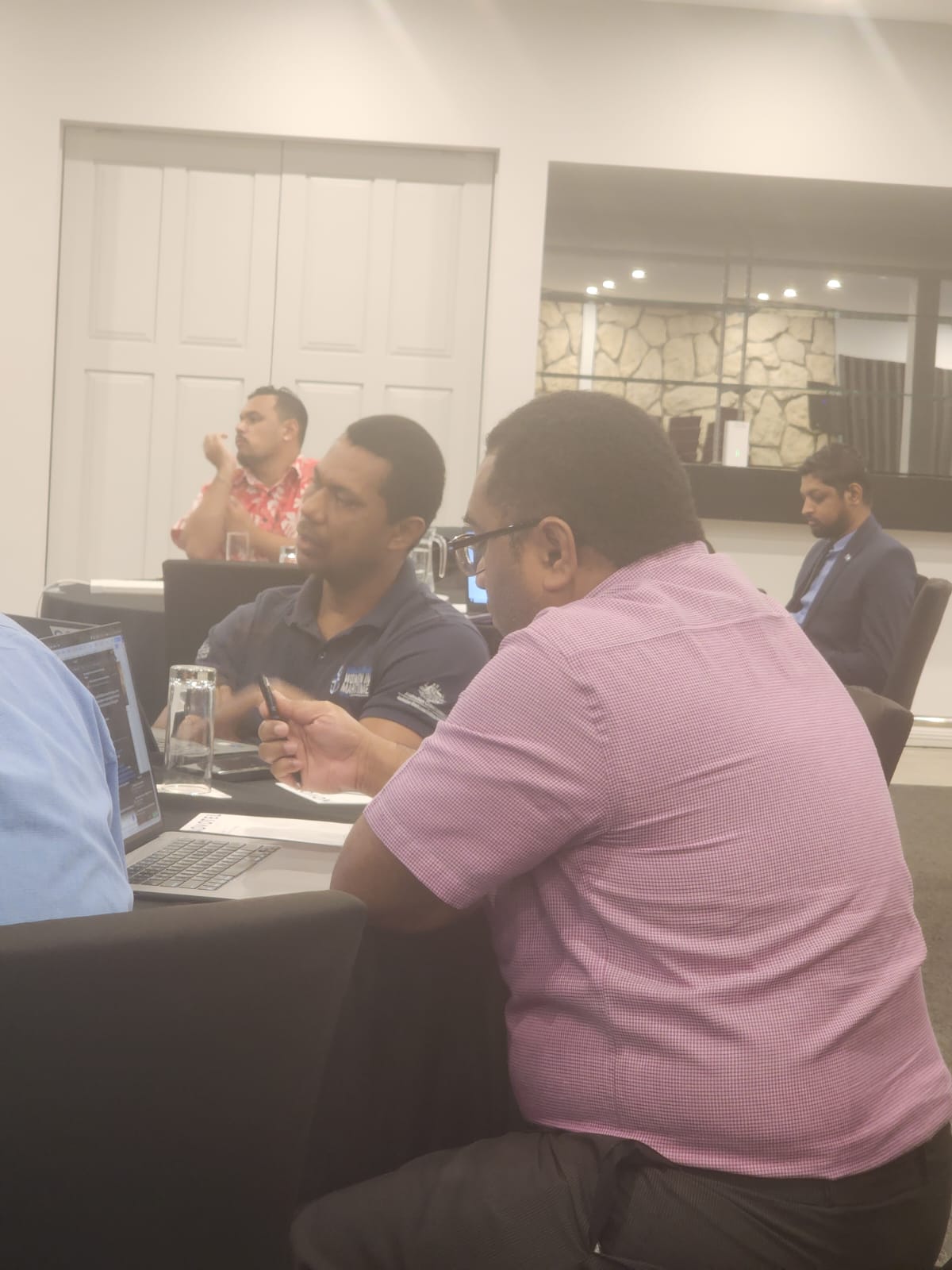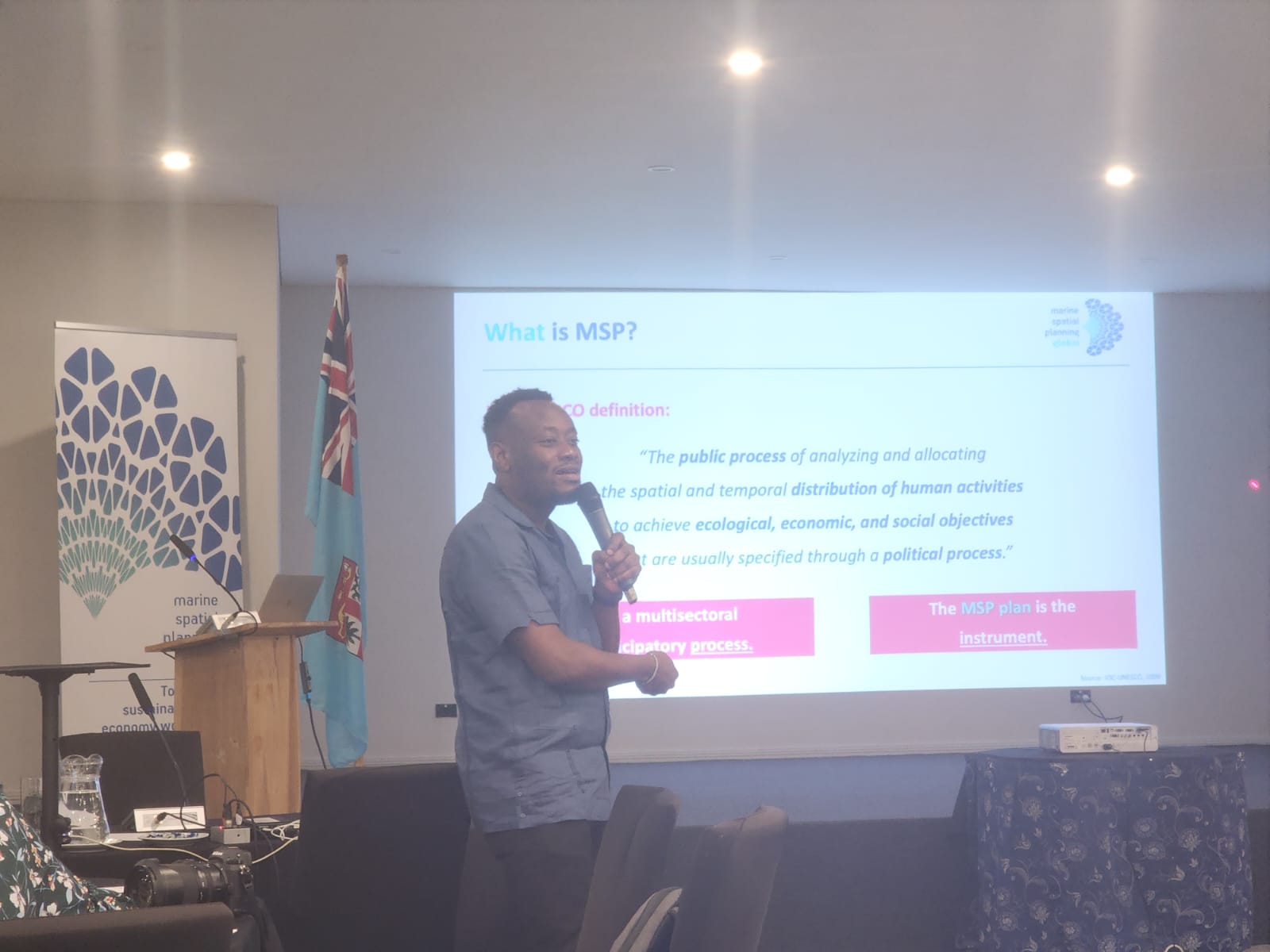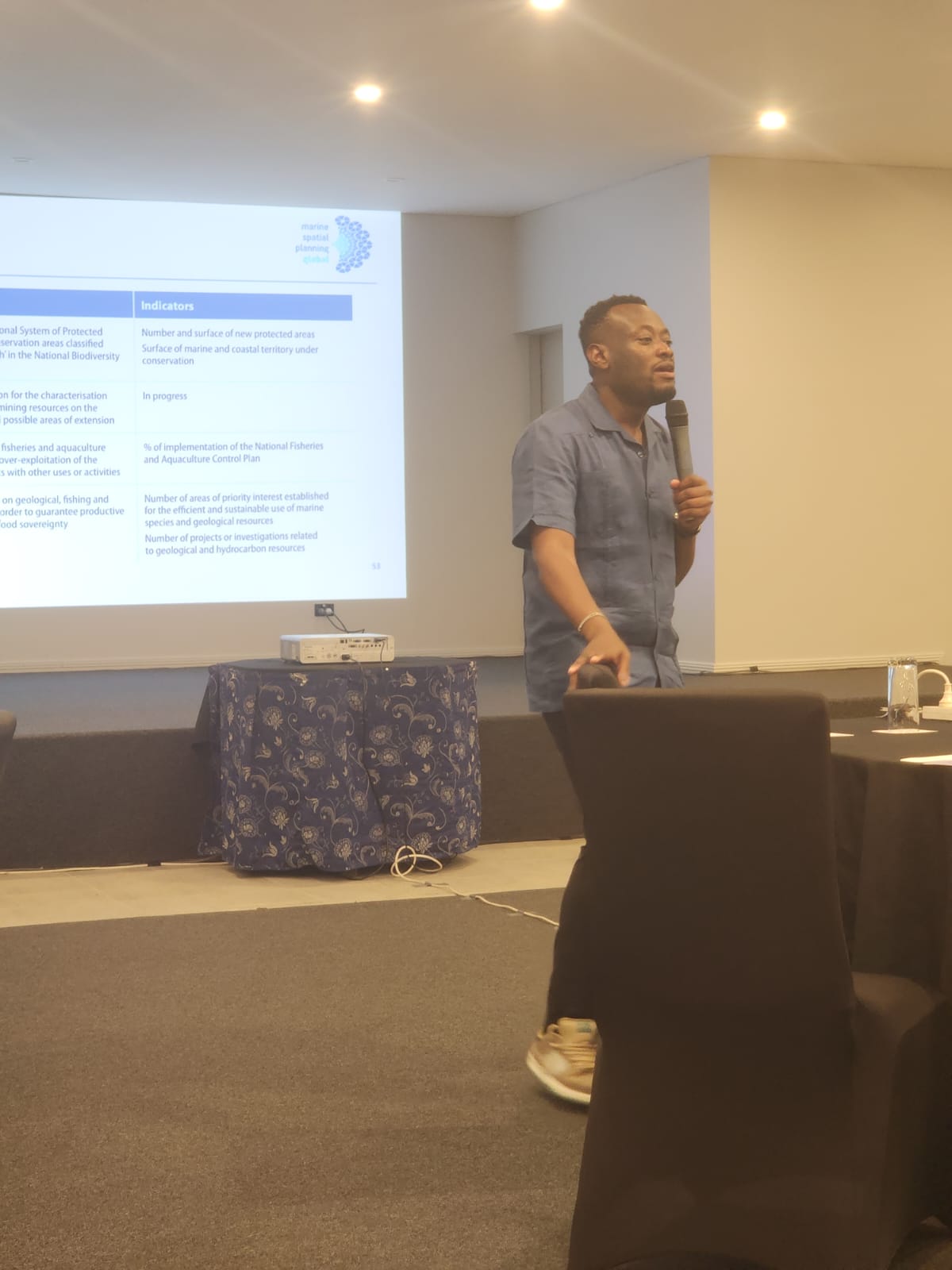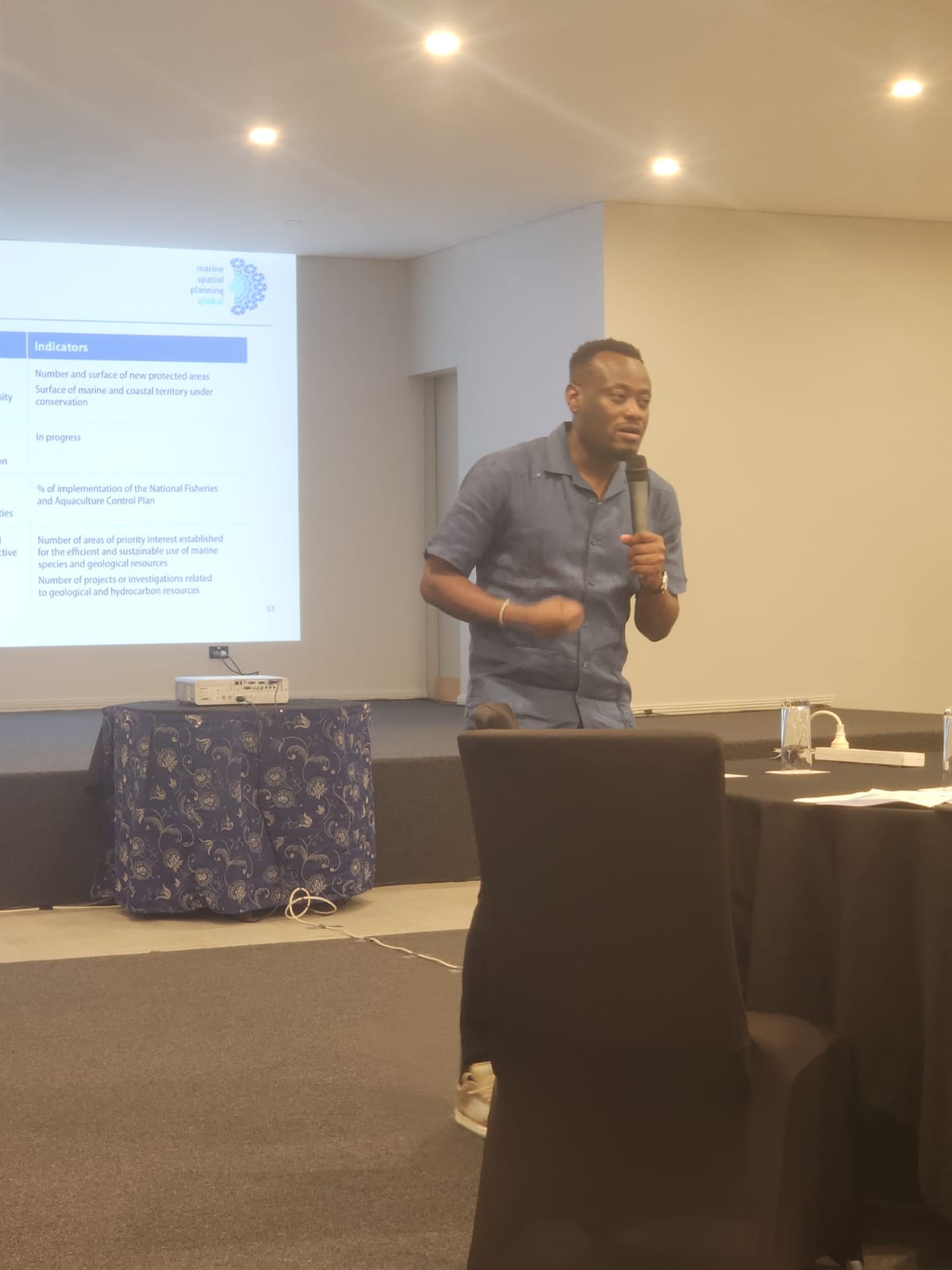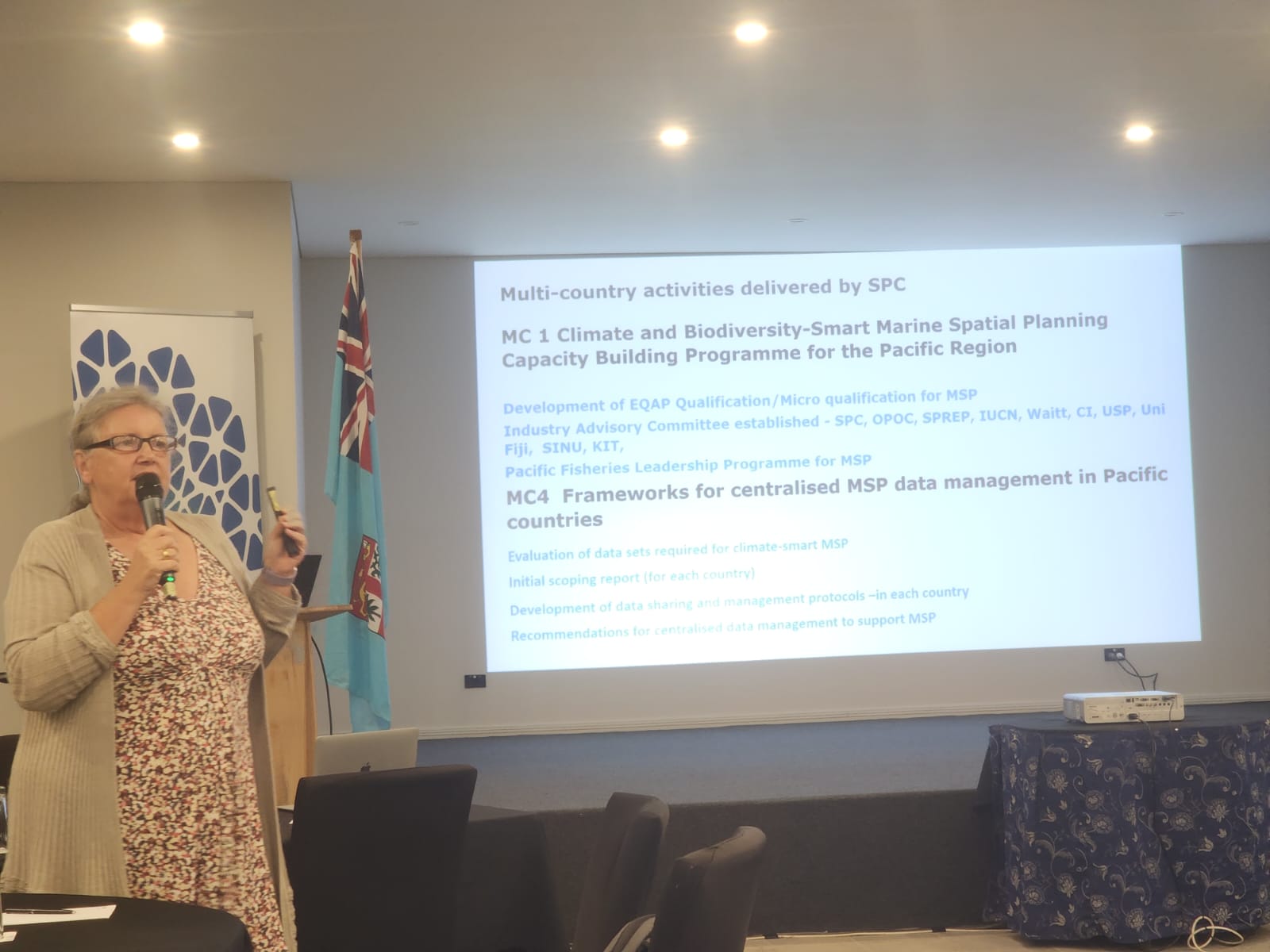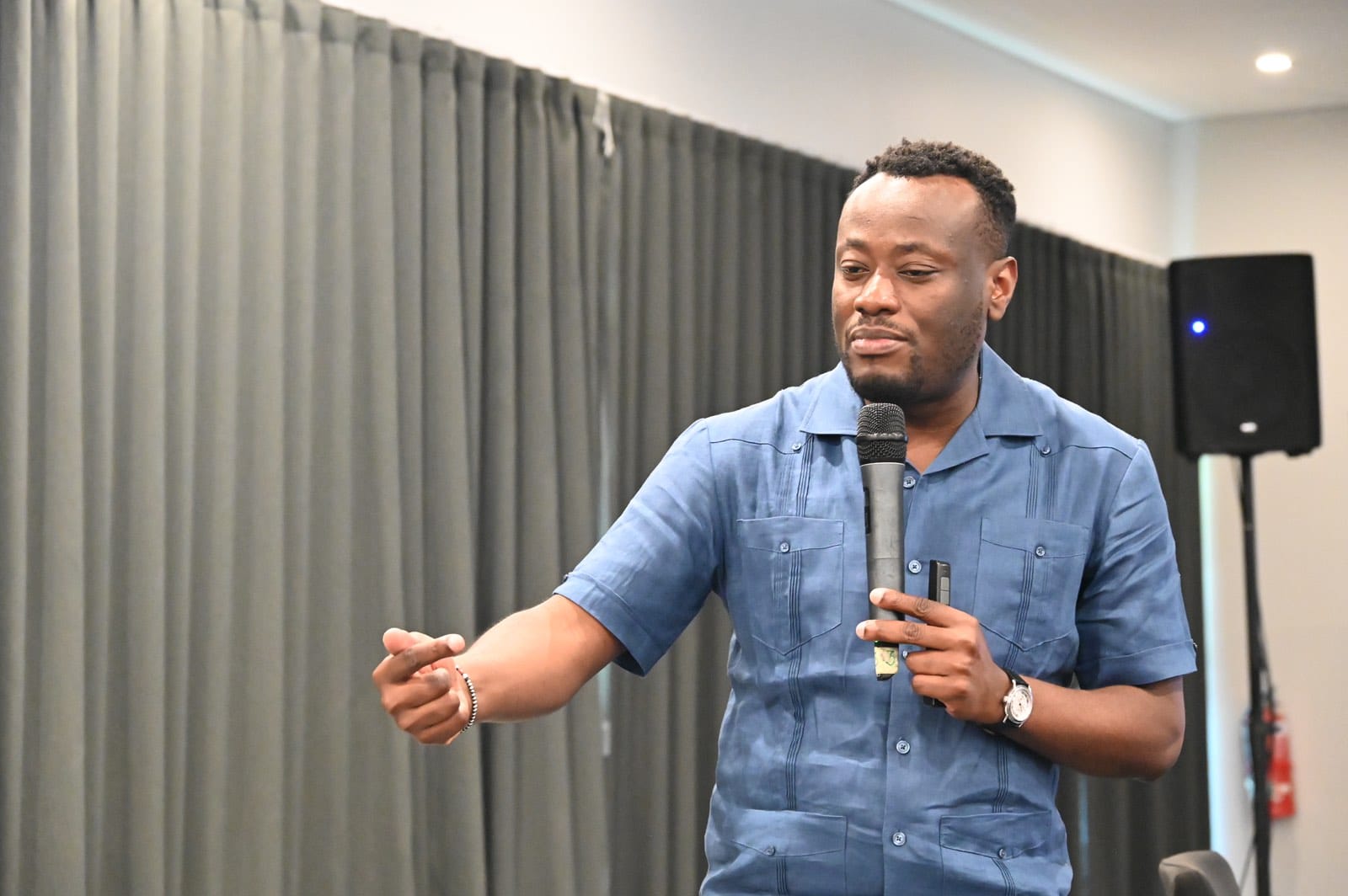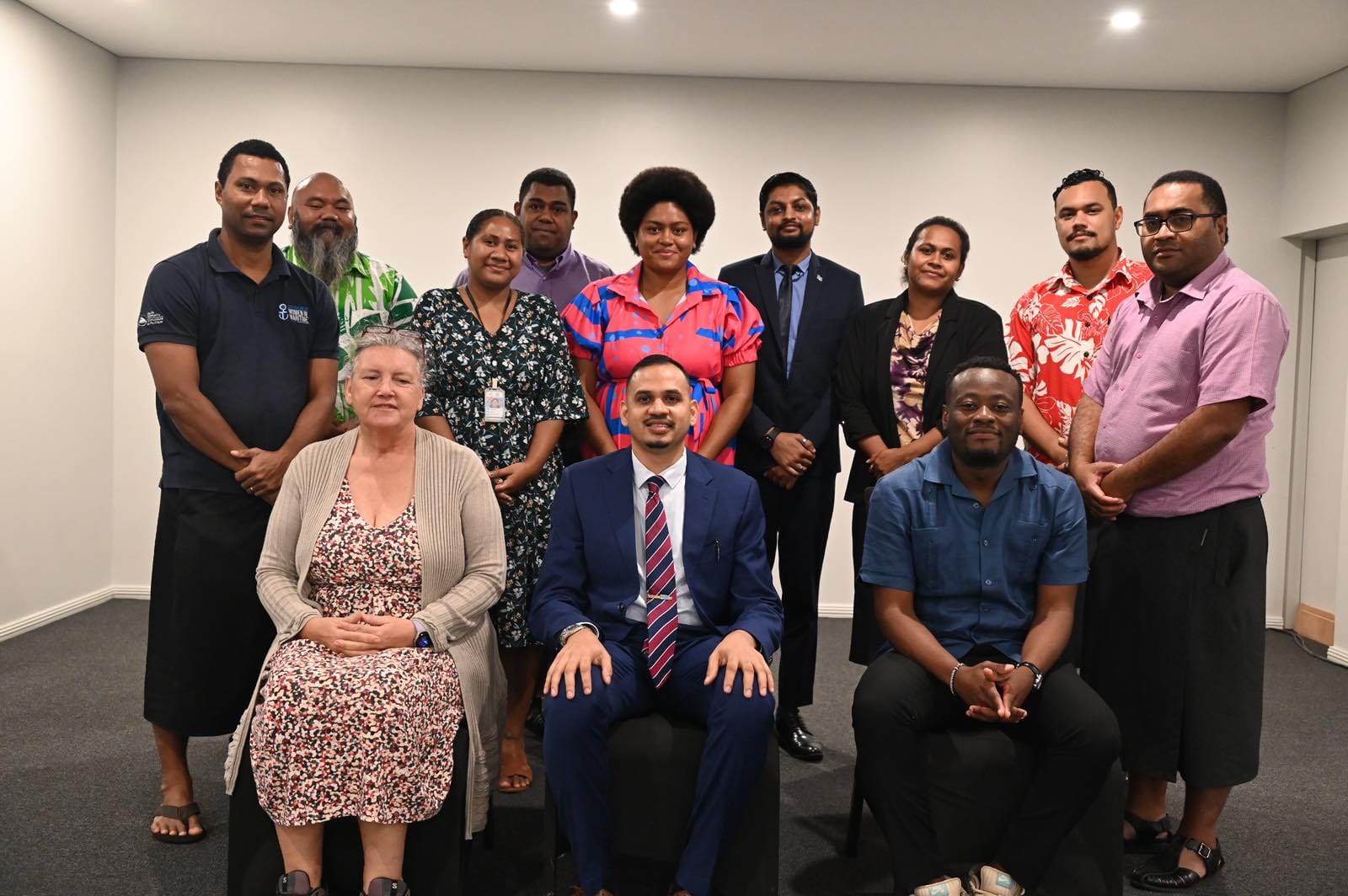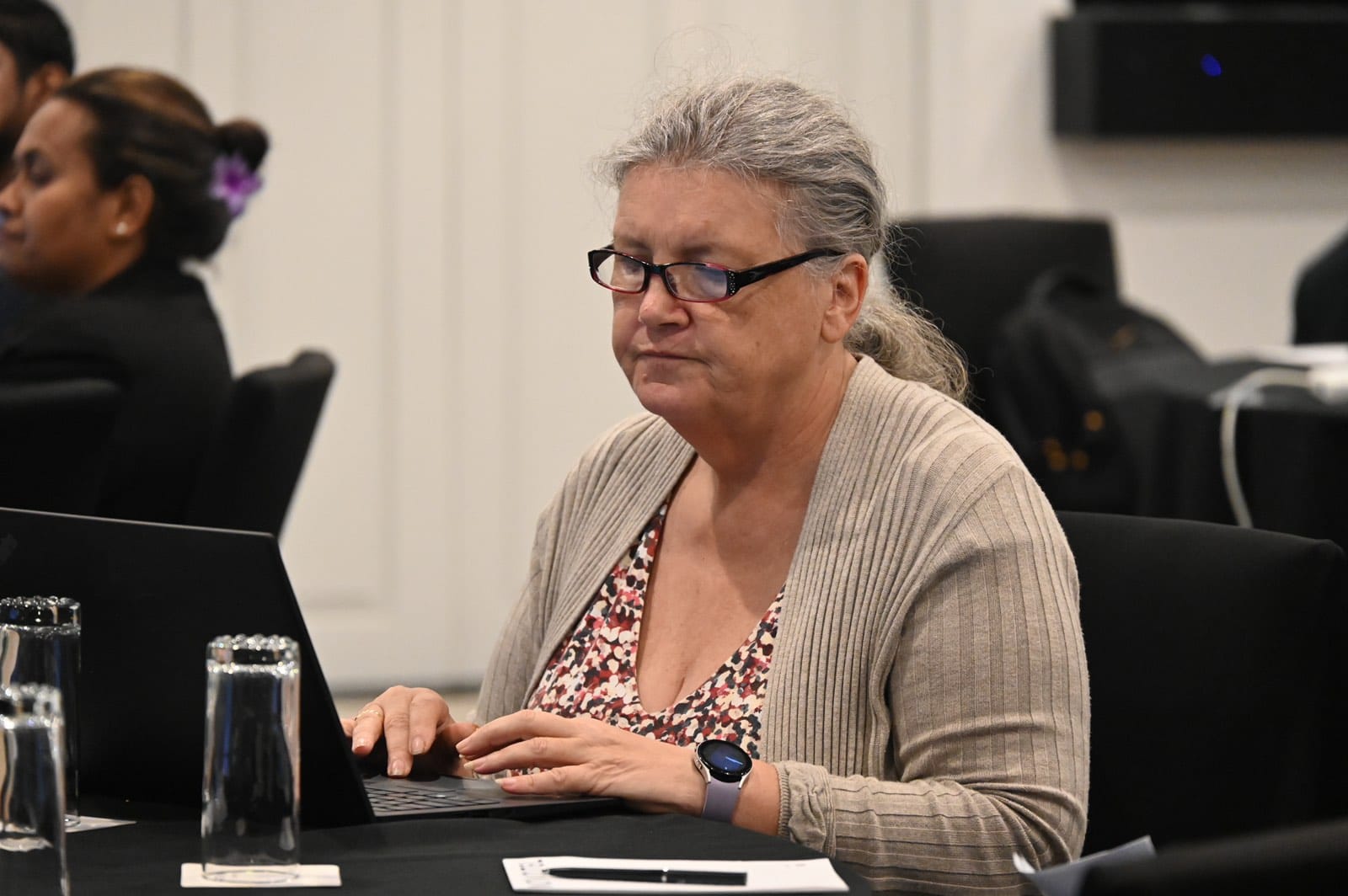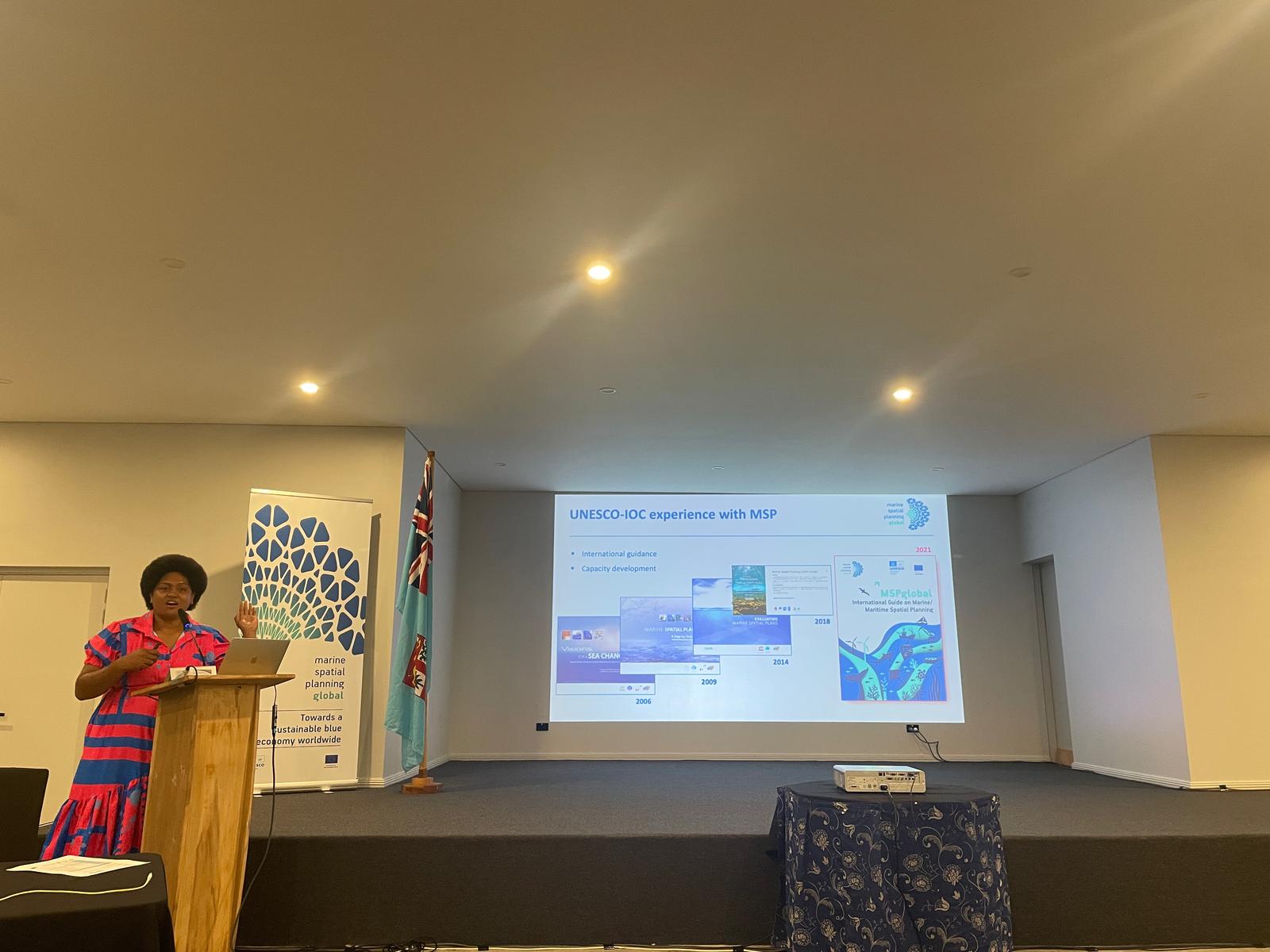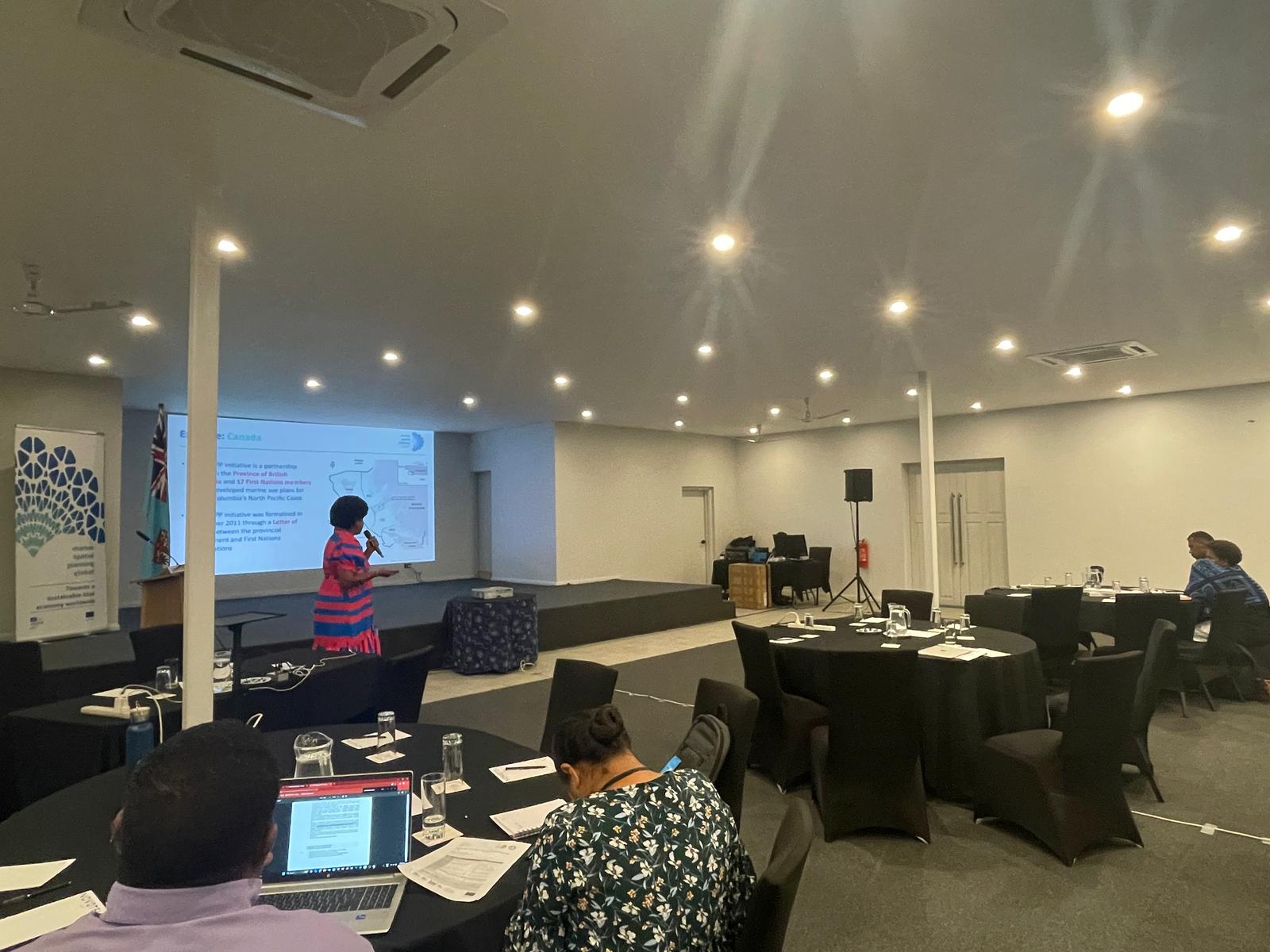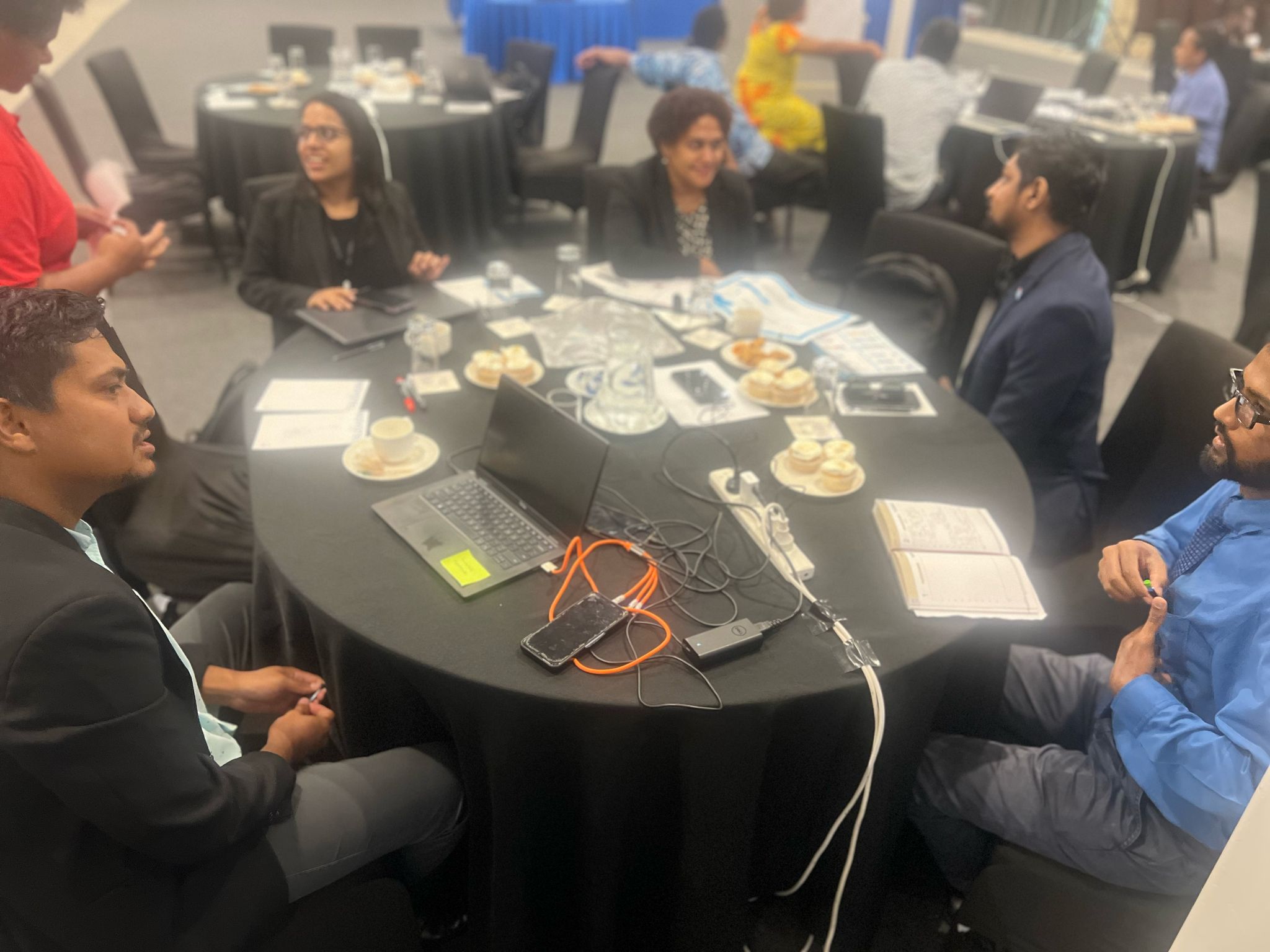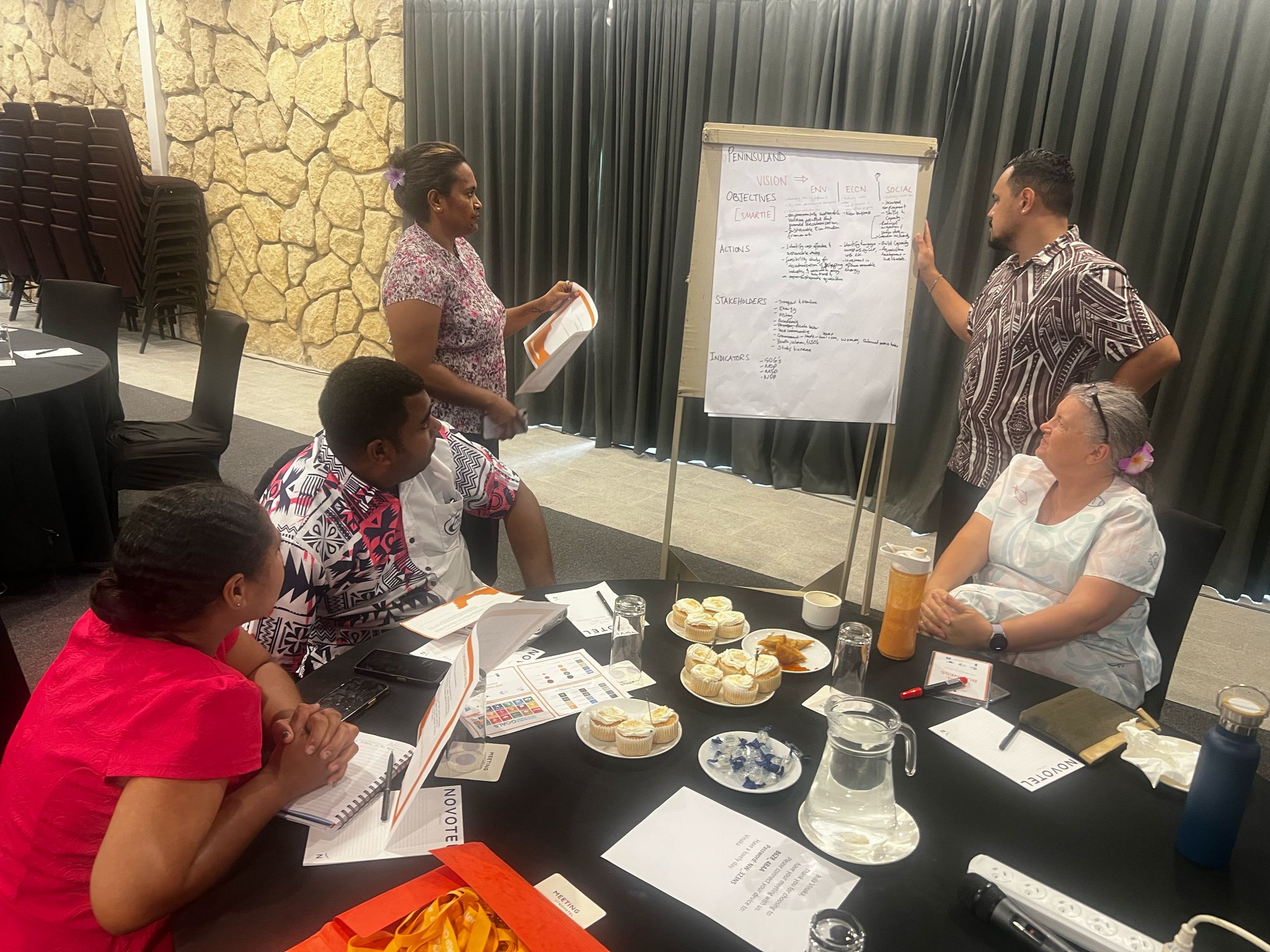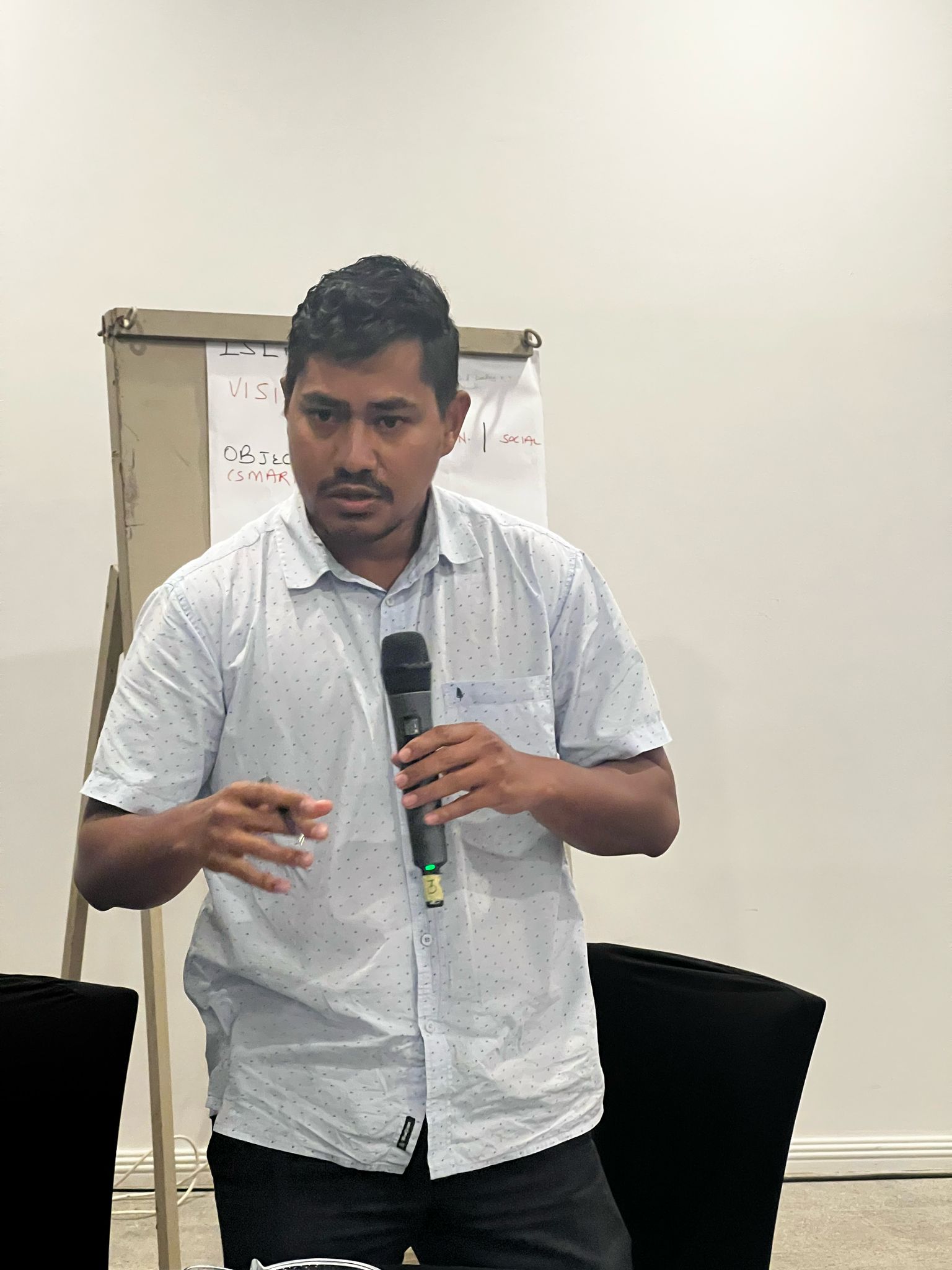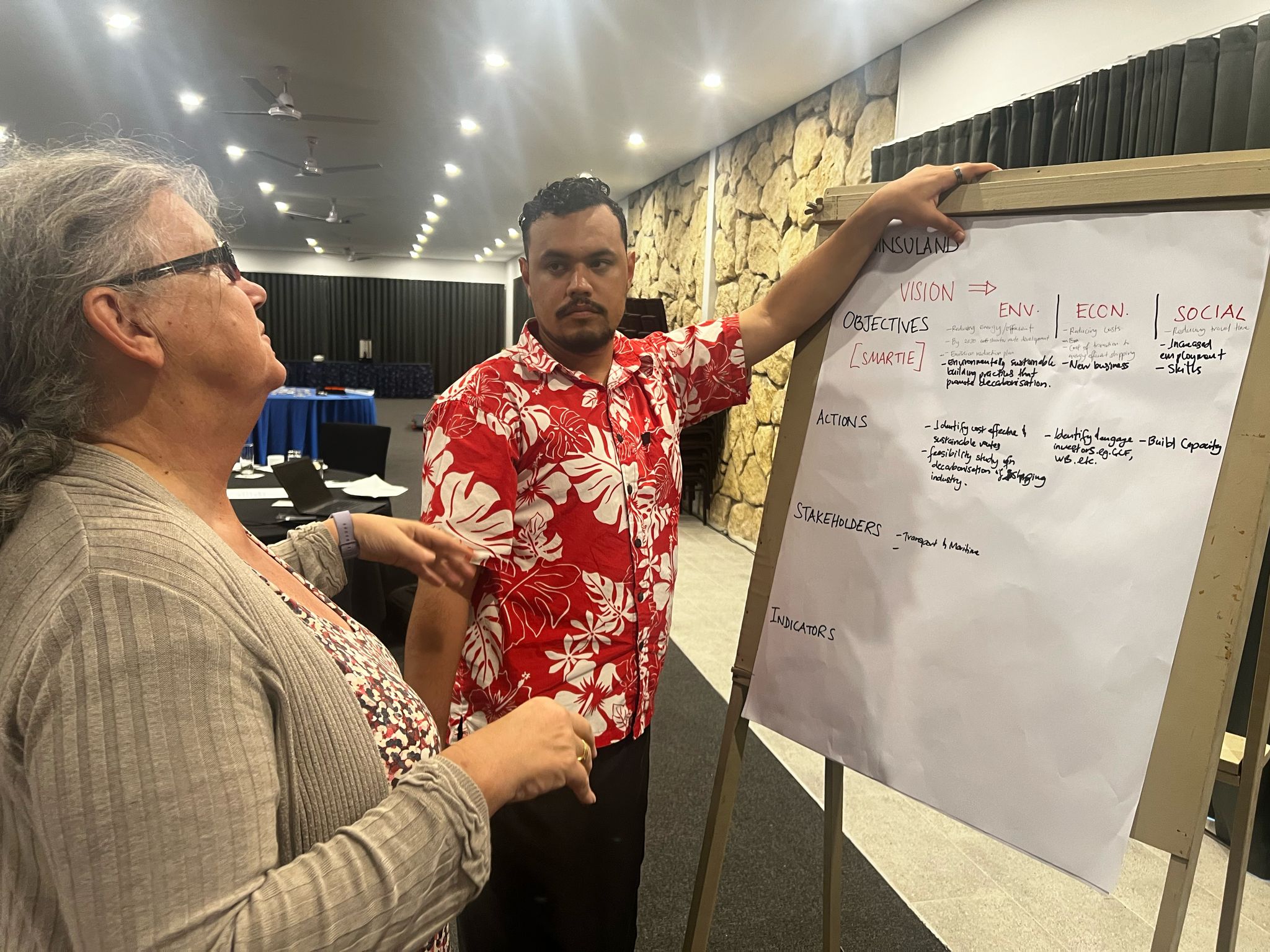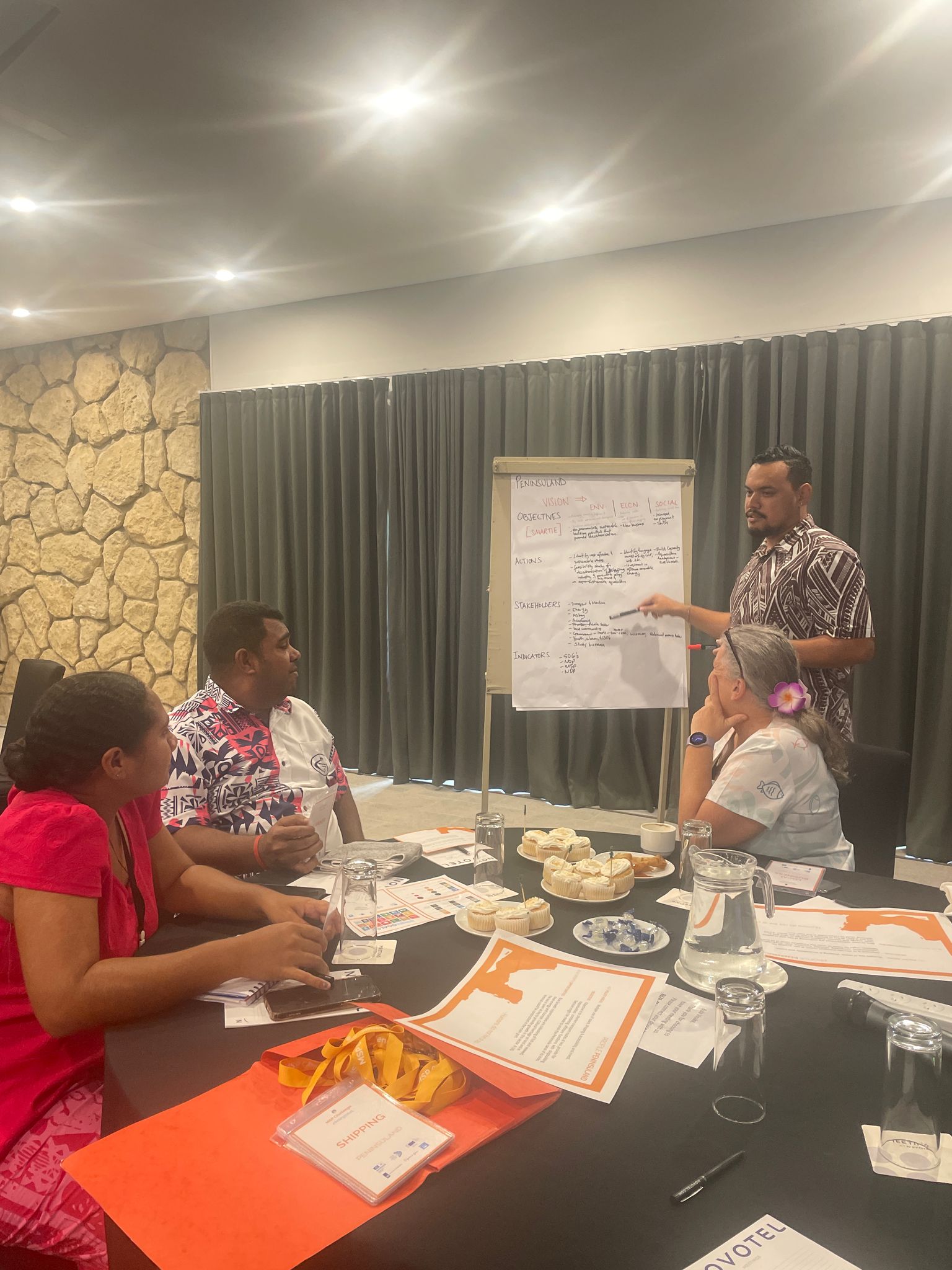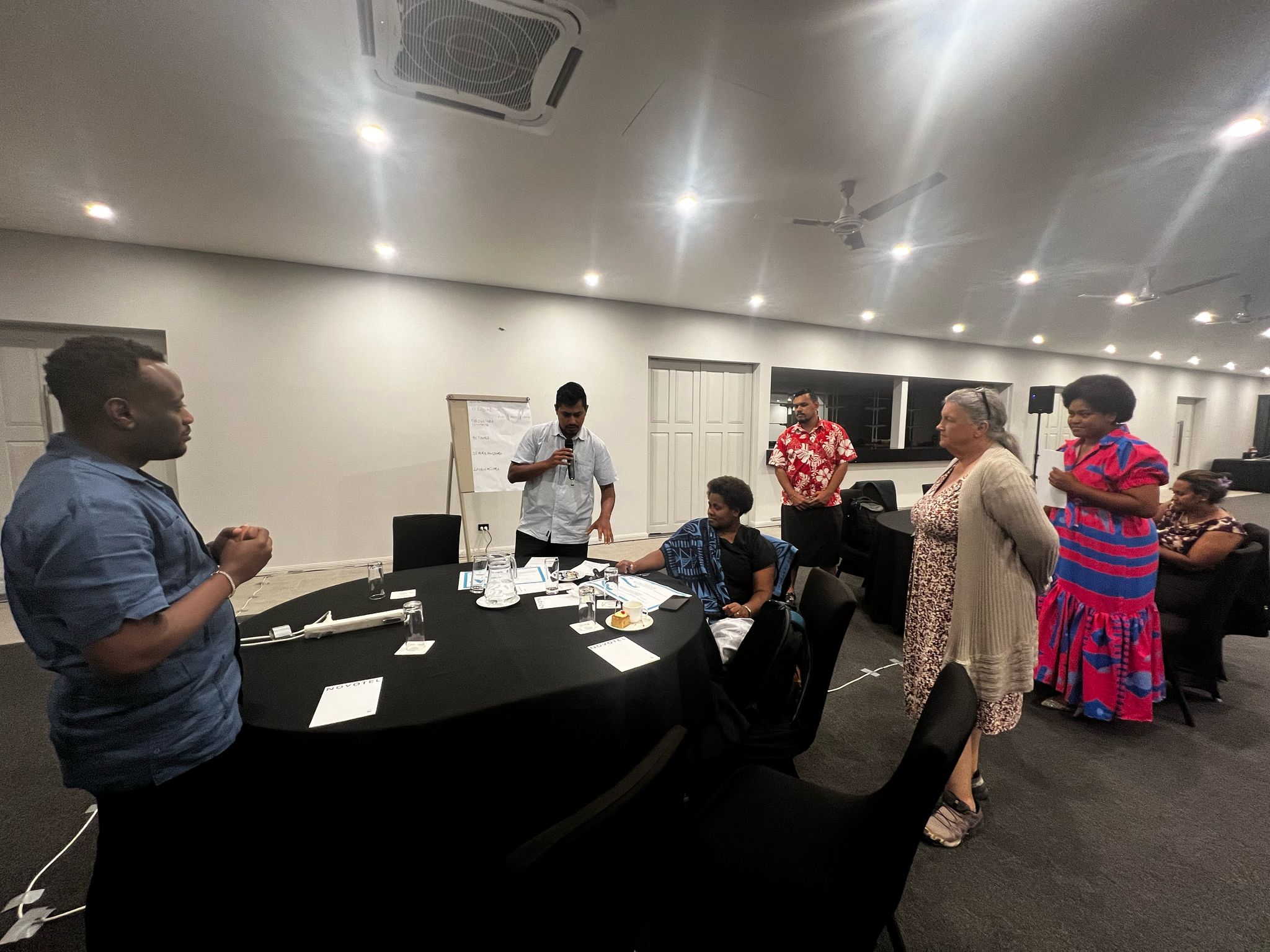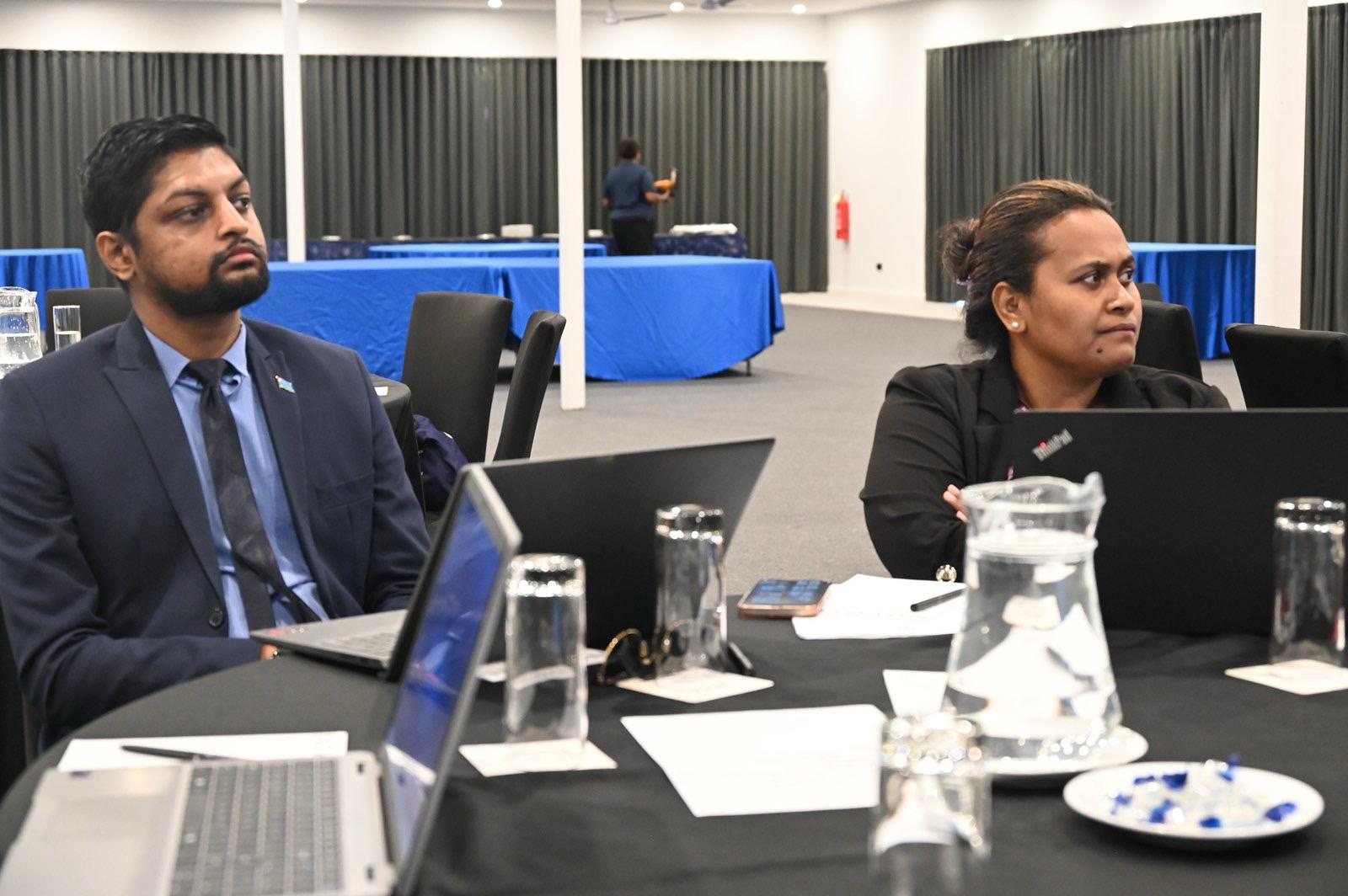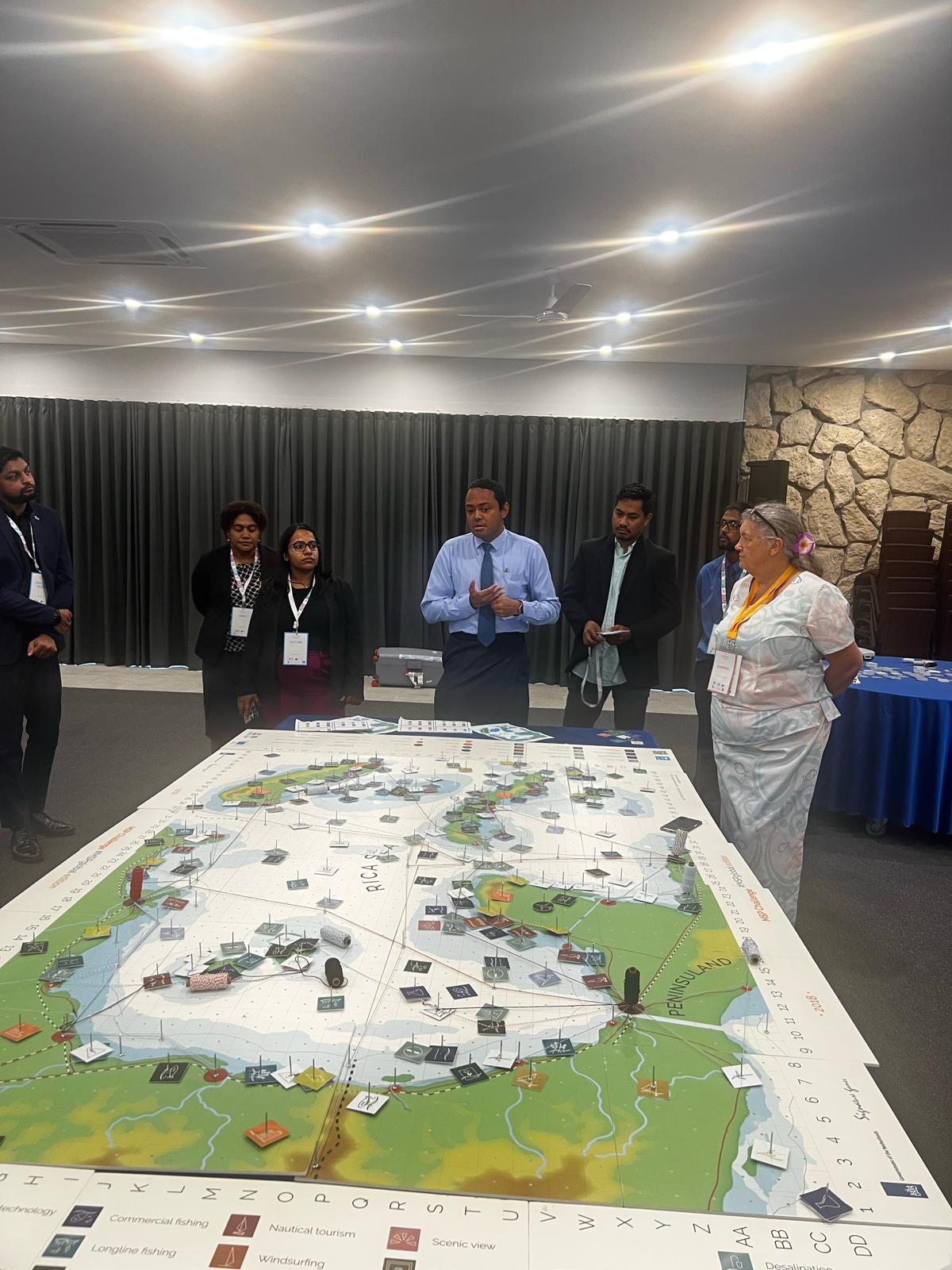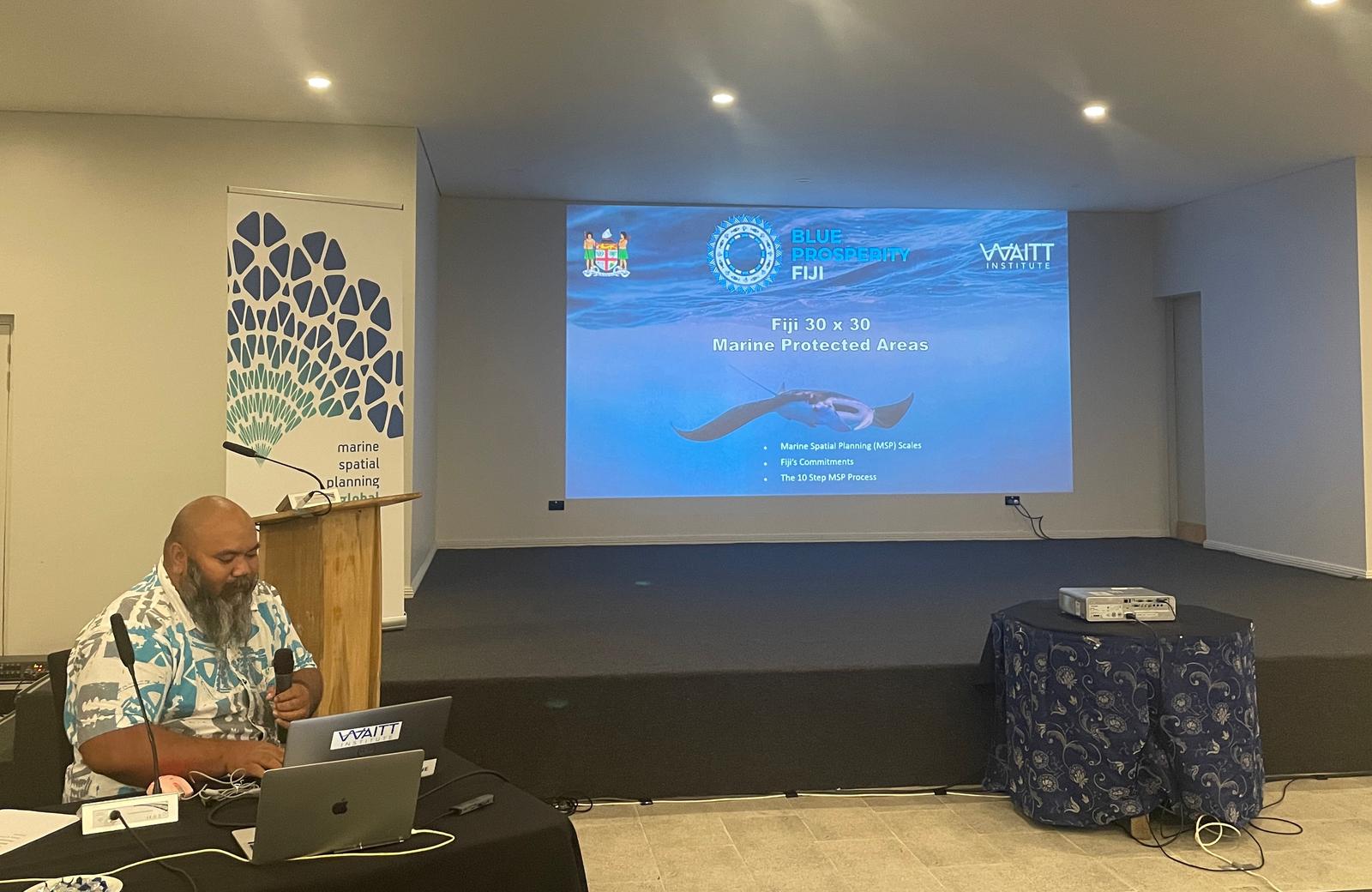


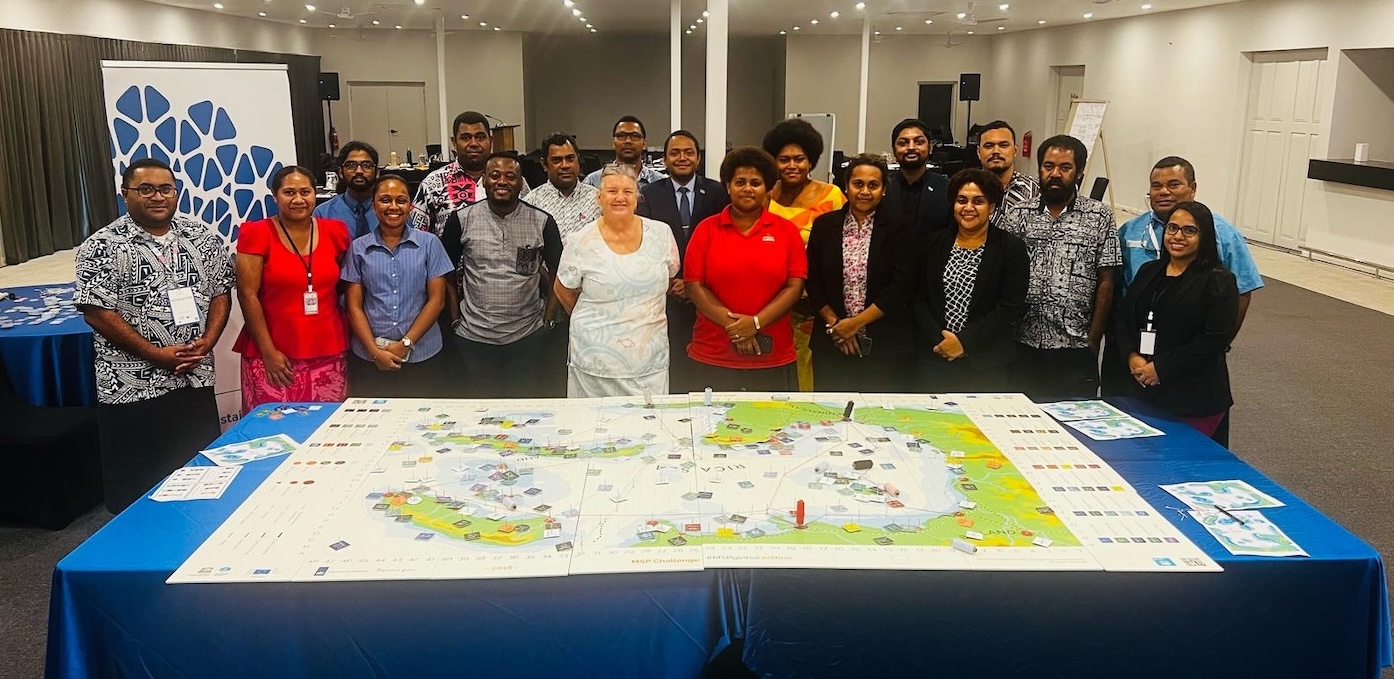
On 1-2 April 2025, MSPglobal facilitated a national training on Marine Spatial Planning (MSP) designed for Fiji’s ocean stakeholders. The goal was to strengthen Fiji’s capacity for effective ocean governance and sustainable resource management.
The two-day workshop was organized by the Intergovernmental Oceanographic Commission of UNESCO (UNESCO-IOC), its Sub-Commission for the Western Pacific (WESTPAC), the Ministry of Environment and Climate Change (MECC) and The Pacific Community (SPC) with the support of the European Commission. It brought together representatives from relevant government agencies, civil society organisations, and academia.
MSPglobal aims to support Fiji in the creation of a comprehensive framework for Fiji’s ocean stakeholders, coordinating human activities to achieve ecological, economic, and social objectives. Fiji, in turn, will utilize the MSP process and its tools to deliver on its commitment to the sustainable management of ocean resources.
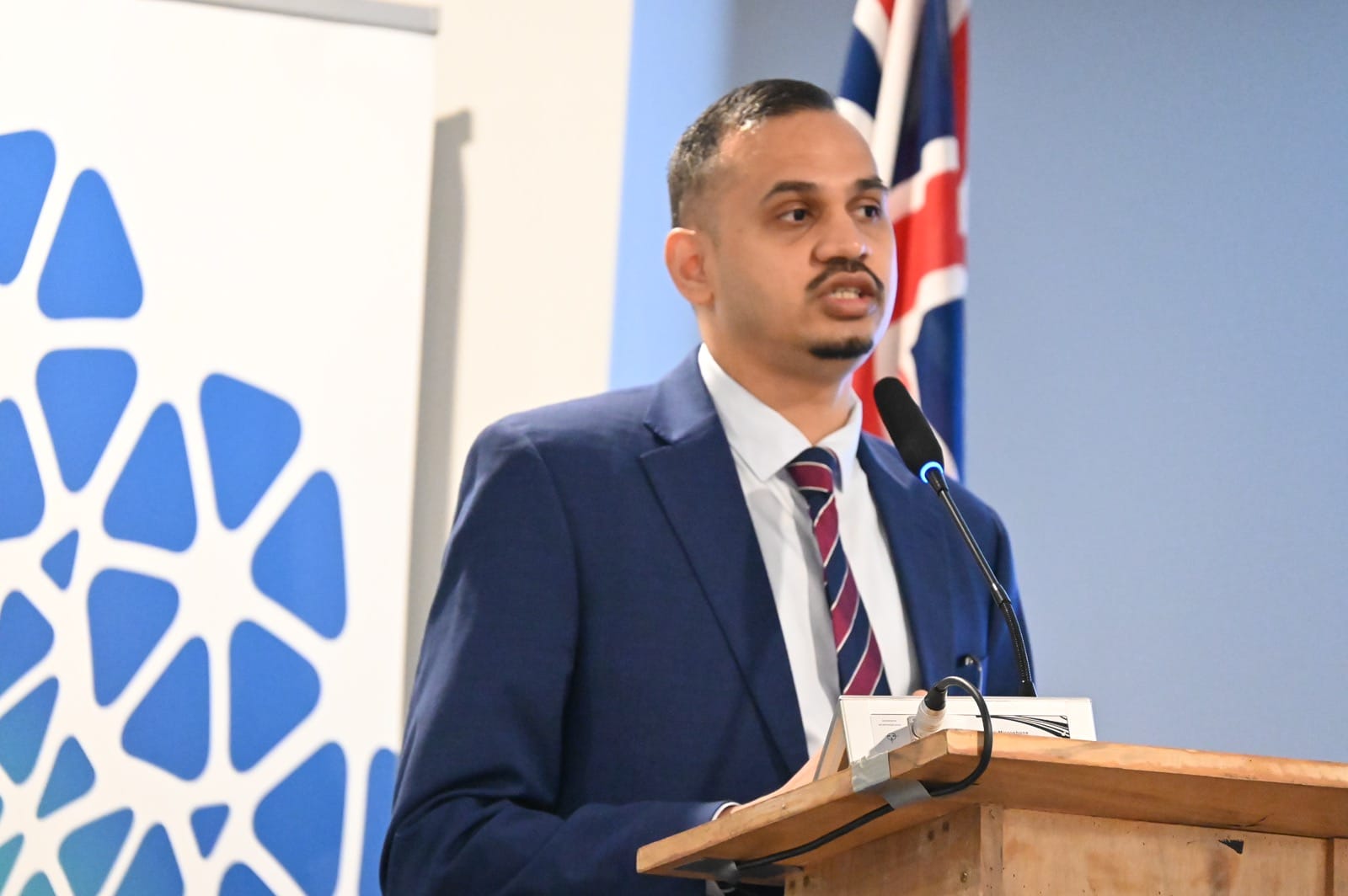
While delivering his keynote address, the Permanent Secretary for Environment and Climate Dr. Sivendra Michael highlighted the importance of the project as it followed the 30×30 Marine Protected Area (MPA) National Dialogue, where significant strides were made toward Fiji’s commitment in protecting a regime of its Exclusive Economic Zone (EEZ).
A regime which balances our economic ambitions with our cultural aspirations for ocean conservation, all the while ensuring people and livelihoods are at the center.
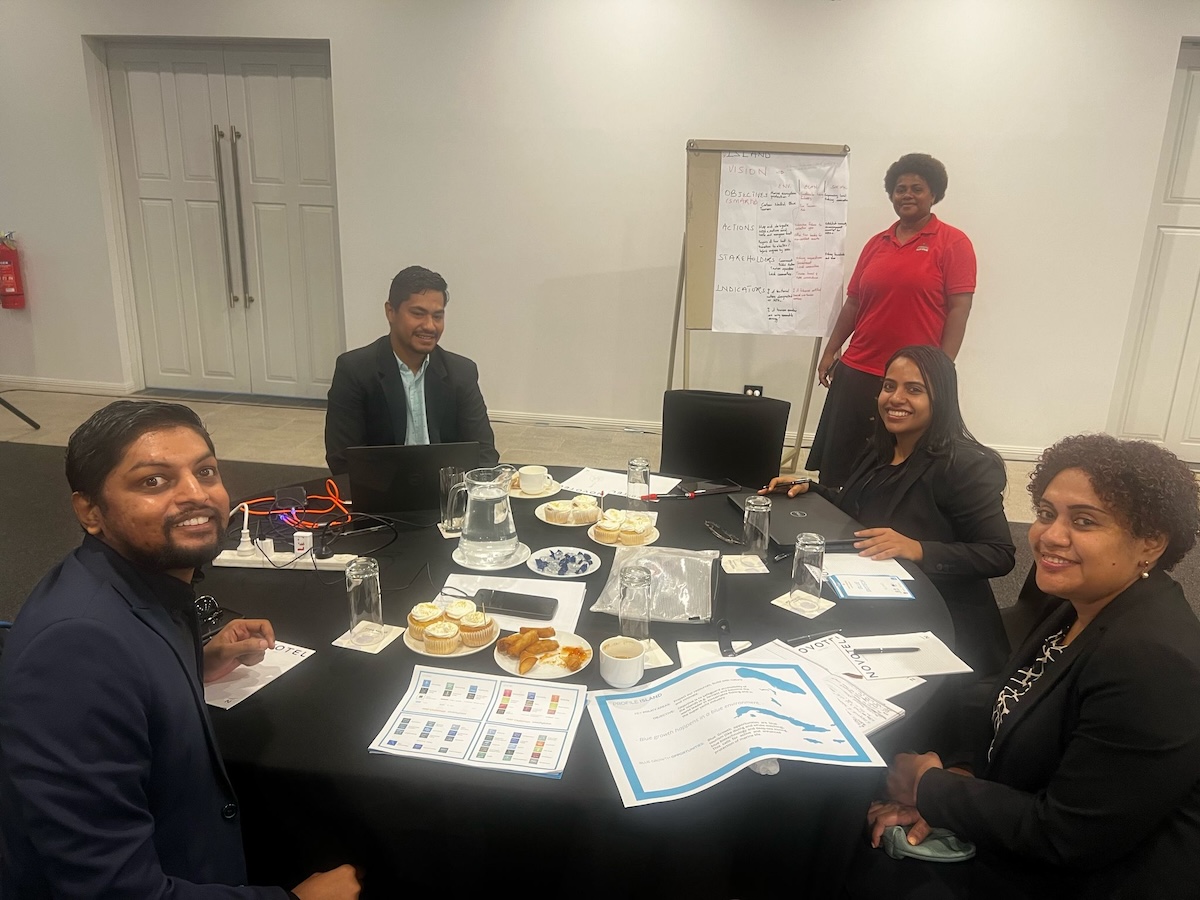
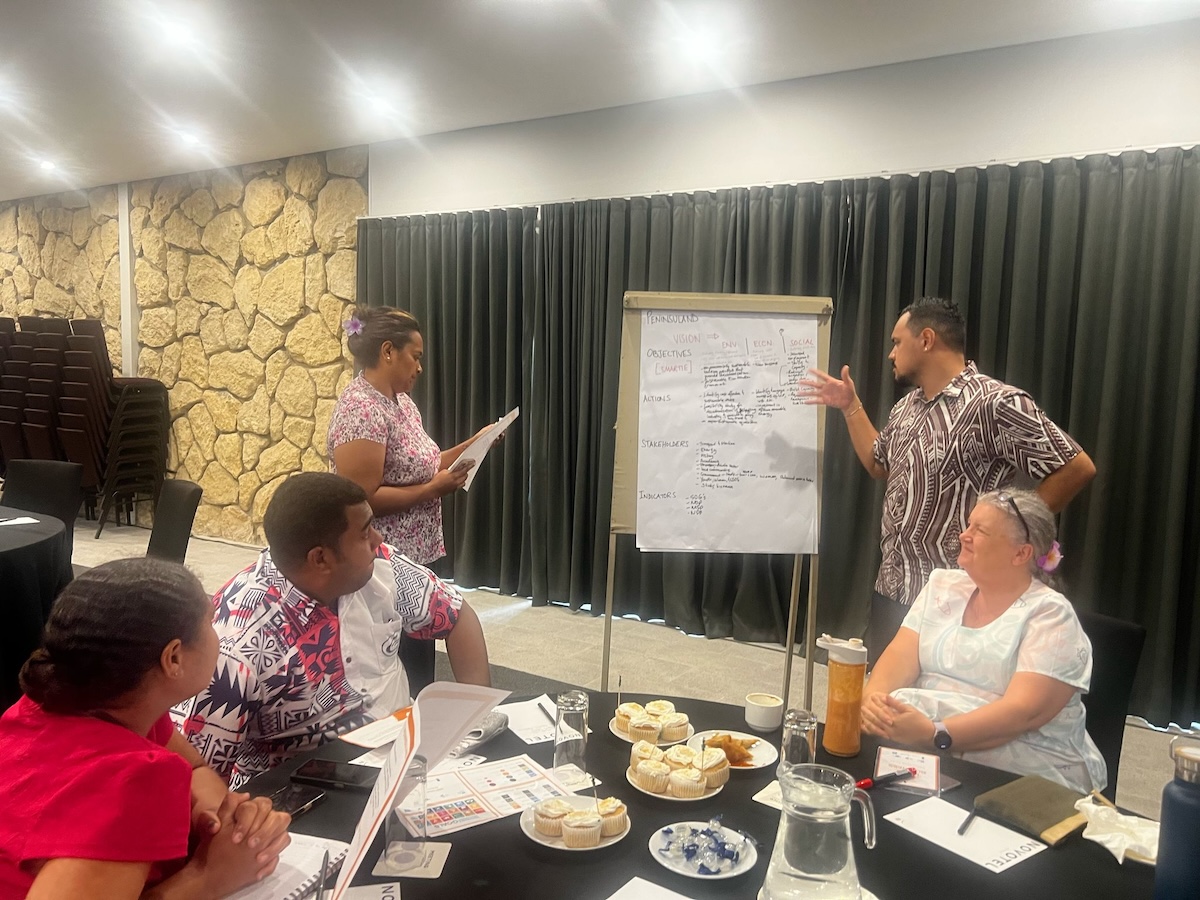
The training was specifically tailored to enhance the knowledge and skills of government officials, providing essential tools for the development of well-informed MSP practitioners and stakeholders.
Dr. Michael emphasised that this collaborative approach with various government partners, will effectively tackle the challenges associated with working and operating in silos.
“Fiji recognizes that a healthy ocean is vital for livelihoods, biodiversity, climate resilience, and economic growth, and that MSP is crucial for Fiji’s ocean governance and management,” he said.
“Effective MSP depends on strong institutions, clear policies, and stakeholder collaboration.
“Strengthening institutional processes ensures efficient governance, enforcement, and adaptive management, leading to a balanced, sustainable, and economically viable ocean economy.”
This training also directly contributes to Fiji’s commitment to achieving Sustainable Development Goal (SDG) 14, Life Below Water, by promoting the conservation and sustainable use of the ocean, seas, and marine resources. Furthermore, it is a crucial step in supporting the upcoming entry into force of Part 13 of the Climate Change Act Fiji Section 84, where MECC, MoFF, and MTA will develop MSP regulations and policies.
With expert insights from UNESCO-IOC, local partners, and Ministry representatives, the workshop focuses on establishing context, structuring MSP processes, and utilizing data and assessments.
“Fiji continues to lead by example in sustainable ocean governance,” said Dr. Sivendra Michael, Permanent Secretary for Environment and Climate Change. “We are stewards of the ocean, and it is our responsibility to ensure its effective governance.”
Meanwhile, this is the first MSPglobal activity in the country, and will be followed by a national workshop in the coming months to implement the MSPglobal Rapid Assessment Methodology, with the ultimate goal being the development of a national Action Plan to guide Fiji in a clear pathway to advance its MSP process.
DOCUMENTS:
- Introduction to MSP
- How to set the scene and design the MSP process
- An inclusive and participatory approach for MSP
- Data and assessments for MSP
- Transboundary cooperation on MSP
- MSP & Sustainable Blue Economy
- Climate-smart MSP
- MSP & Marine Protection and Restoration
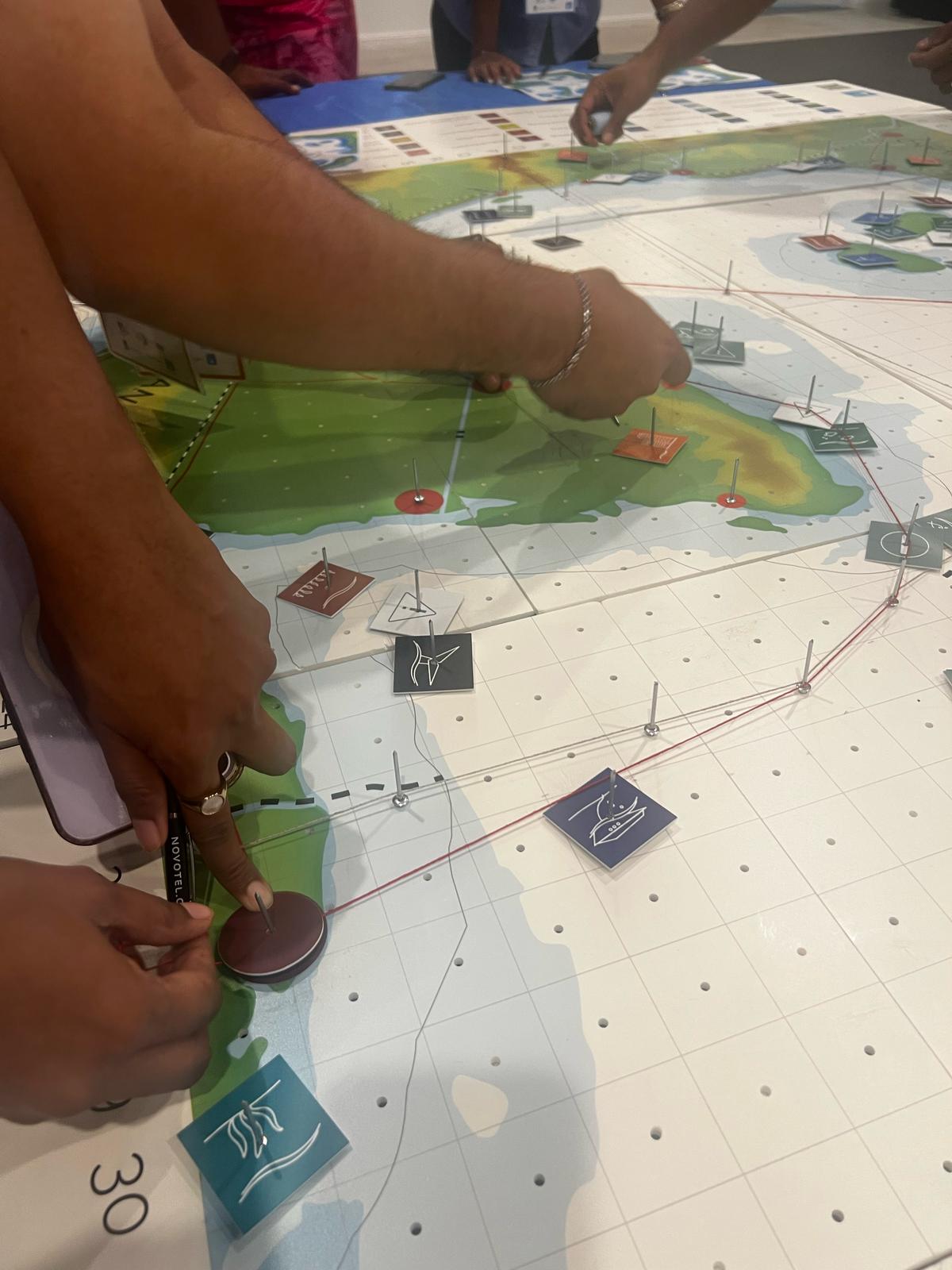
- Hands-on: MSP Challenge board game
RELATED LINKS:
MSPglobal 2.0 pilot project in the Western Pacific
CONTACT:
MSPglobal.comm@unesco.org