


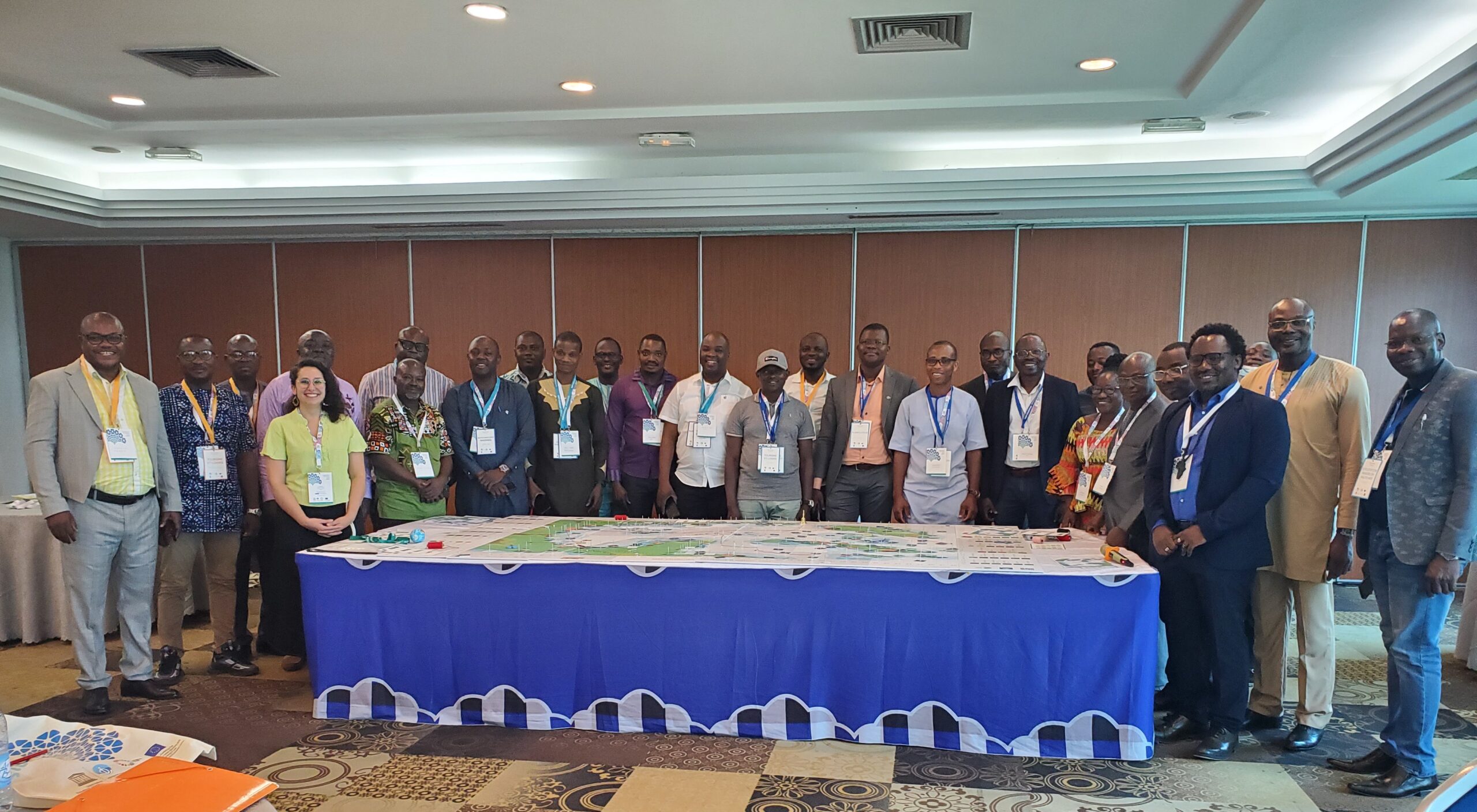
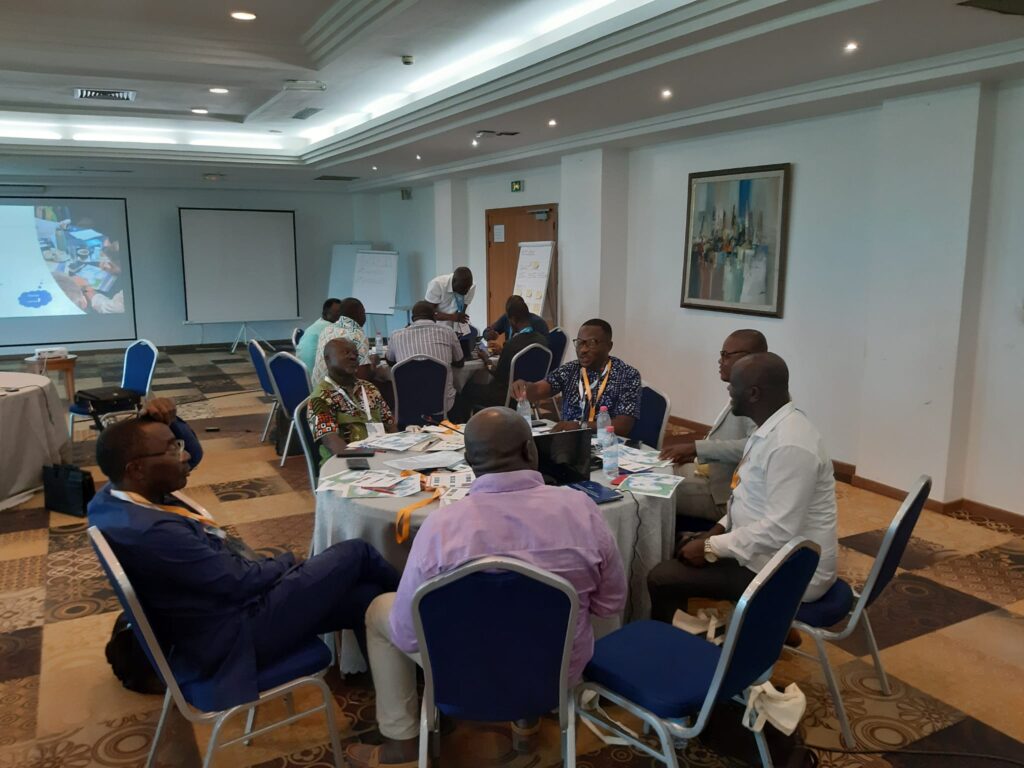
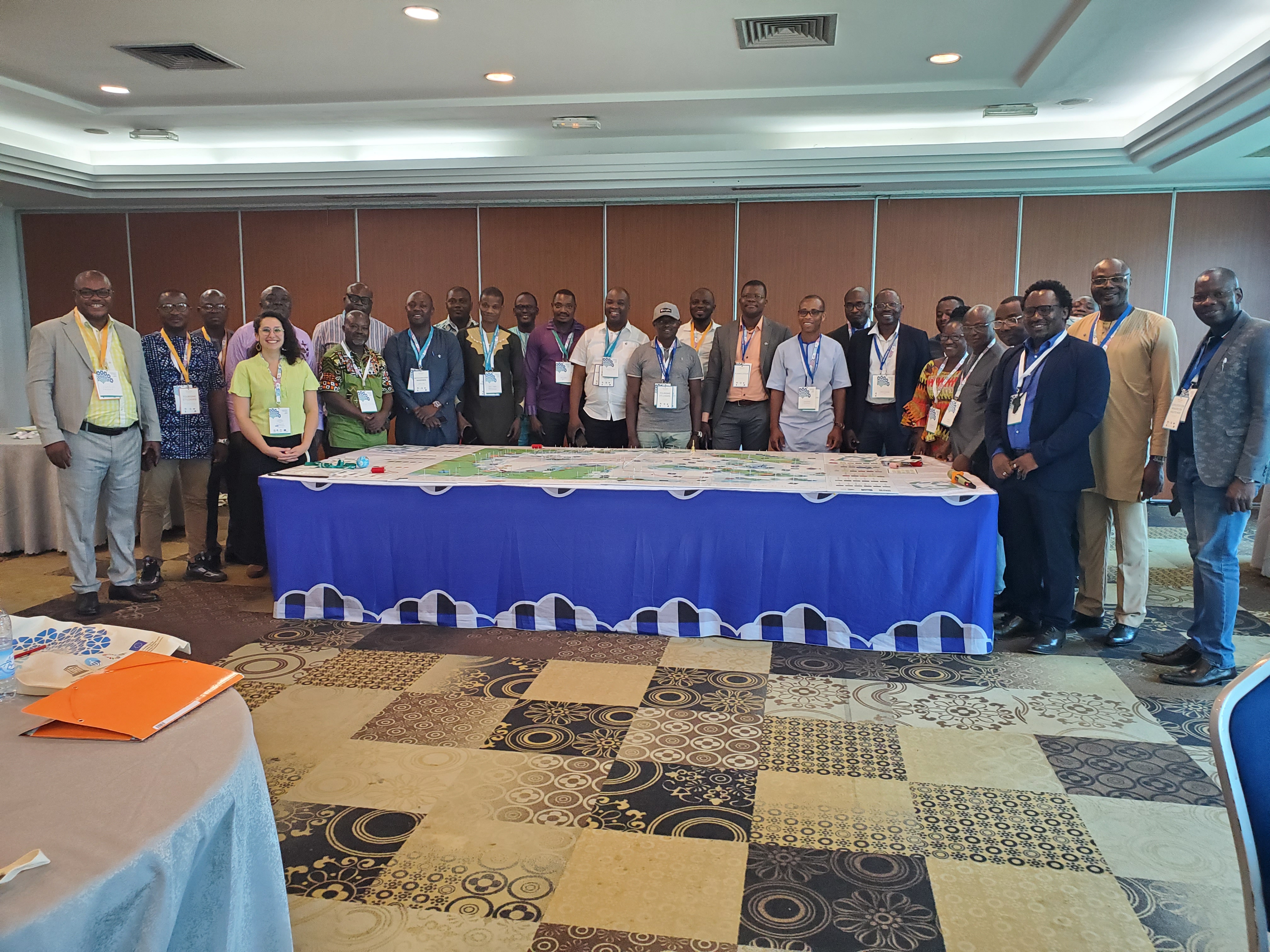
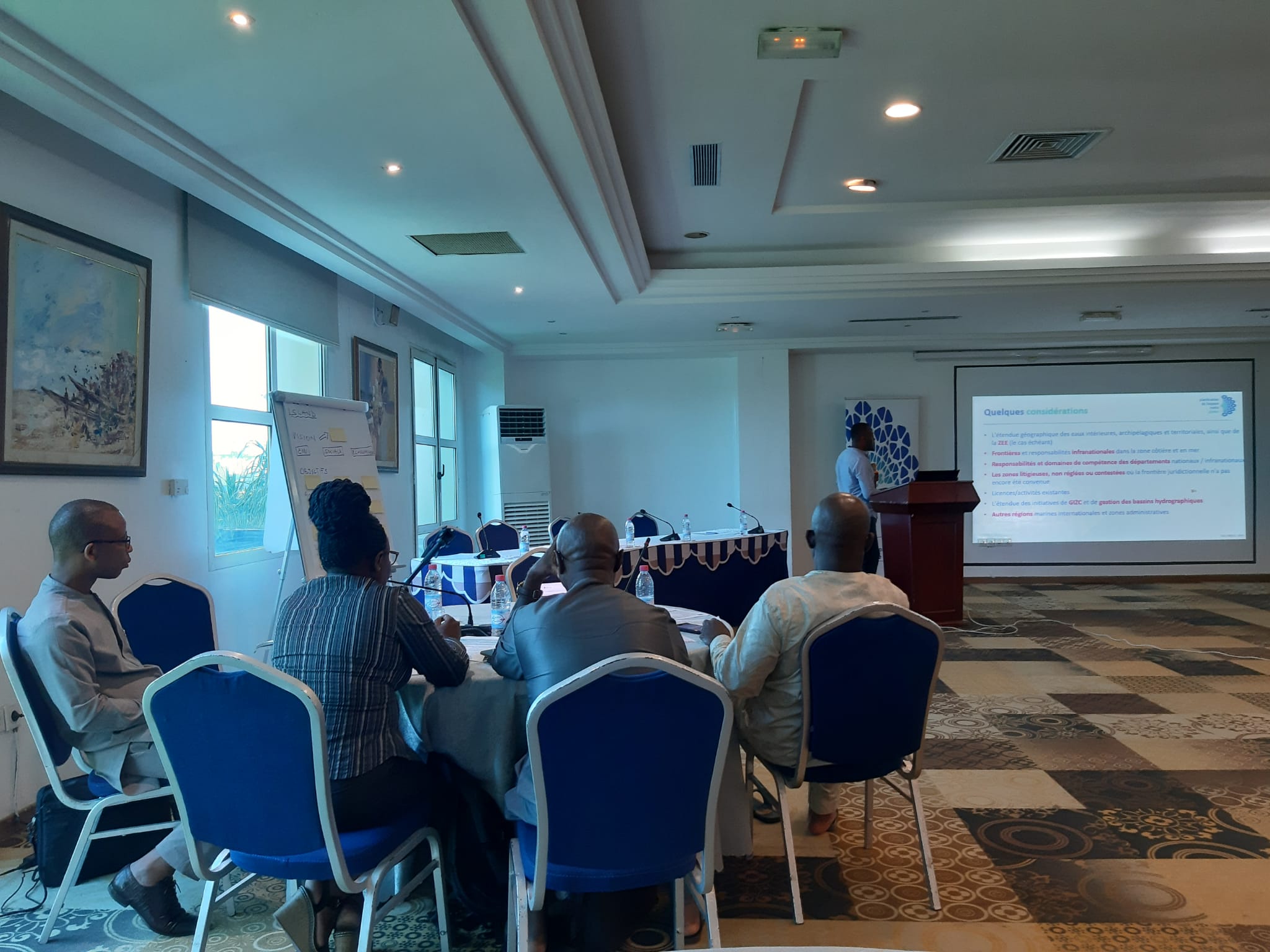
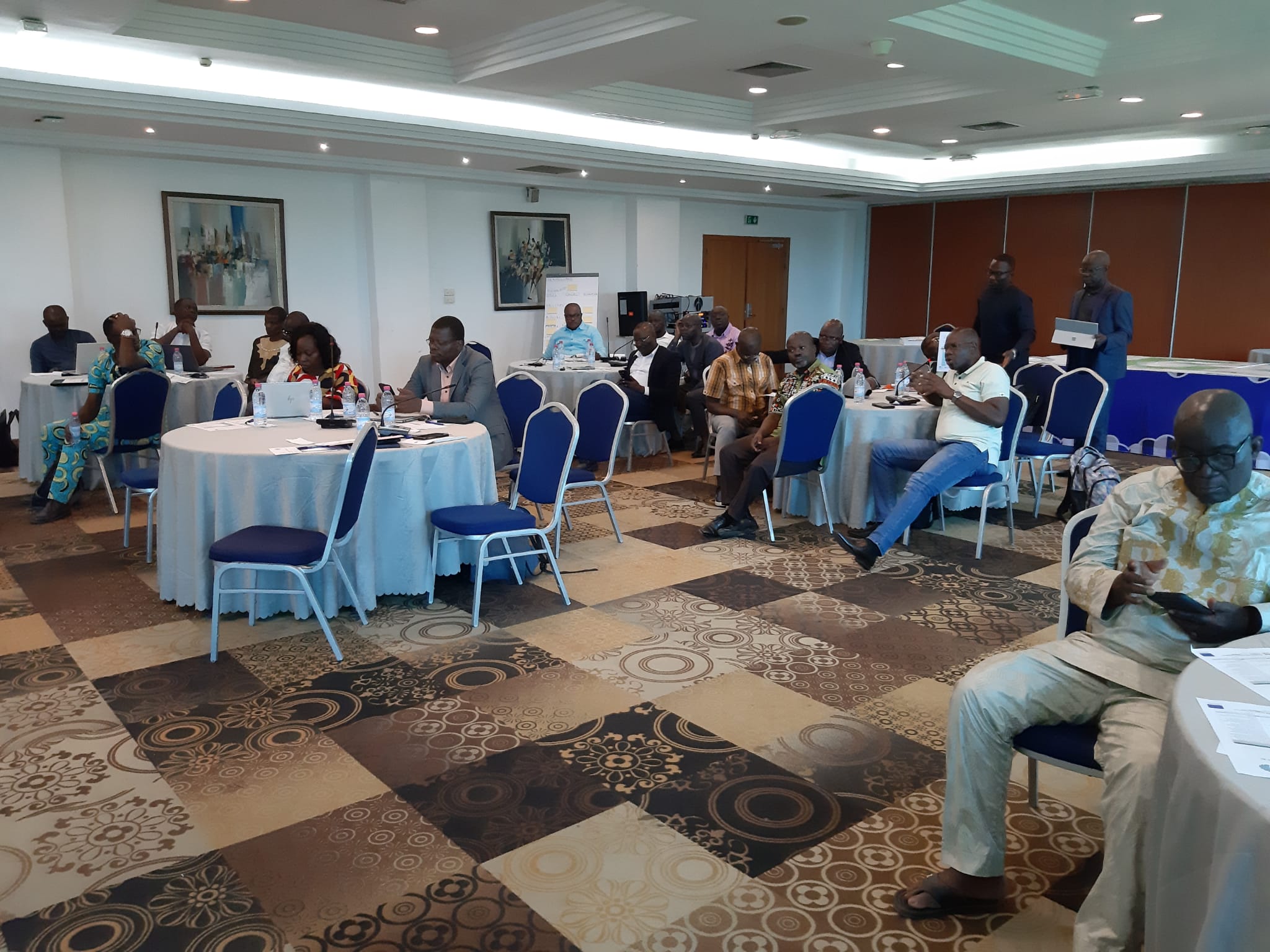
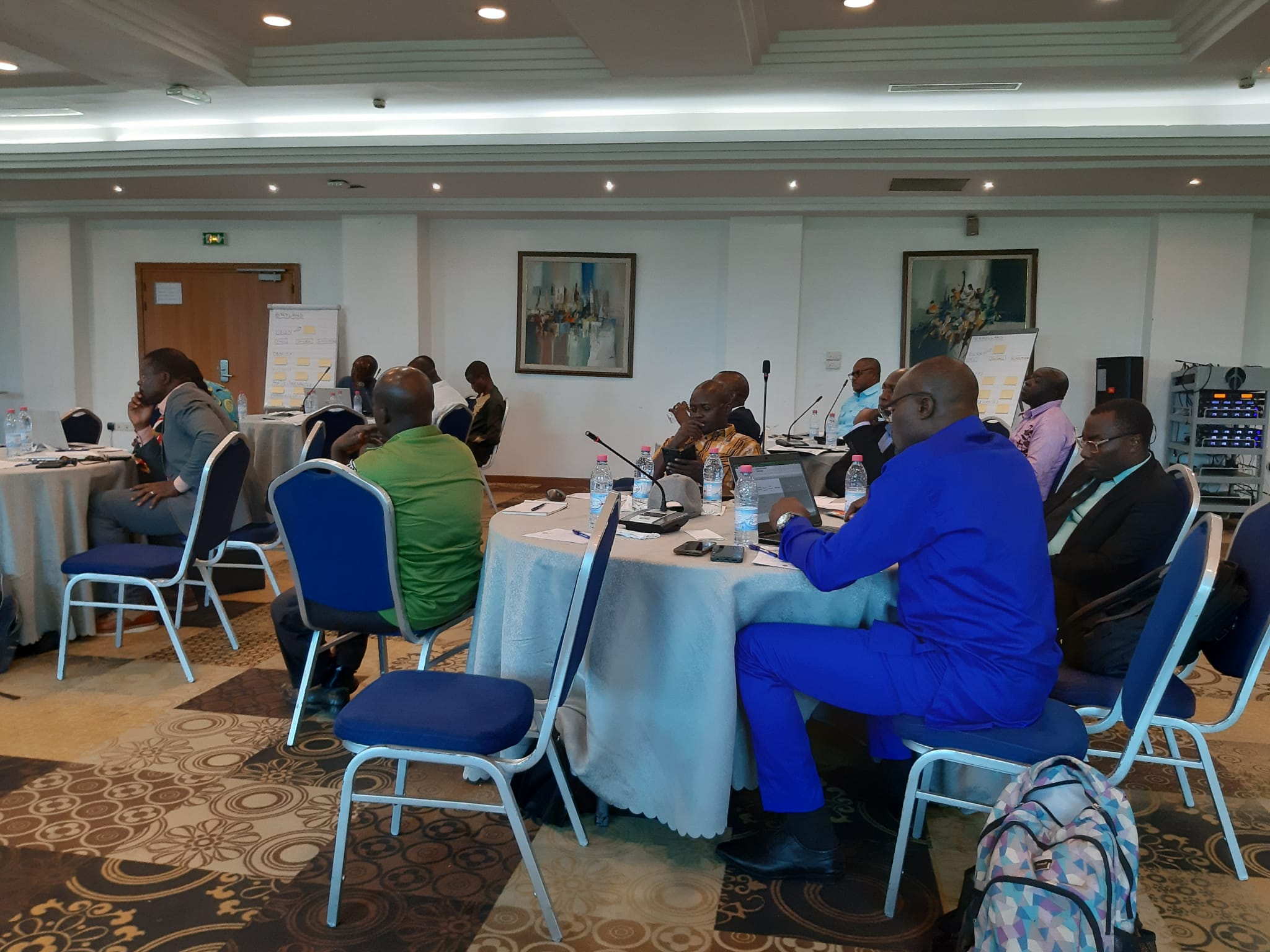
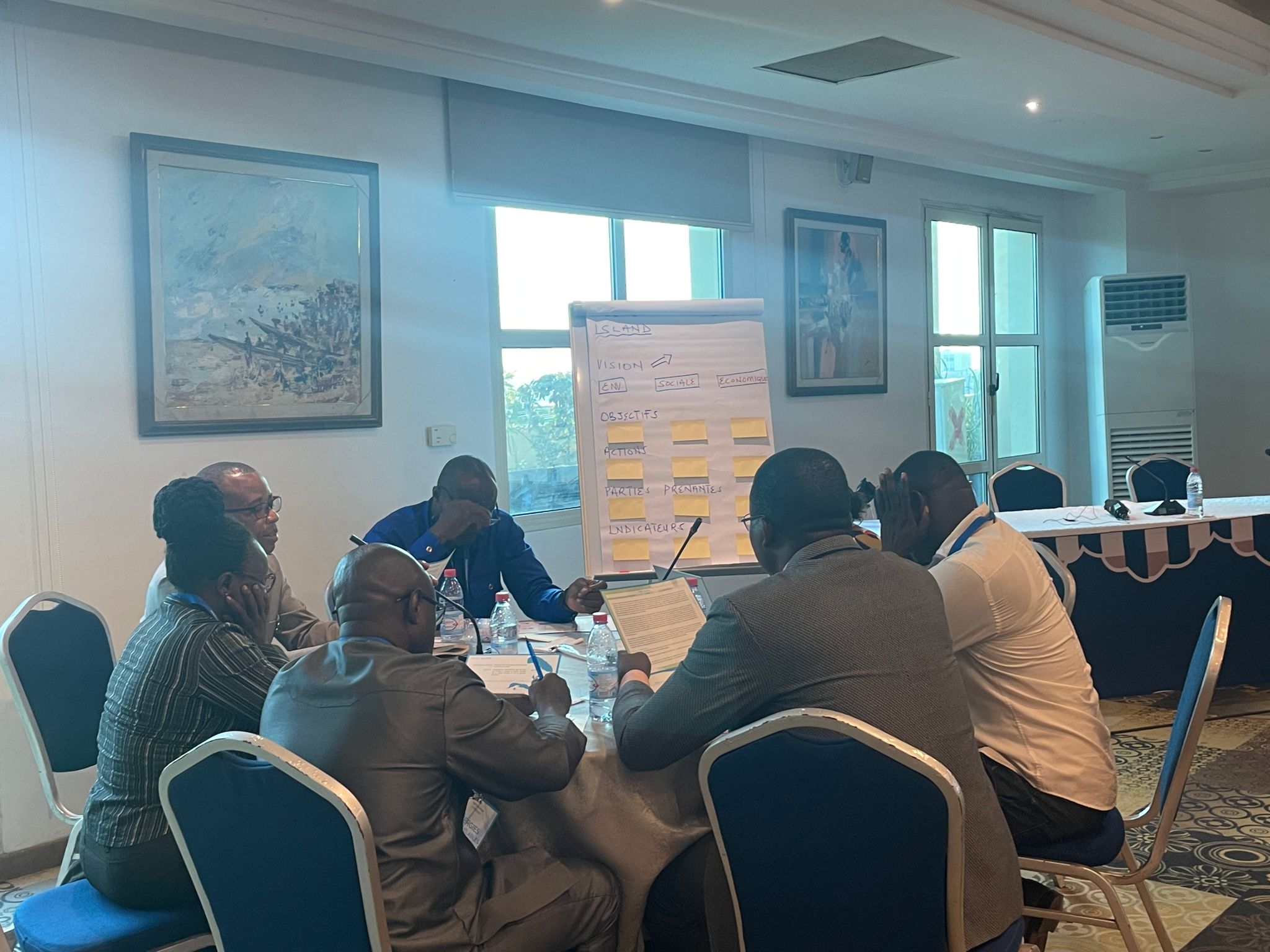
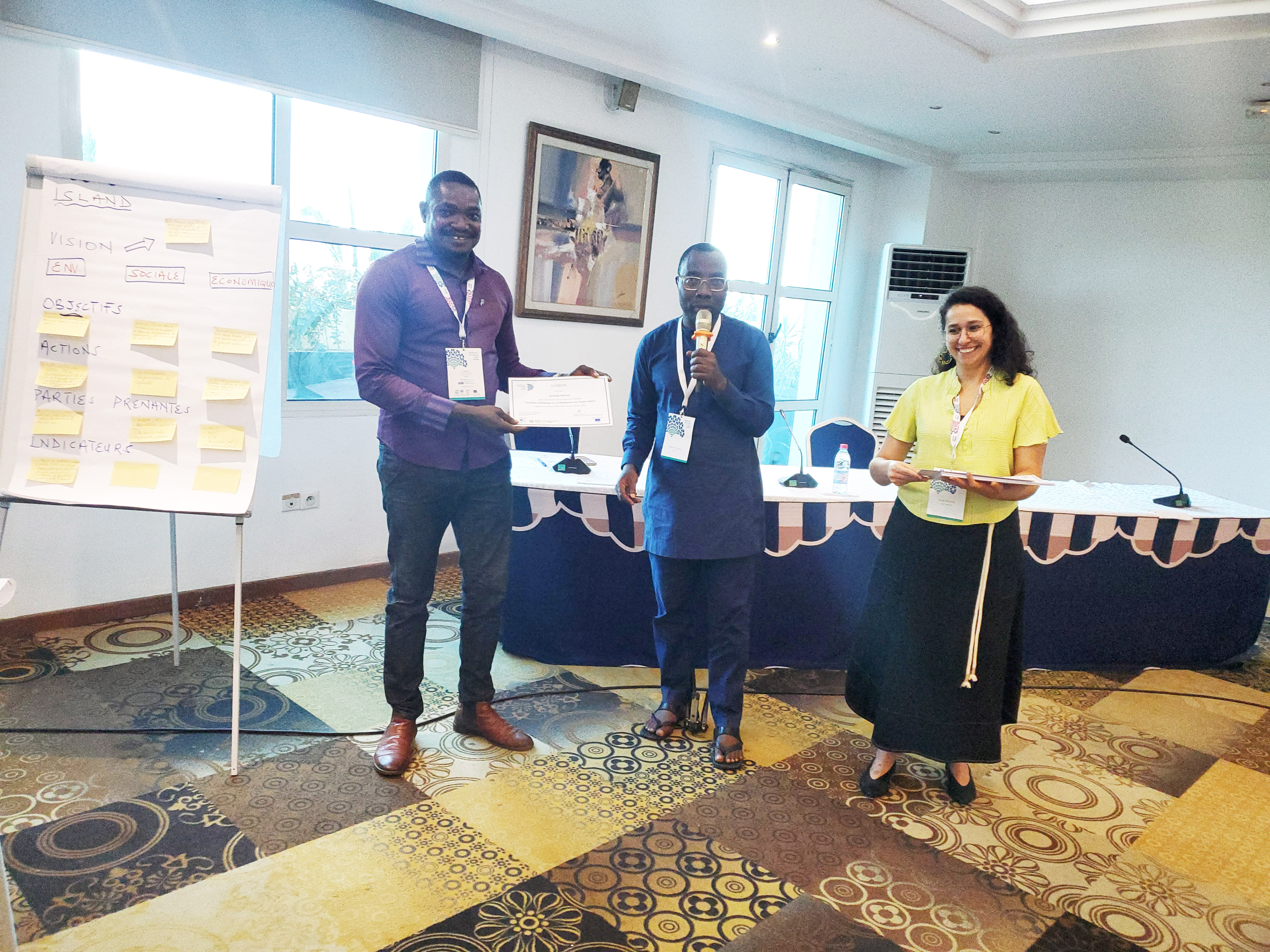
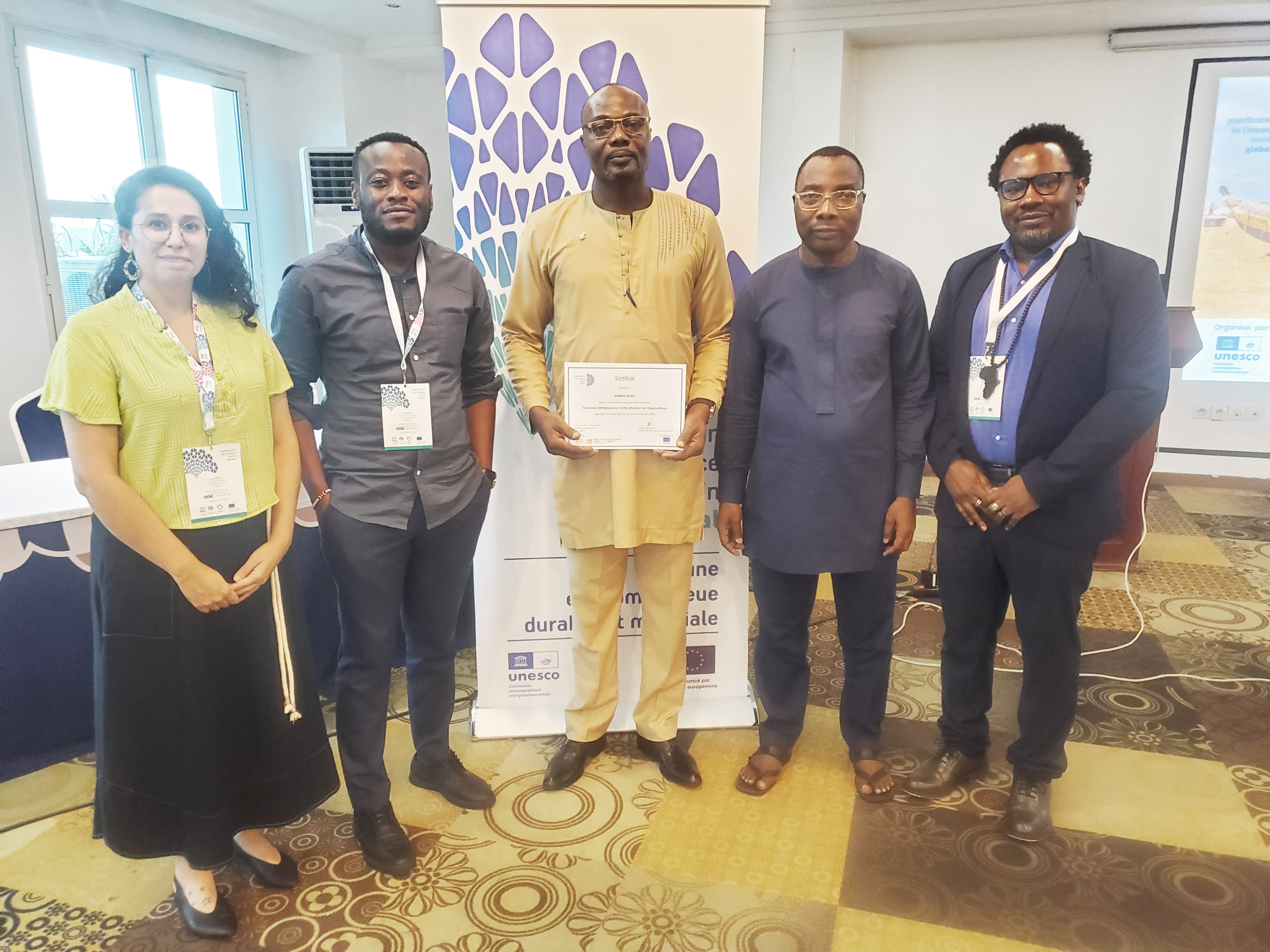
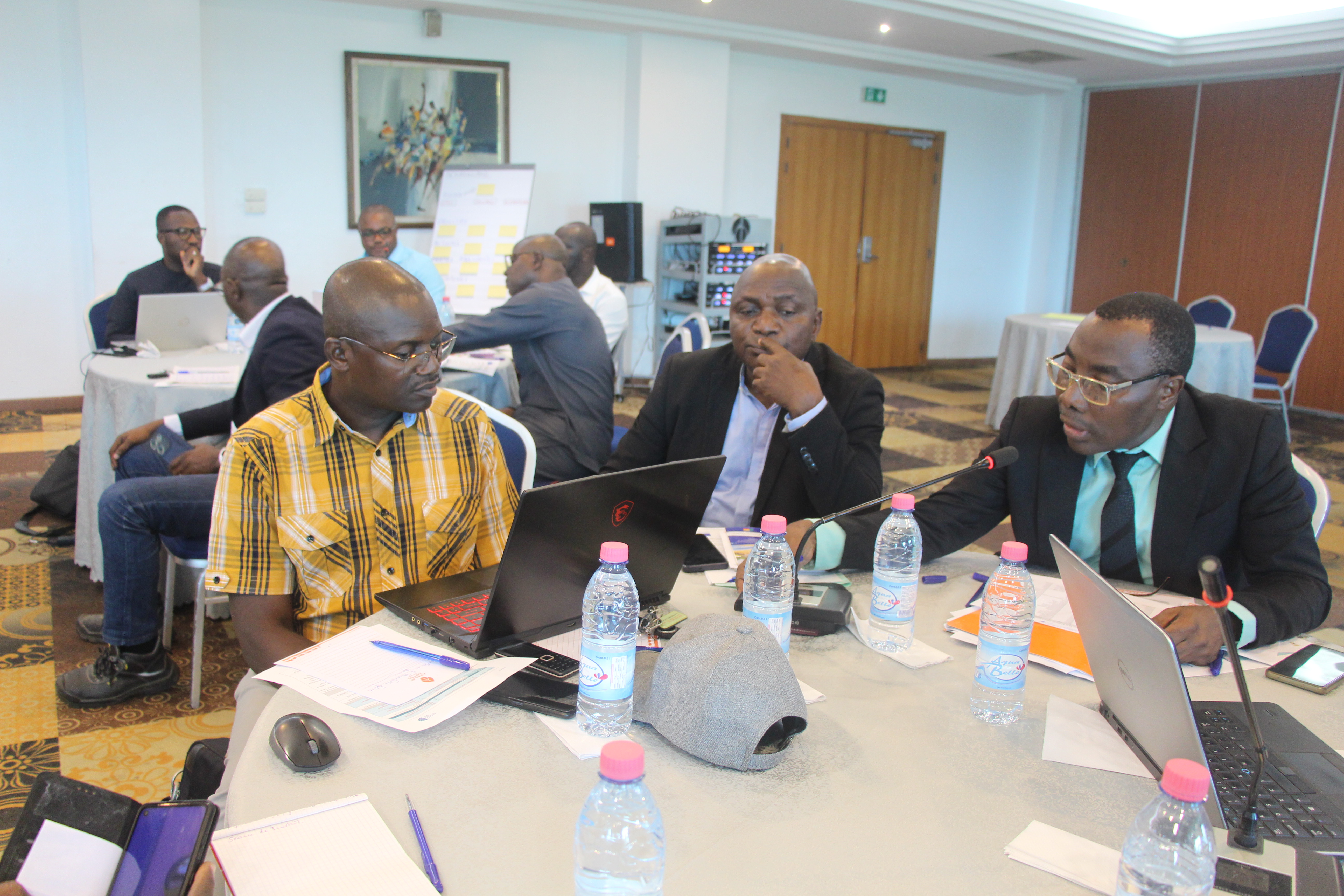
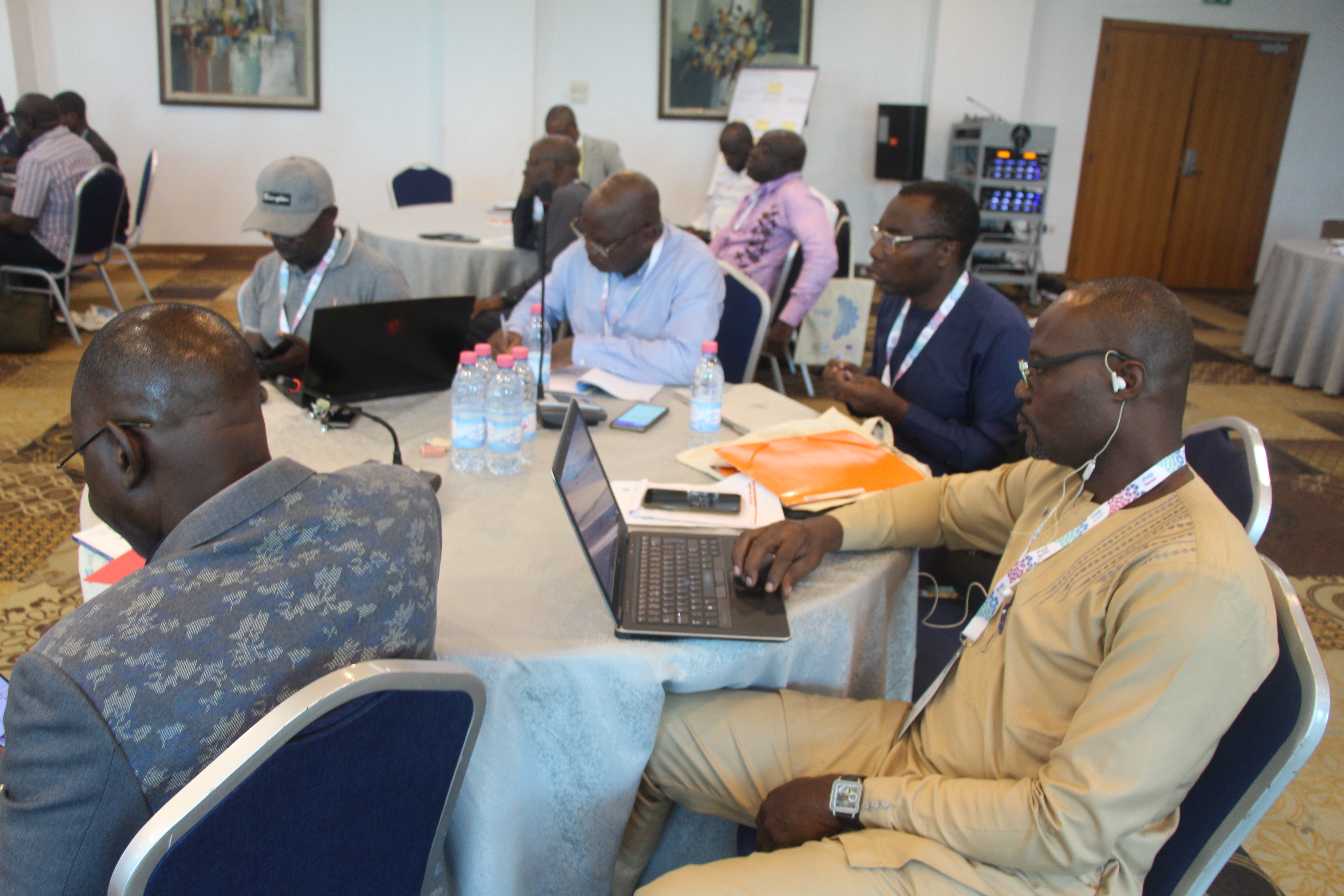
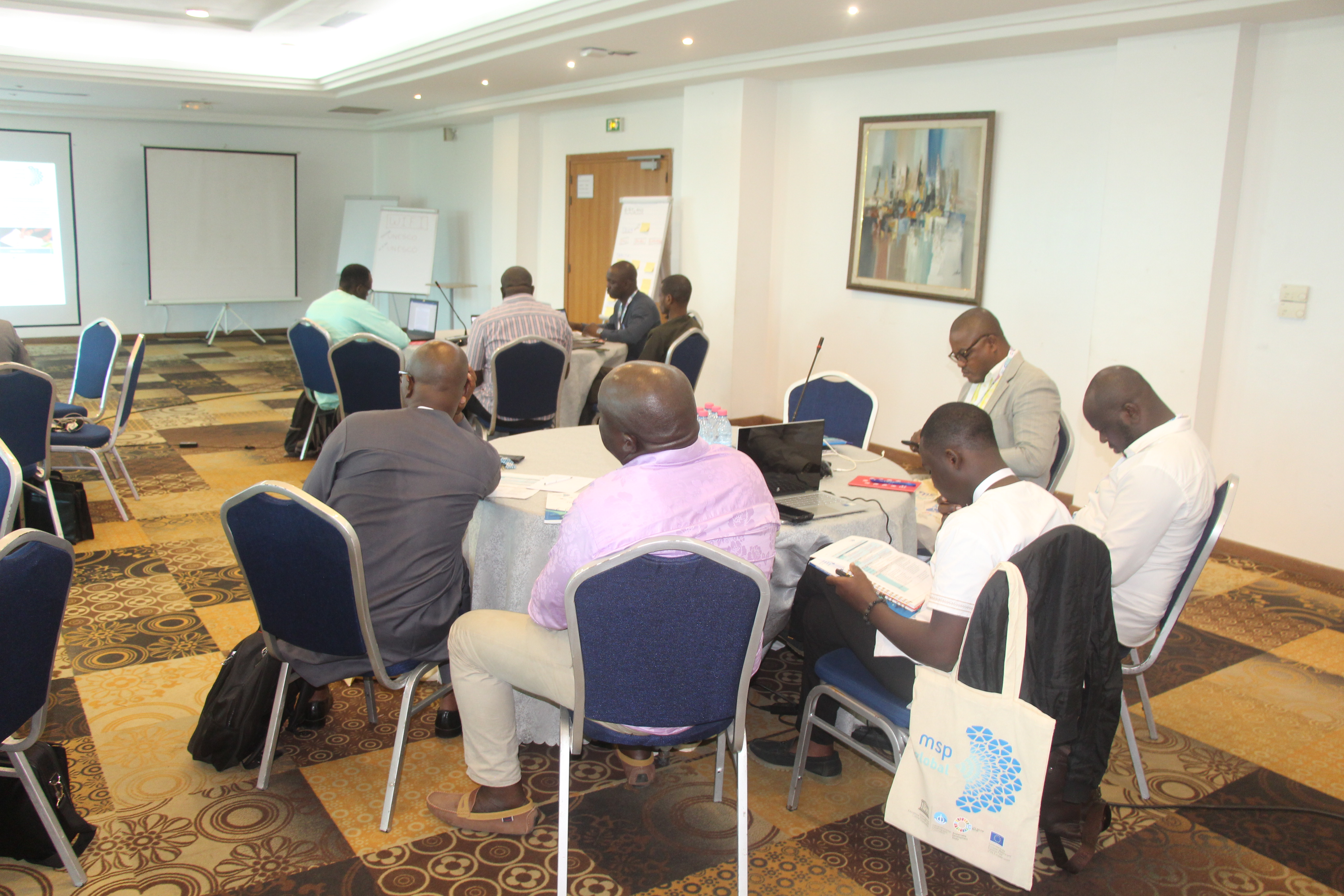
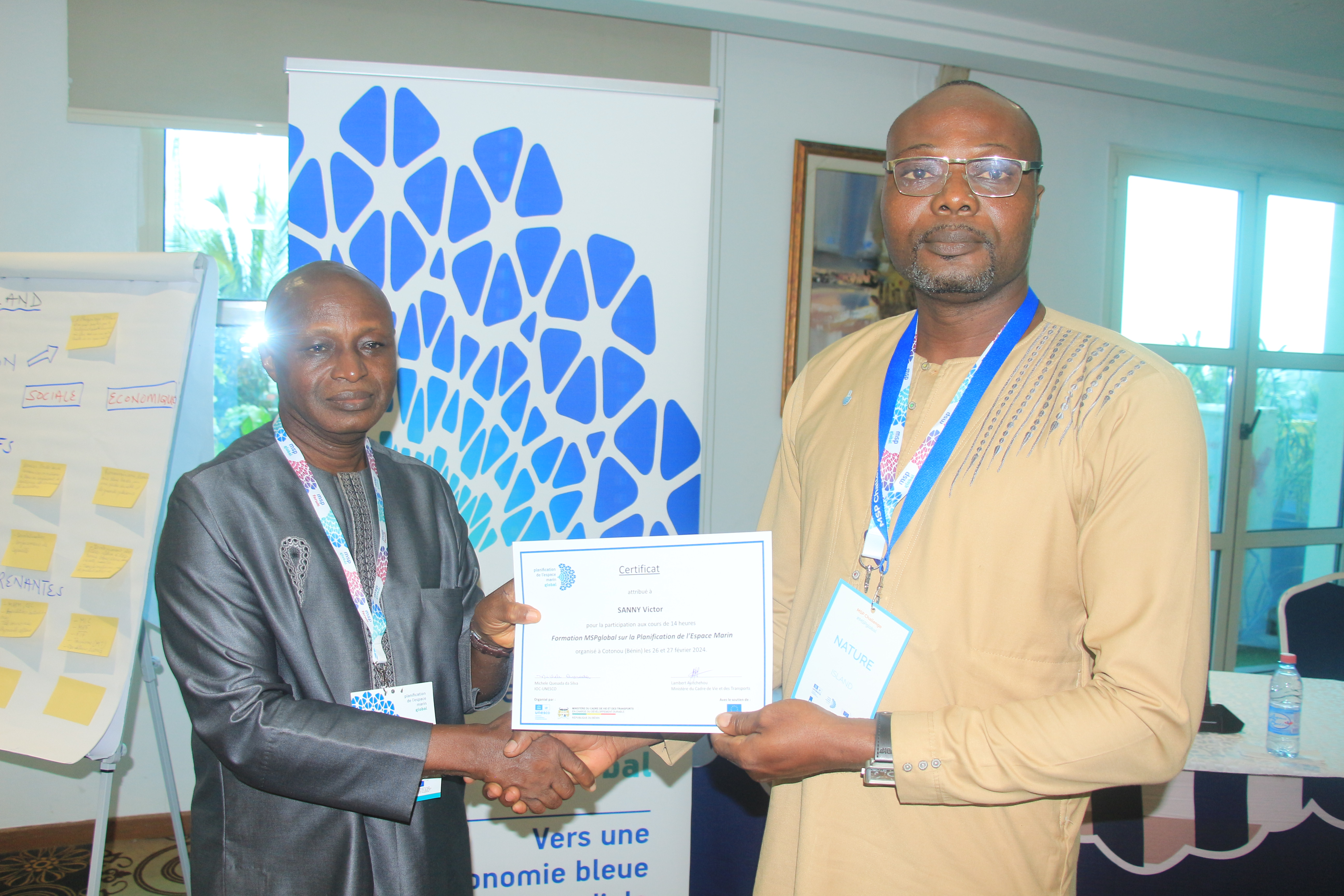
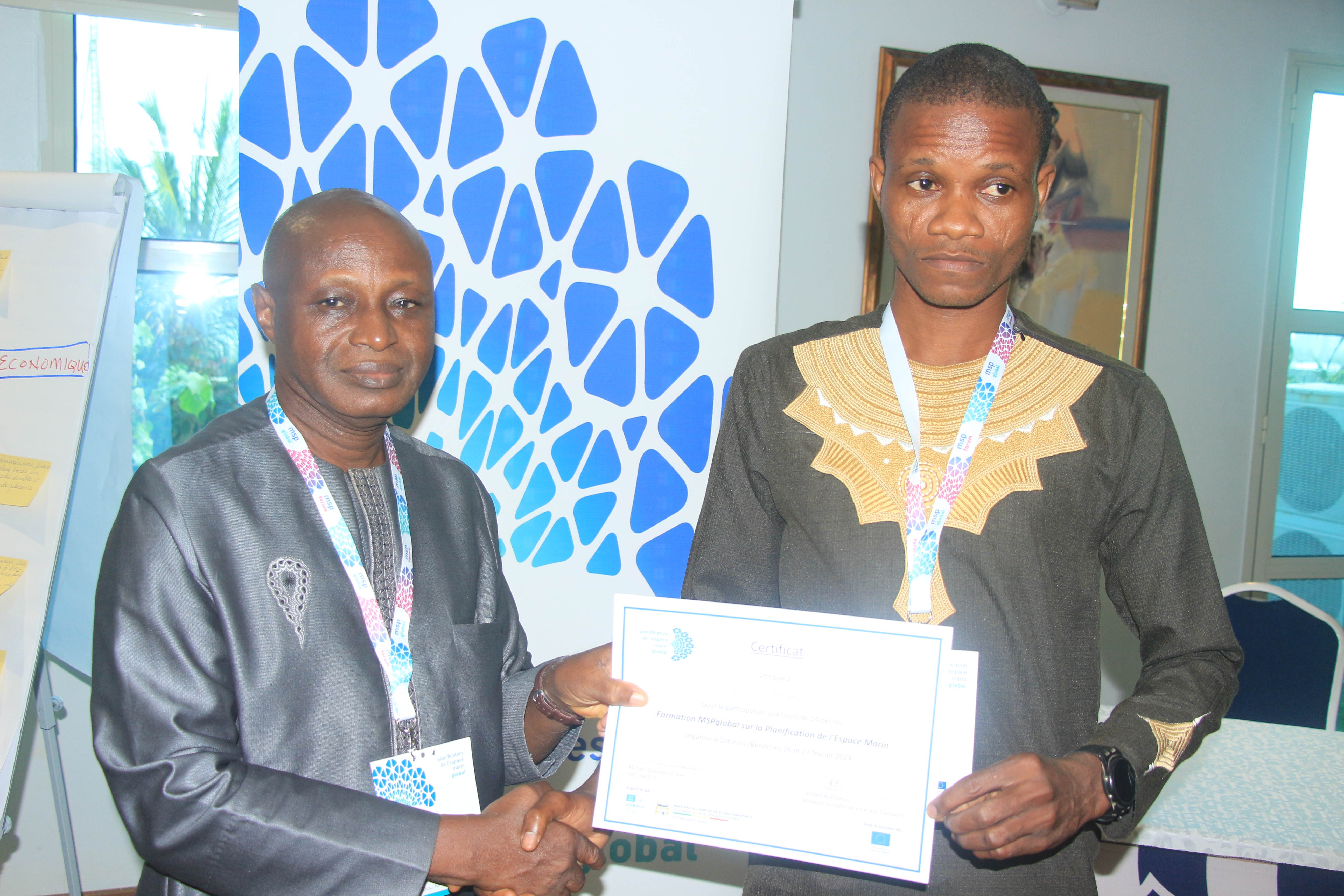
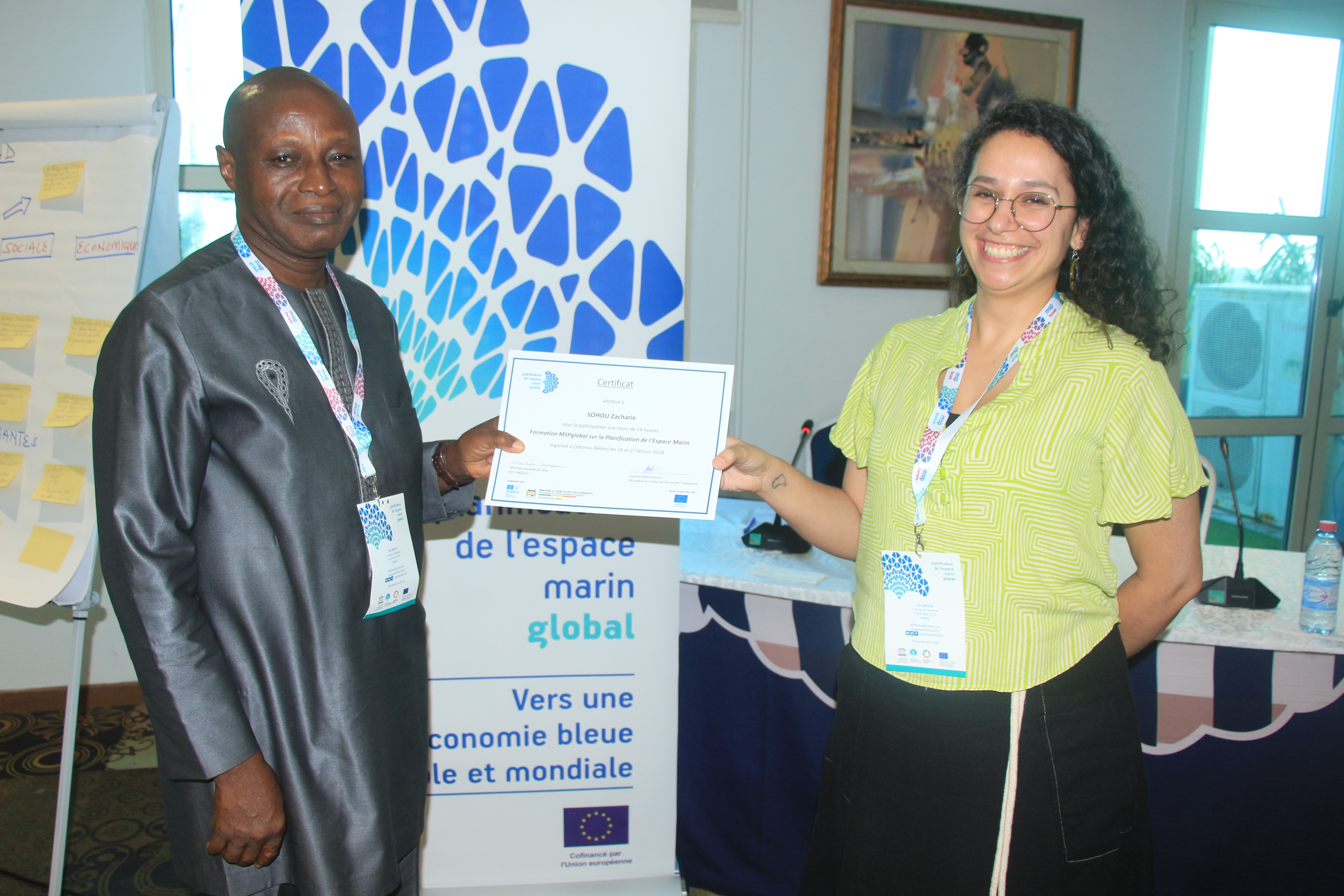
Benin is committed to strengthening its planning process and advancing Marine Spatial Planning (MSP). For that, 32 participants engaged in the MSPglobal 2.0 National Training in Cotonou, Benin, on 26 and 27 February 2024. Representatives from the Ministry of Living Environment and Sustainable Development, the Institute of Fishery and Oceanographic Research (IRHOB), and the National Authority in Charge of the State Action at Sea (ANCAEM) were present, as well as from the National Agency for the Development of Tourist Heritage, the local councils, the Fishery Union (UNAPEMAB), NGOs, Universities, and Port authorities to mention a few.
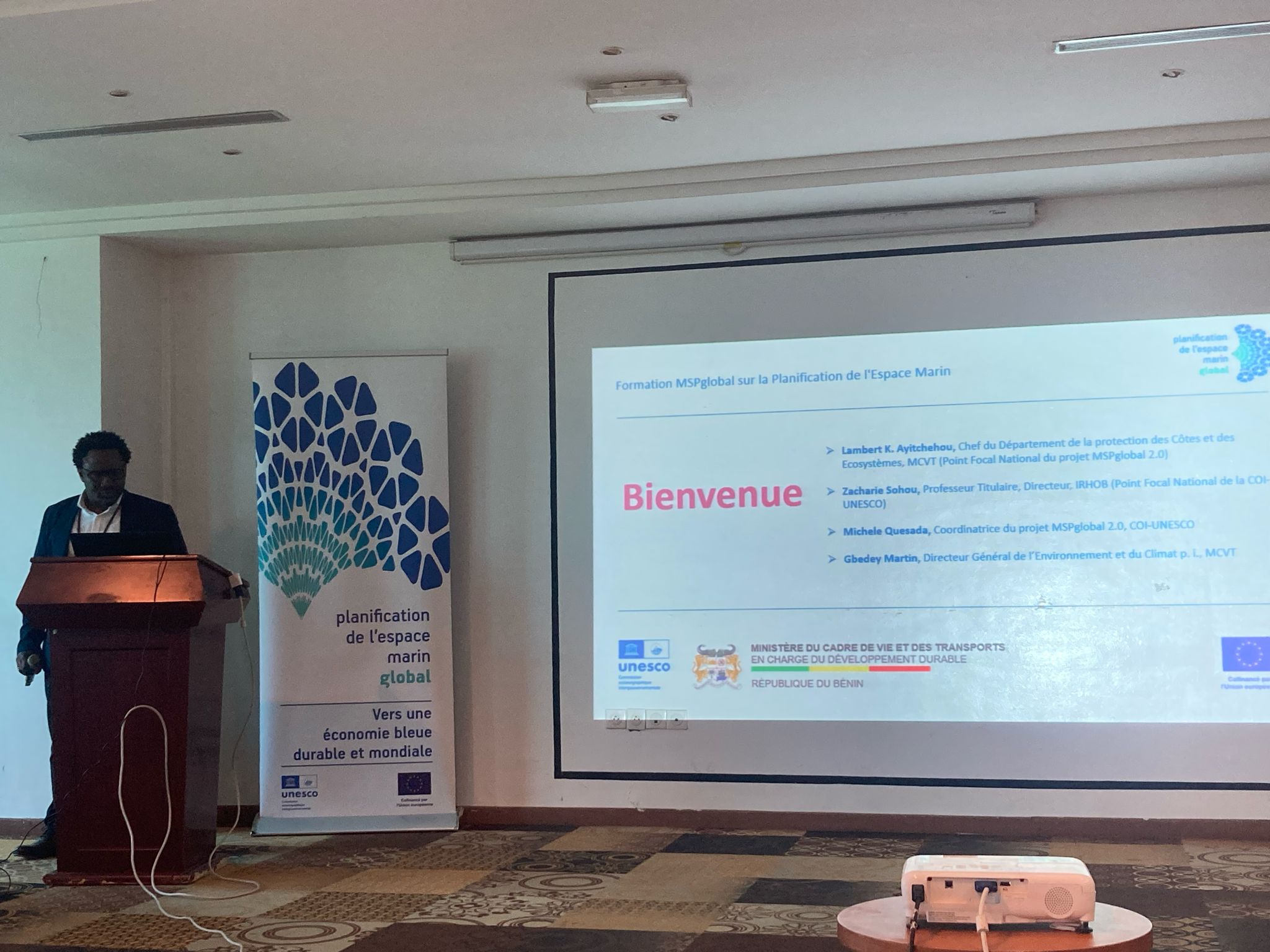
The MSPglobal 2.0 National Training in Benin was organized to strengthen national MSP processes within the context of the pilot project in the Gulf of Guinea. The Ministry of Living Environment and Sustainable Development of Benin ran the event with the support of the Intergovernmental Oceanographic Commission of UNESCO (IOC-UNESCO).
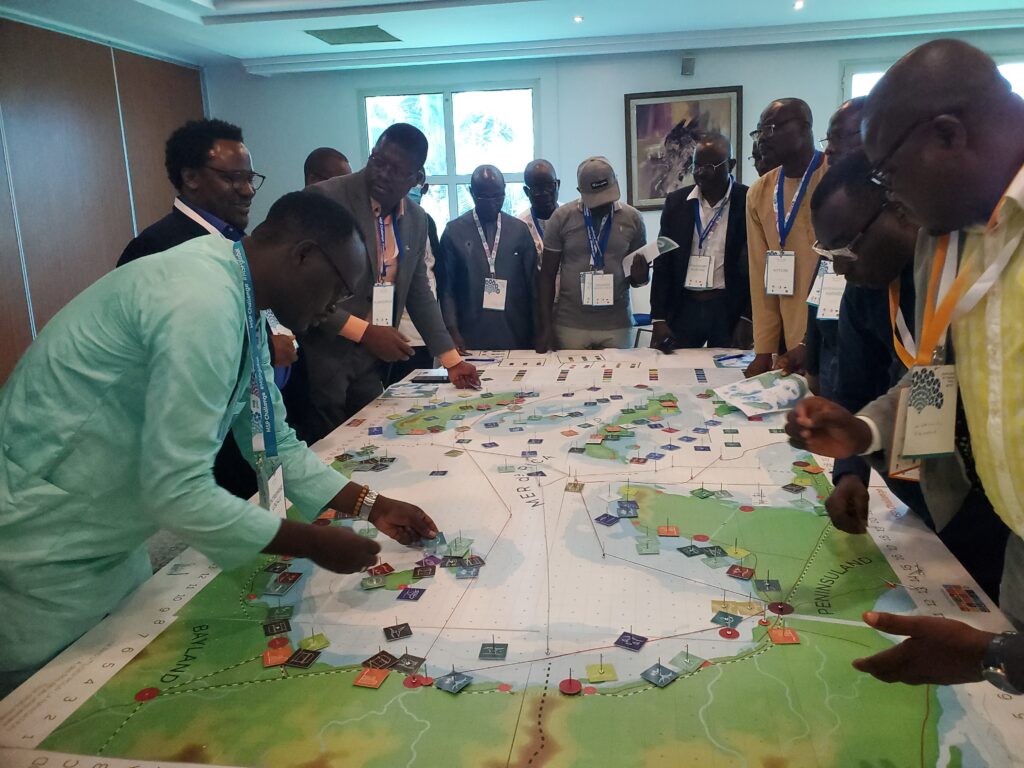
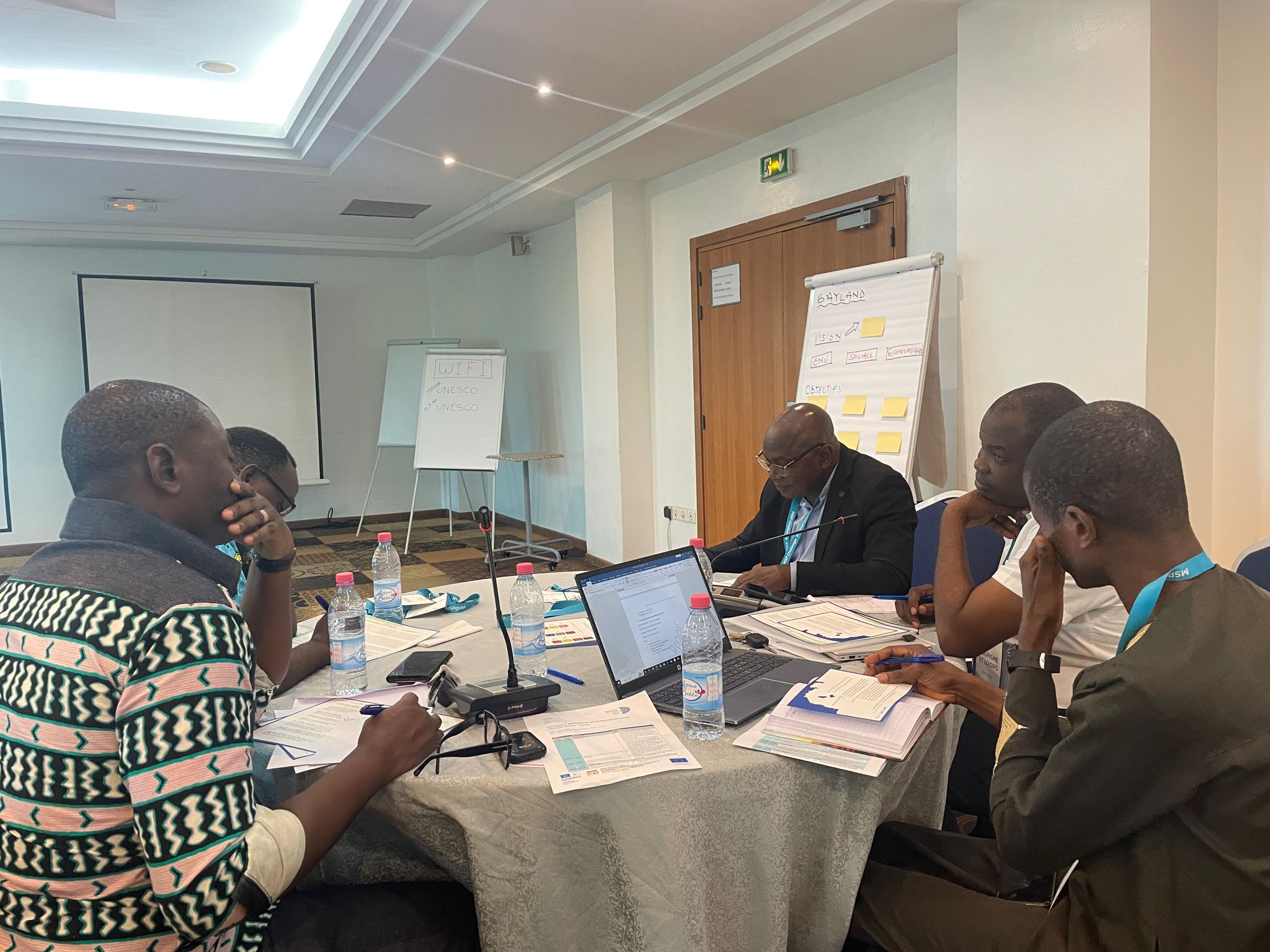
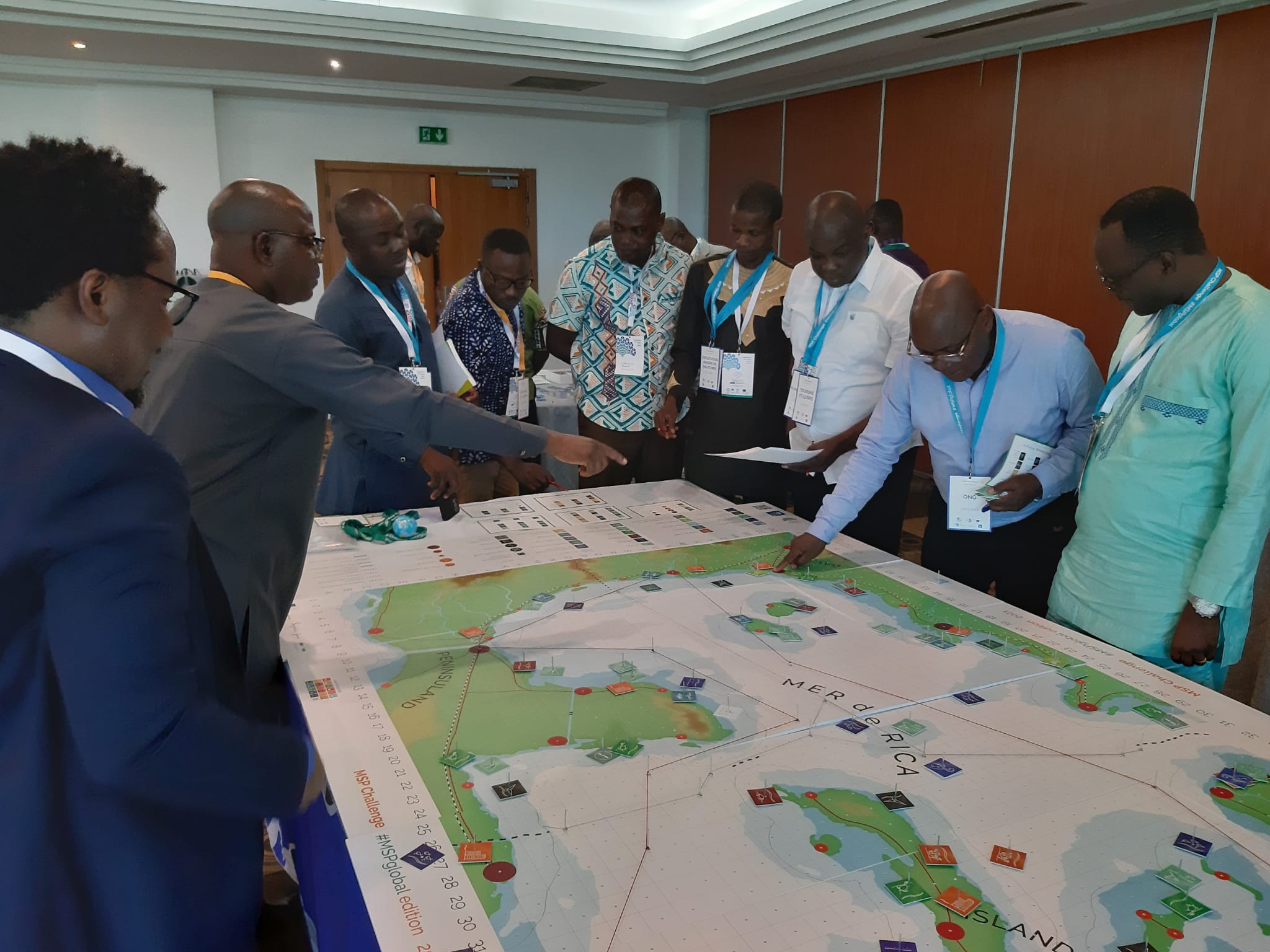
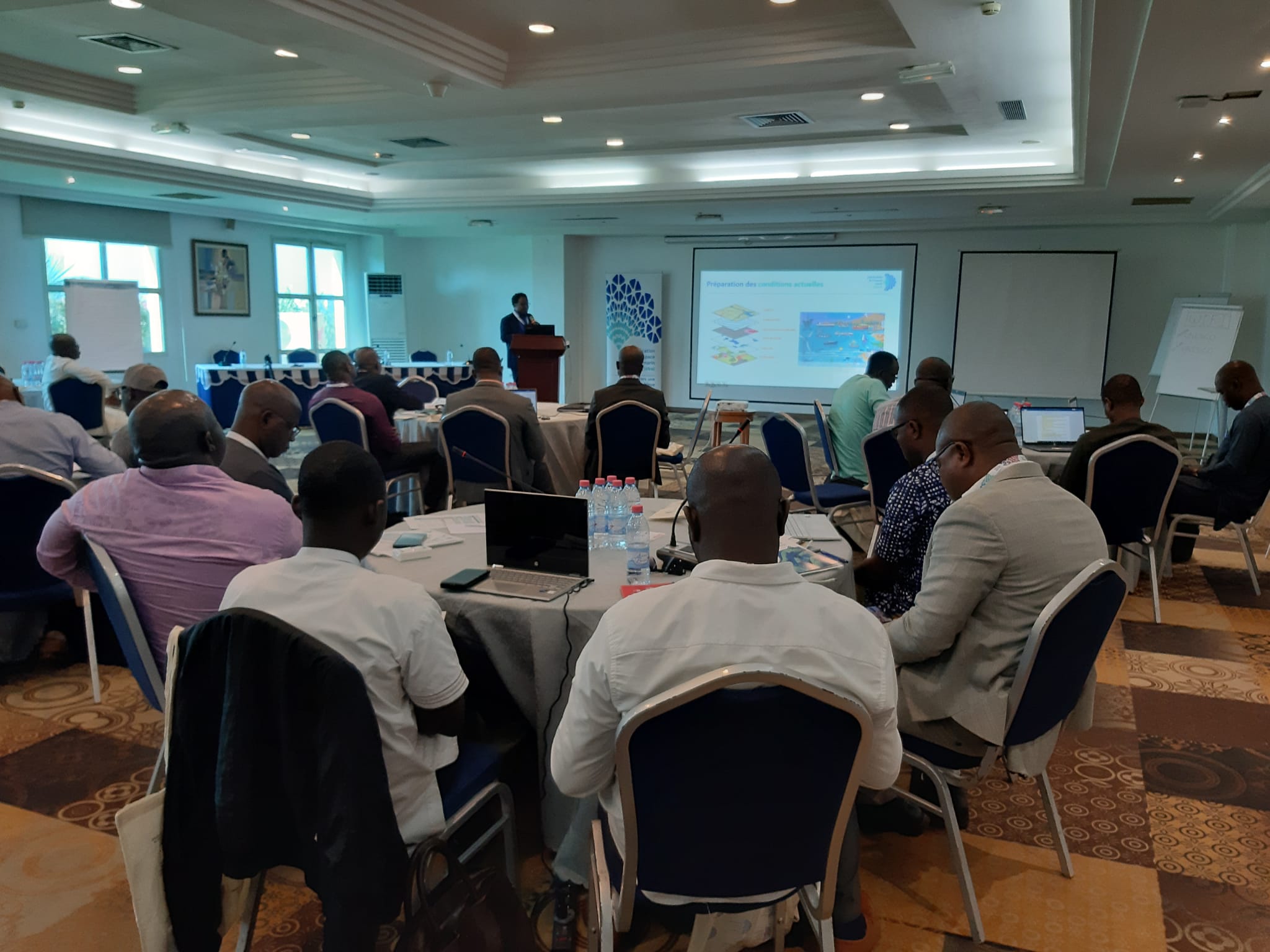
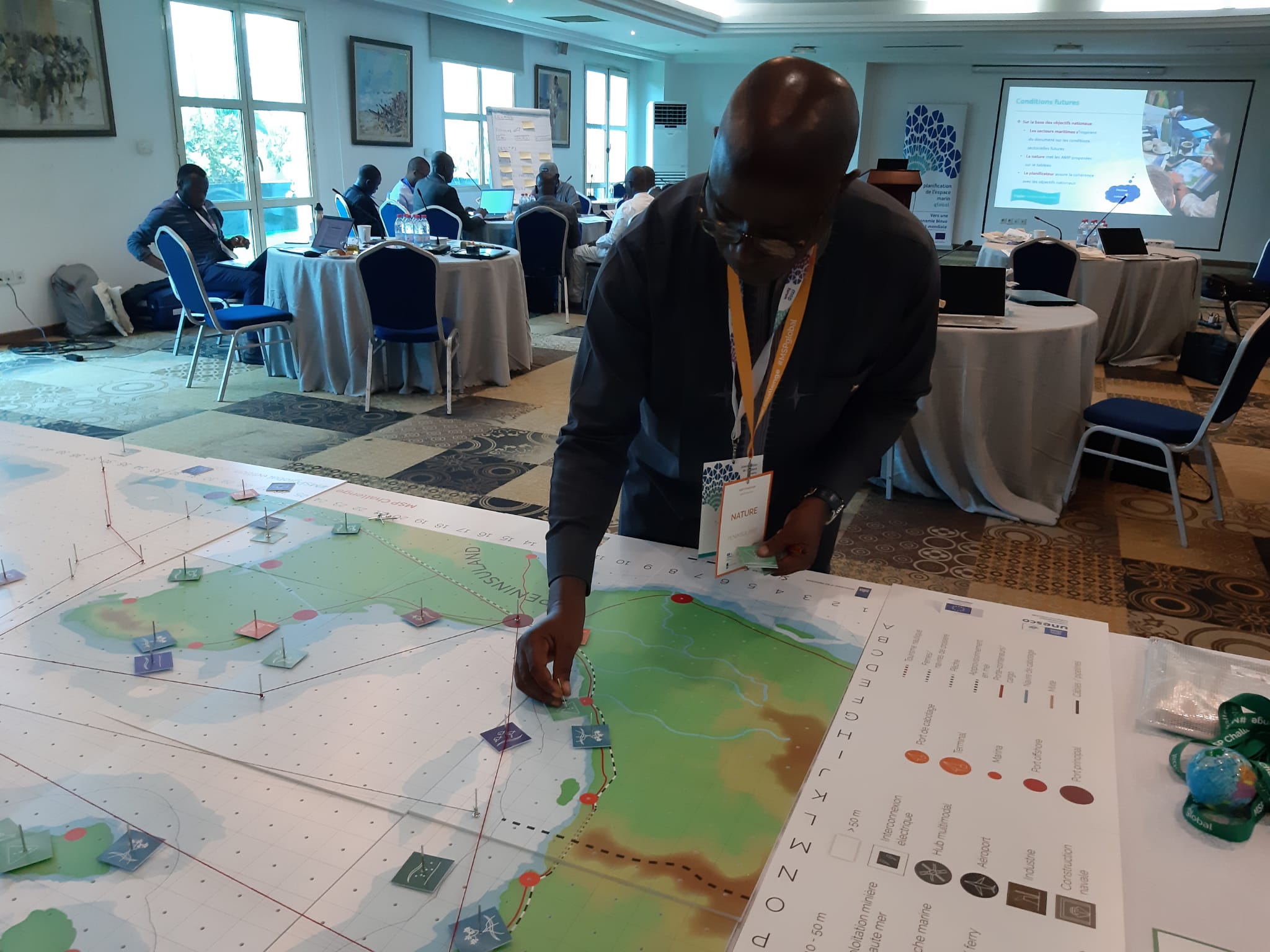
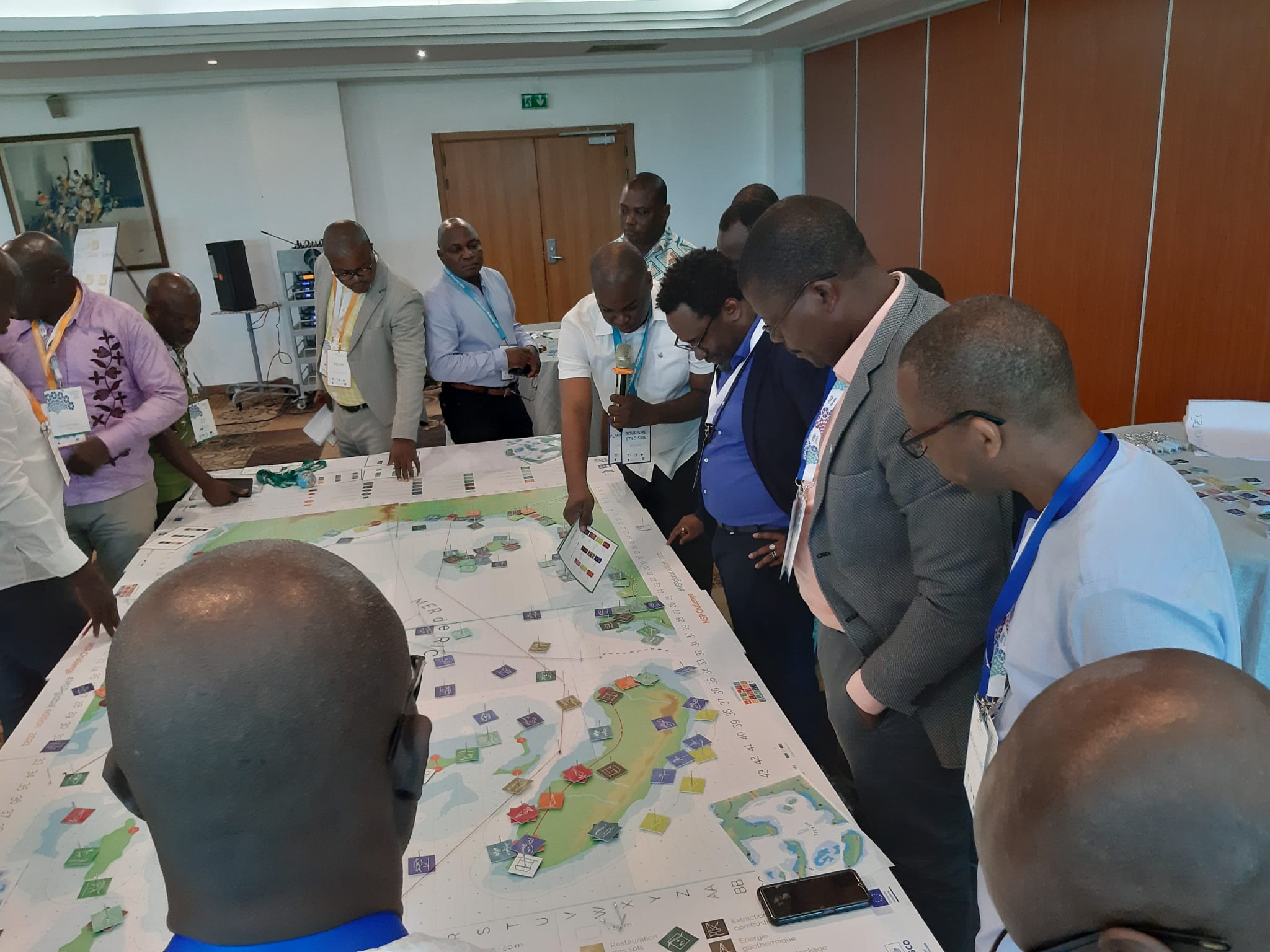
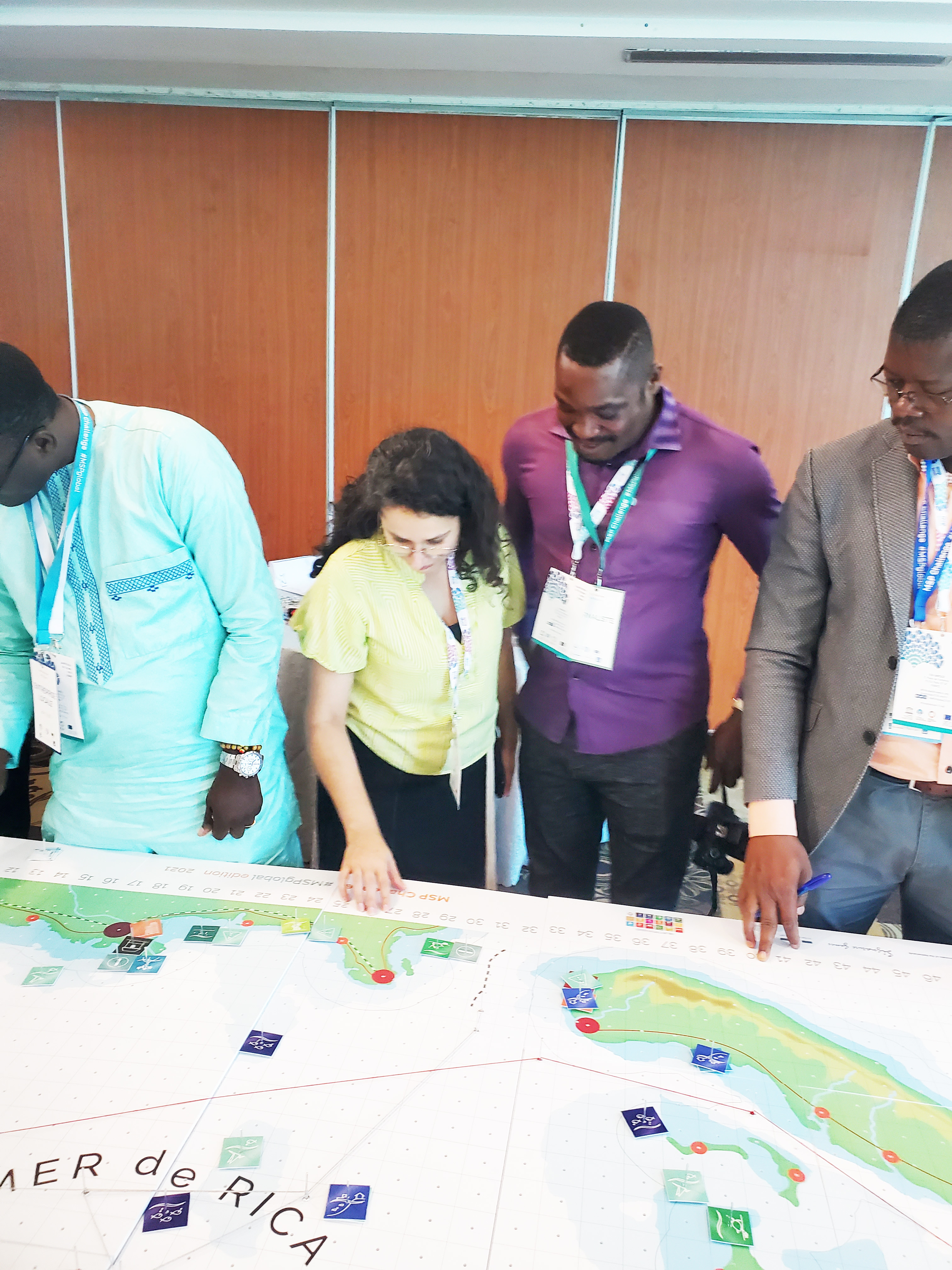
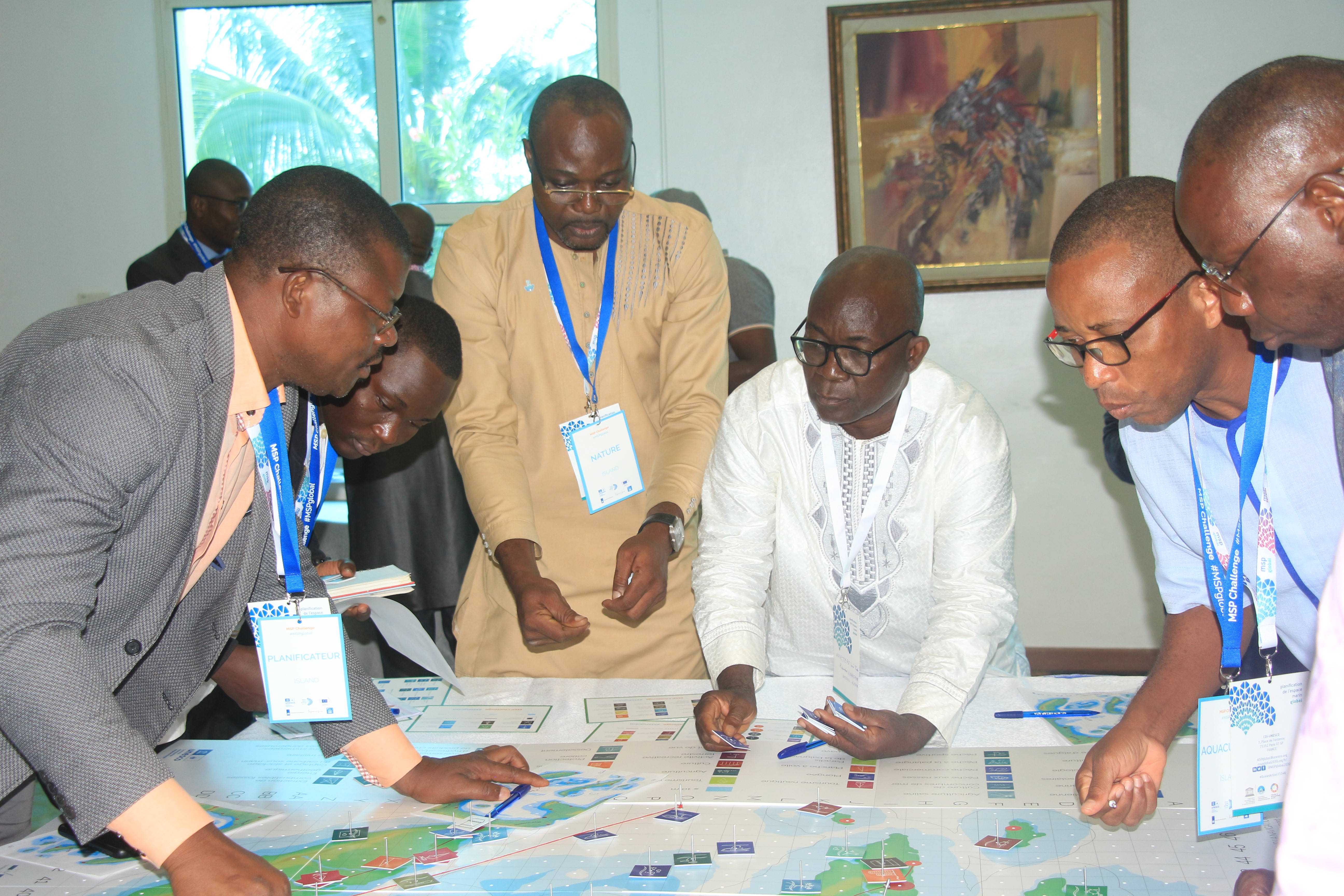
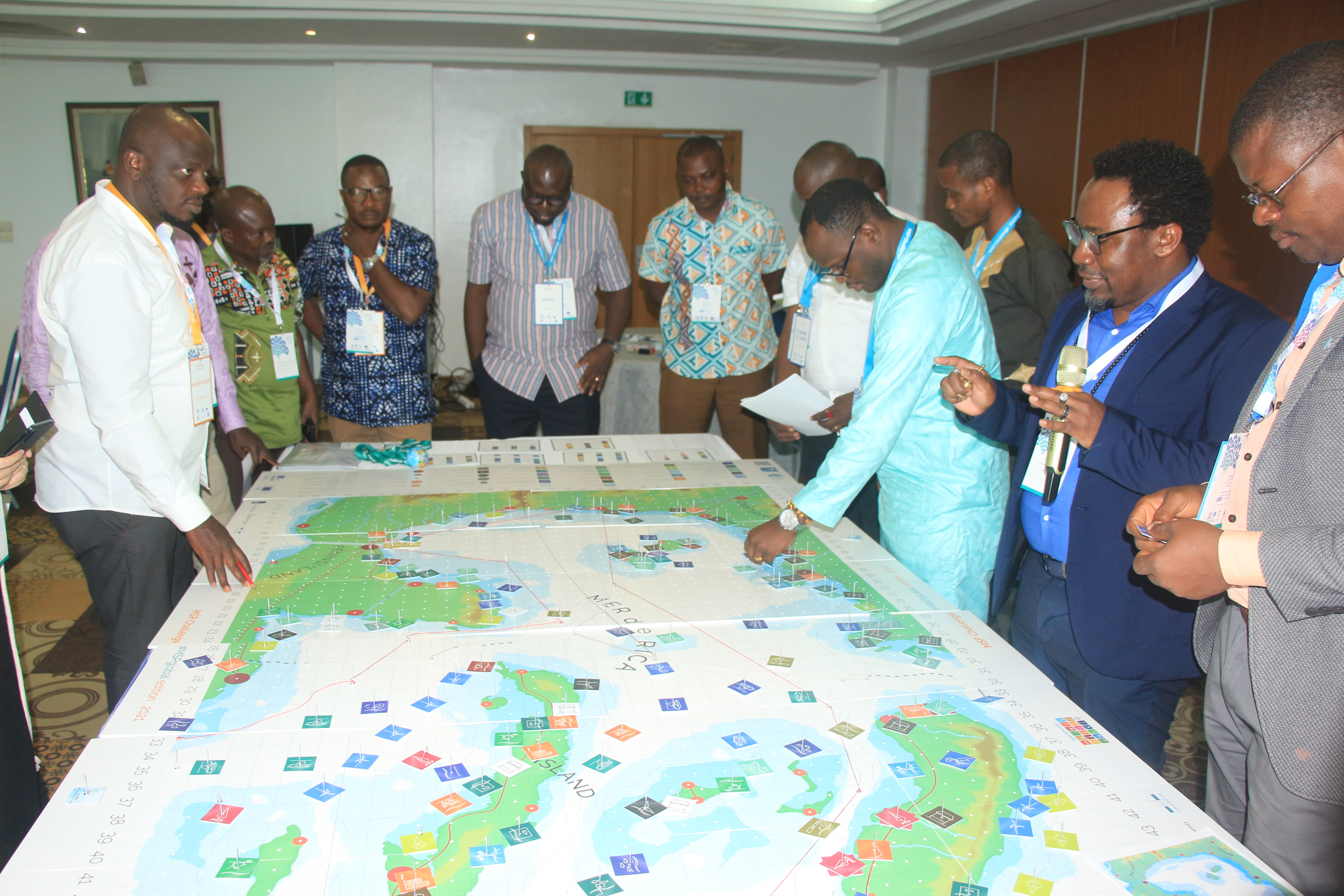
Similar to the previous National Trainings, the participants in Benin received a detailed overview of the MSP phases and sessions on essential MSP-related topics such as the inclusive and participatory approach of MSP, data for MSP, the sustainable blue economy, climate-smart MSP, and marine protection and restoration. In addition, the participants also got to reflect on the challenges and opportunities of transboundary MSP implementation and play the MSP challenge board game, a role-play to learn the complex relations between integrated marine-related activities and ecosystem-based MSP.
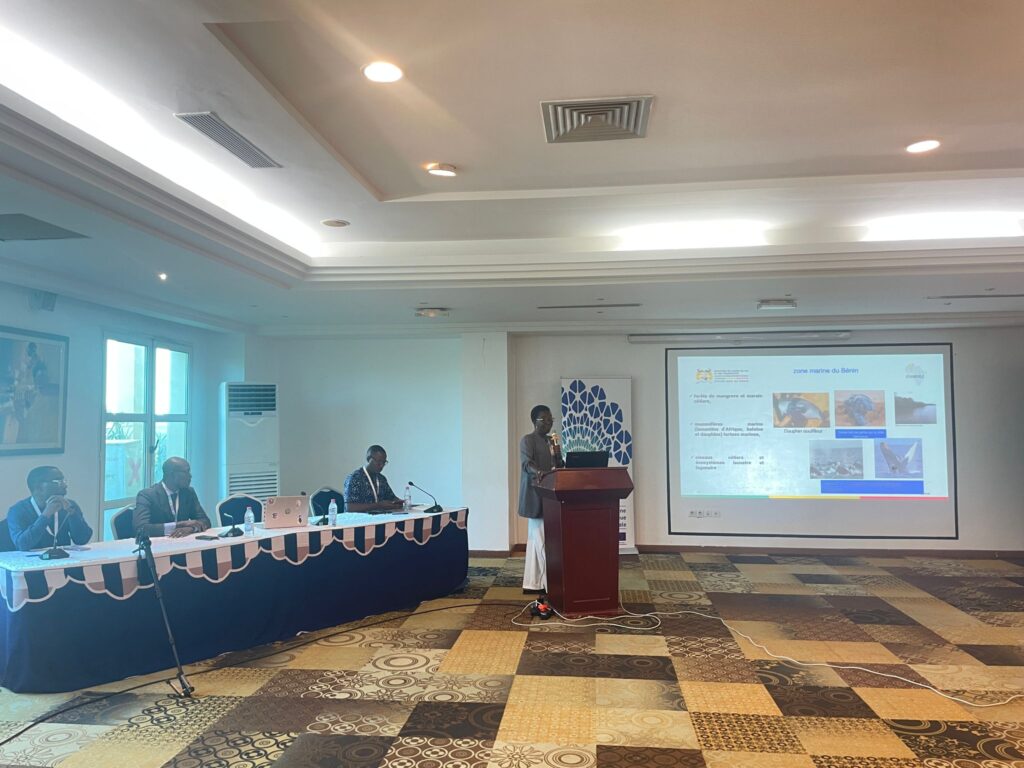
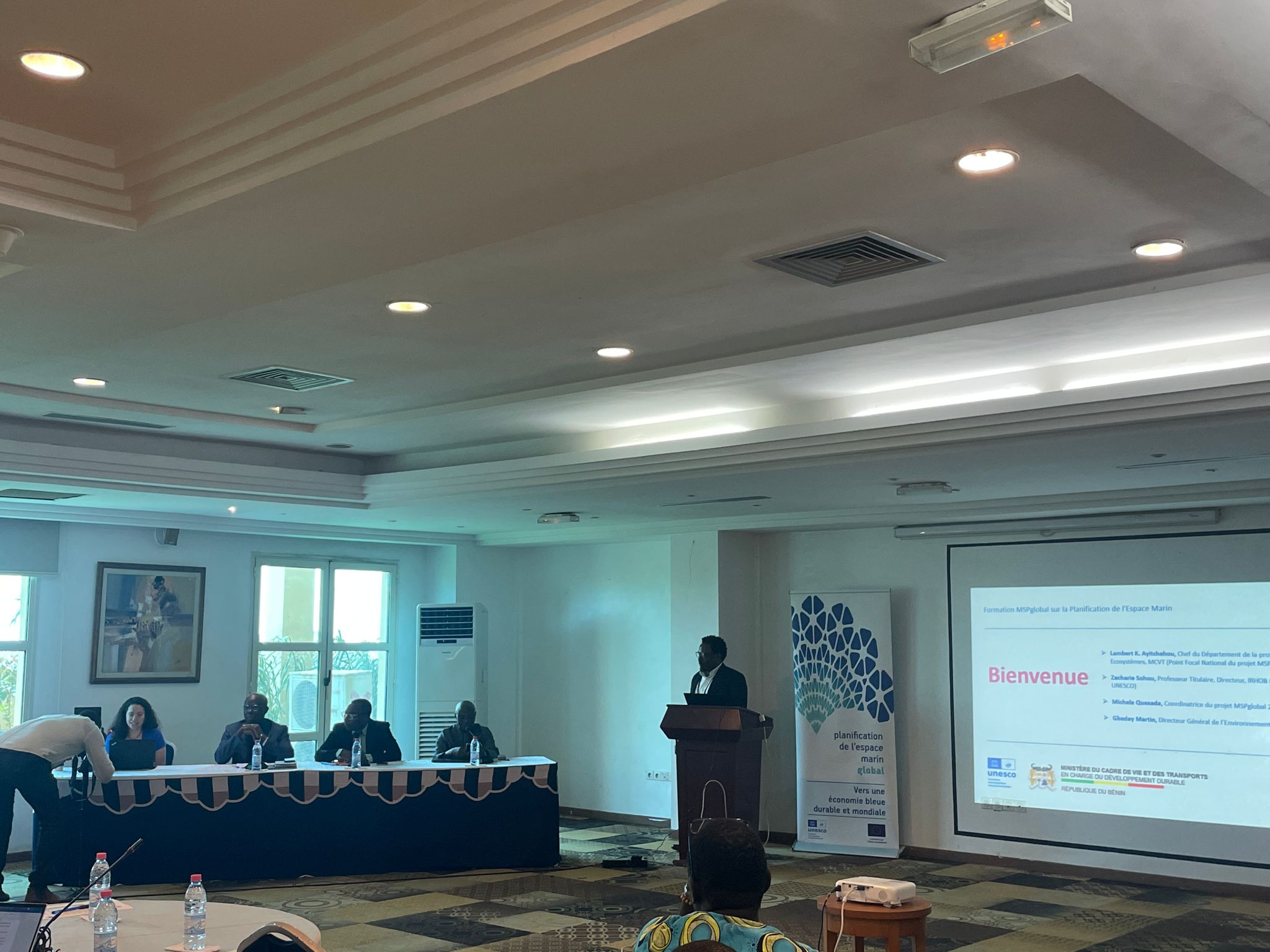
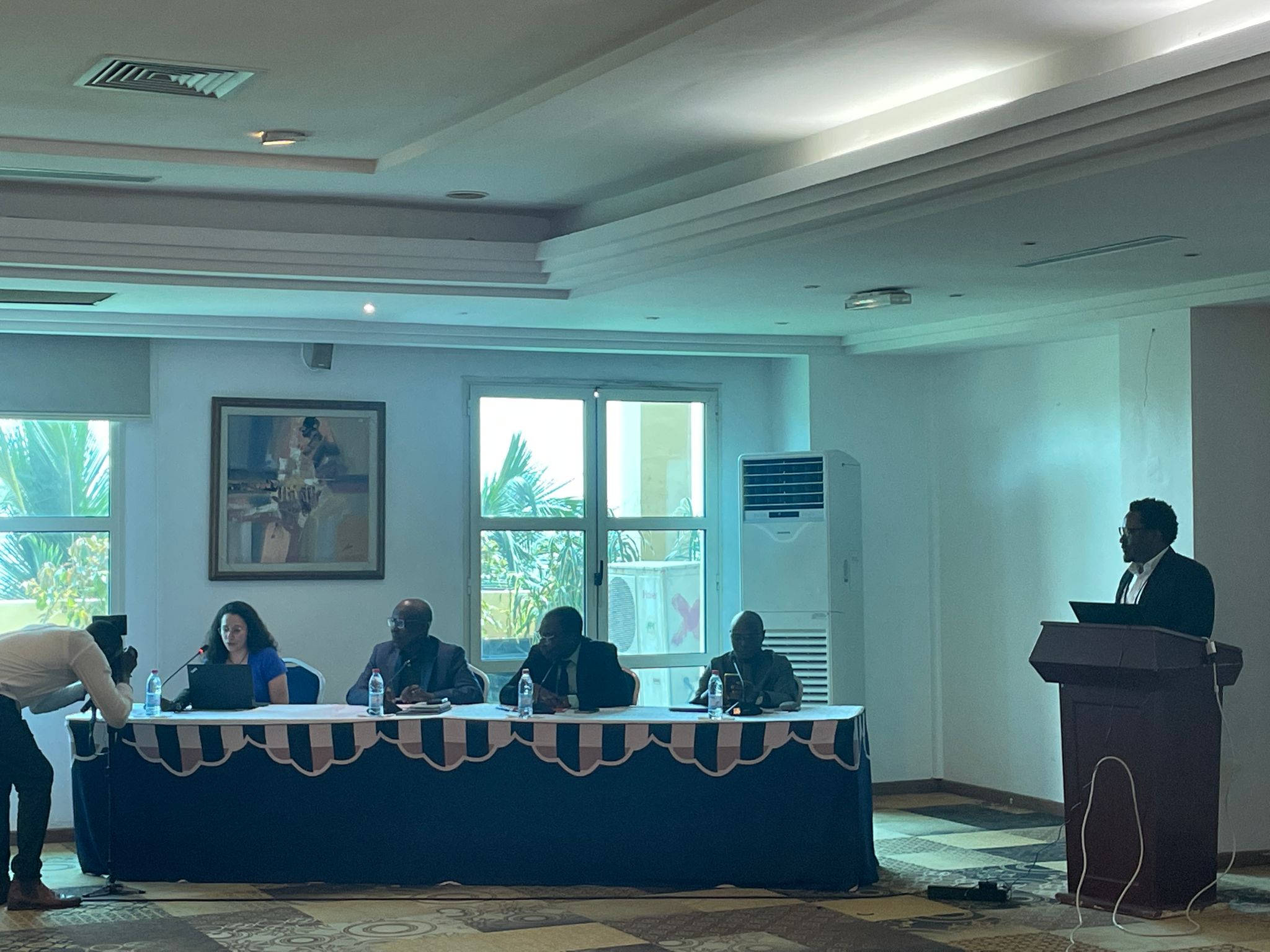
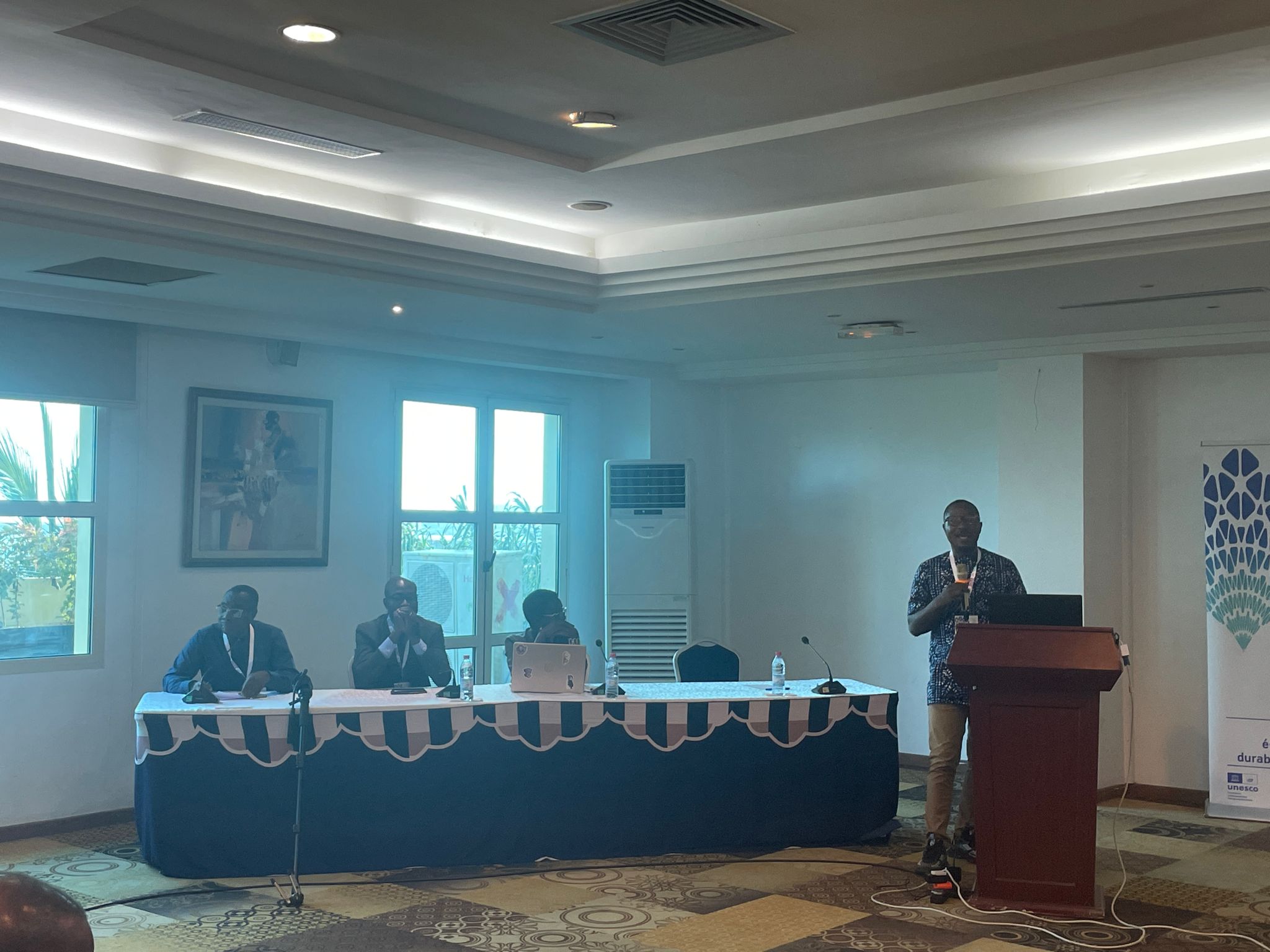
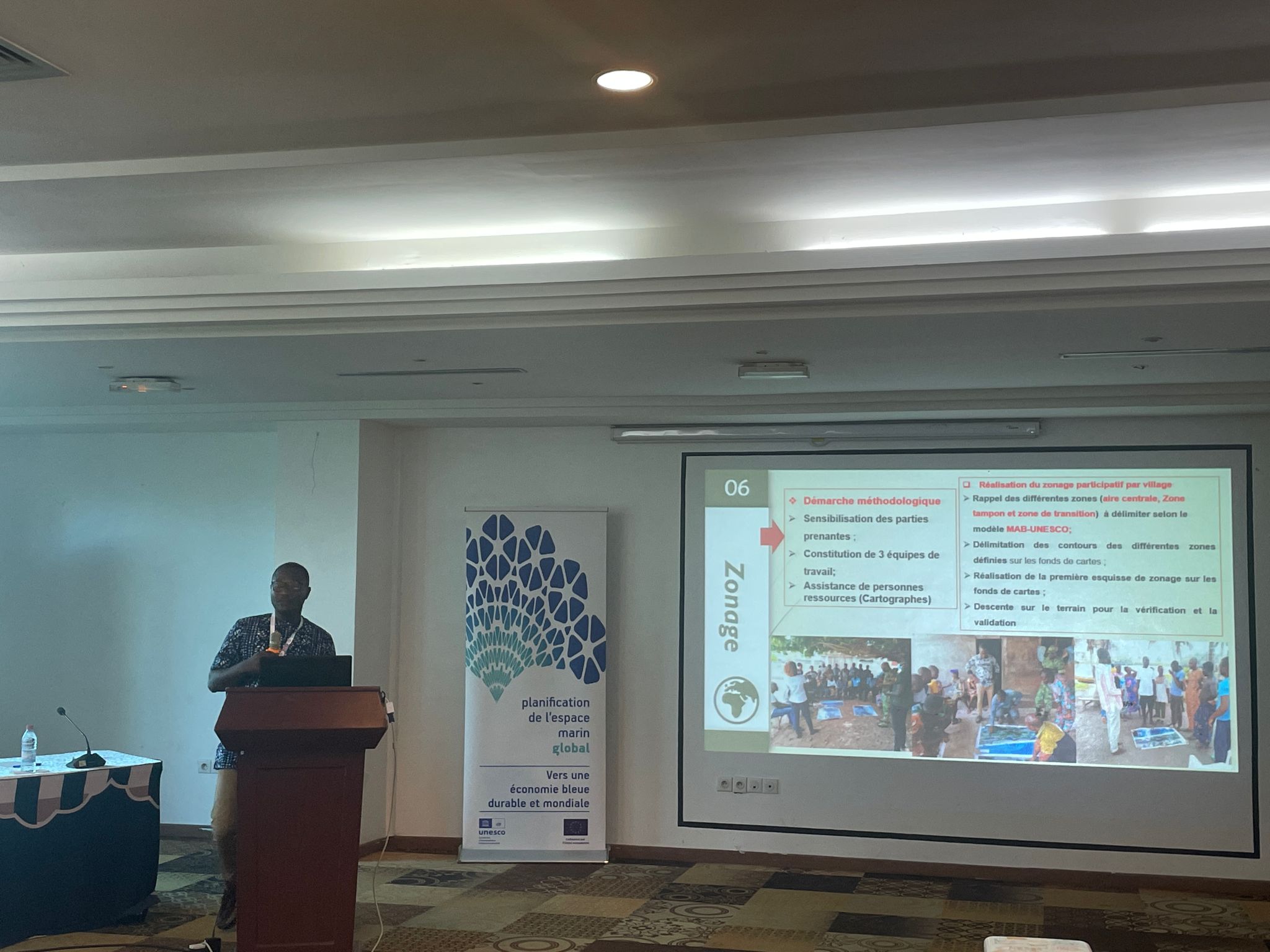
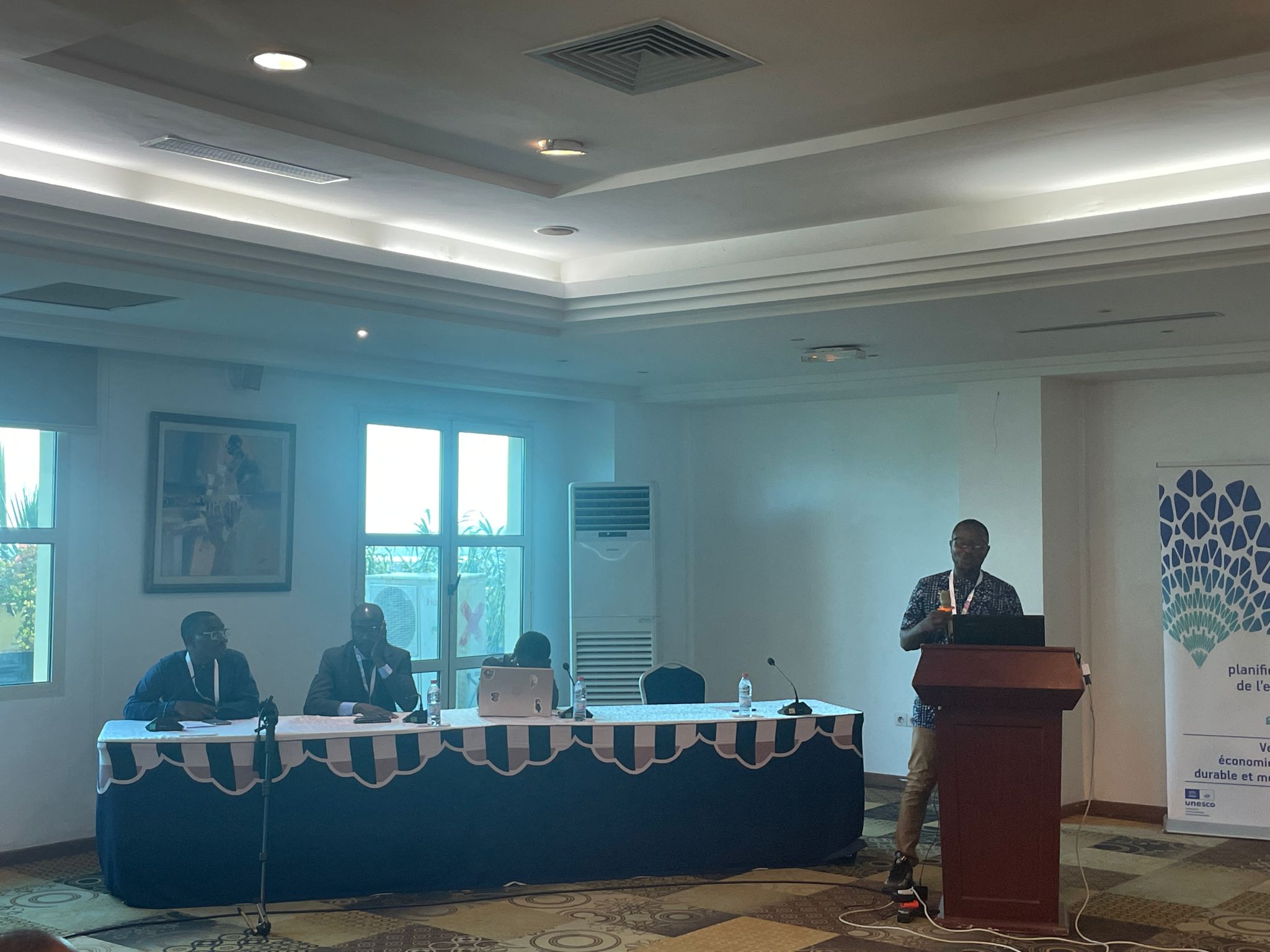
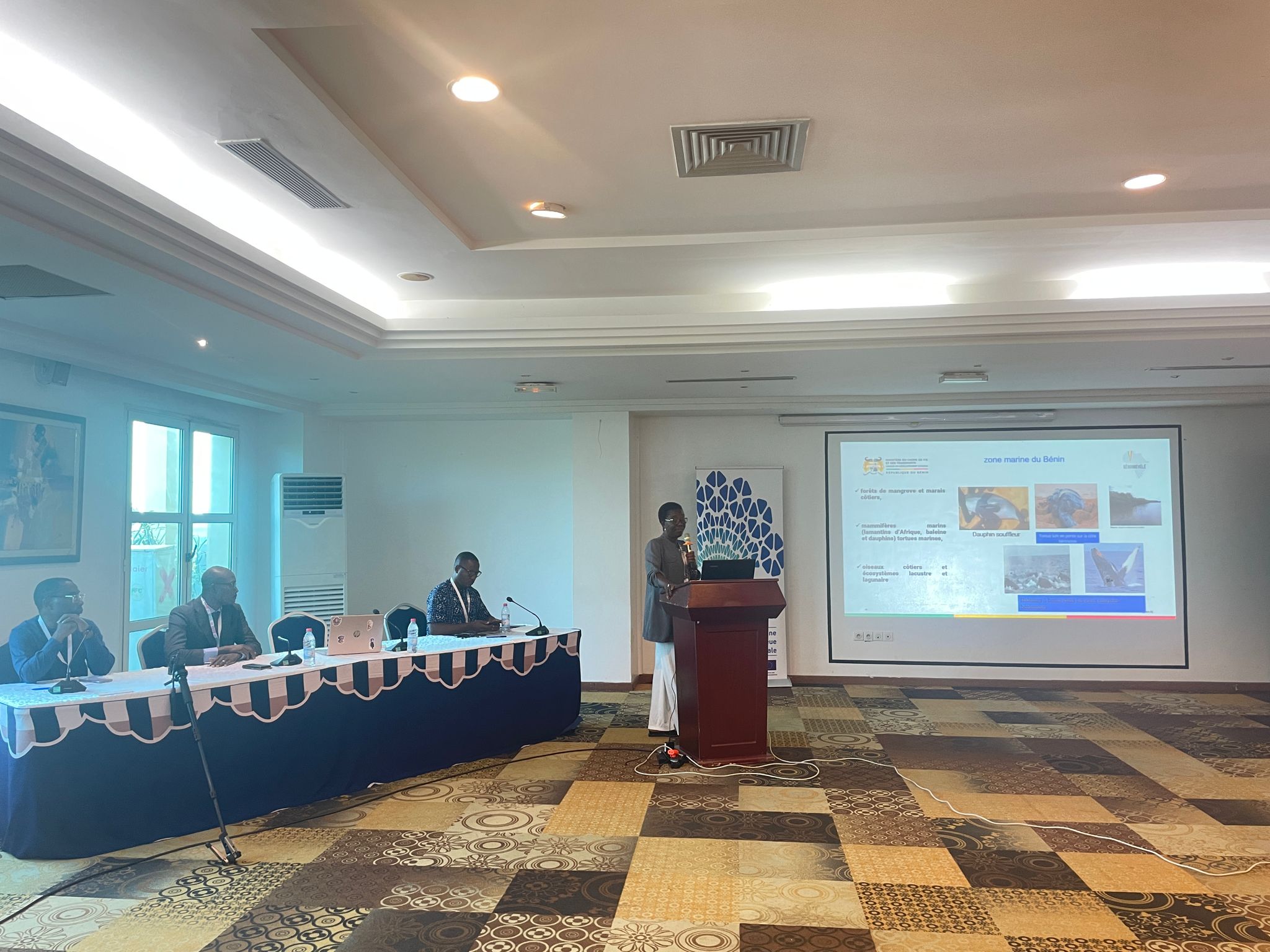
Panel about MSP-related projects in Benin
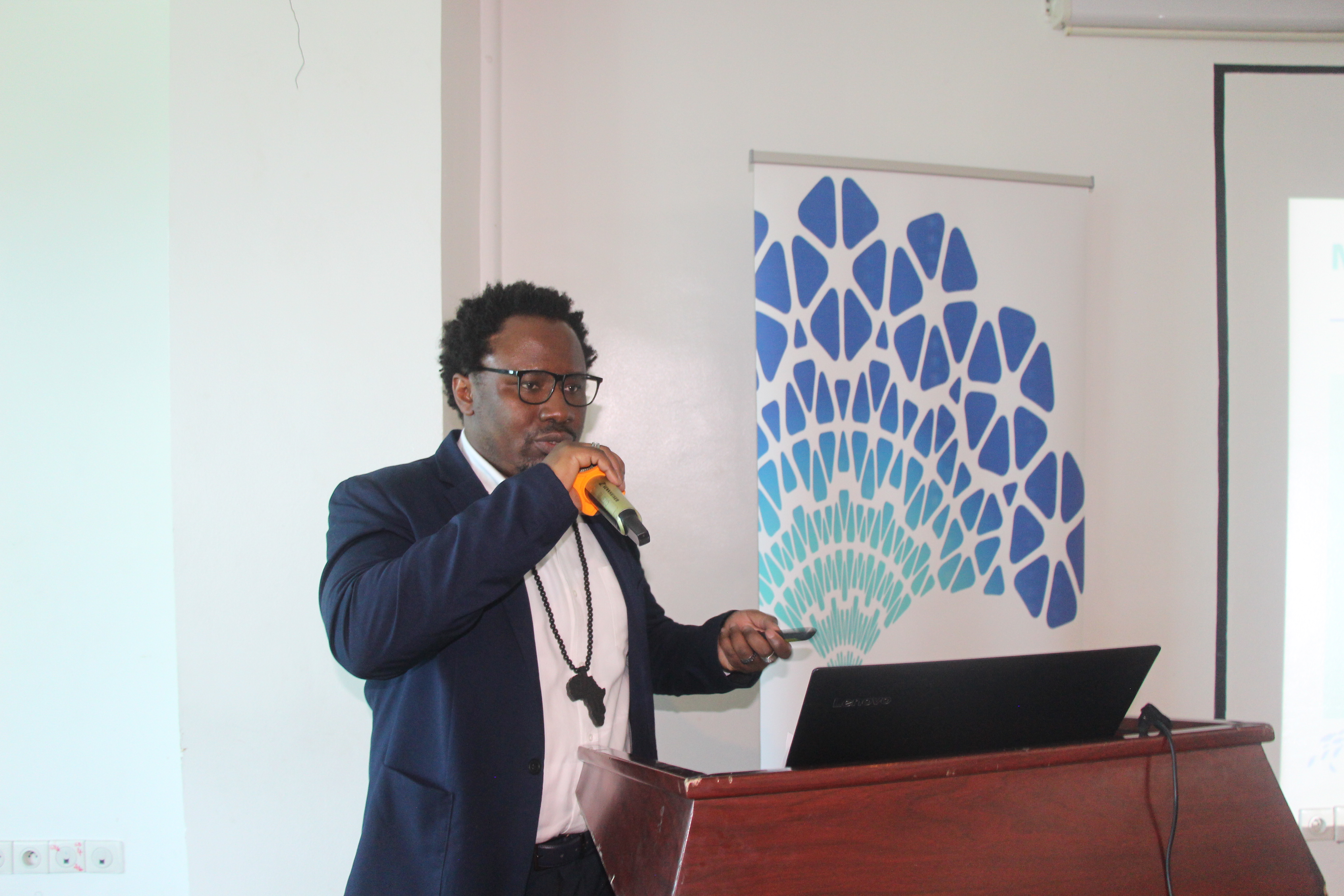
One of the highlights of the training was the panel moderated by the MSPglobal National Focal Point Mr. Lambert K. Ayitchehou from the Ministry of Living Environment and Sustainable Development in Benin. During the panel, Mr. Gildas Ekpangro, a member of the Integrated Project Management Unit (UIGP-WACA) shared his experiences derived from the creation of the community areas for the conservation of Biodiversity (ACCBs) within the framework of the WACA-ResIP project. He highlighted that, with the support of the World Bank three areas of biodiversity conservation had been created and stressed that the approach for establishing the ACCBs had been in line with the MSP process. Furthermore, he described how the zoning and participatory mapping process was challenging but advantageous to enhance sustainable governance mechanisms.
In addition, Ms. Faustine Sinzogan was also on the panel, as the Focal Point of the Abidjan Convention in Benin and former coordinator of the Integrated Coastal and Marine Zone Management in Benin (GIZMAC project) under the MAMI WATA project. During the discussion, she stressed that the coastal and marine environments of Benin are very rich and all governments have acknowledged this by ratifying various international and regional conventions such as the Abidjan Convention, and have endeavored to integrate the recommendations into the national positive law in support of the protection of these environments.
Ms. Sinzogan also added that a major challenge in Benin is the pressure on marine resources such as pollution by sargassum invasive species, pollution by marine litter, damaged platforms, and coastal erosion. She recalled that several measures have been taken to face these challenges with the following tools: Zone of Ecological and Biological Interest (ZIEB), Report on the State of Marine Environment (REEM), and MSP. In 2019, Benin started its MSP process by identifying two ZIEB (Donaten and Bouche-du-Roy) which led to the creation of two Marine Protected Areas.
Lastly, Mr. Philippe Zoumènou, former coordinator of the Coastal Protection against Coastal Erosion Programme, explained how the project aims to preserve the coastal and marine environment in Benin. He recalled that the challenges of coastal erosion called attention in the 1960s when the first port infrastructures were built and the challenges were acknowledged in the 1980s with the first studies and the search for funding, then the project was finally launched in 2012.

This intensive two-day event was part of a series of trainings for the Gulf of Guinea that began this year in Ghana and Togo, followed by Benin and Côte d’Ivoire. The preparations for further workshops have already started: Each beneficiary country will be supported with the development of an MSP National Action Plan as part of the new MSPglobal Rapid Assessment Methodology which is under development.










DOCUMENTS:
- Agenda
- Introduction to MSP
- How to set the scene and design the MSP process
- An inclusive and participatory approach for MSP
- Data and assessments for MSP
- Transboundary cooperation on MSP
- MSP & Sustainable Blue Economy
- Climate-smart MSP
- MSP & Marine Protection and Restoration
- Panel on MSP-related projects in Benin
- Hands-on: MSP Challenge board game
RELATED LINKS:
CONTACT:
MSPglobal.comm@unesco.org