



MSPglobal 2.0 marked its completion and MSPglobal 3.0 was launched during an online conference on 4 September 2025. Many participants (322 in total) from 123 countries joined to reflect on the new publications delivered under MSPglobal 2.0 and to get a sneak peek into the activities planned for MSPglobal 3.0.
To close the MSPglobal 2.0 project and launch MSPglobal 3.0, the Intergovernmental Oceanographic Commission (IOC) of UNESCO and the Directorate General for Maritime Affairs and Fisheries of the European Commission (DG MARE) jointly organised the MSPglobal Online Conference: 2.0 Closing & 3.0 Kick-off. In the centre of discussions were the newly launched MSPglobal guidelines and good practices for MSP practitioners, as well as the activities planned for the third project phase at the global and regional level.
The conference was opened by MSPglobal Project Coordinator Michele Quesada da Silva, followed by welcoming remarks from the institutional leads Julian Barbière (IOC) and Felix Leinemann (DG MARE), who explained how the programme has supported the joint Updated MSProadmap (2022-2027) in scaling up MSP implementation worldwide, as well as other IOC and DG MARE initiatives related to MSP.
MSPglobal Rapid Assessment Methodology: A seed initiative for other projects to flourish
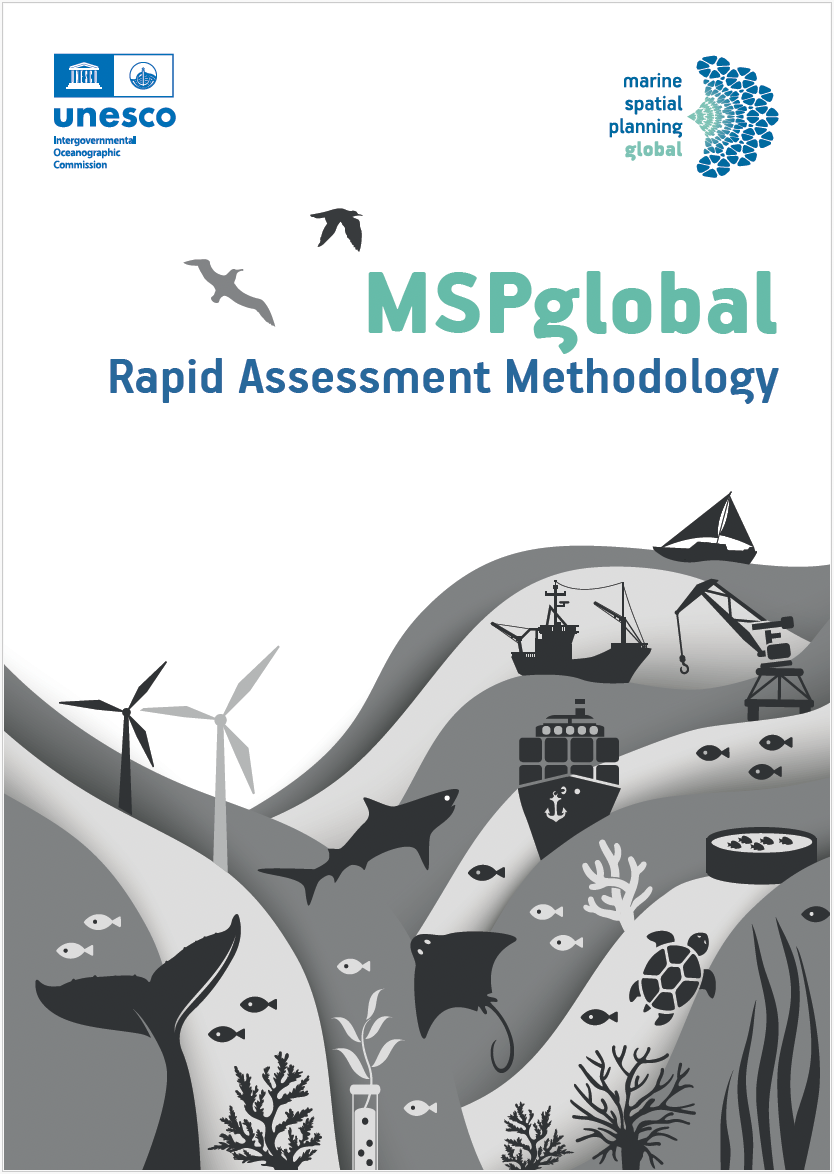
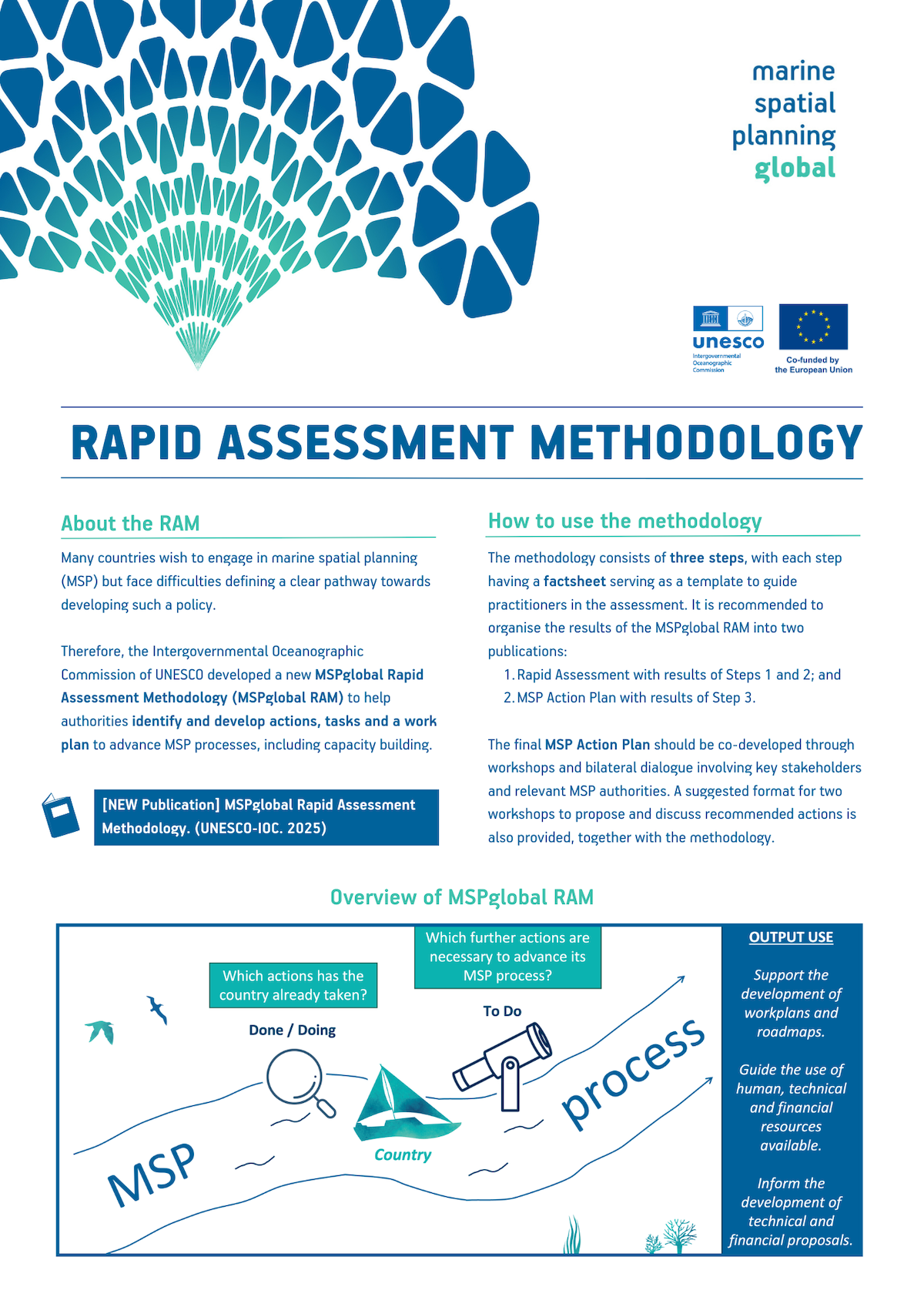
The conference continued with a presentation of the newly launched MSPglobal Rapid Assessment Methodology (MSPglobal RAM), which helps authorities identify and develop actions, tasks and a workplan to advance MSP processes, including capacity building.
The methodology consists of three steps, with each step having a factsheet serving as a template to guide practitioners in the assessment. The implementation has two outputs: Step 1 and step 2 are combined in one publication and are an assessment/diagnosis with initial recommendations, while step 3 is the final MSP Action plan.
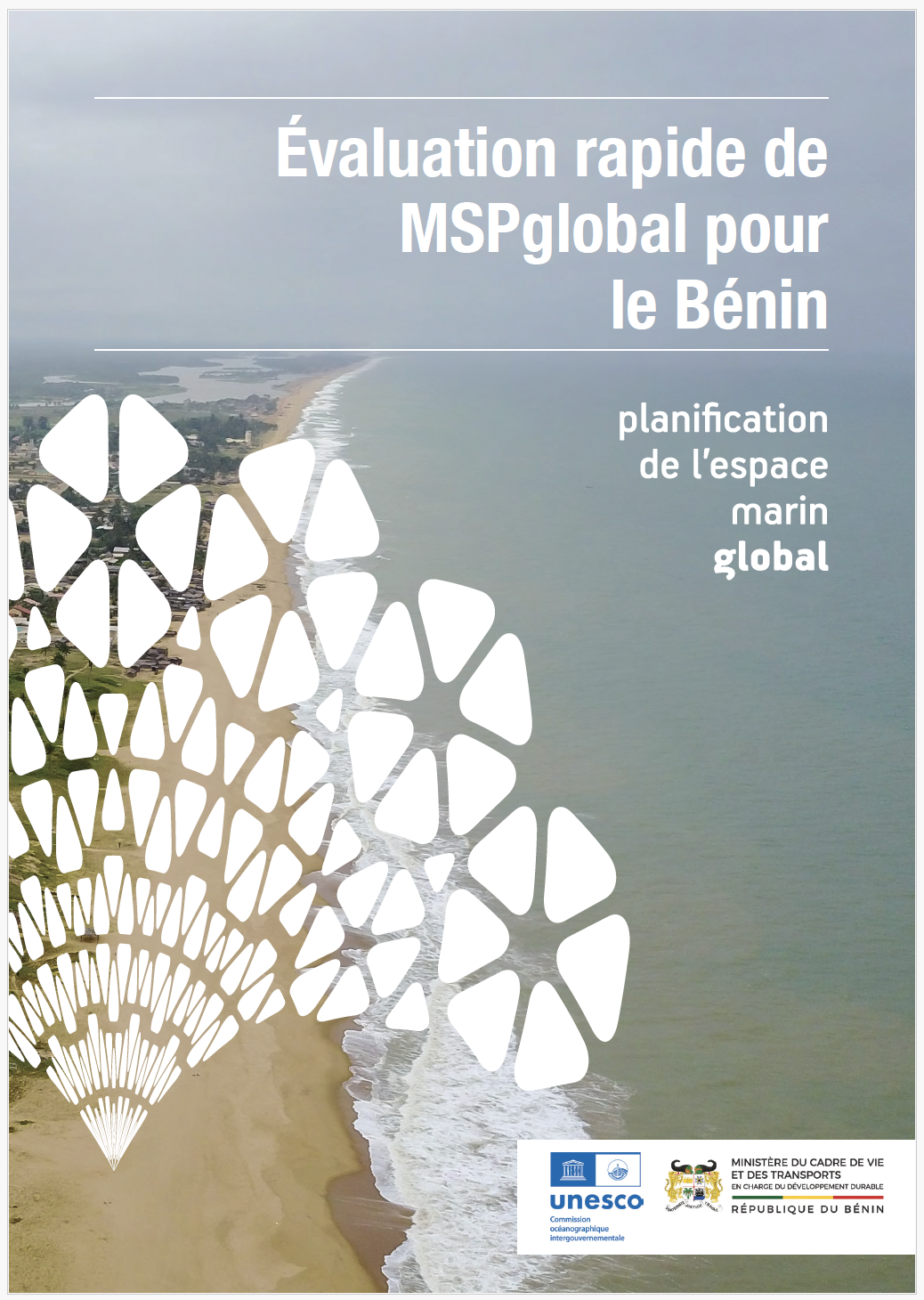
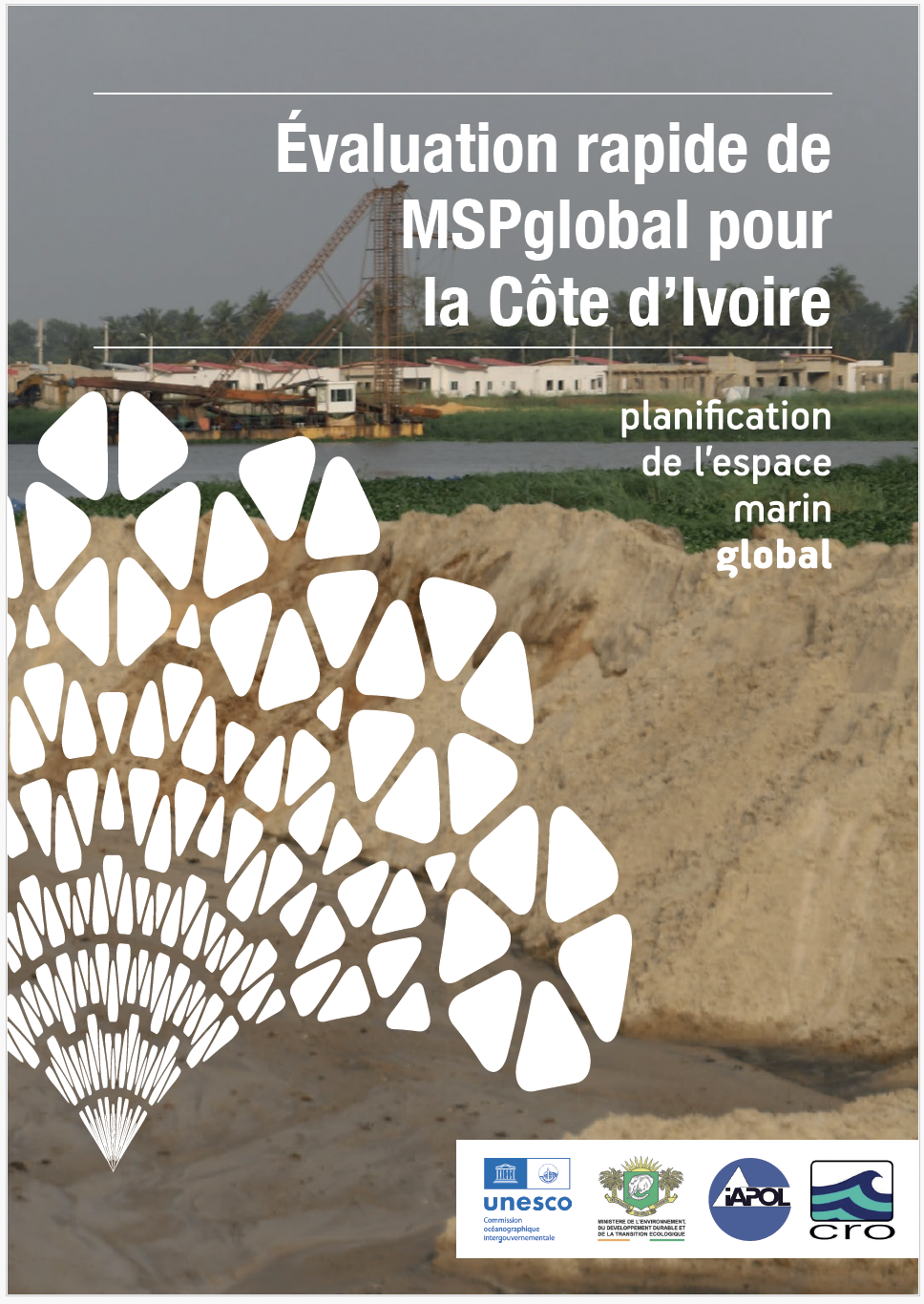
The five countries that first implemented the MSPglobal RAM officially launched their first publication during this conference: Benin, Côte d’Ivoire, Togo, Thailand and Brazil. Additionally, their national representatives shared their experiences with the methodology. They unanimously stated that one of the biggest benefits of the method was the mapping of existing MSP initiatives and legislative frameworks in order to identify gaps, needs, and objectives to be addressed in the MSP Action plan. A challenge that several mentioned is the designation of a responsible authority for MSP, the institutional fragmentation of the process and stakeholder coordination.
Beyond these five countries, MSPglobal is also implementing the RAM in Ghana, Fiji and South Africa. More are in the pipeline thanks to collaborations with other projects and partners.

Launch of new MSPglobal guidelines and good practices for MSP practitioners
The next session was moderated by Laura Stočkute (DG MARE) and focused on the launch of the new MSPglobal guidelines and good practices for MSP practitioners that were developed under MSPglobal 2.0.
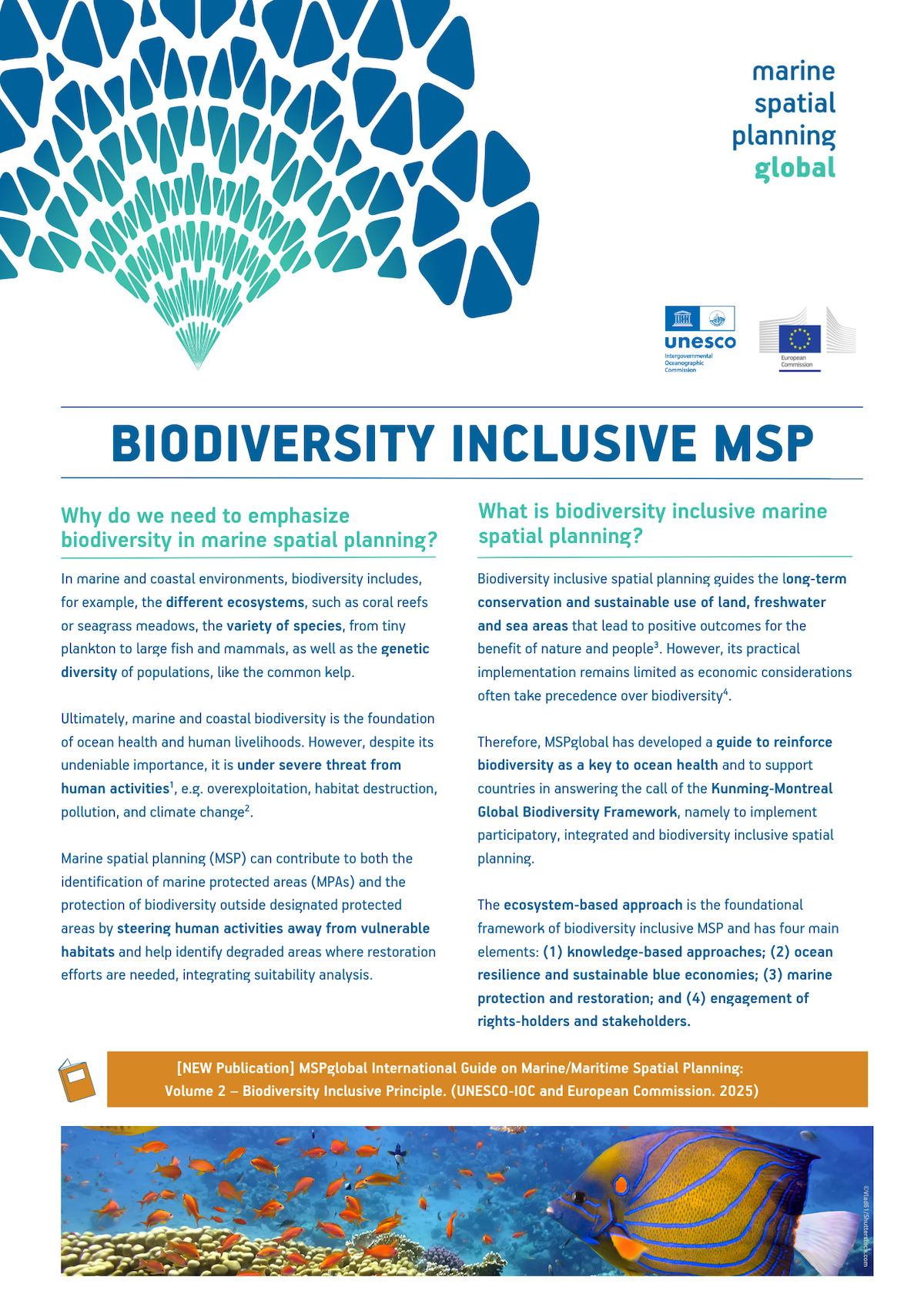
For the start, the two new volumes of the MSPglobal International Guide on Marine/Maritime Spatial Planning were presented: Volume 2 is a guide on how to develop biodiversity inclusive MSP, which reinforces biodiversity as a key to ocean health and human livelihoods. It supports countries in answering the call of the Kunming-Montreal Global Biodiversity Framework, namely to implement participatory, integrated and biodiversity inclusive spatial planning.
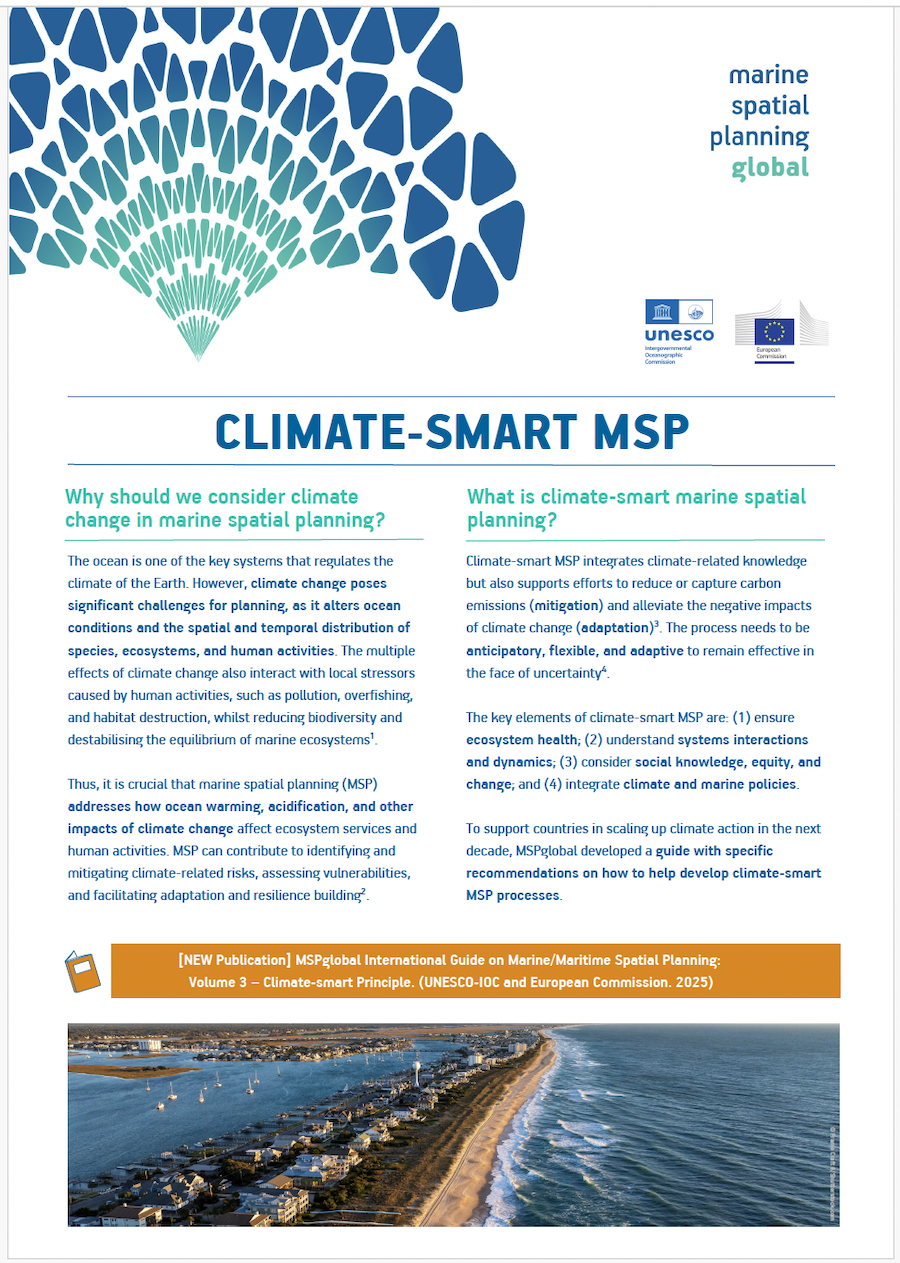
Volume 3 gives recommendations for developing climate-smart MSP to help countries in scaling up climate action in the next decade. Climate-smart MSP integrates climate-related knowledge but also supports efforts to reduce or capture carbon emissions (mitigation) and alleviate the negative impacts of climate change (adaptation).



Next, the new MSPglobal Data Toolboxes were presented: Volume 1 is structured to explain how to develop a spatial data infrastructure (SDI) for MSP, offering practical steps, foundational knowledge and good practices. Marine geospatial information is crucial to making informed decisions in MSP, and its use requires an SDI to enable the integration, access to, and sharing of standard datasets from various sources and disciplines, over different spatial scales and time frames. You can download or also use the online version of the SDI toolbox here.
Volume 2 guides practitioners on how to integrate ocean observations into the MSP process. It highlights how high-quality, accessible, and interoperable ocean data can enhance the understanding of marine systems, support sustainable planning and management, and improve policy outcomes in a changing ocean environment. Stay tuned in our communication channels, as the publication will be launched very soon on UNESDOC Digital Library and as an online version on a dedicated website. Until then, take a look at this 2-page flyer on ocean observations for MSP.
During MSPglobal 3.0, the publications mentioned above will be transformed into online and in-person regional trainings. They will be available on the Ocean Teacher Global Academy, as is the current MSPglobal Online Training on MSP.
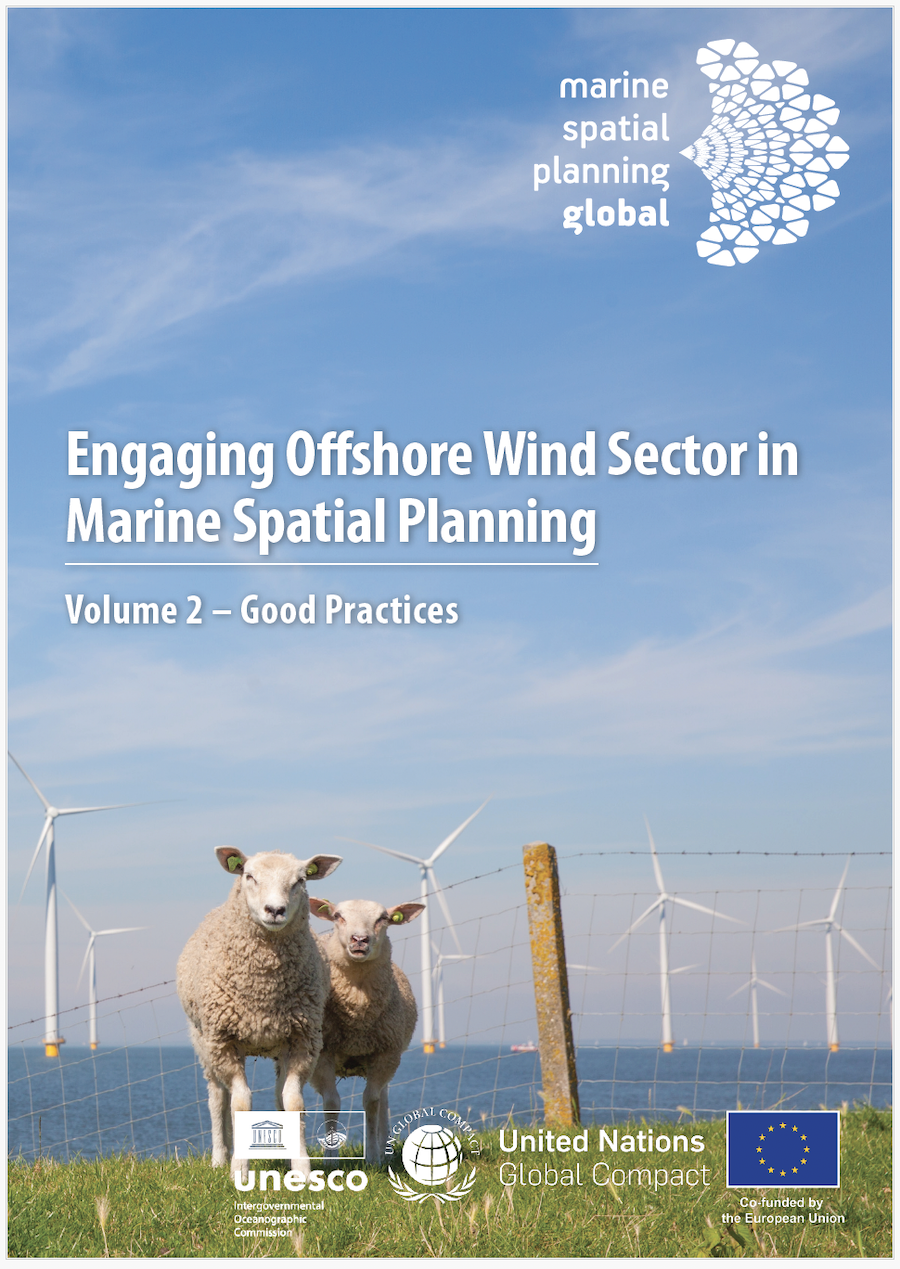
Lastly, two new publications were presented, which have been co-developed with the UN Global Compact on the engagement of the offshore wind (OW) sector in MSP. While volume 1 provides an overview of the OW sector, the second volume presents good practices based on global experiences. As OW energy expands globally, MSP plays a crucial role in ensuring its sustainable integration within shared marine space while reconciling economic, environmental, and sectoral interests.

Setting the sail to MSPglobal 3.0
The last session of the conference consisted of two panels, which gave a sneak peek into MSPglobal 3.0. The panellists were experts from across the globe who specialise in the topics that MSPglobal 3.0 will work on in the next two years.
More specifically, MSPglobal 3.0 aims to develop volume 4 of the MSPglobal International Guide on Marine/Maritime Spatial Planning, focusing on land-sea interaction (LSI), as well as volume 3 of the MSPglobal Data Toolboxes on cumulative impacts assessment, and volume 4 on spatial scenarios. An additional publication will also be developed on engaging the aquaculture sector in MSP.
The first panellist, Potlako Khati from the Department of Forestry, Fisheries and the Environment (South Africa), highlighted that it is important to infuse LSI within MSP in order to effectively manage physical, chemical and biological interactions, most importantly while considering climate change and human influence within that space. It was also recognised that both MSP and Integrated Coastal Zone Management are good mechanisms through which LSI can be addressed.
Maren Kruse from the Thünen Institute of Sea Fisheries (Germany), and an expert on scenario analysis, described the process as a stress test for planning ideas. Scenarios are data-driven narratives about how the future might unfold. Therefore, they are useful for making MSP forward-looking and adaptive while helping to understand the consequences of trade-offs and policy choices in the future.
IOC regional mechanisms to support MSP
The second panel featured the heads of the IOC Subcommissions (IOCAFRICA, WESTPAC and IOCARIBE). The discussion centred around the current state of MSP in the region and existing IOC mechanisms to support MSP.
Ibukun Adewumi, Head of IOCAFRICA, started off by explaining why ocean management in his region seems to be done with a “half-closed eye”. Although there’s a momentum for MSP now, especially due to the increasing interest in blue economy sectors, MSP is still perceived as a project with much more political support needed. Also, even though MSP is gaining traction, there is still a lack of inclusive stakeholder engagement, for instance, with local communities and small-scale fishers. In addition, he explained how the Subcommission helps member states move from fragmented sectoral management to integrated forward-looking ocean governance. This is done through three pillars: capacity development, improving data infrastructure, policy alignment and regional dialogue.
Similar to I. Adewumi, Wenxi Zhu, Head of WESTPAC, mentioned the lack of legal support and technical capacity development needs as a big challenge for the advancement of MSP in the region. He also explained that the IOC regional mechanisms play a key role in bridging the gap between global perspectives and national actions. For that, the Subcommission uses a strategic and holistic approach in order to empower its member states. All efforts towards MSP culminated into the recent development of the adopted regional action framework for MSP (2025- 2030).
Lastly, Marko Tosic from IOCARIBE, stated that MSP is an essential element of IOCARIBE’s biennial work plan, which includes MSP processes, economic valuations, tools for ecosystem-based management and sustainable ocean planning. As a major opportunity for MSP development in the region, he mentioned the UNDP/GEF/UNOPS/PROCARIBE + project.
After this sneak peek into the activities planned for MSPglobal 3.0, it was time to wrap up the conference and thank everybody involved, including the audience who had been engaging regularly through Zoom polls in between the sessions.
DOCUMENTS:
RELATED LINKS:
- YouTube playlist with English, Spanish and French recordings
- MSPglobal publications
CONTACT: