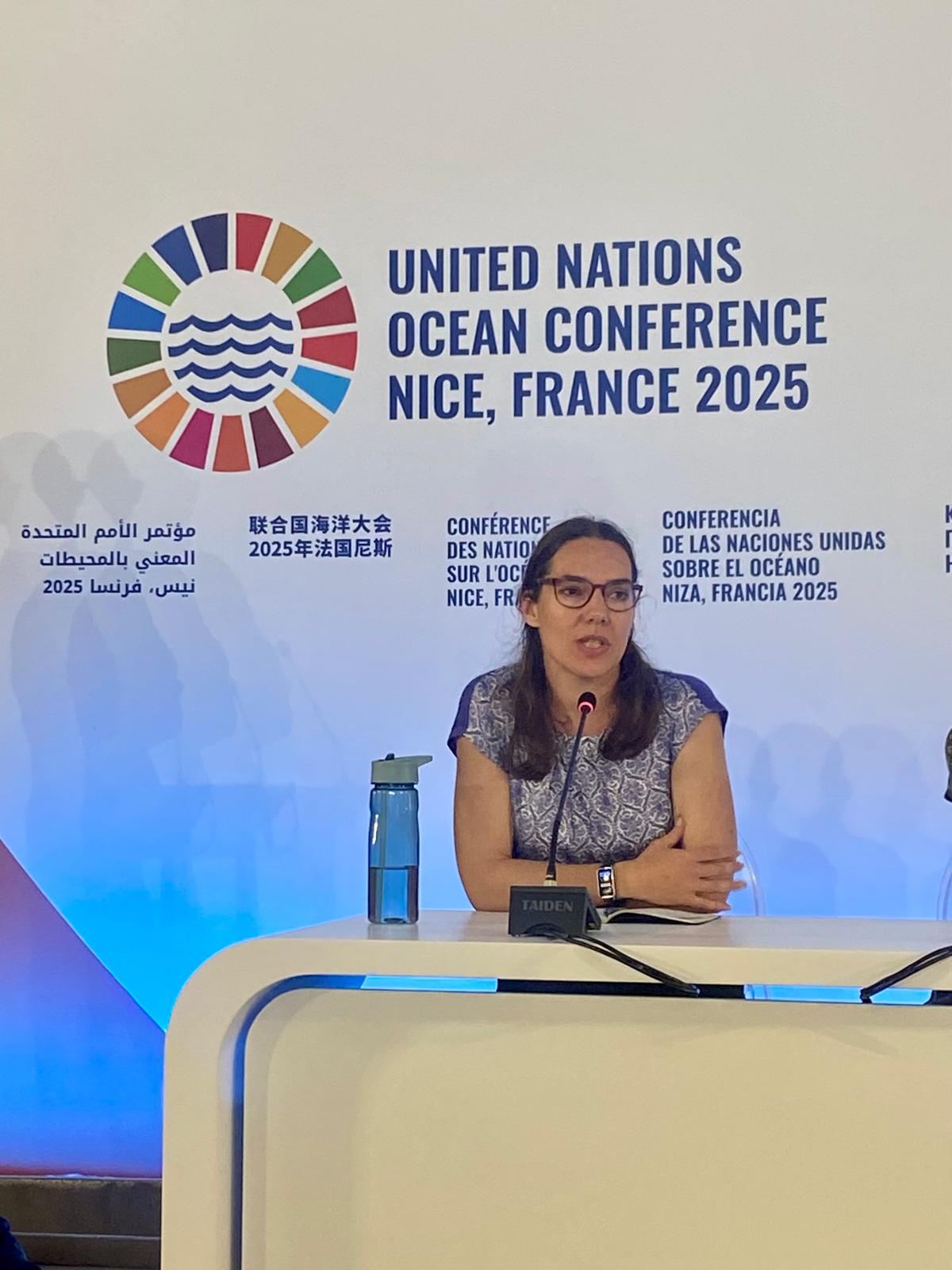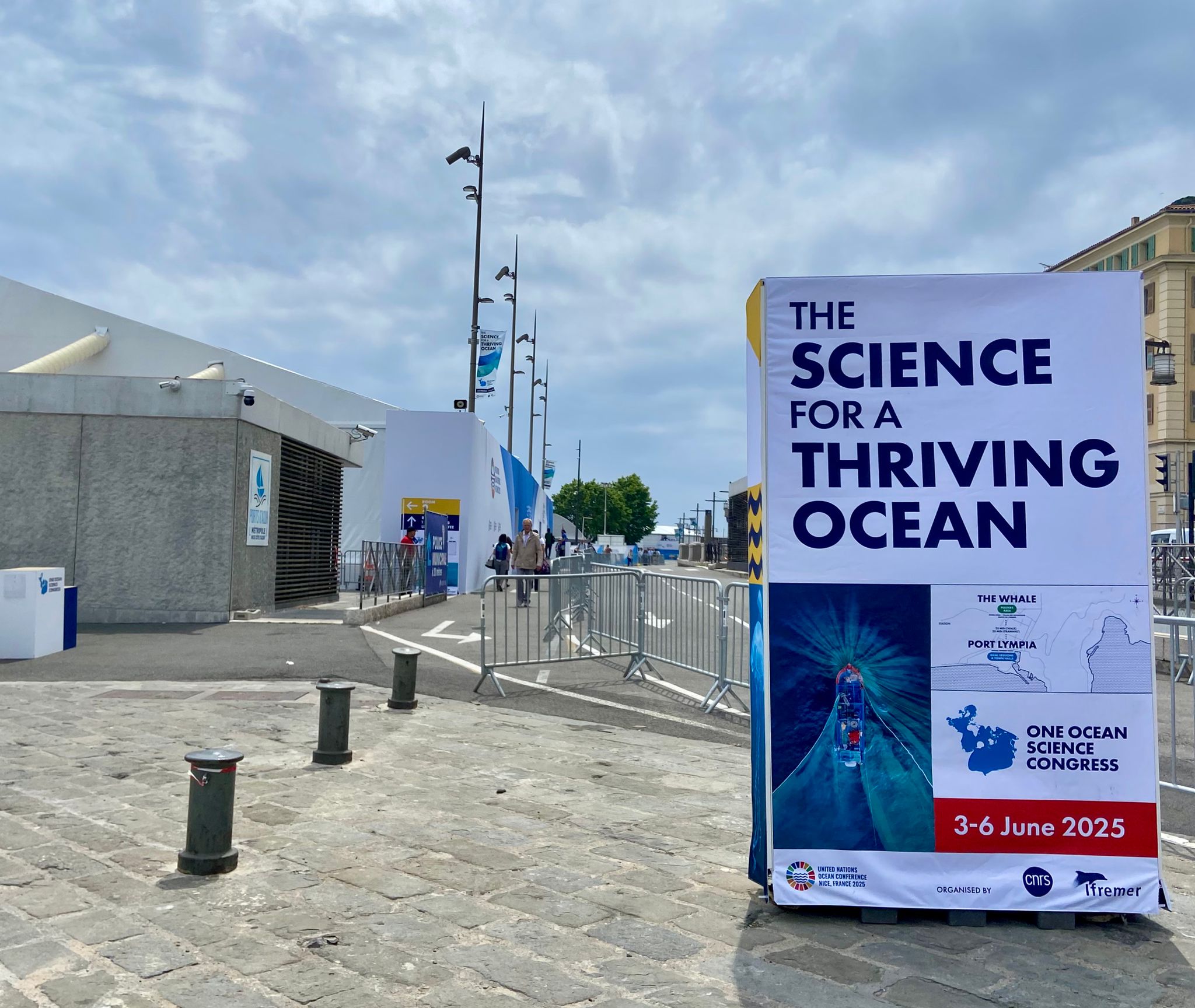


MSPglobal provided contributions to the UN Ocean Conference (UNOC3) as well as to the preceding One Ocean Congress (OOSC), both taking place in June 2025, in Nice, France. While at OOSC, MSPglobal shared the key findings of its upcoming guide on biodiversity inclusive marine spatial planning (MSP), at UNOC3, it co-organised a high-level event around knowledge and effective financing and partnerships for the successful implementation of MSP. There, it launched its new Rapid Assessment Methodology (RAM) and announced a new collaboration with the World Bank.
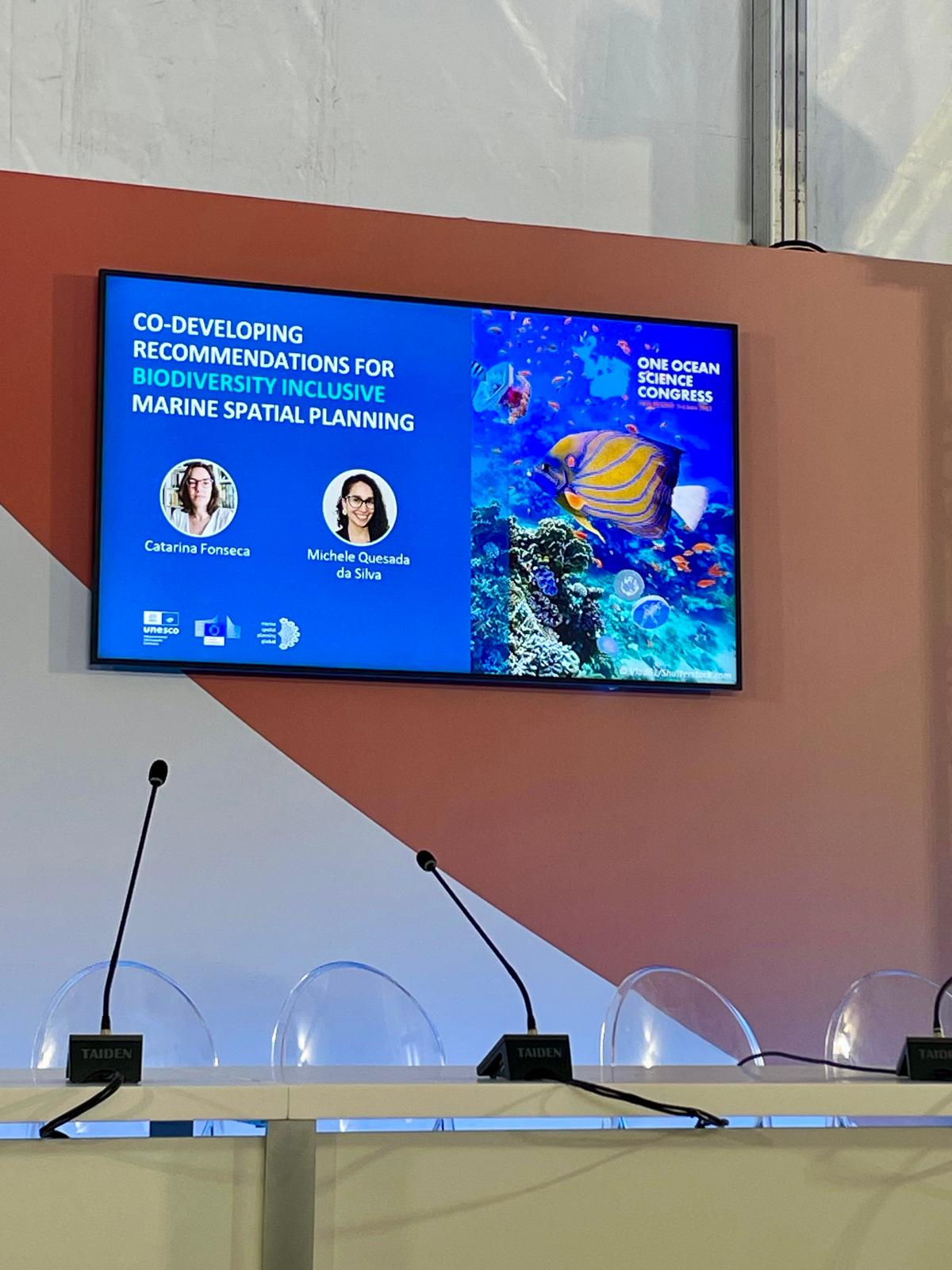
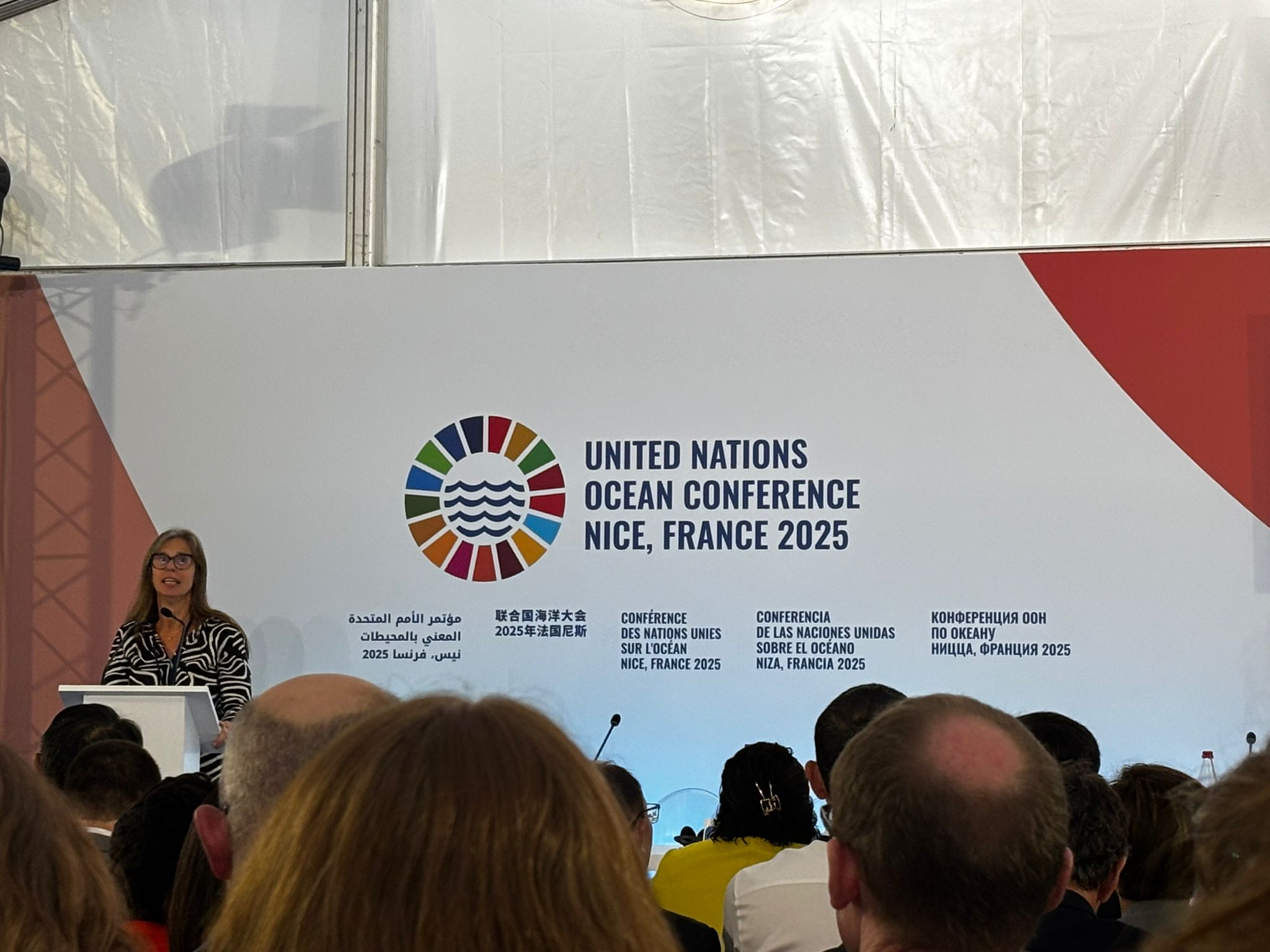
Ahead of UNOC3 in Nice, the OOSC gathered the scientific community as well as policymakers and other stakeholders from around the world to discuss ocean science. In this context, on 5 June 2025, MSPglobal took the stage to present recommendations for biodiversity inclusive MSP. These are collected in a soon-to-be-launched, complementary volume to the MSPglobal International Guide on Marine/Maritime Spatial Planning. It is a joint publication of the Intergovernmental Oceanographic Commission of UNESCO (UNESCO-IOC) and the European Commission’s Directorate-General for Maritime Affairs and Fisheries (DG MARE).
Recognising the opportunity to reinforce biodiversity as key to ocean health and aiming to support countries developing and implementing participatory, integrated planning to avoid biodiversity loss (Target 1 of the Kunming-Montreal Global Biodiversity Framework), the publication develops the concept of biodiversity inclusive within the wider framework of the ecosystem-based approach that underpins MSP. Watch out for the publication launch in MSPglobal communications channels. Until then, you can download a summarising flyer with key messages here.

Unlocking the Blue Economy – High-level side event at UNOC3
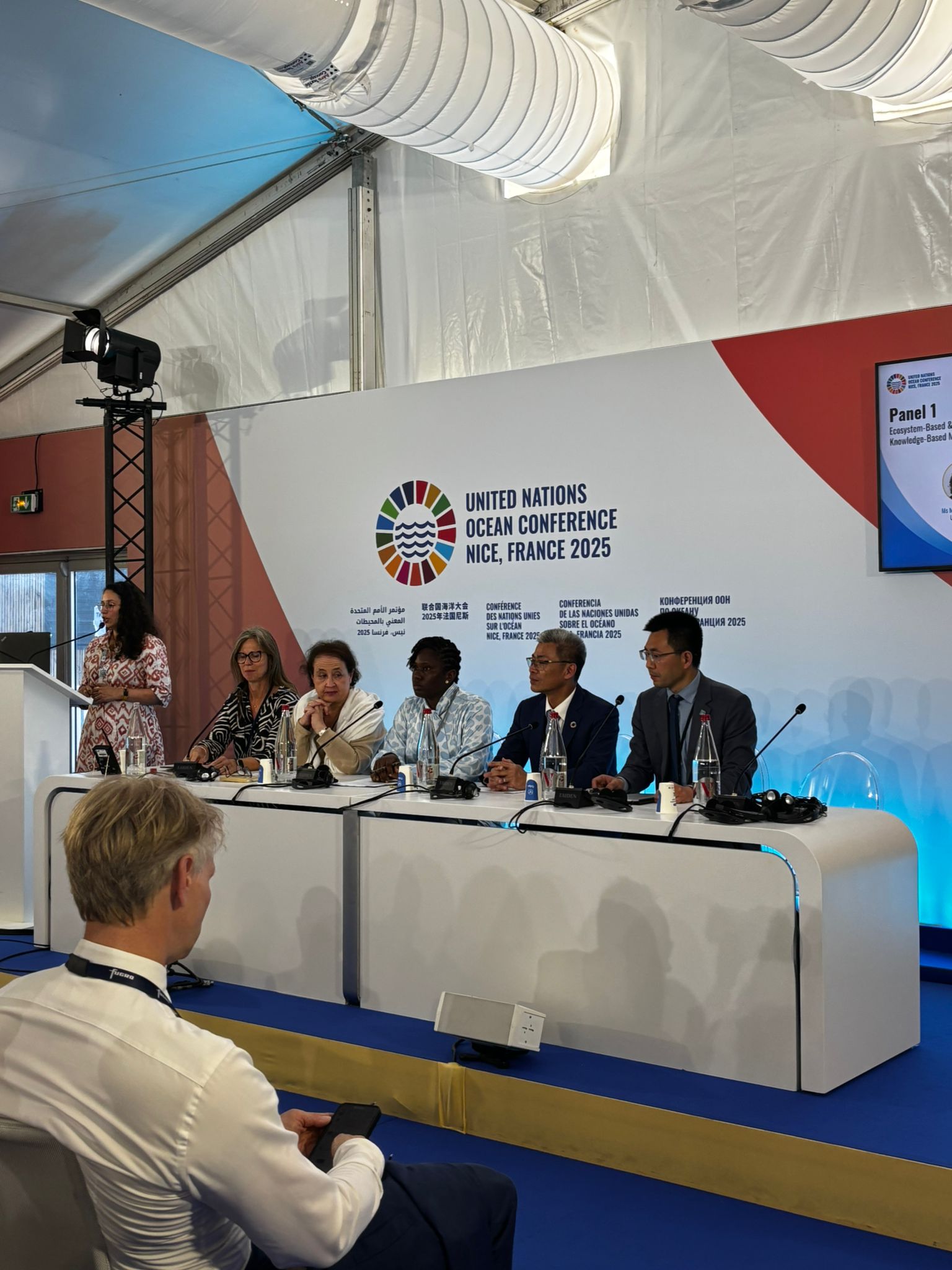
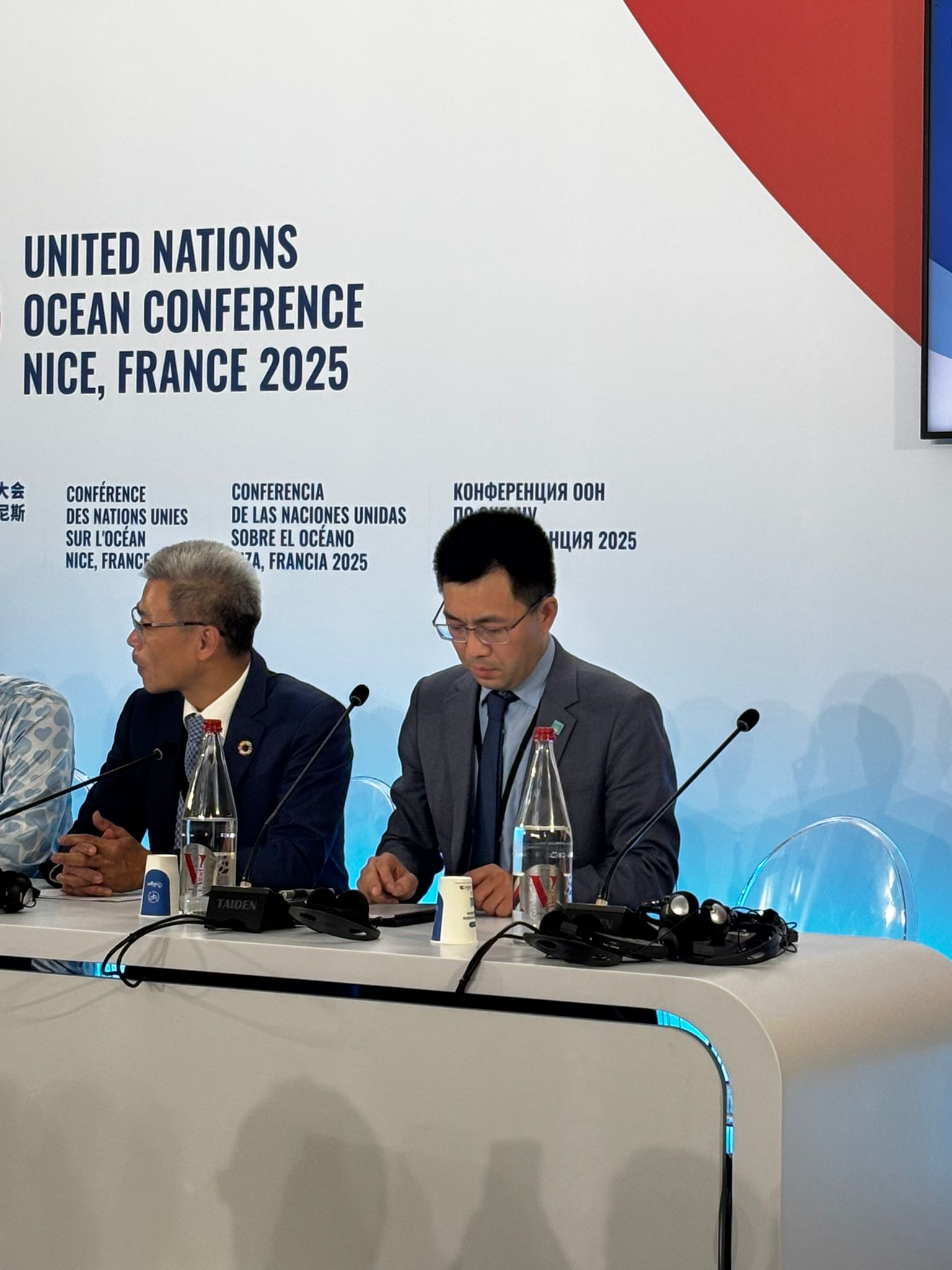
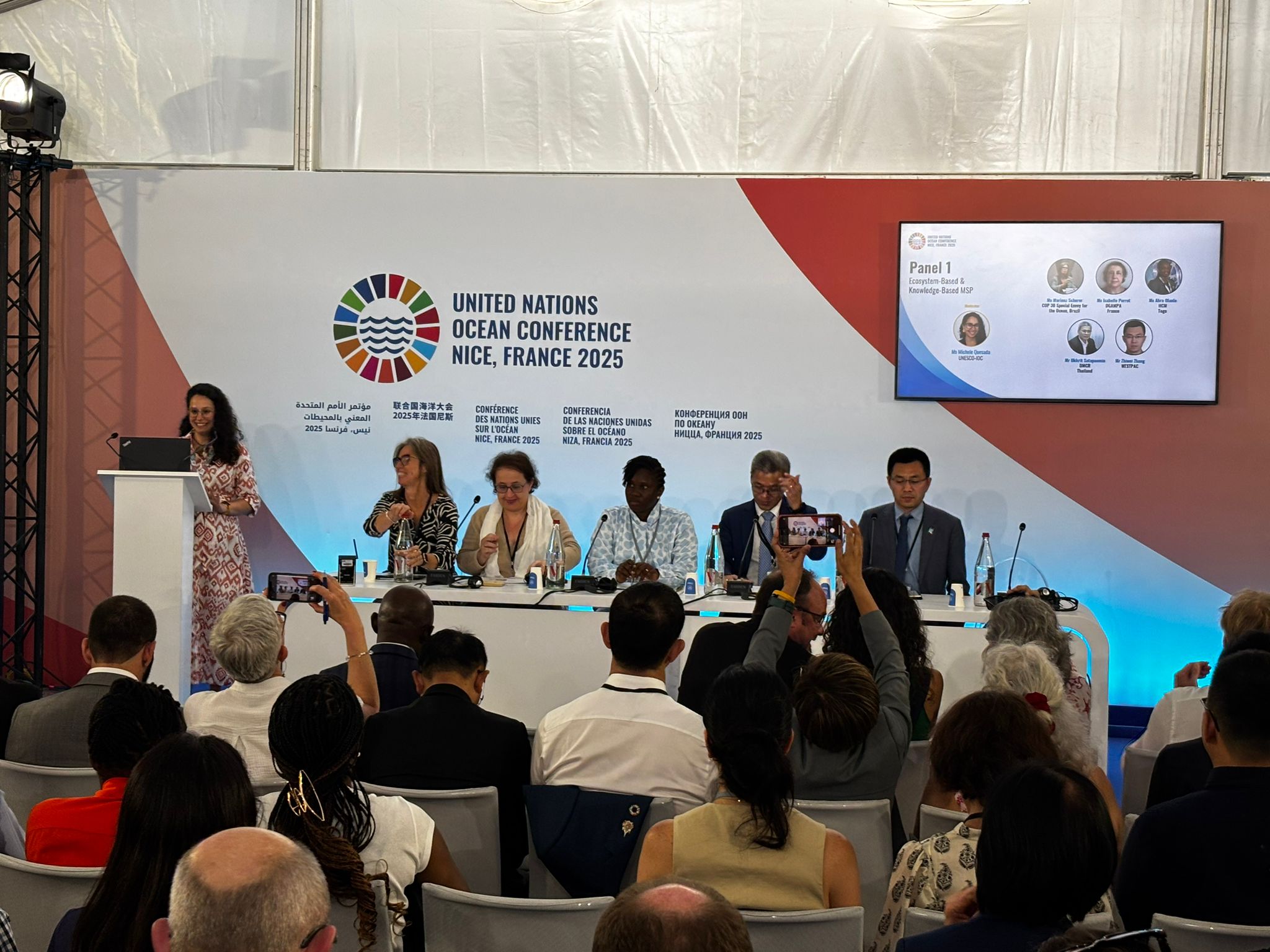
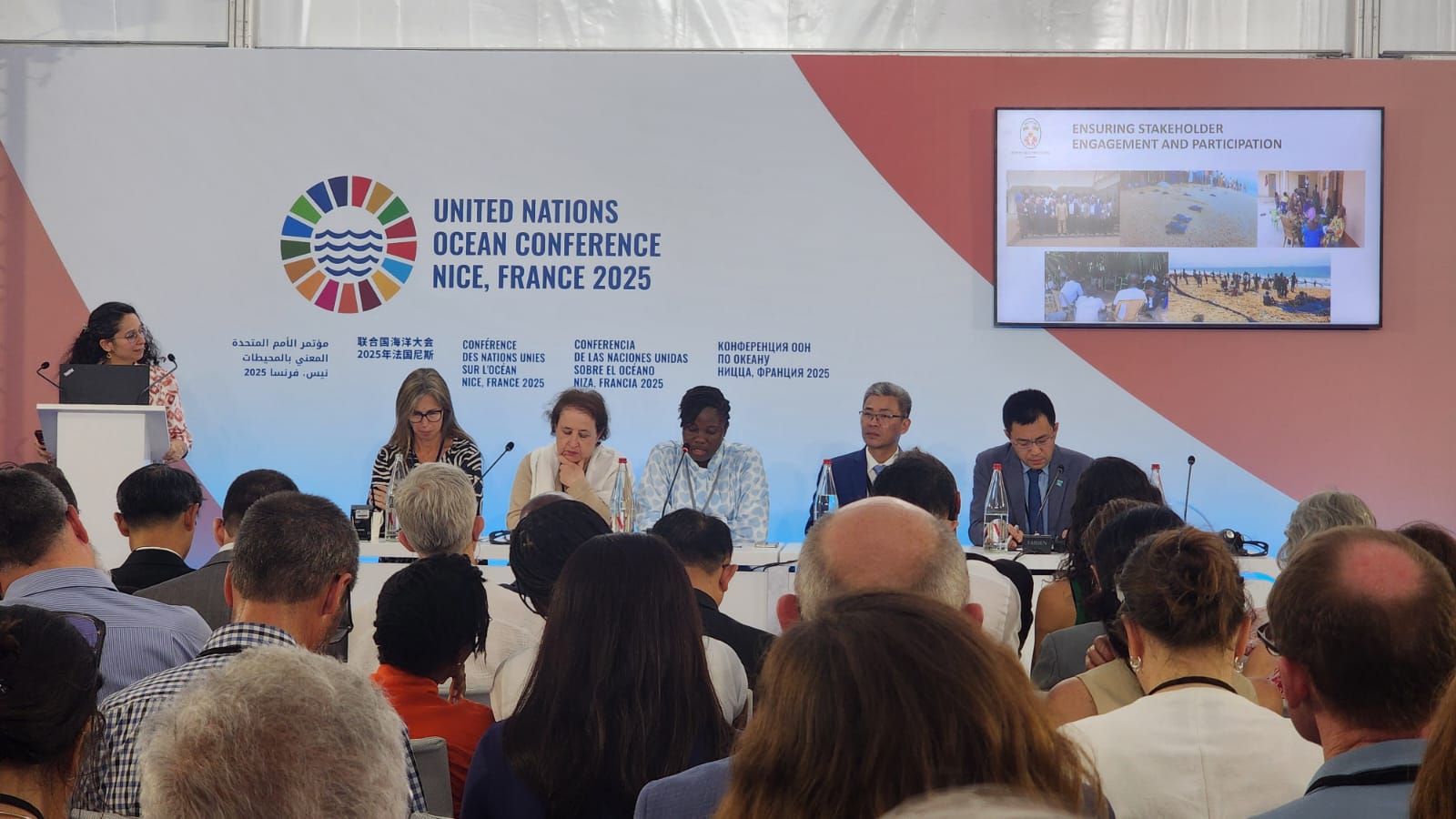
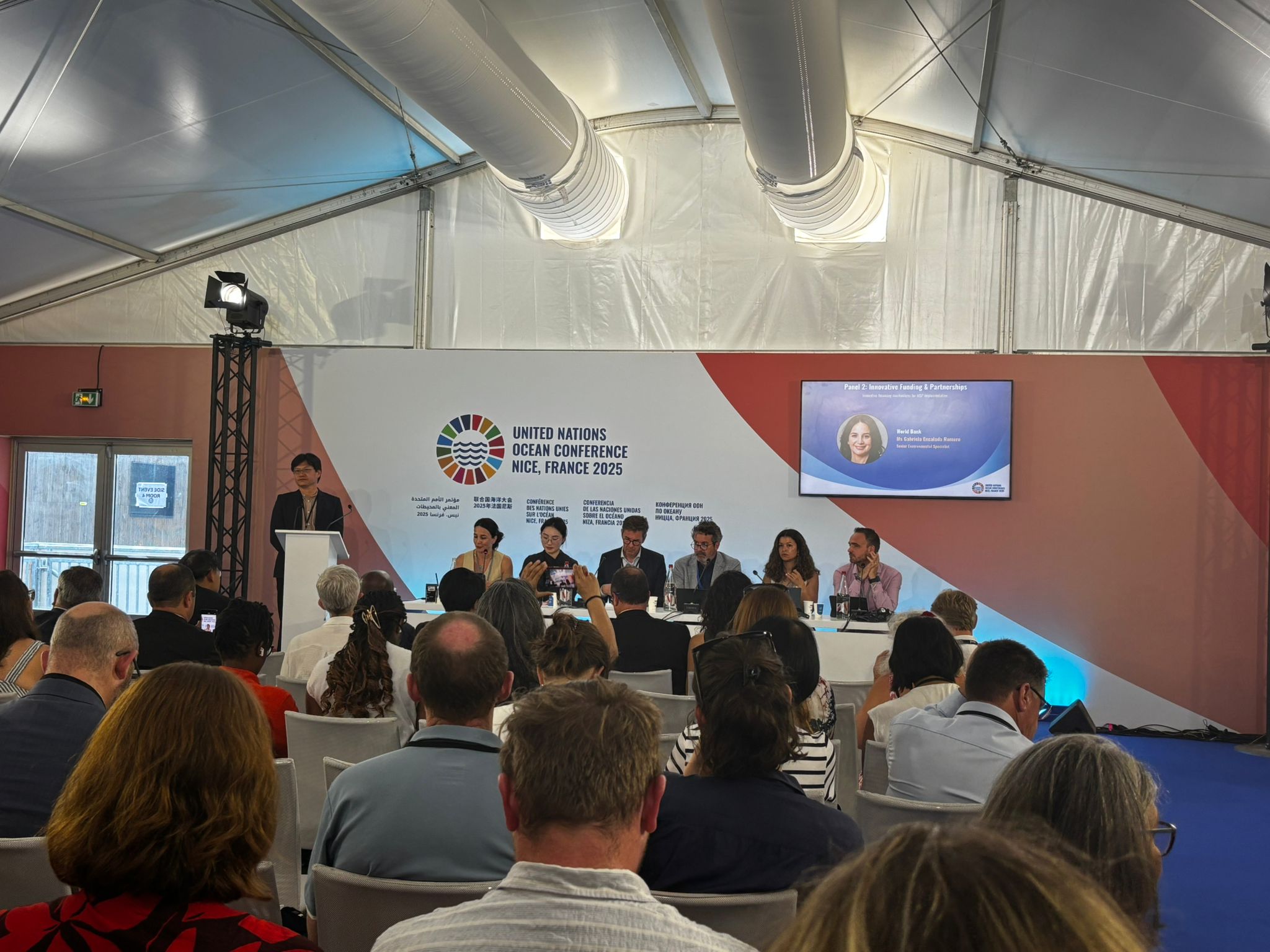
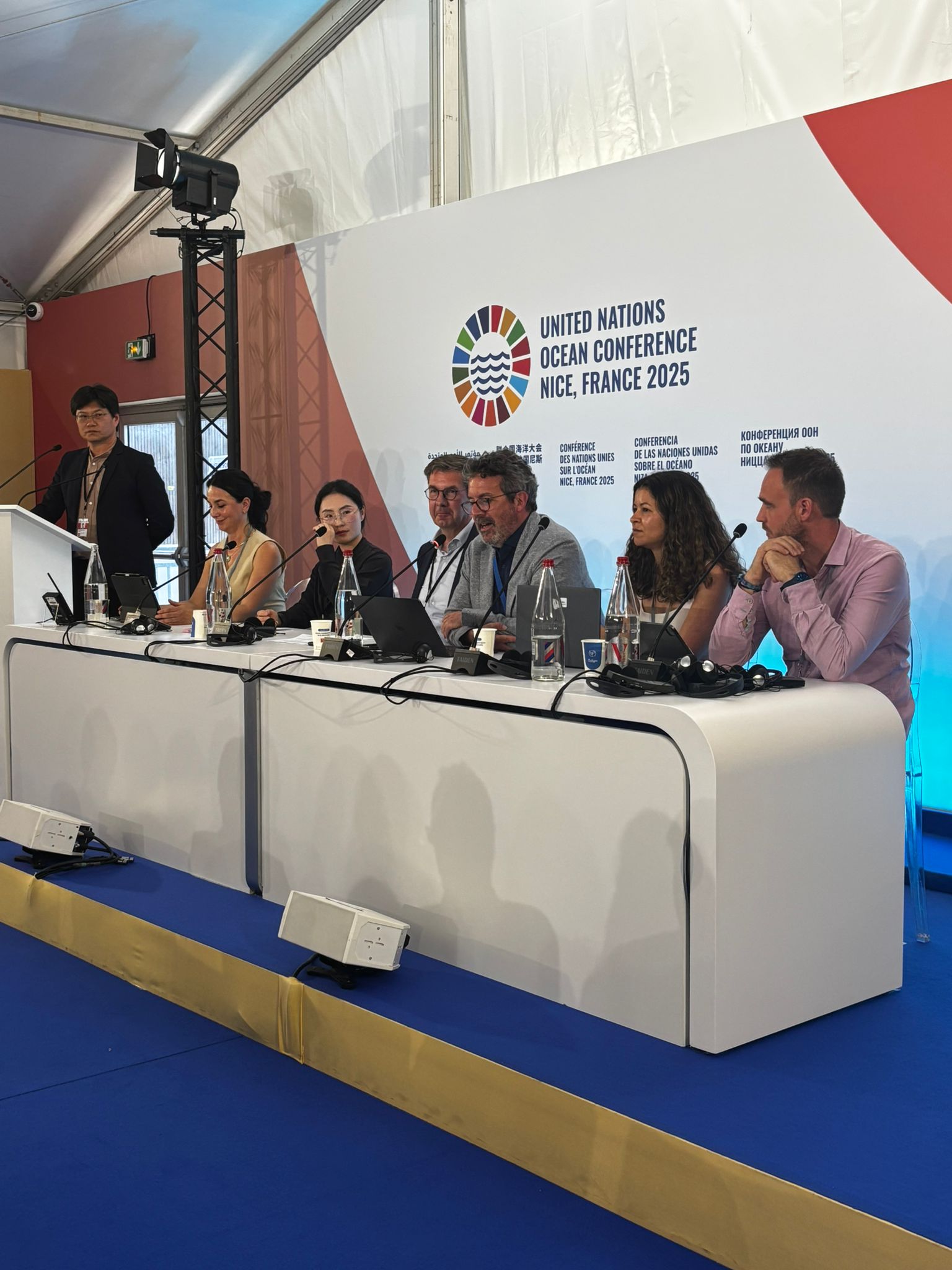
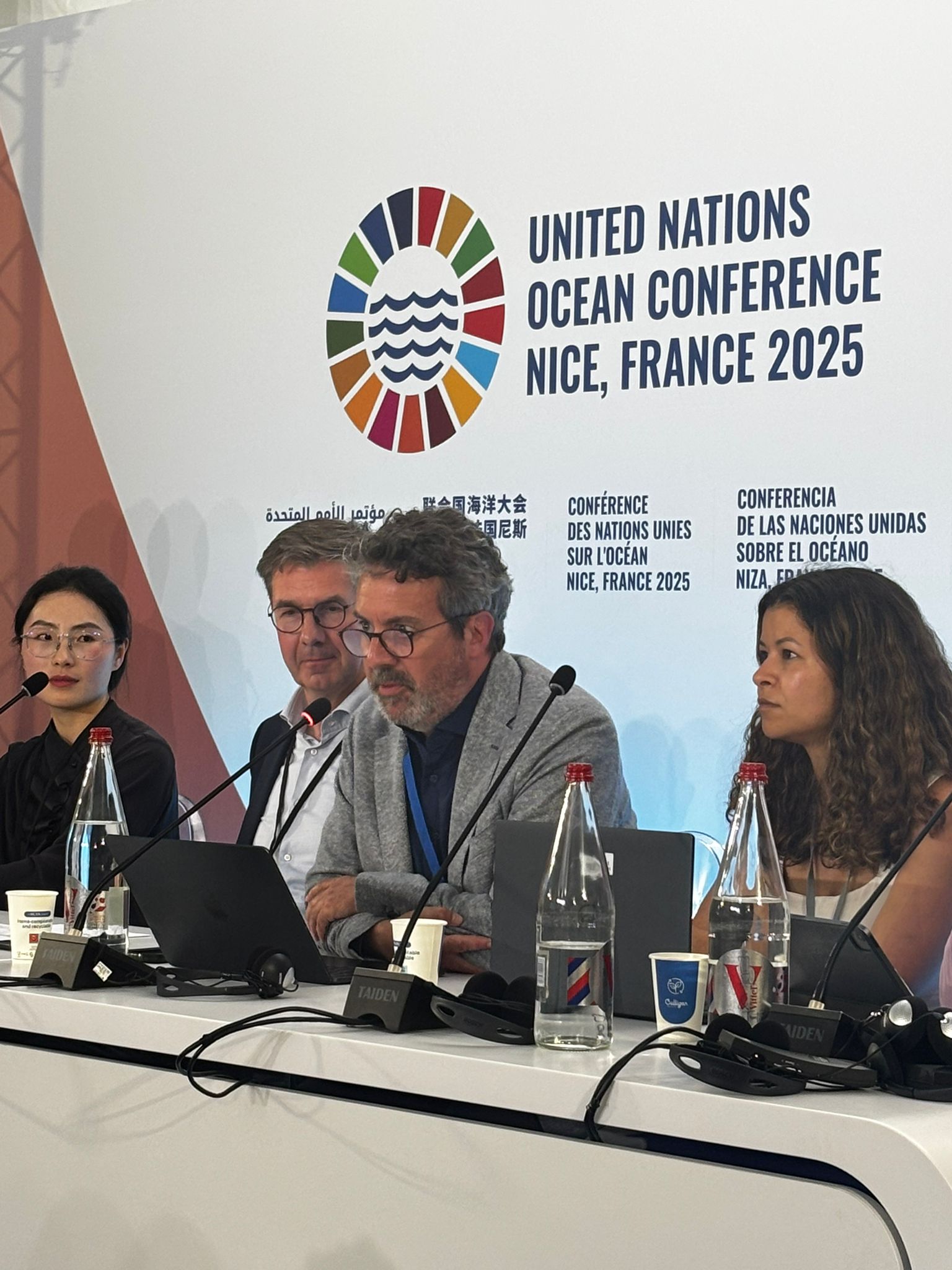
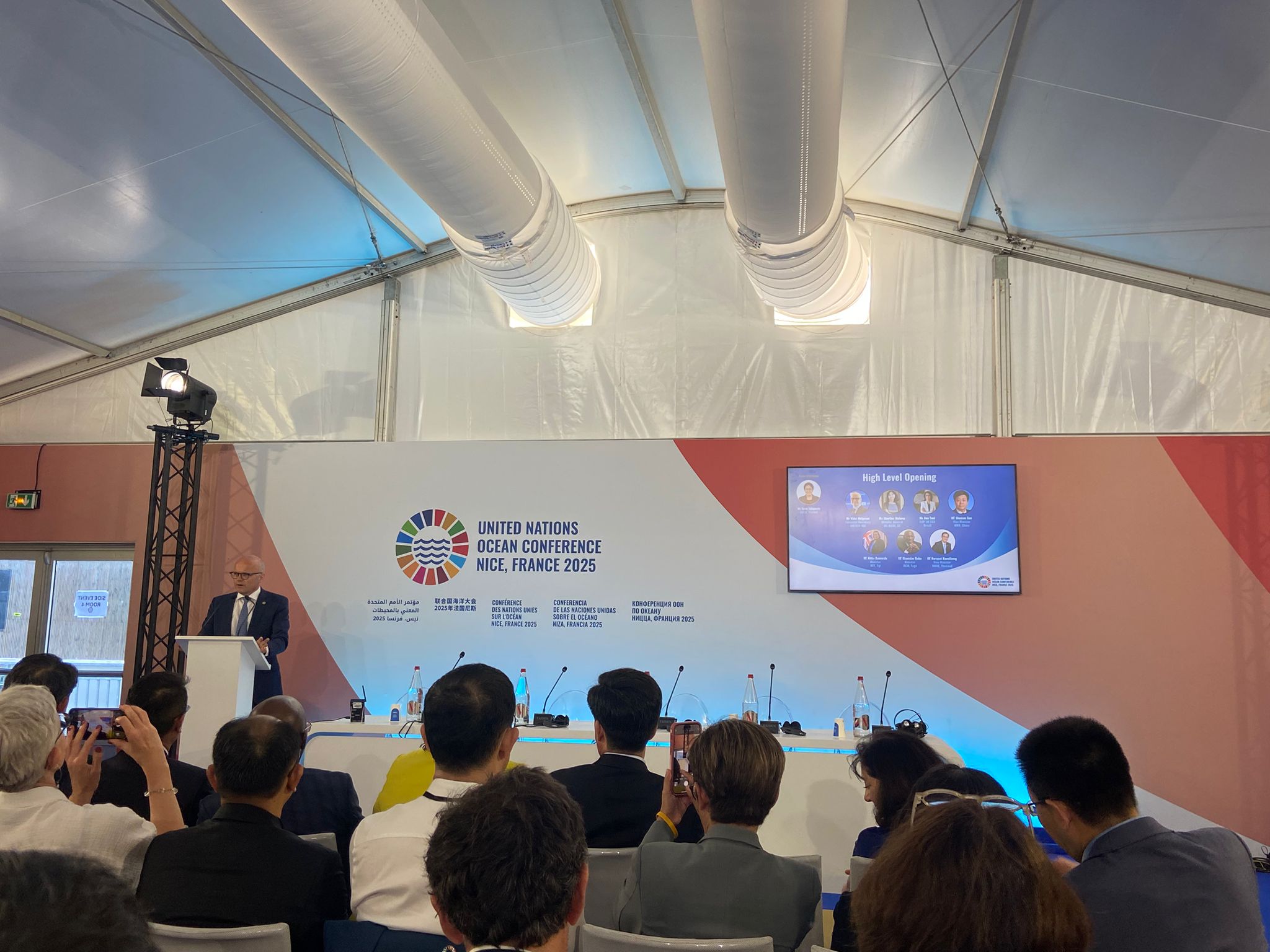
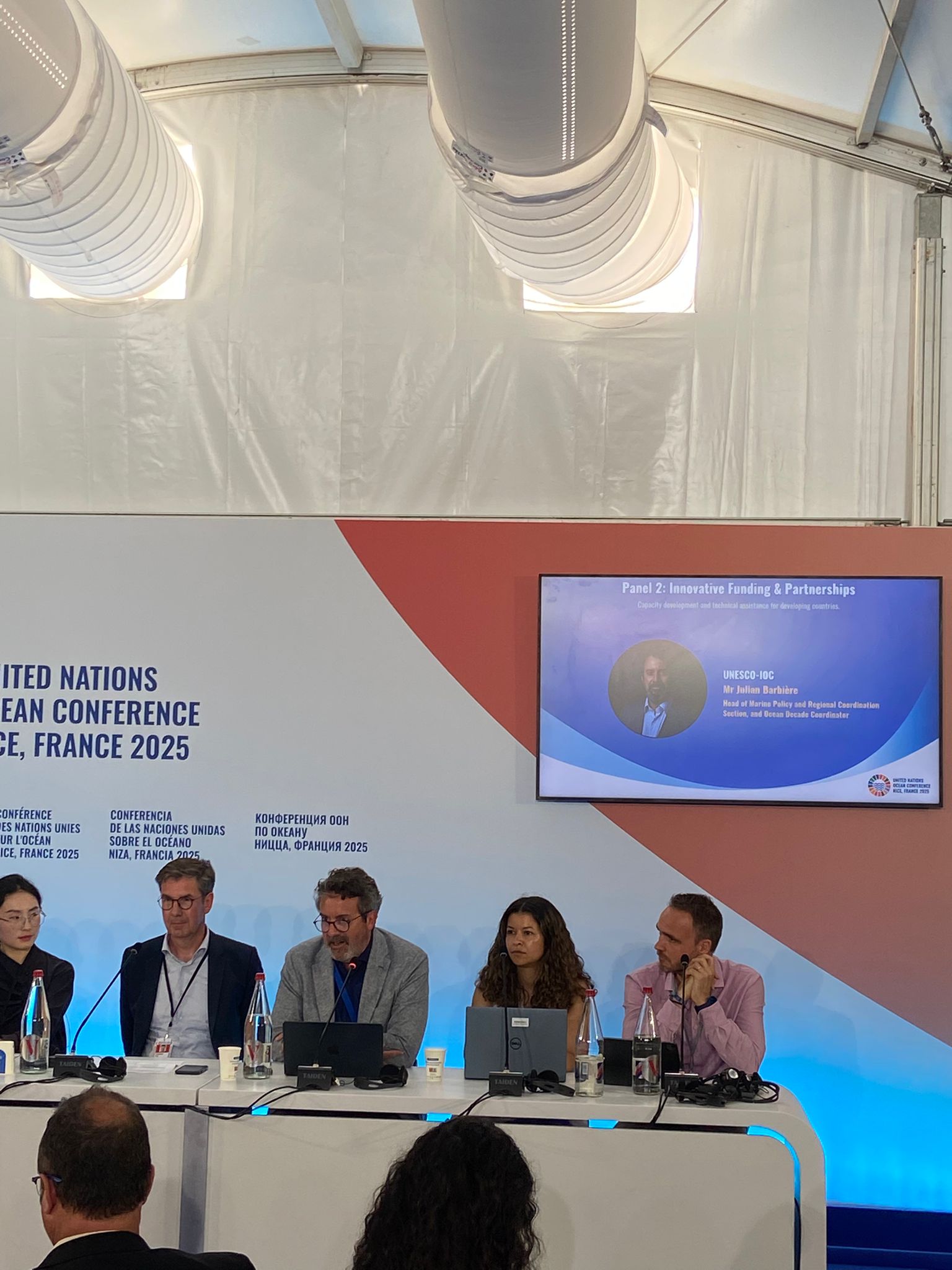
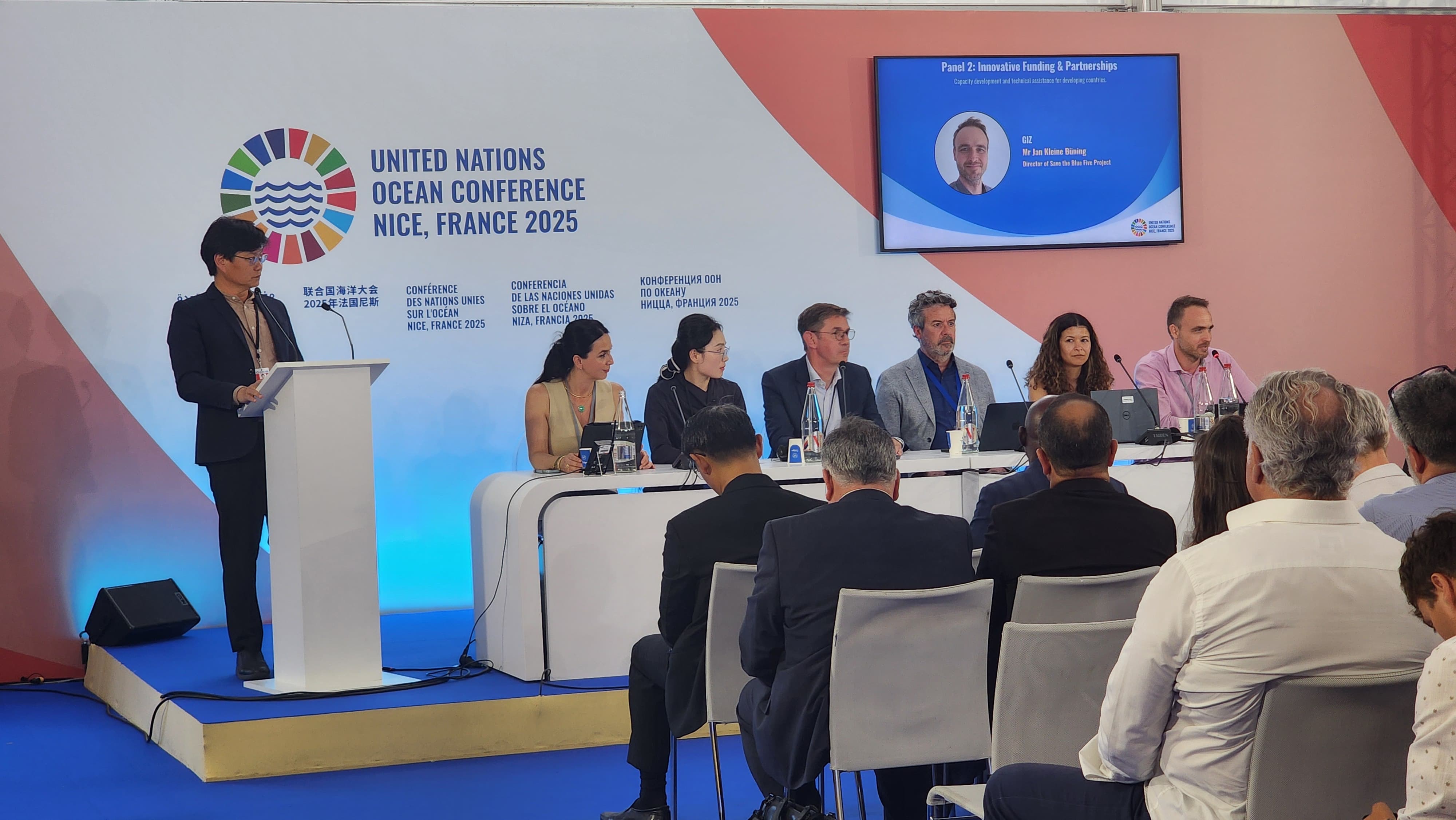
A thriving and sustainable blue economy requires responsible and inclusive ocean use, fostering economic development while safeguarding marine ecosystems and communities. MSP is a key process to balance economic, social and environmental goals while ensuring science-based ocean governance. In this context, on 10 June 2025, the Department of Marine and Coastal Resources of Thailand, the MSPglobal programme and the WESTPAC Sub Commission of the UNESCO-IOC co-organised a high-level side event in the blue zone of UNOC3 in Nice, France.
The side event aimed to bridge the implementation gap in MSP, bringing together high-level policy-makers from governments such as Brazil, China, France, Fiji and Togo, and supporting organisations across the world, namely the China Oceanic Development Foundation (CODF), the European Commission, the Global Environment Facility (GEF), Deutsche Gesellschaft für Internationale Zusammenarbeit (GIZ), and the World Bank, to explore key challenges and opportunities in accelerating MSP.
The discussions focused on ecosystem-based approach, knowledge, innovative funding mechanisms, capacity development, and fostering impactful partnerships at national, regional and global levels.


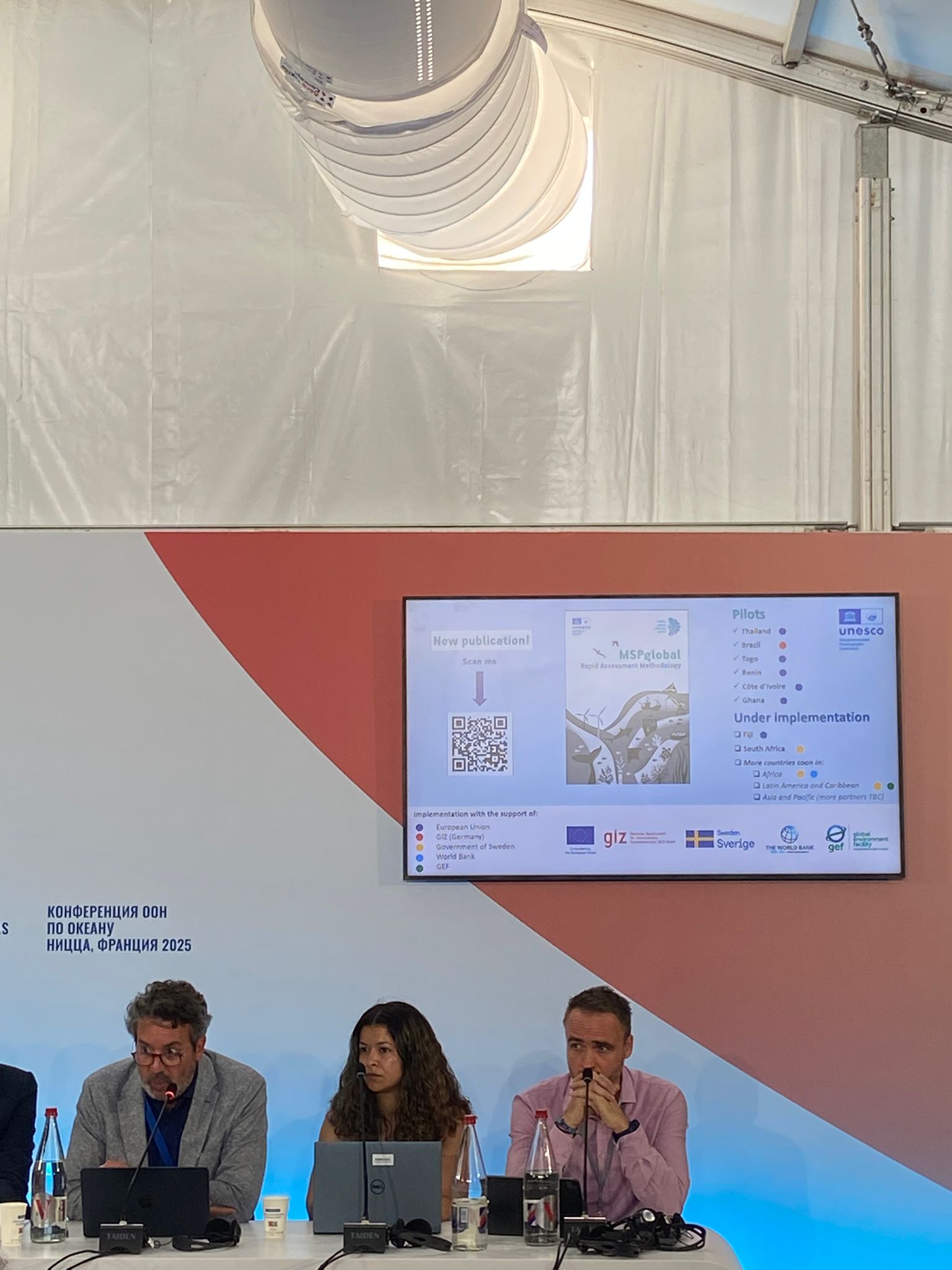
Moreover, MSPglobal shared that it is currently implementing its new Rapid Assessment Methodology (RAM) in Brazil, Fiji and Togo, among other countries, with the support of the European Union, GIZ and GEF. The MSPglobal RAM identifies activities and tasks that have already been undertaken, understands existing gaps, and proposes recommendations as visualised in this flyer. The ultimate goal is the development of an MSP Action Plan envisioned to guide the country and to build collaborations among authorities as well as between the country and organisations willing to support its MSP process.
Additionally, MSPglobal announced that it will soon launch new guidelines and good practices to empower practitioners on specific MSP-related topics, such as data, climate change, and the engagement of the offshore wind sector.

Lastly, another highlight of the event was the World Bank’s announcement of a new strategic collaboration with UNESCO-IOC to strengthen MSP worldwide. The joint initiative aims to start by delivering tailored MSP support to coastal and island nations, including:
- In-person and online training using tools like the MSP Challenge Board Game and OceanTeacher Global Academy
- Technical support for implementing the new MSPglobal RAM
- Development of national MSP Action Plans in close coordination with governments
One of the powerful messages by UNESCO-IOC’s Executive Secretary Vidar Helgesen during UNOC3 was:
“Ocean action needs to be based on knowledge.
The Ocean does not need more warnings. It needs will.
The Ocean does not need promises. It needs funding.”
In this sense, let us be a strong force enabling bold actions and powerful collaborations for MSP processes supporting resilient, sustainable blue economies.
DOCUMENTS:
RELATED LINKS:
- UNESCO-IOC and the European Commission are collaboratively creating guidelines on Climate-smart MSP as a key deliverable of MSPglobal 2.0
- MSPglobal 2.0 is co-developing a Data Toolbox to guide countries on leveraging Ocean Observation Data for MSP
- UNESCO-IOC is co-developing good practices with the UN Global Compact on the engagement of the Offshore Wind Sector in MSP
- MSPglobal and PROBLUE develop capacities for MSP pilot in Egypt
CONTACT:
MSPglobal.comm@unesco.org