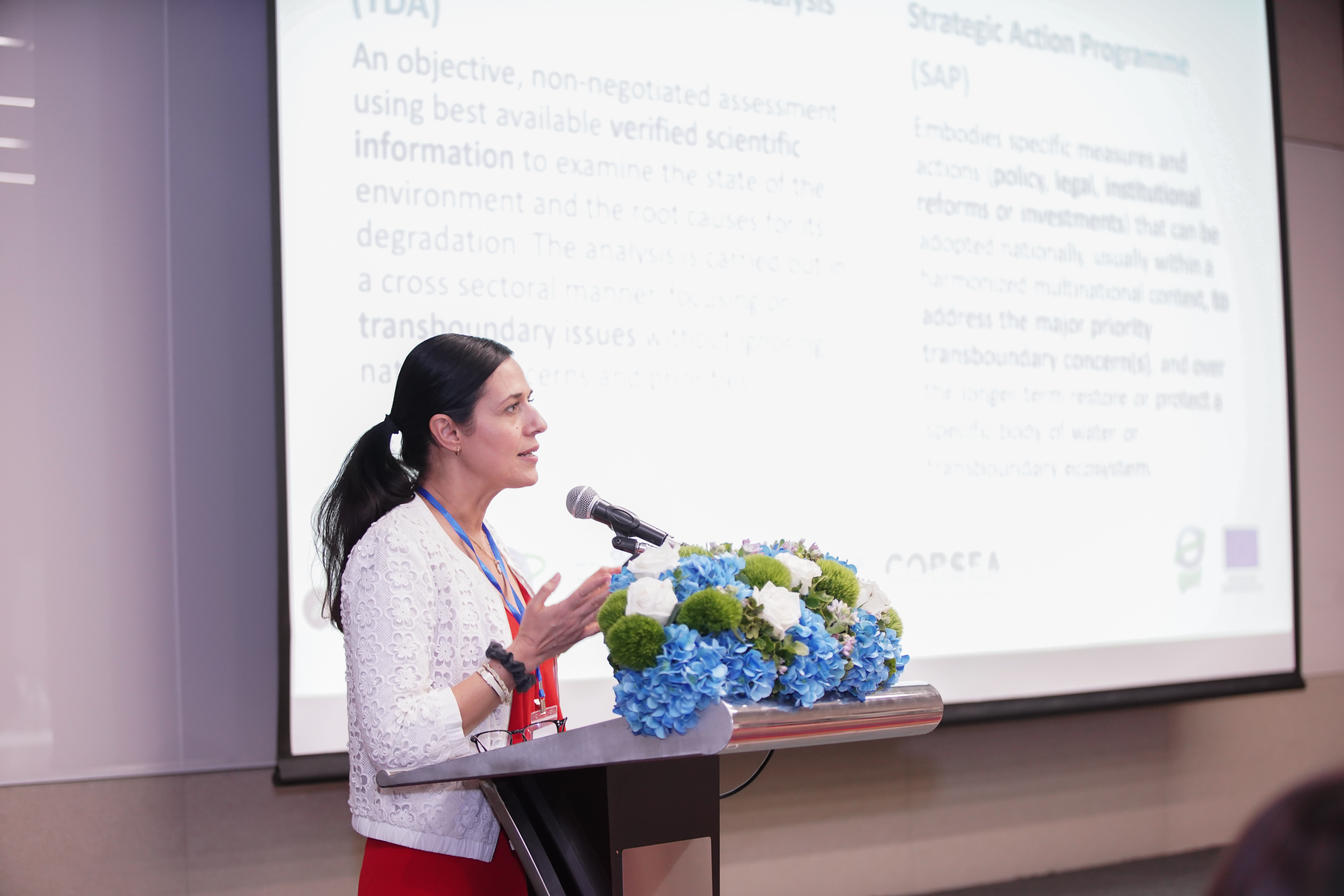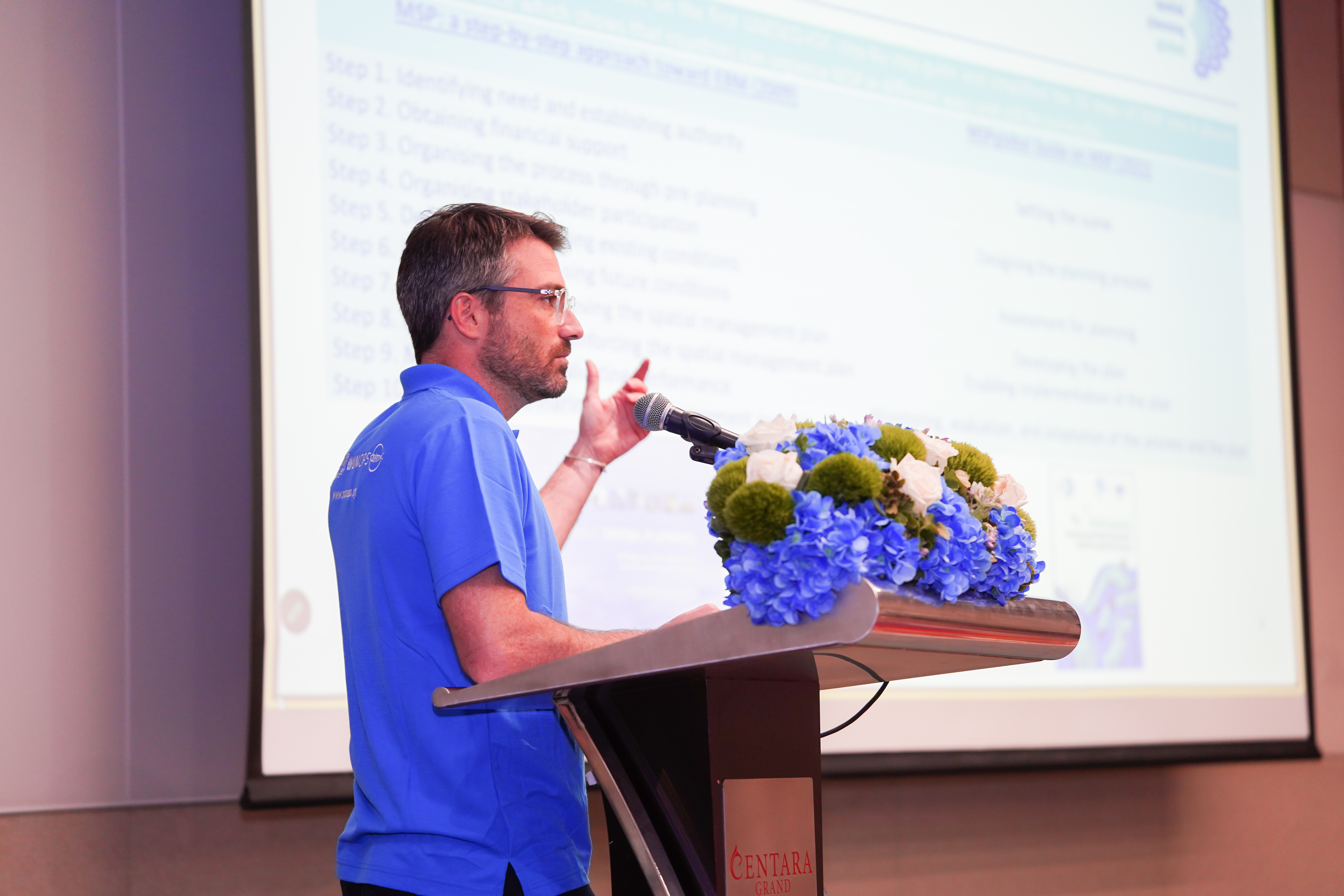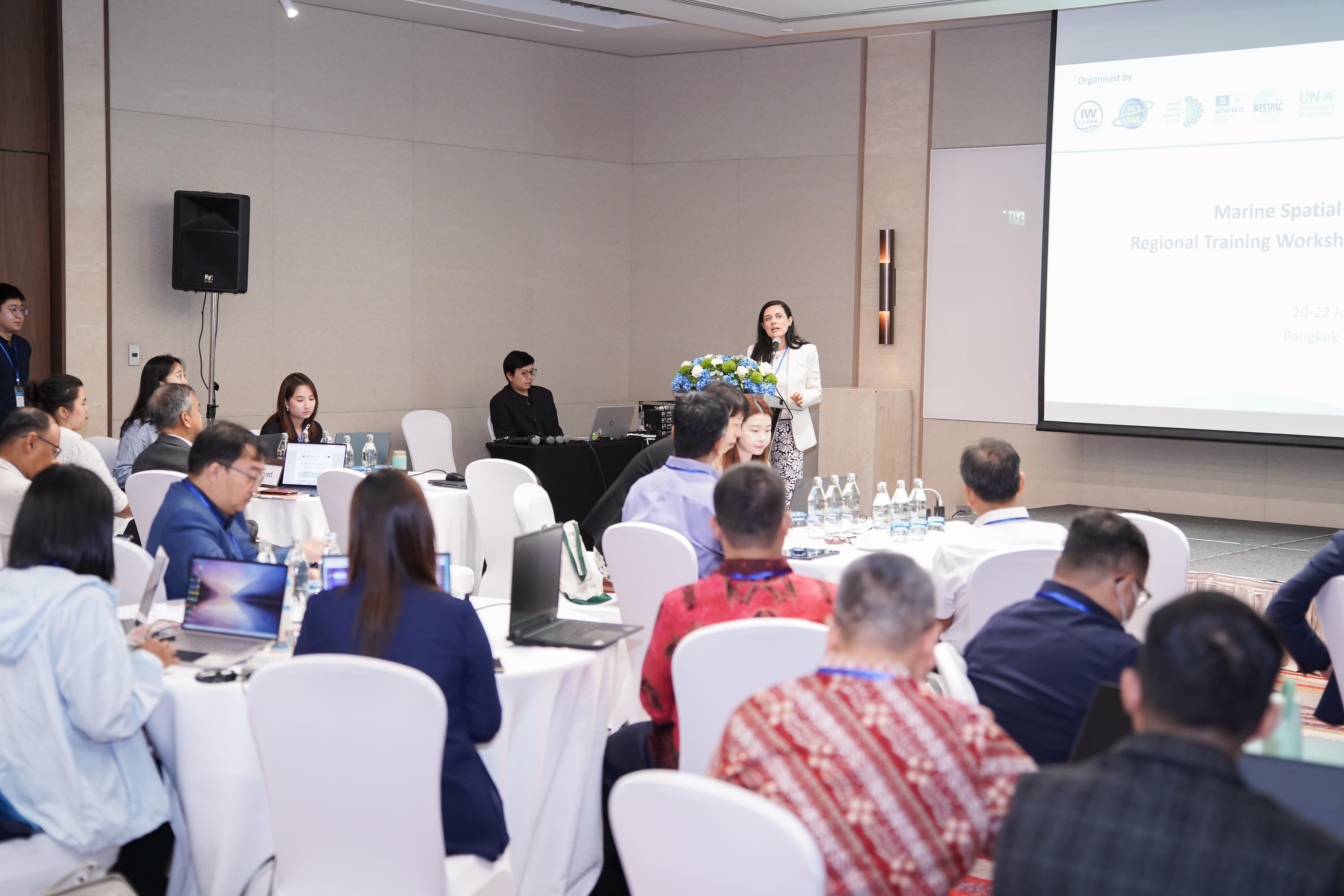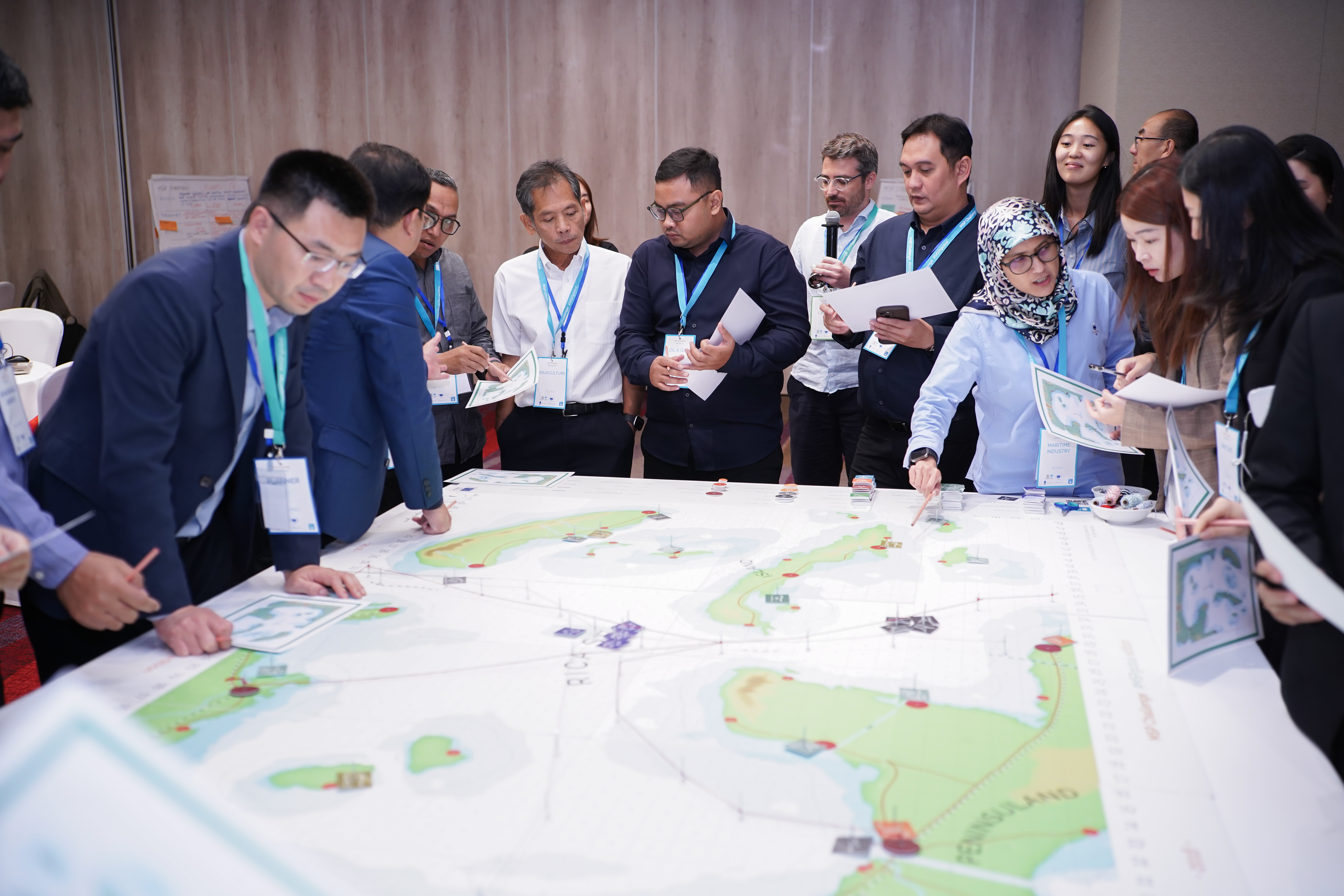


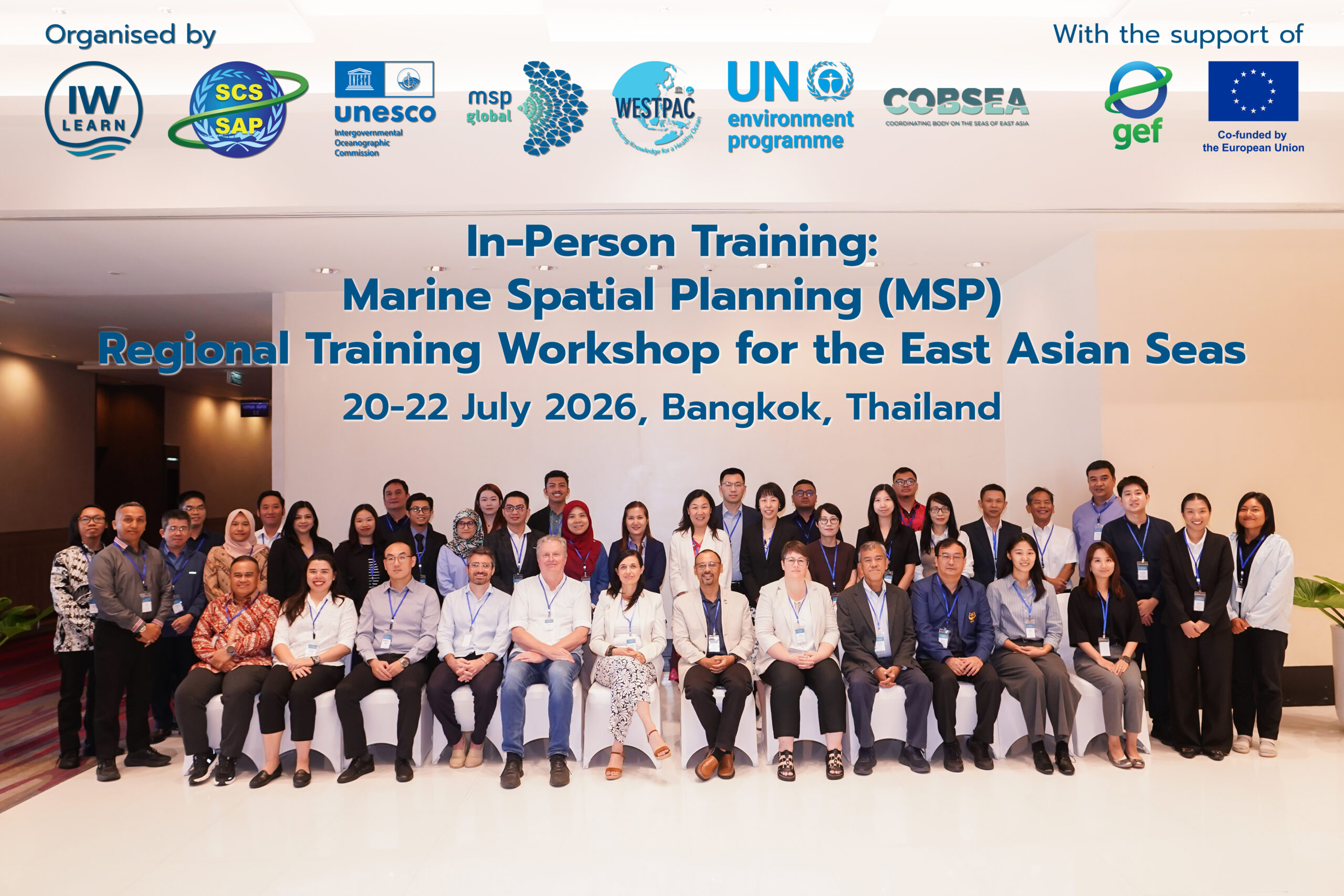
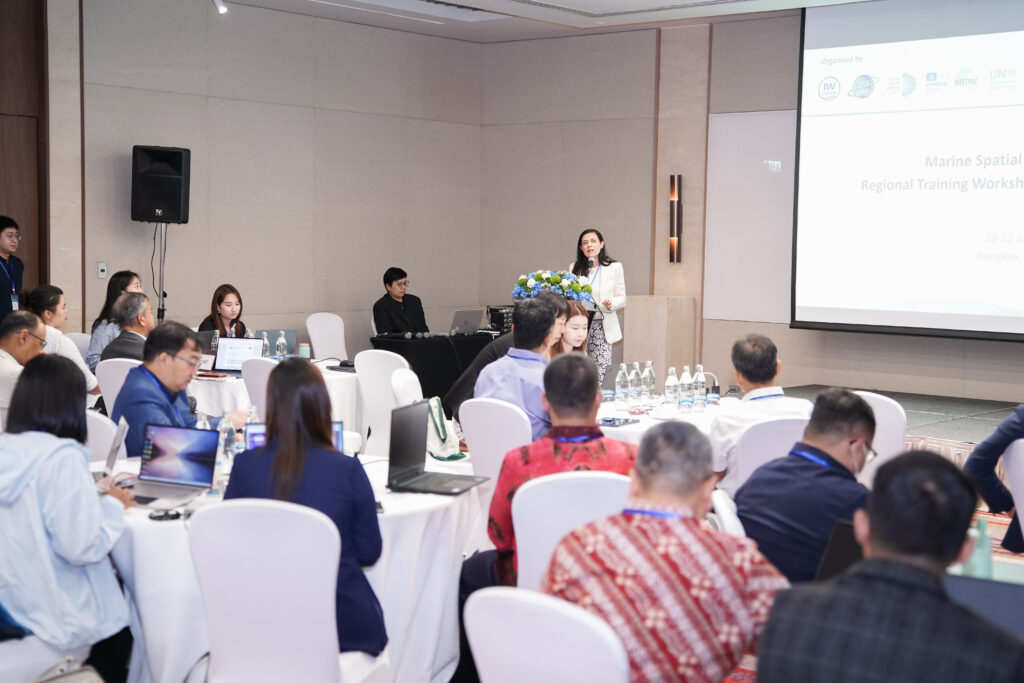
From 20-22 July 2026, Marine Spatial Planning (MSP) practitioners, government representatives, regional organizations, members of academia, and Global Environmental Facility (GEF) International Waters (IW) project partners gathered in Bangkok, Thailand, for the Marine Spatial Planning Regional Training Workshop for the East Asian Seas.
Co-organized by the IW:LEARN project, the MSPglobal programme of UNESCO-IOC, and the South China Sea and Gulf of Thailand Strategic Action Programme (SCS-SAP) Project, in collaboration with the UNEP Coordinating Body on the Seas of East Asia (COBSEA), and the UNESCO-IOC Sub-Commission for the Western Pacific (WESTPAC), the three day workshop strengthened regional capacities to advance ecosystem-based MSP across one of the world’s most dynamic marine regions.
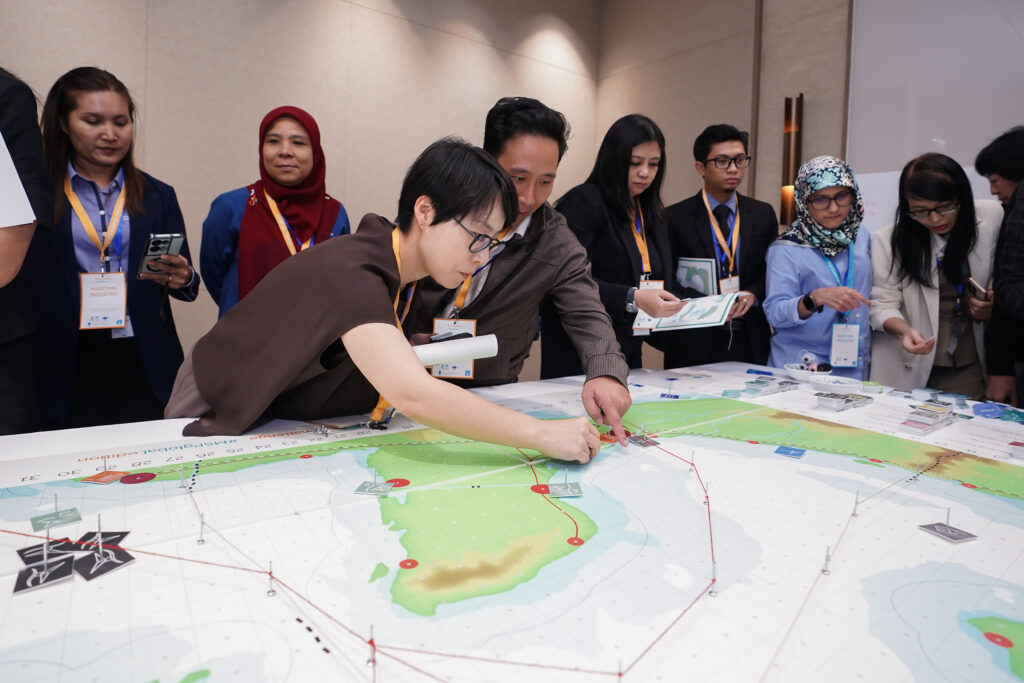
Advancing Marine Spatial Planning in a Rapidly Changing Region
The Large Marine Ecosystems (LMEs) of the East Asian Seas are among the world’s most biologically diverse and economically productive marine areas. At the same time, increasing demands for ocean space, rapid coastal development, climate change, and biodiversity loss are placing unprecedented pressure on marine ecosystems and the communities that depend on them.
MSP has emerged in the region as a key multisectoral process to help countries balance competing ocean uses while safeguarding marine biodiversity and supporting sustainable blue economy development. Building on a series of regional commitments and initiatives – including the Action Framework for Accelerating Marine Spatial Planning in the Western Pacific and its Adjacent Areas (2025-2030) – the workshop provided participants with practical knowledge and tools to accelerate the development and implementation of marine spatial plans throughout the region.
The training formed part of the growing collaboration between MSPglobal and IW:LEARN to strengthen MSP capacity worldwide. Following regional workshops held in Latin America and the Caribbean (Panama) and for the Atlantic Coast of West, Central and Southern Africa (online) in 2025, the Bangkok workshop marked the third event in this regional learning series.
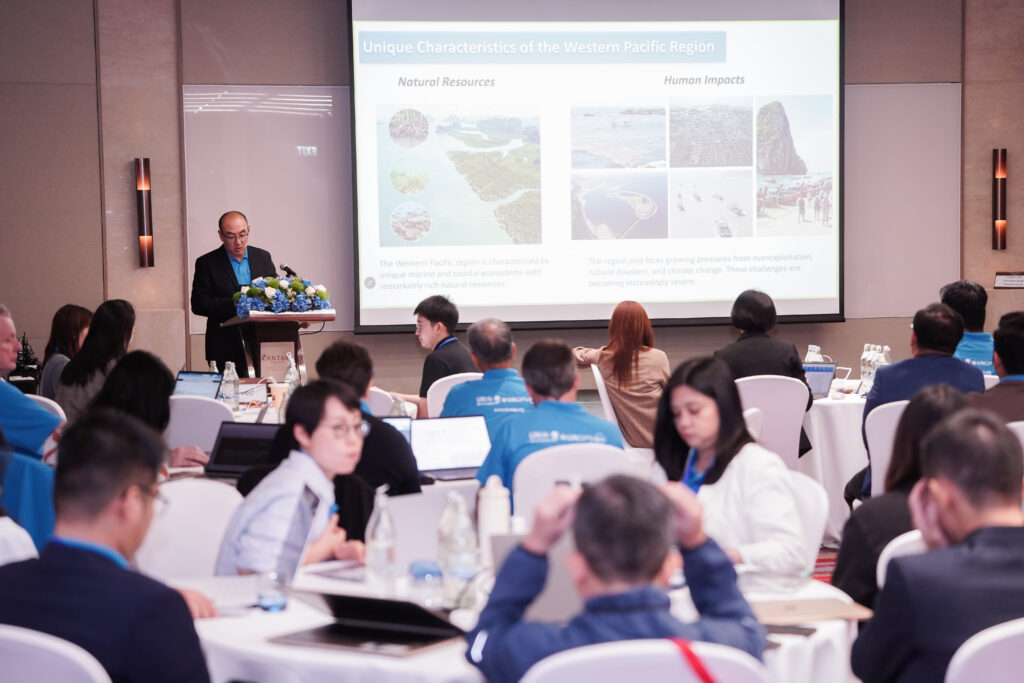
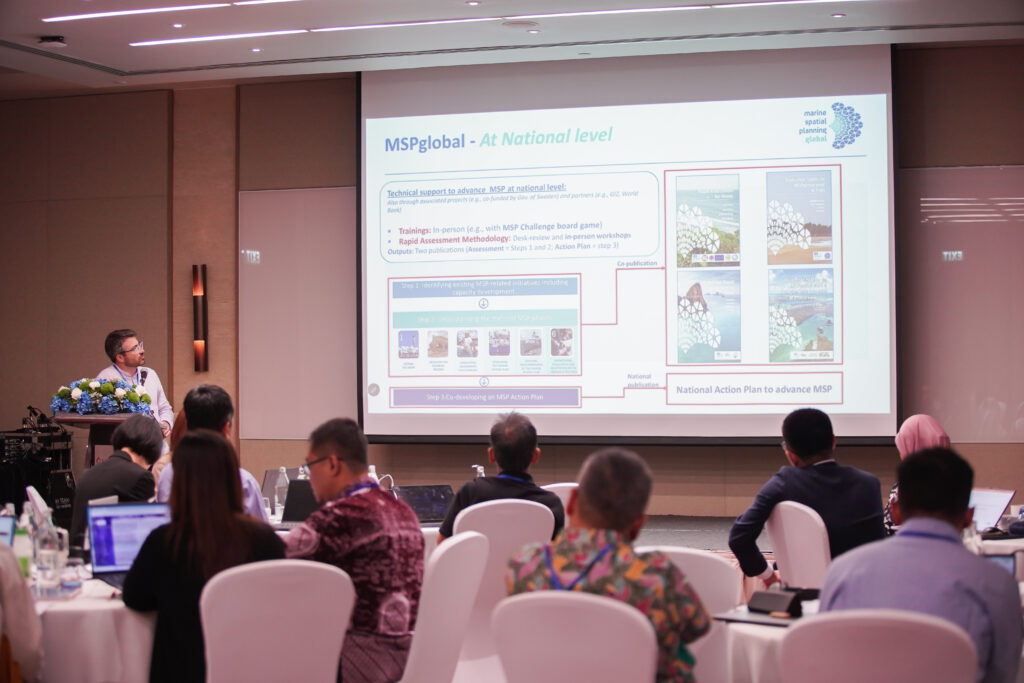
Building Knowledge Through Practical Learning
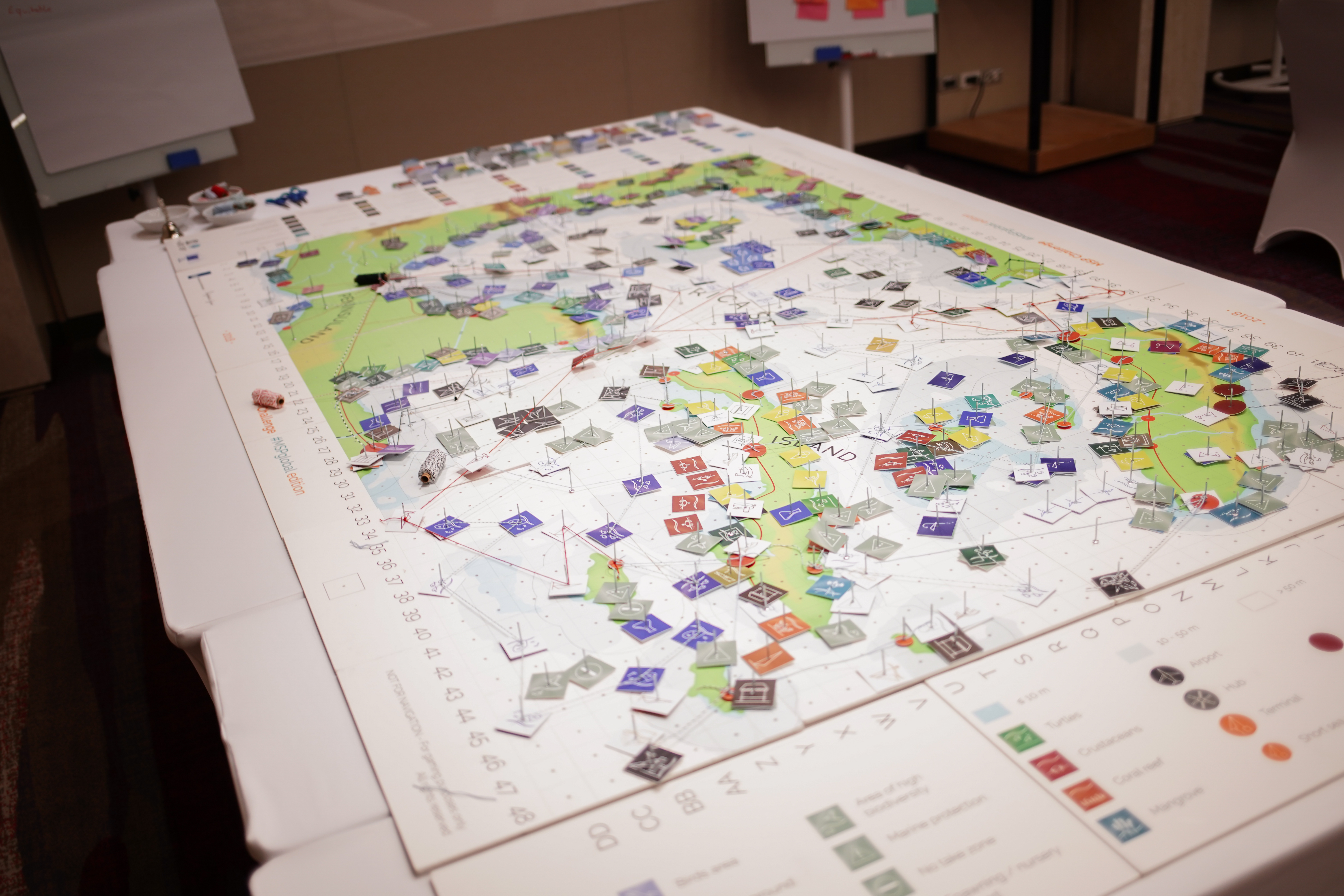
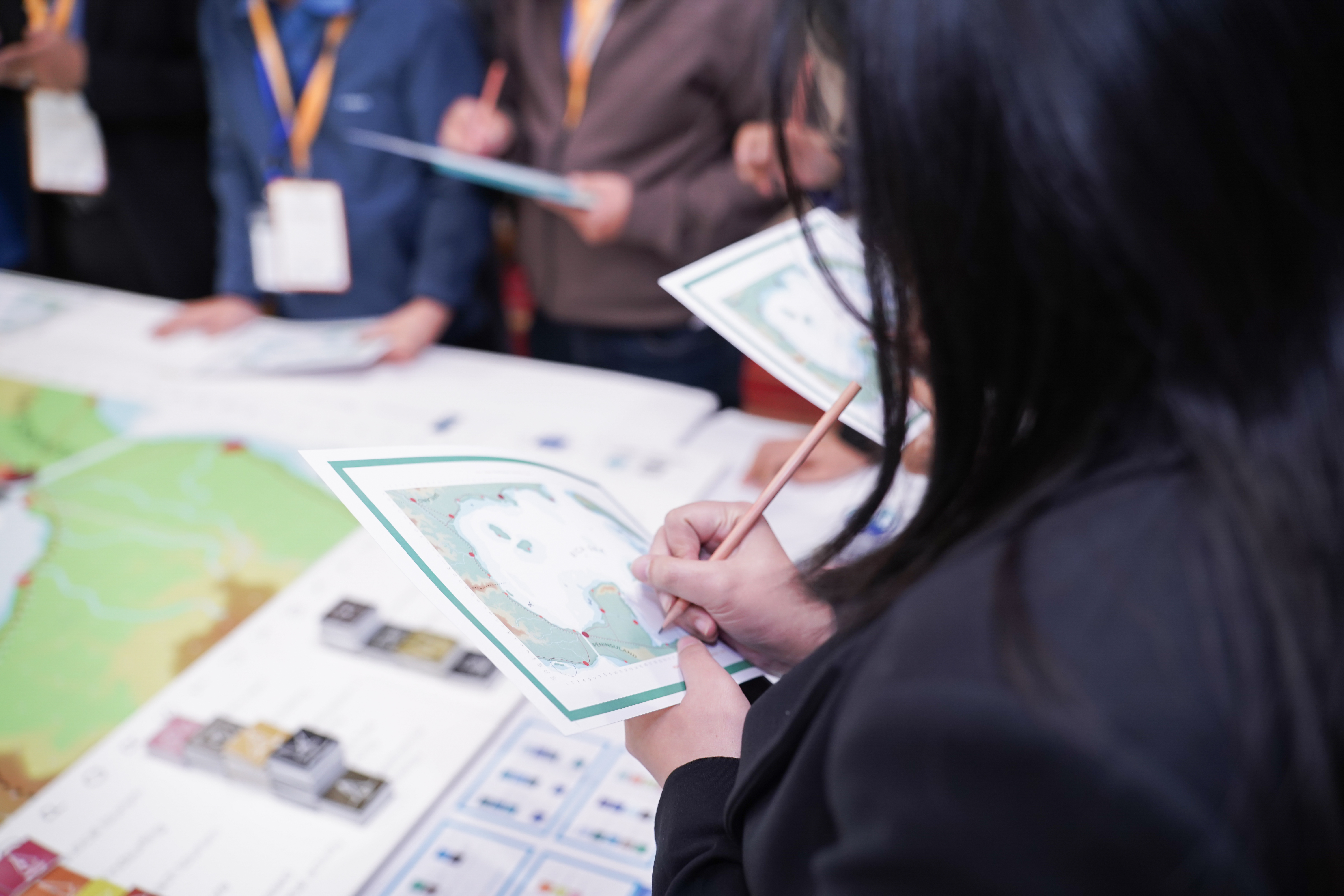
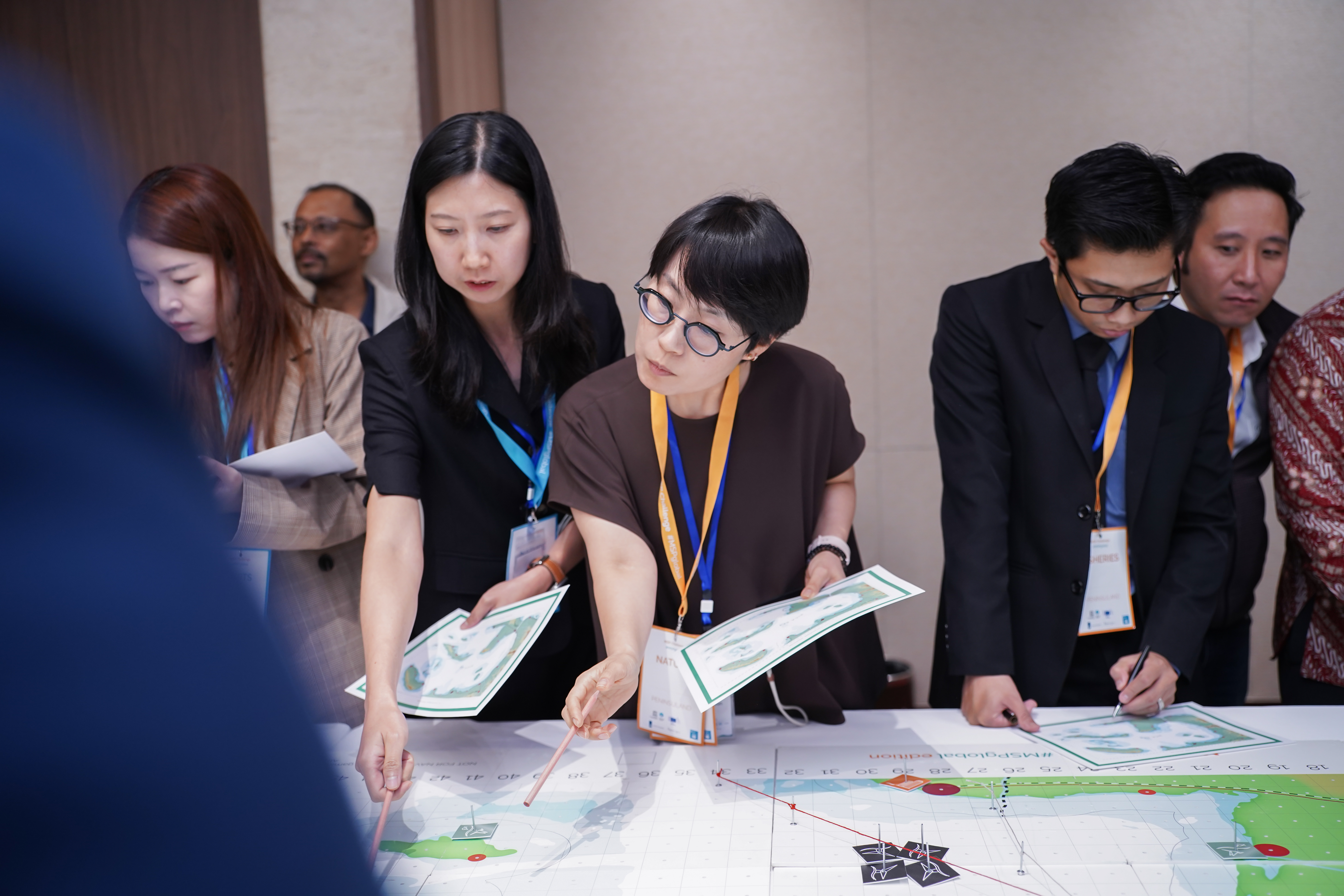
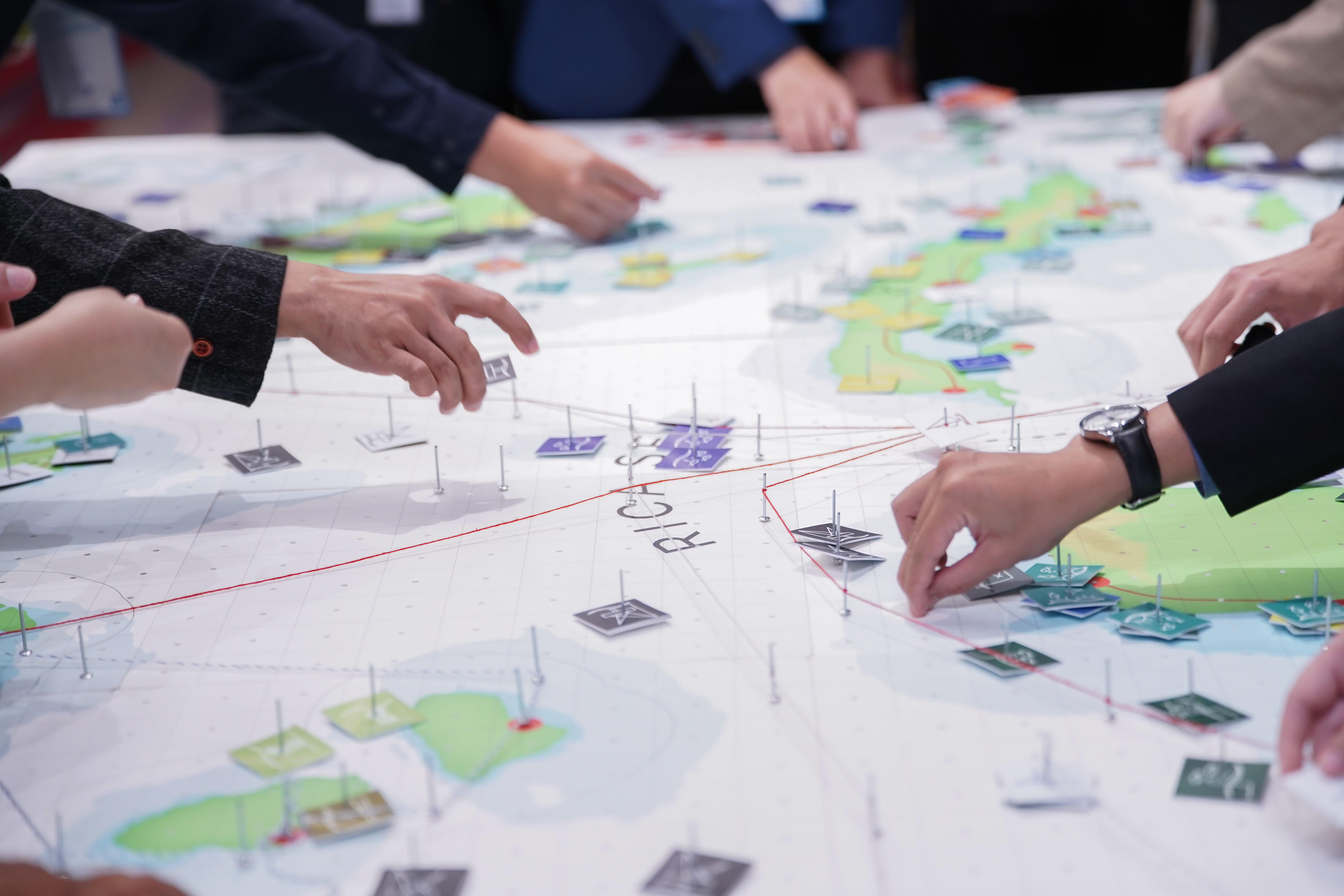
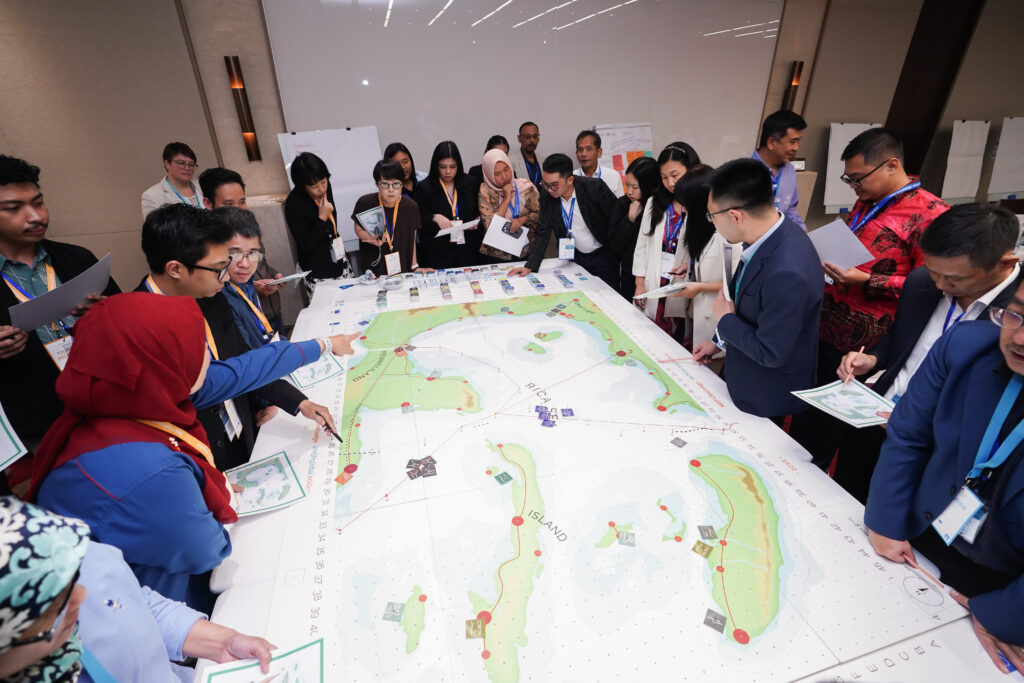
Delivered by experts from MSPglobal and GRID-Arendal, the three-day programme combined theoretical sessions with interactive discussions, simulation exercises, and hands-on learning activities designed to strengthen participants’ technical understanding of MSP.
Participants explored the core principles and phases of the MSP process, examined practical implementation approaches, and discussed how national and regional MSP initiatives contribute to achieving broader global ocean commitments. Particular attention was given to strengthening connections between MSP, sustainable blue economy, and other ecosystem-based management approaches.
A key component of the workshop focused on the application of a newly developed practical approach for integrating MSP and sustainable blue economy considerations into the Transboundary Diagnostic Analysis (TDA) and Strategic Action Programme (SAP) processes implemented at the scale of LMEs in the framework of GEF International Waters projects. The increasing institutionalization of MSP within ocean governance makes it very likely that a TDA/SAP in a marine or coastal region will intersect with existing MSP processes, and TDA/SAP practitioners will have opportunities to support and strengthen MSP through their work, and vice versa. Through collaborative exercises and simulations, participants reflected about the synergies and commonalities between MSP and the TDA/SAP methodology; how both can be considered as parallel, but mutually supportive processes. Participants also gained practical experience to be able to apply these considerations into real-world planning scenarios.
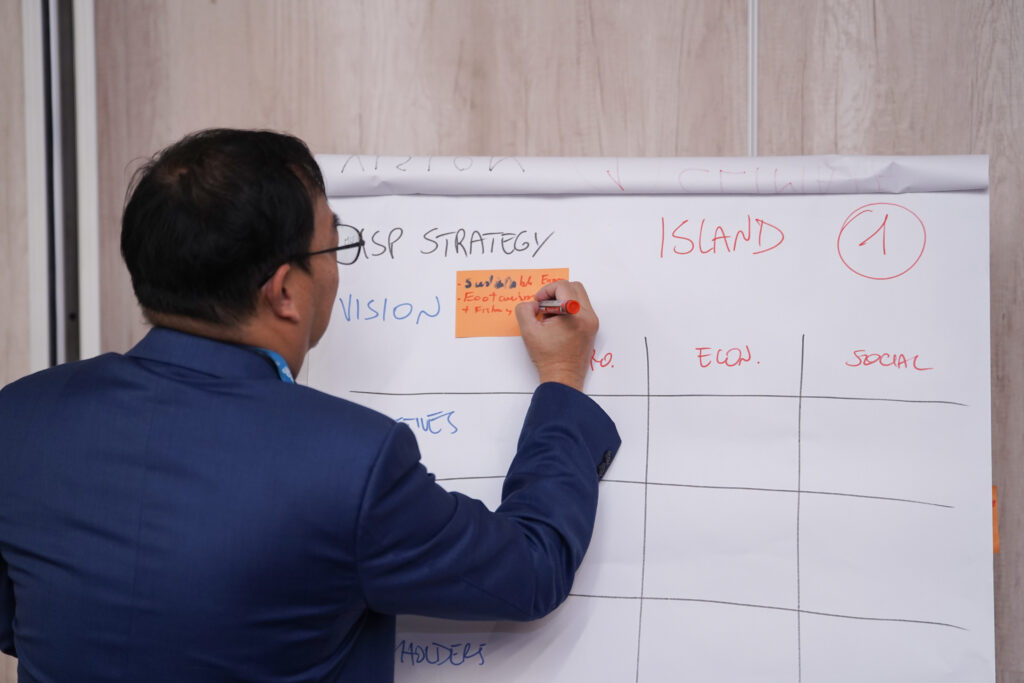
From Knowledge to Implementation
MSP is most effective when practitioners have access not only to technical guidance, but also to opportunities for collaboration, peer learning, and practical experience. By combining expert-led sessions with interactive exercises and regional dialogue, the training workshop enabled participants to translate MSP concepts into approaches that can be adapted to their own national and transboundary contexts.
Beyond strengthening individual capacities, the training contributed to building a growing network of practitioners committed to advancing ecosystem-based ocean management across the East Asian Seas.The exchange of experiences and emerging practices reinforced the value of continued regional cooperation in addressing shared marine challenges and supporting informed, coordinated decision-making.
As countries continue to implement national MSP processes and work towards sustainable blue economy objectives, initiatives such as this regional training workshop help bridge the gap between policy and practice, equipping practitioners with the skills and partnerships needed to accelerate effective and inclusive marine spatial planning across the region.