


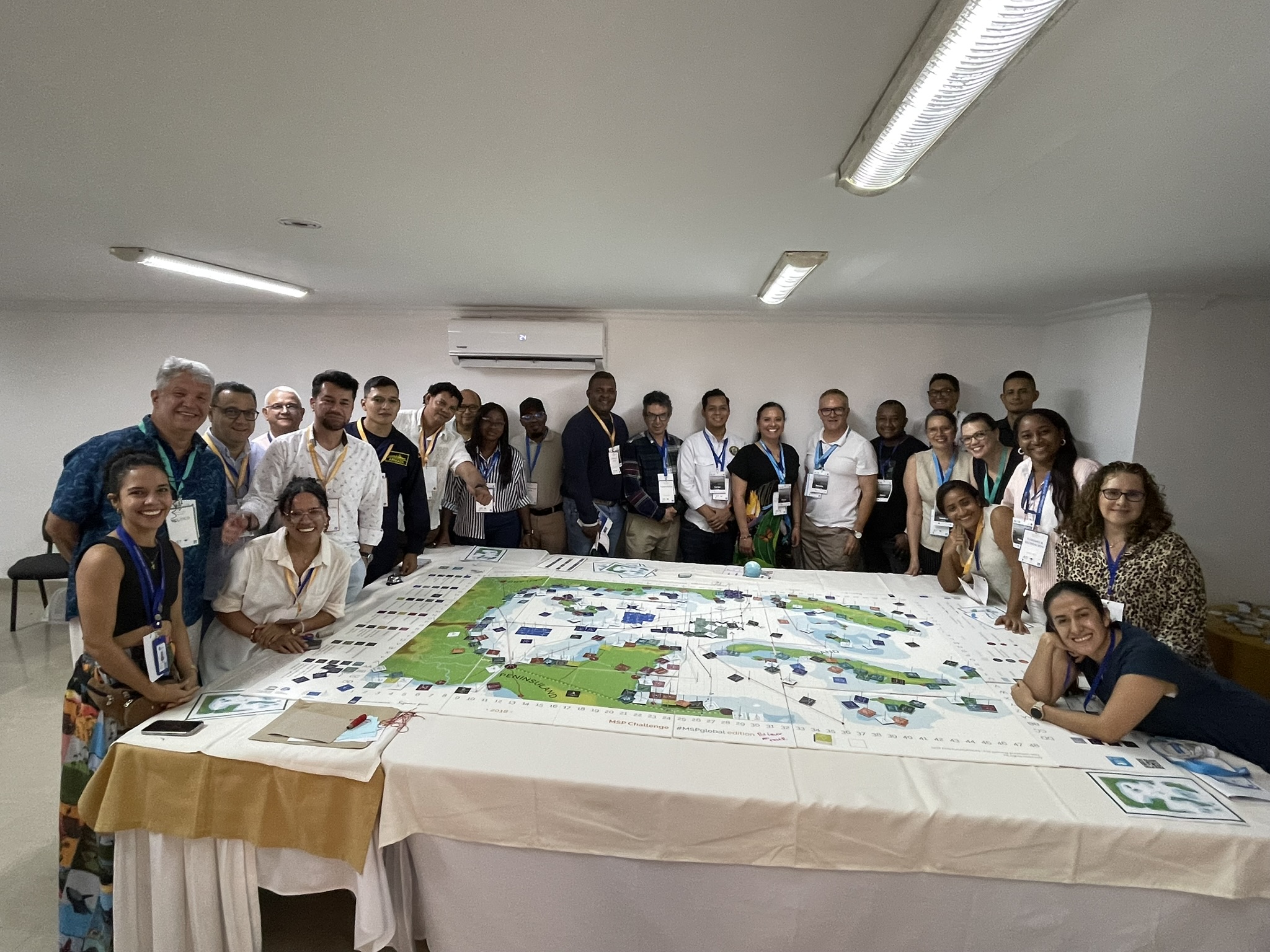
As part of the annual efforts to strengthen the capacities of the country’s marine and coastal authorities, the José Benito Vives de Andréis Institute for Marine and Coastal Research (INVEMAR), in strategic partnership with IOC of UNESCO (through IOCARIBE, the UNESCO-IOC MSPglobal programme, and the UNESCO-IOC IODE OceanTeacher Global Academy, conducted the course “Marine Spatial Planning and Marine and Coastal Management in Colombia: Strategies for Ocean Governance.”
The training workshop took place from 18 to 20 August, 2026, with the aim of strengthening conceptual and practical tools in Marine Spatial Planning (MSP), Integrated Coastal Zone Management (ICZM), and Ocean Governance. This initiative is part of the efforts of the PROCARIBE+ project, co-funded by the Global Environment Facility (GEF) and implemented with the support of the United Nations Development Program (UNDP) and the United Nations Office for Project Services (UNOPS), of which Colombia is a beneficiary country.
To conclude the agenda, a practical participatory diagnostic workshop was held on 21 August, with key stakeholders from the Cartagena Bay MSP pilot project. The workshop aimed to characterize, analyze, and reach agreement on the socioeconomic uses and activities currently converging in this marine and coastal territory.
Contextualizing Marine Spatial Planning and Coastal Management in Colombia
During the first day, the 21 participants explored current international frameworks, as well as the conceptual foundations and tools of ICZM and MSP. Colombia’s regulatory and institutional progress in implementing public policies aimed at the sustainable planning and management of its seas and coasts was also presented.
The six phases of the MSP process described in the MSPglobal International Guide on Marine/Maritime Spatial Planning were also explored in detail. These phases are essential for laying the groundwork, designing the planning process and conducting assessments for a marine spatial plan, among other aspects. Each conceptual phase was complemented by sessions tailored to the Colombian context, allowing participants to gain insight into the territorial reality and understand practical mechanisms for approaching marine and coastal planning objectively.
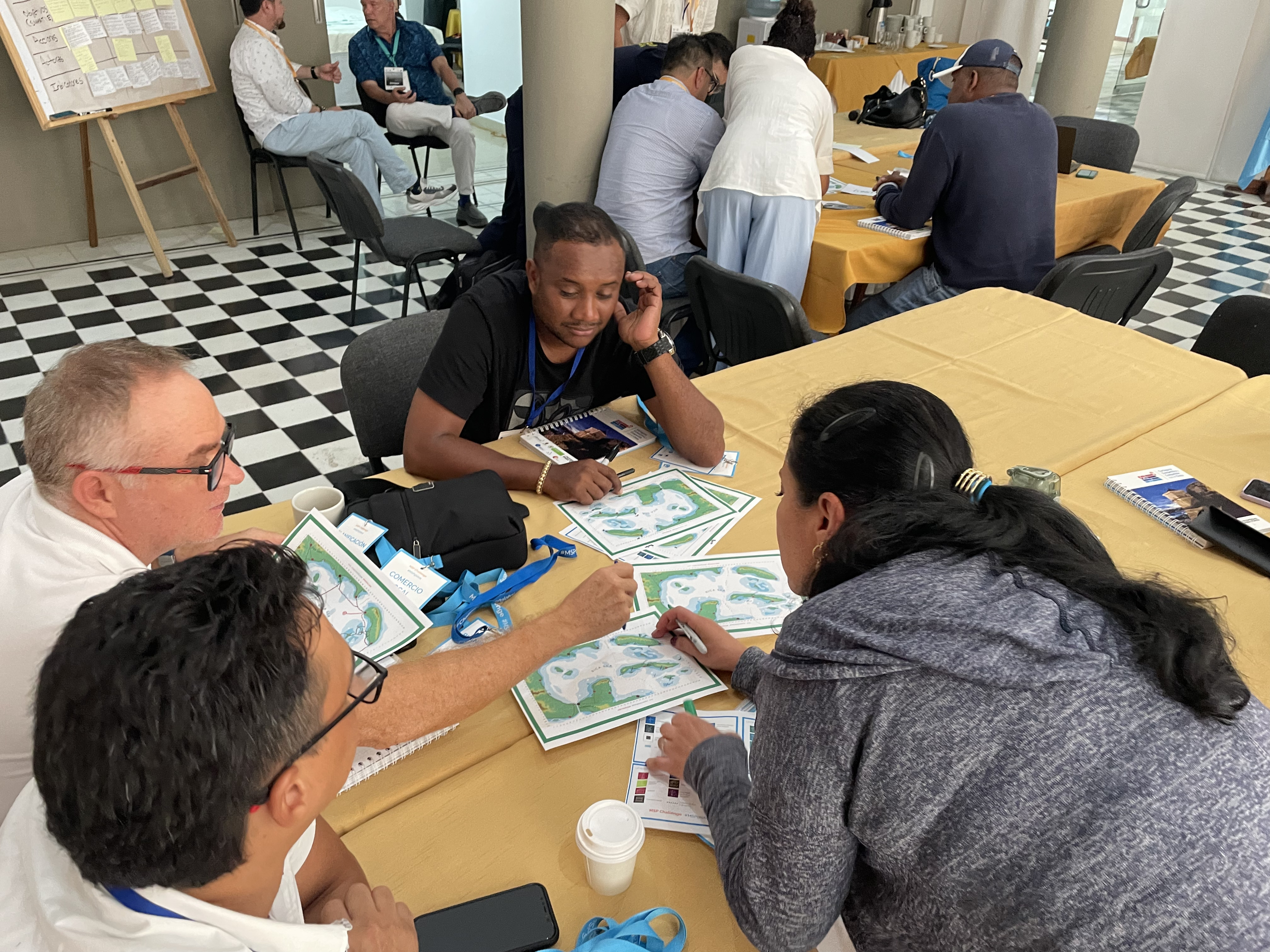
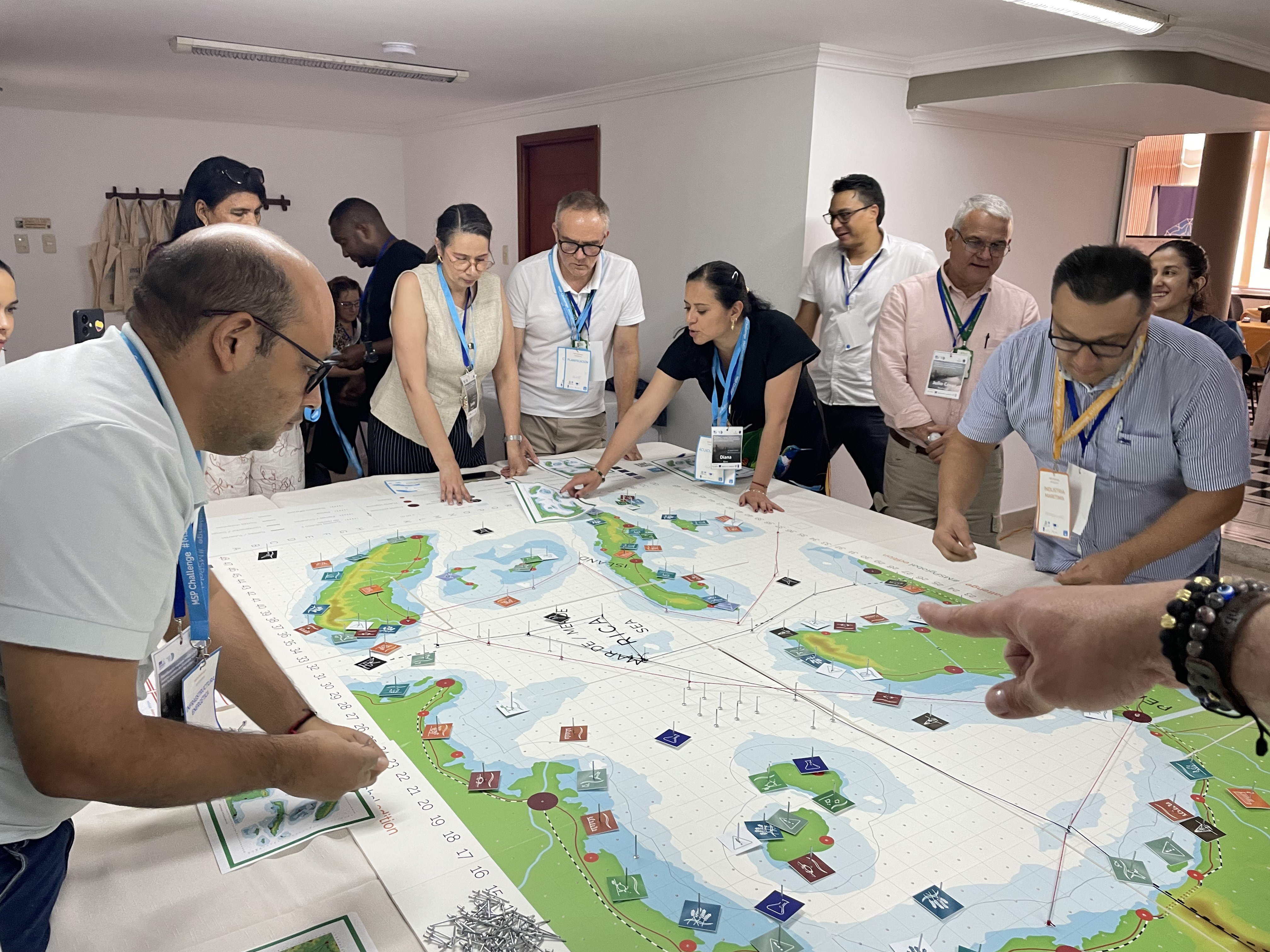
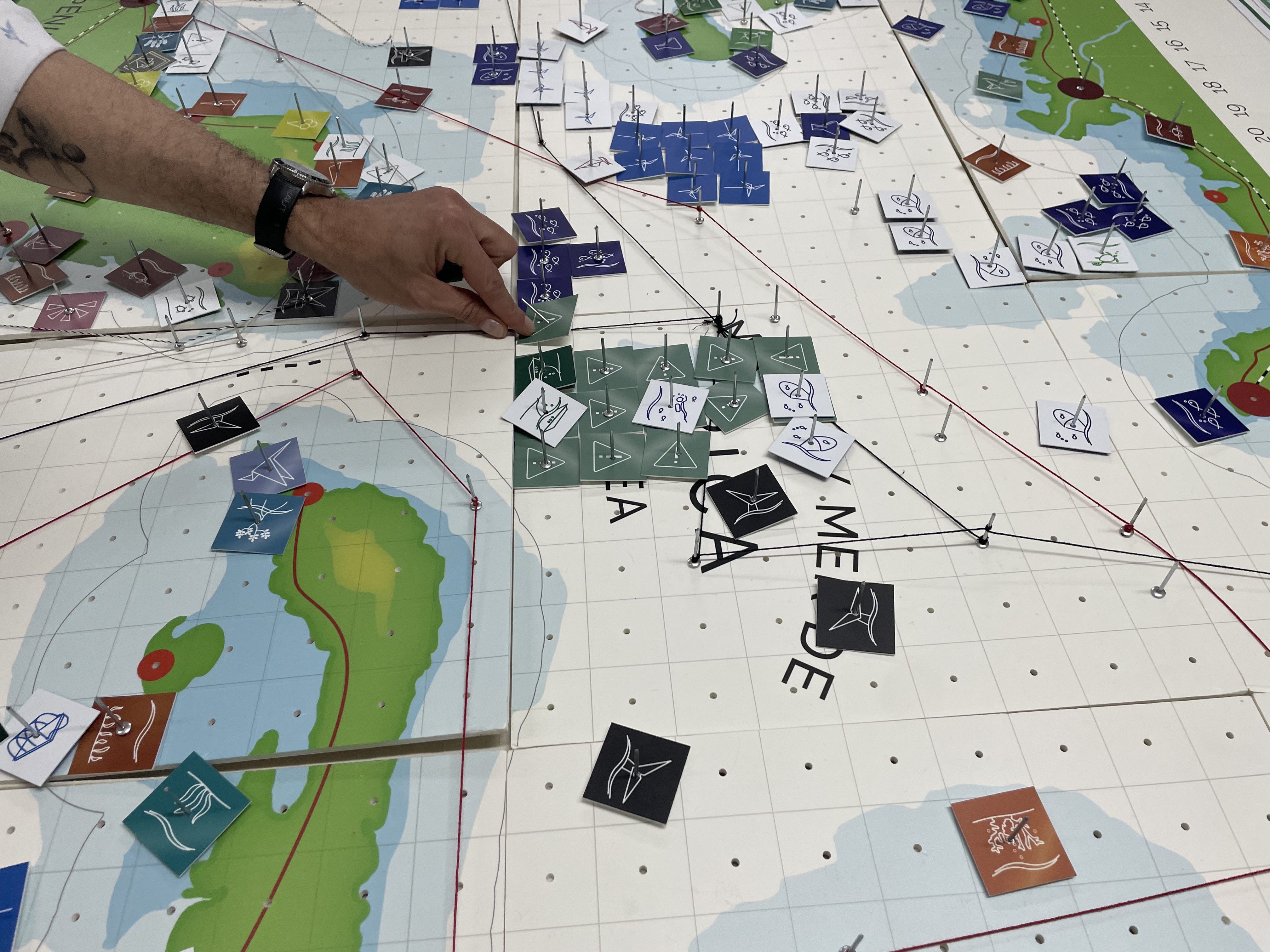
One of the highlights of the day was the session dedicated to engaging the various stakeholders —both coastal and marine— whose knowledge and experience are essential to an inclusive and participatory approach. In addition, the first part of the MSP Challenge was played. This strategic board game simulates the conflicts, synergies, negotiations, and mutual concessions inherent in an MSP process within a marine area shared by the fictional countries of Bayland, Peninsuland, and Island.
As part of the challenge, participants had to design their plan by establishing a vision, objectives, actions, the stakeholders involved and indicators based on the profile of their assigned country.
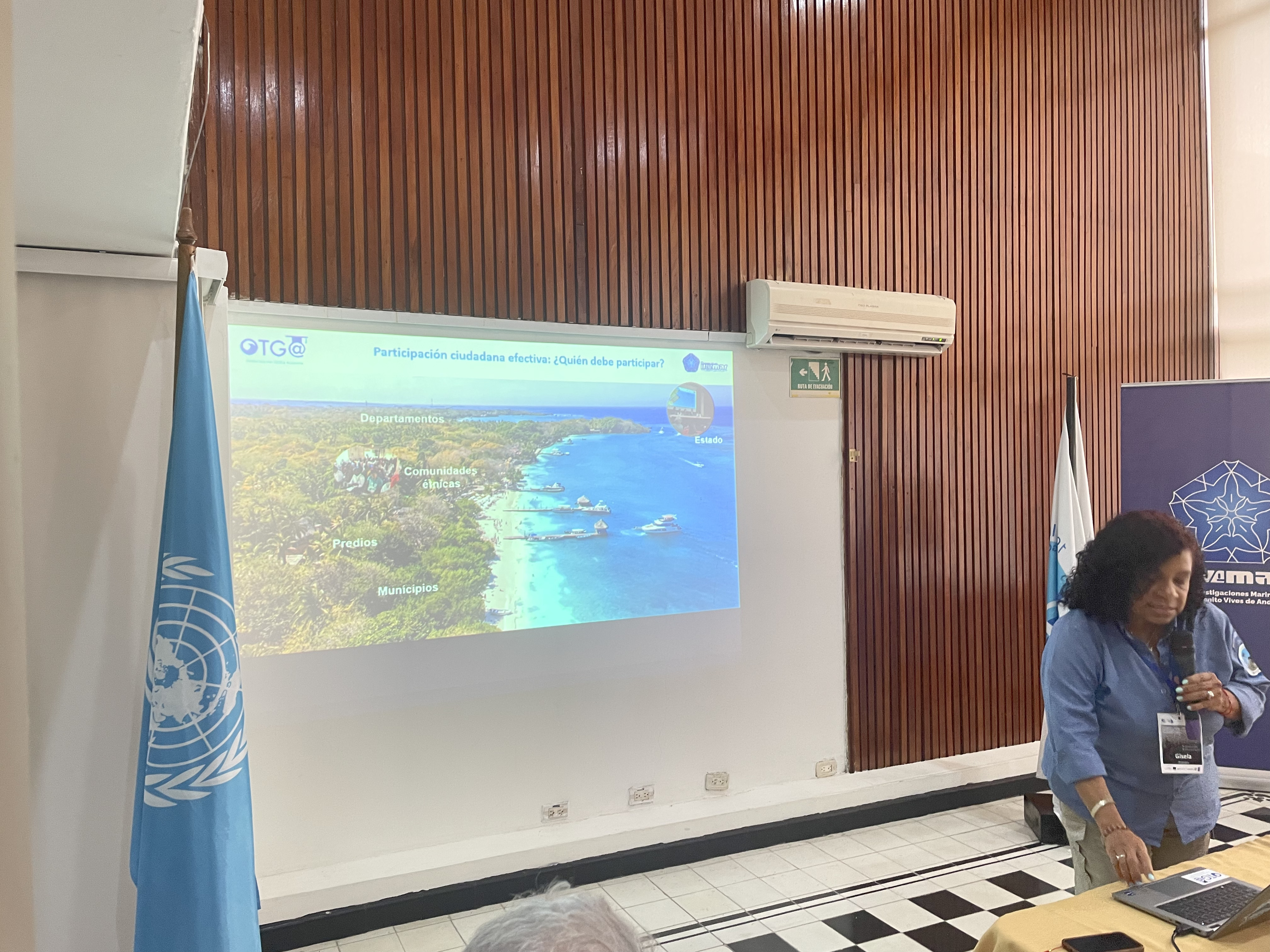
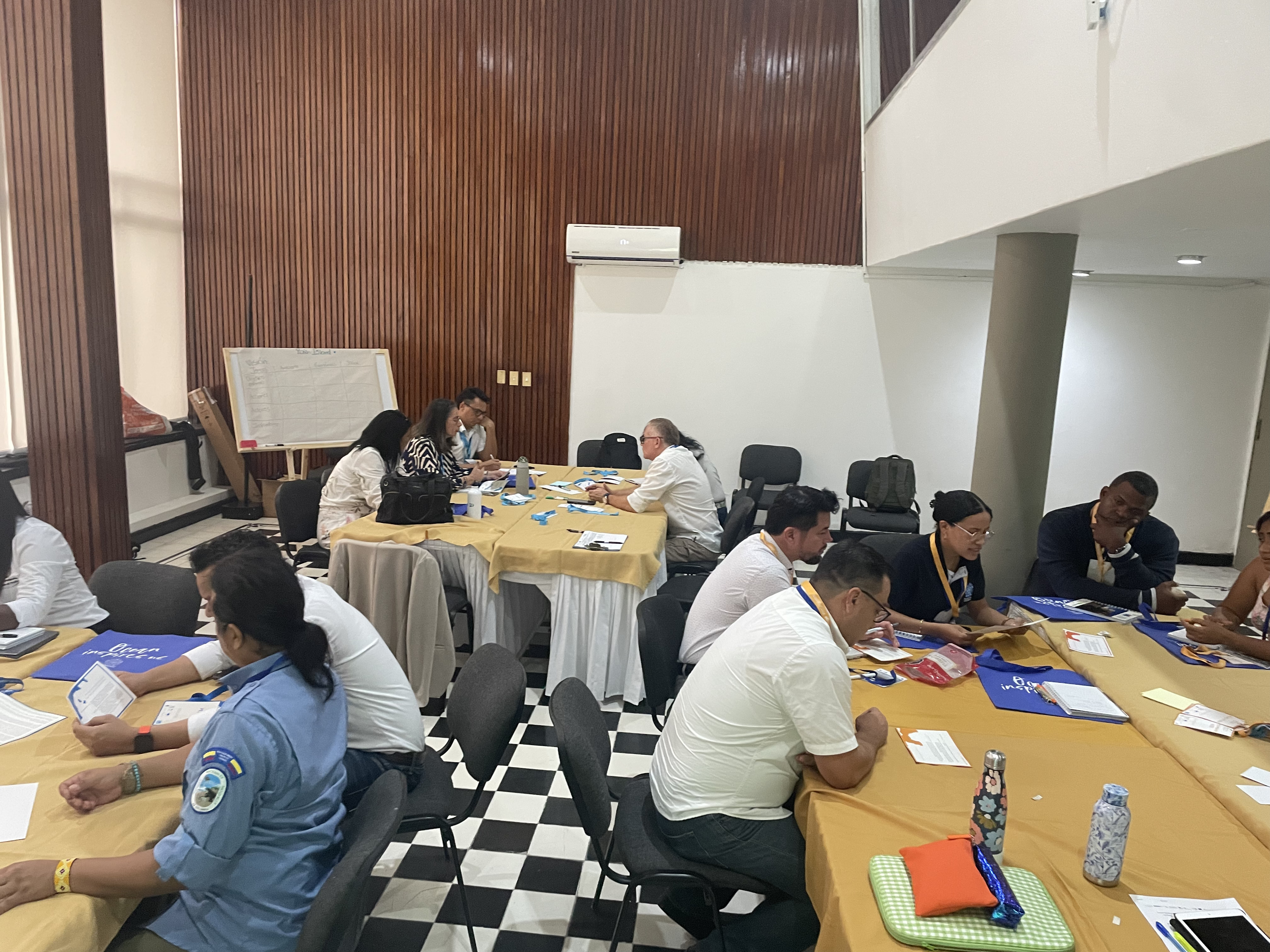
IOC of UNESCO, 2026
Understanding Governance, Data, and Context Regarding the Importance of Biodiversity and Climate in Marine Spatial Planning
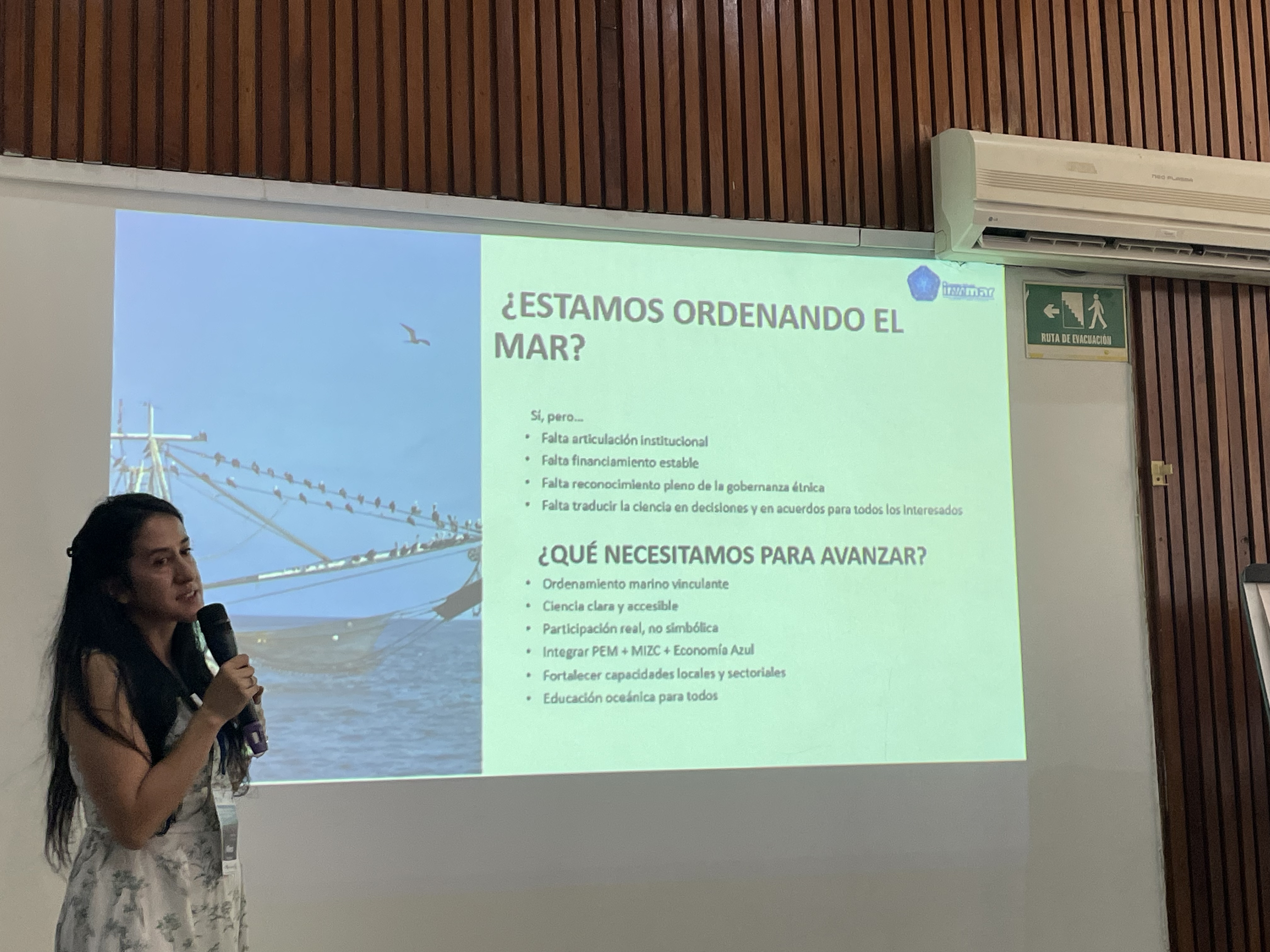
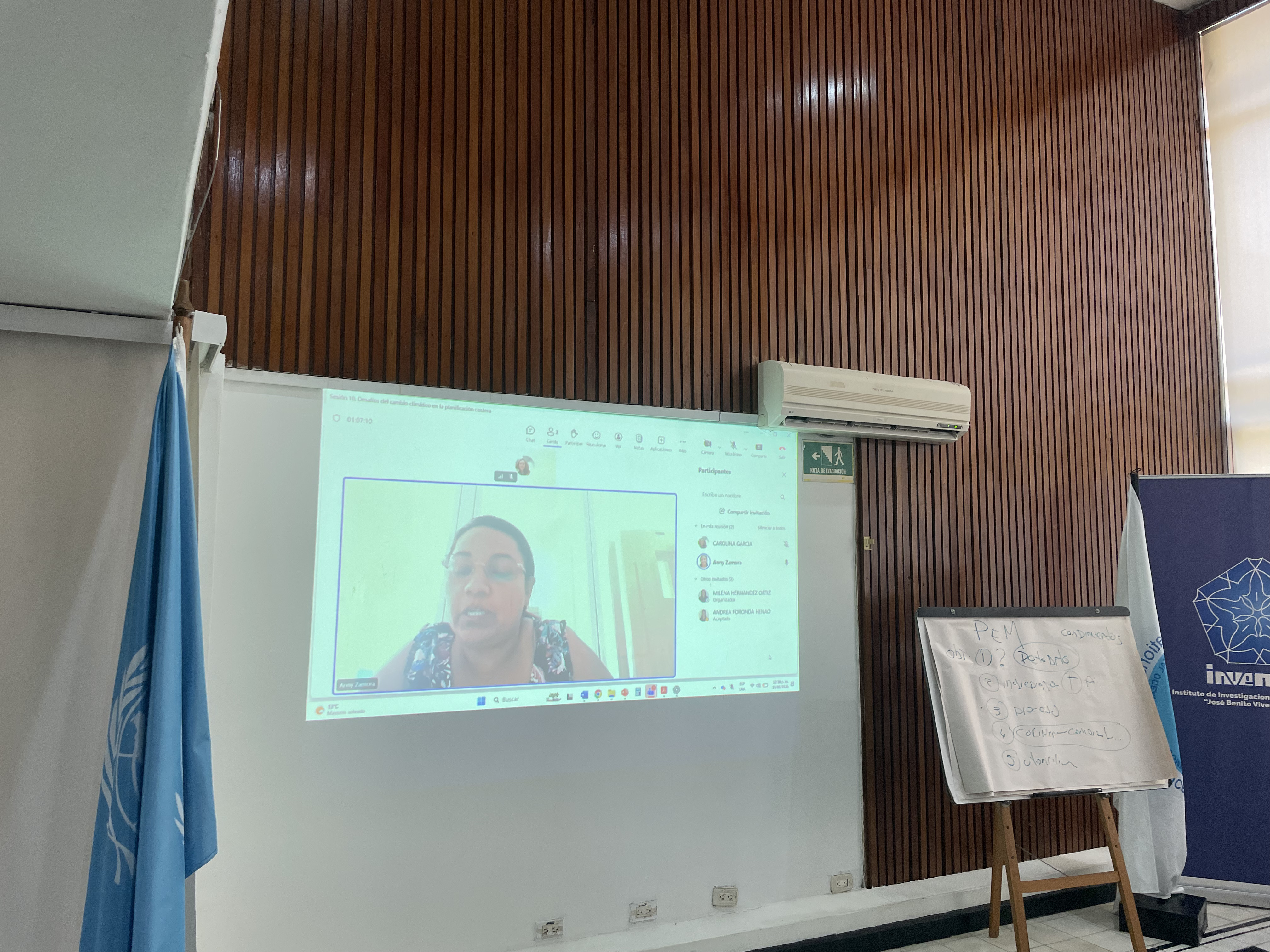
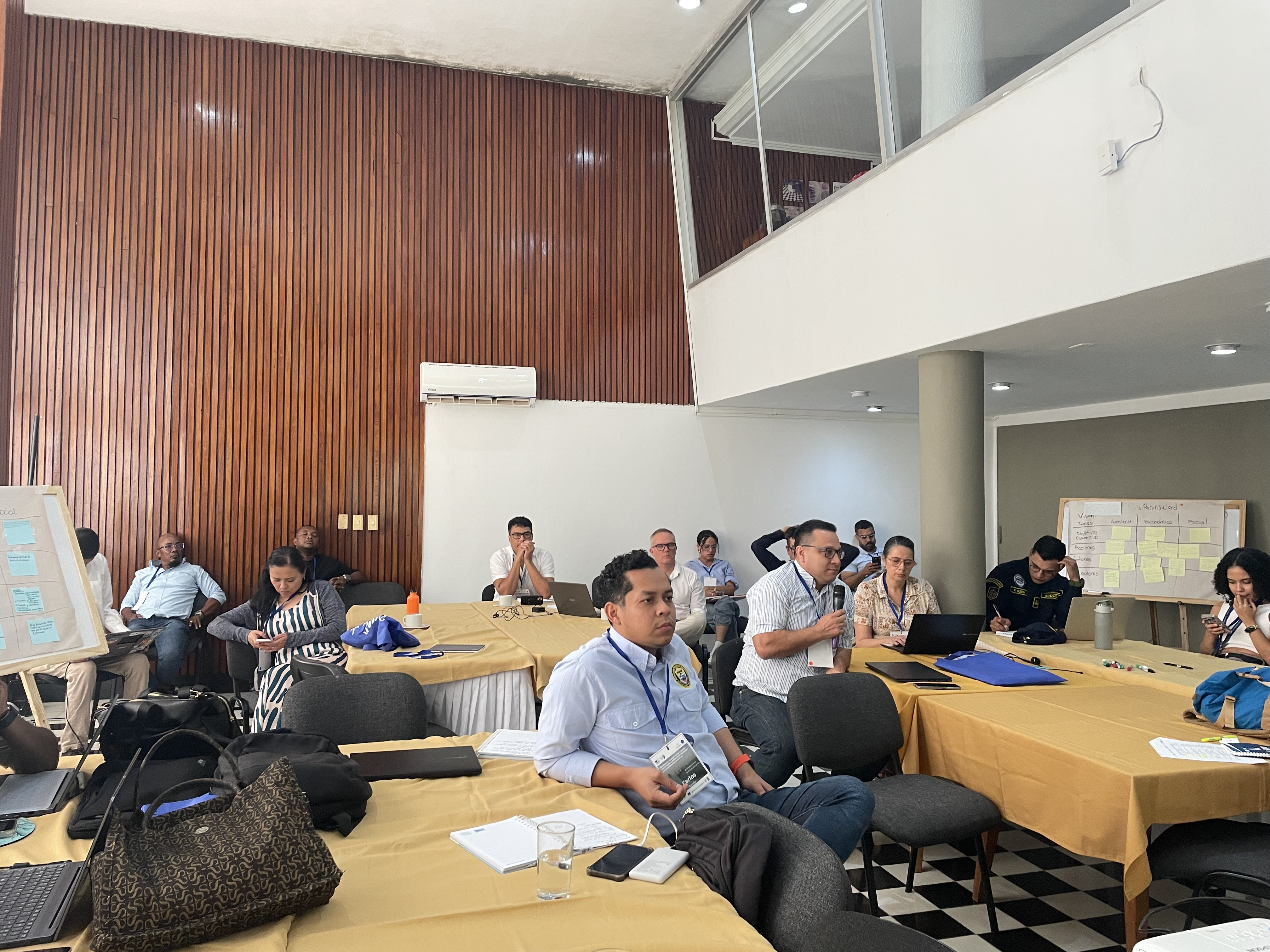
The second day focused on Colombia’s legal and governance framework for marine and coastal affairs, the data and assessments required for MSP, and relevant national and international experiences in its implementation.
It was noted that, while Colombia does not have specific legislation for MSP, there is a National Inter-agency Working Group on MSP, in which 18 national institutions participate. Coordinated by the Directorate of Marine, Coastal, and Aquatic Affairs of the Ministry of the Environment, the working group addressed this issue as a matter of national importance.
The participants also examined the challenges posed by climate change for coastal planning, the contributions of MSP to a sustainable blue economy, and the role of marine conservation and restoration as fundamental elements in promoting sustainable, resilient and inclusive use of marine and coastal areas.
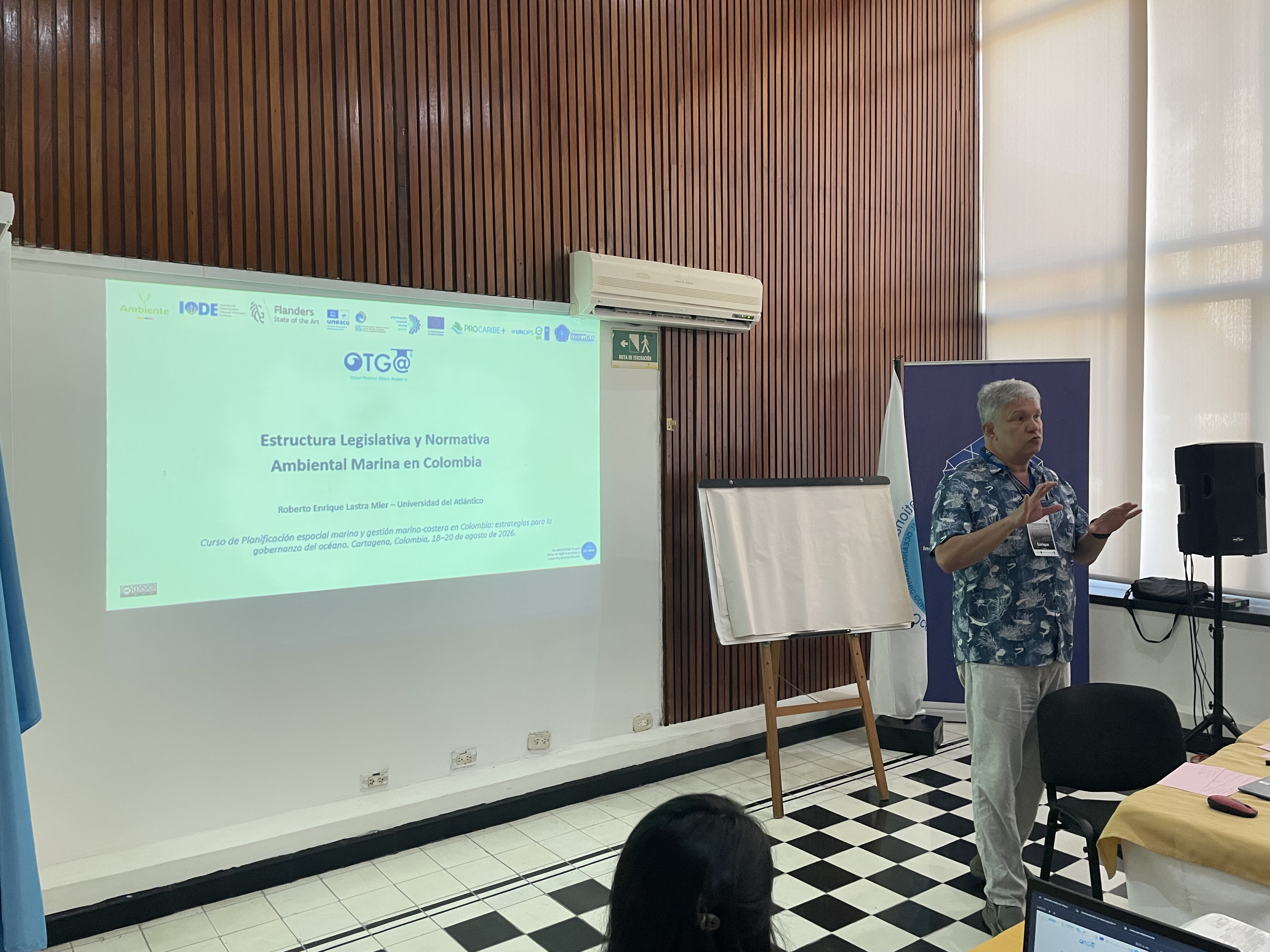
IOC of UNESCO, 2026
Lessons Learned and Next Steps
During the third day of the training, participants emphasized the importance of having unified environmental criteria and up-to-date tools to strengthen land-use and marine and coastal planning, including the incorporation of new planning considerations related to mangroves, marine pollution, and climate change. They also highlighted the importance of understanding the roles of local authorities in coastal governance, as well as the approaches and tools of ecosystem-based management in land-use planning. Participants emphasized the need for effective community participation, recognizing that local knowledge is essential to protecting strategic ecosystems and ensuring the legitimacy of planning processes.
The participants then continued the planning process in the fictional countries featured in the board game. Upon completing the exercise, they recognised the importance of understanding the behavior of industries and sectors other than those they engage with in their daily lives, as well as the conflicts and synergies that may emerge during the planning process and the challenges it entails.
IOC of UNESCO, 2026
Communities Take Action
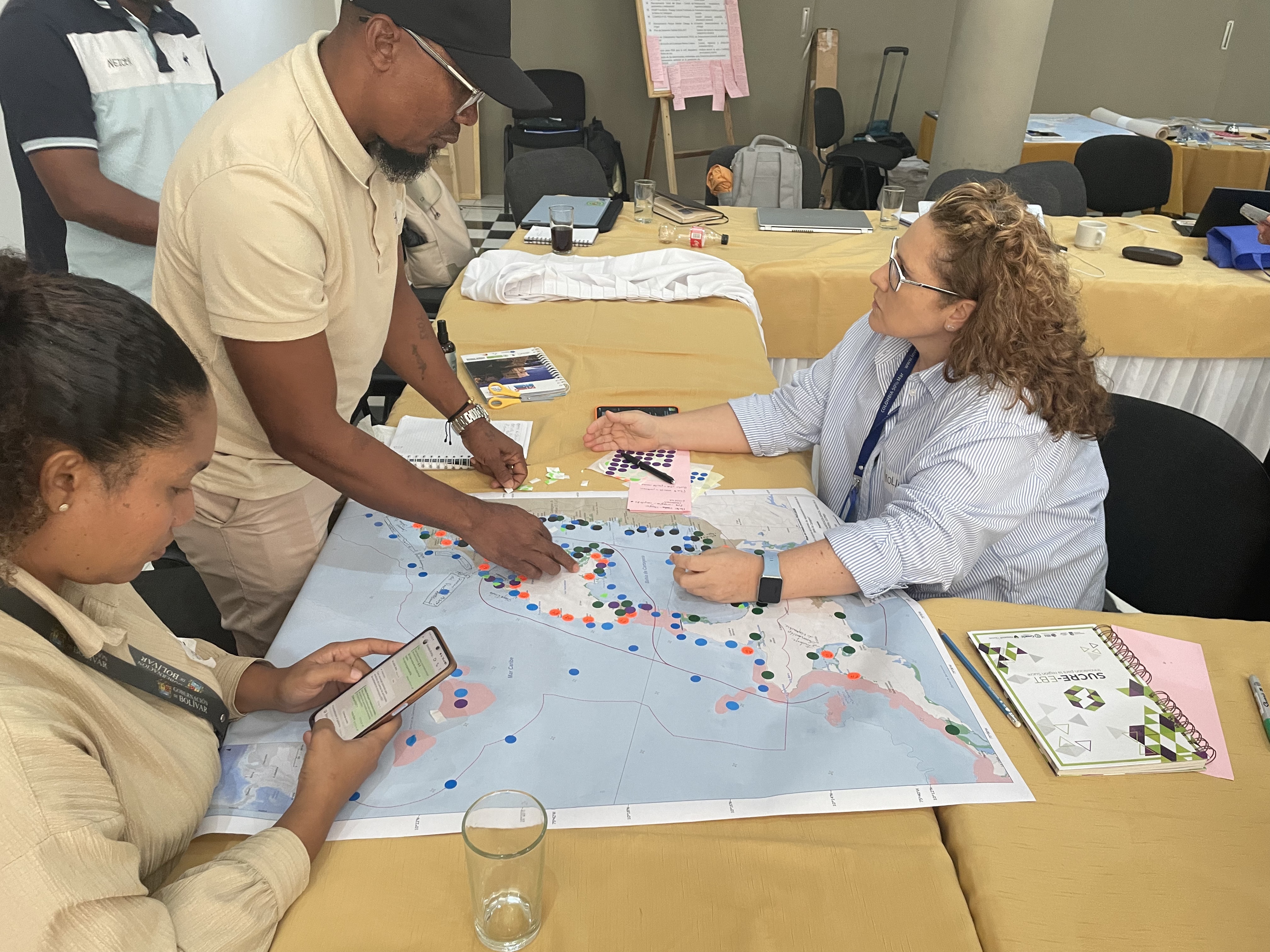
On 21 August, the workshop “Mapping the Present to Plan for the Future: Uses of Marine Space in Cartagena Bay” was held with the stakeholders involved in the Cartagena Bay MSP pilot project. The involvement of local communities during the three-day training not only provided them with new knowledge and tools, but also strengthened their motivation to continue the process.
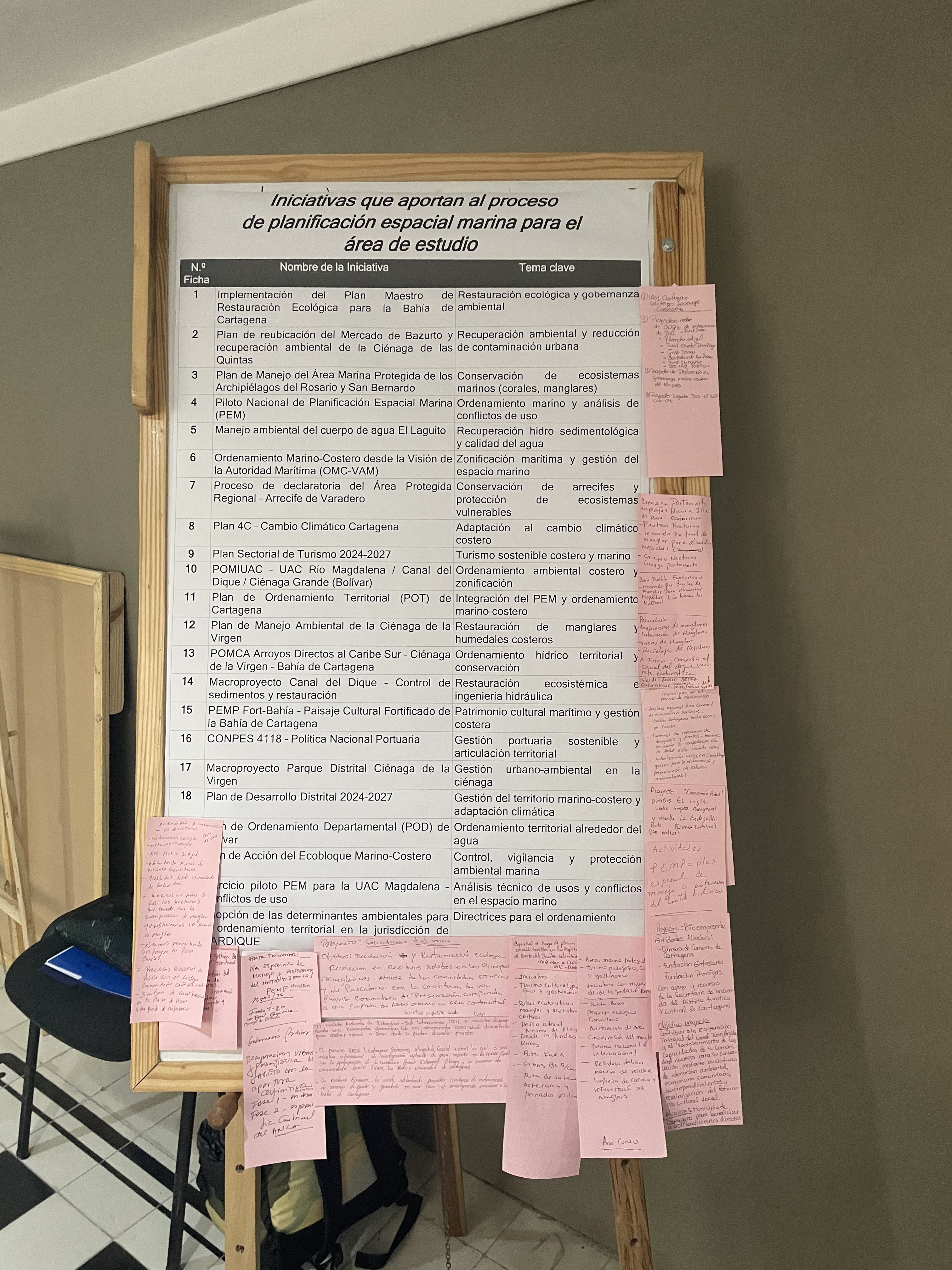
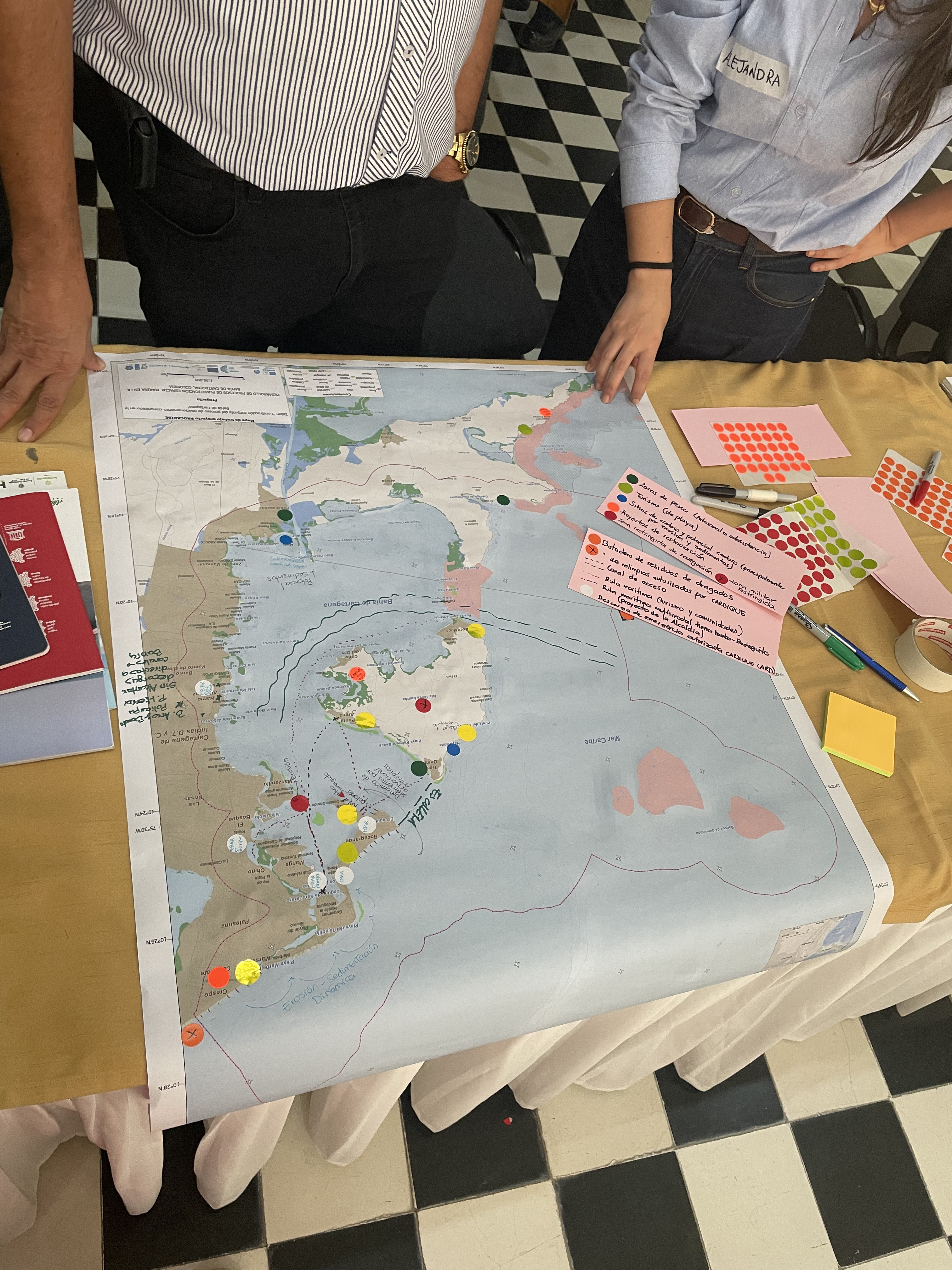
The workshop therefore became a space for dialogue and teamwork led by community representatives themselves. Building on their newly acquired knowledge, the communities, together with institutions, sectors, and authorities, carried out an exercise to identify and complement existing MSP-related initiatives in the area, as well as identify the activities and spatial conflicts currently occurring in Cartagena Bay.
The result was a map of the current conditions in the study area, developed by and for the communities themselves and other stakeholders interested in better managing the Cartagena Bay.
IOC of UNESCO, 2026